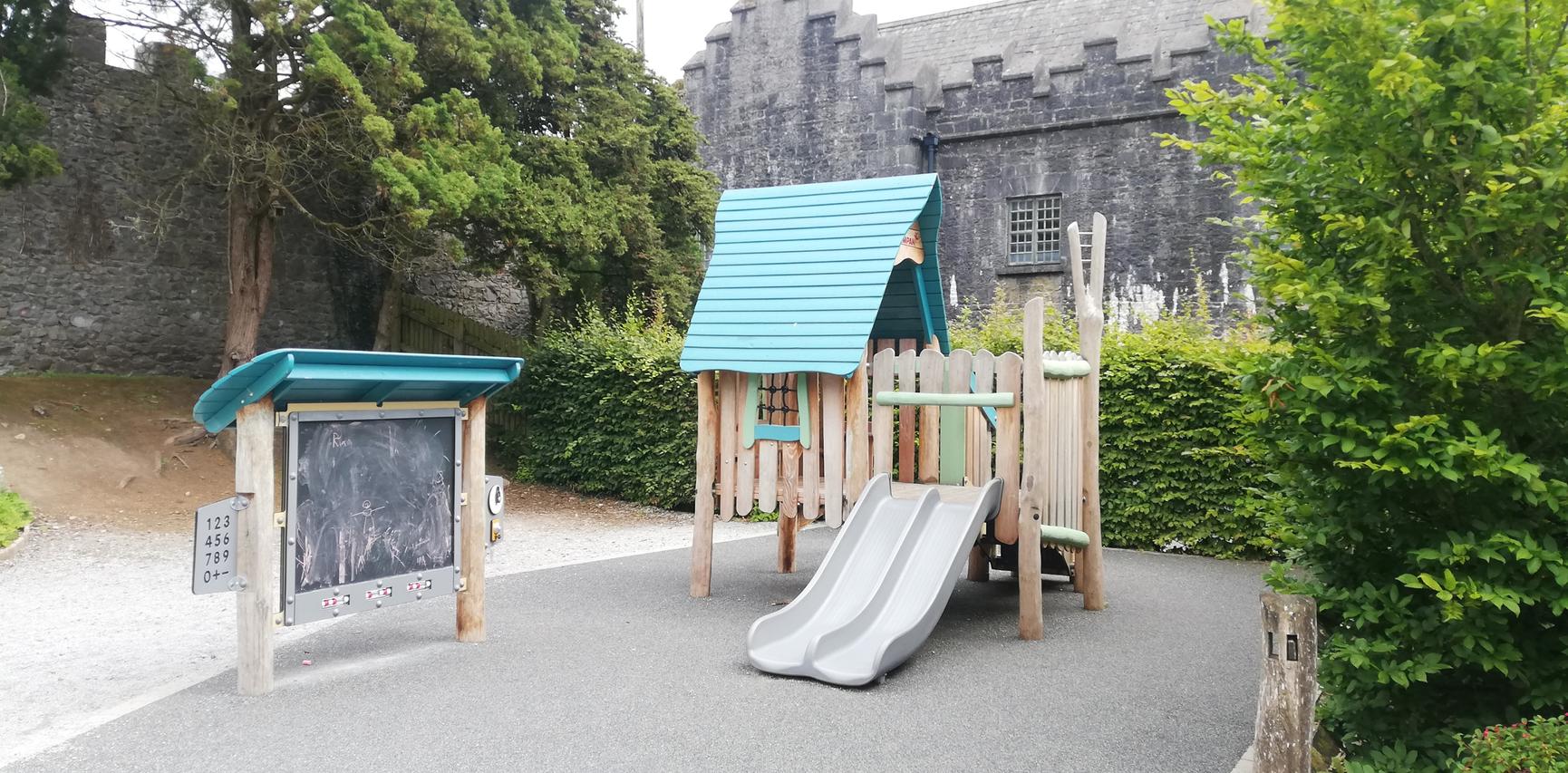
NRO610
Play & Learn Blackboard
Age Group
2 - 12 Years
Capacity
6
Product category
NRO610
Play & Learn Blackboard
Specifications
Play & Learn Blackboard
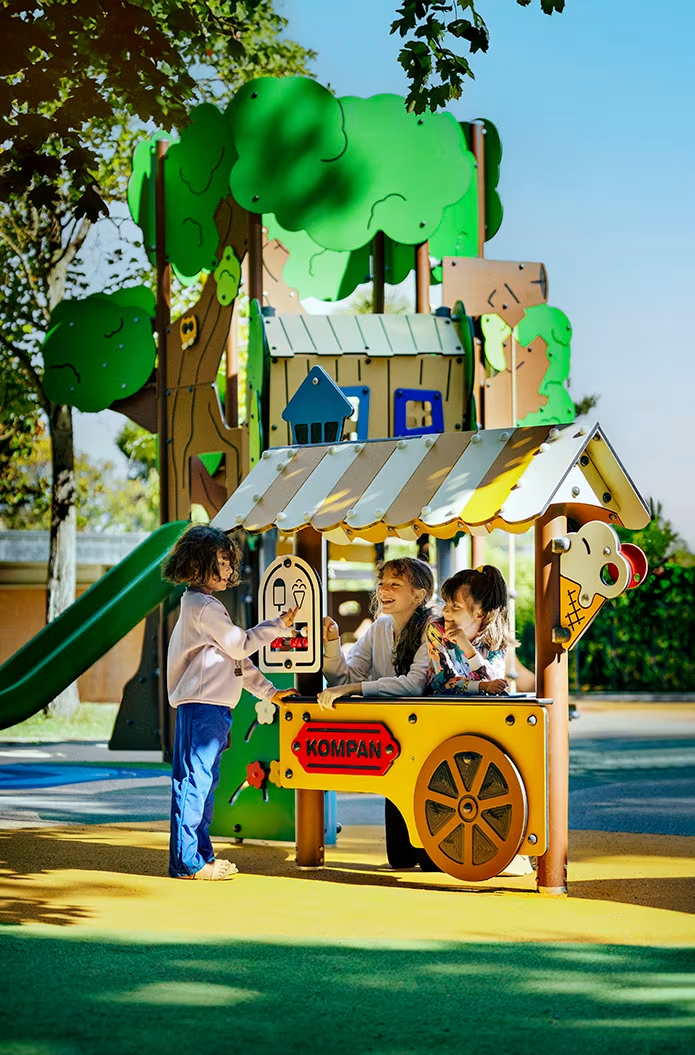
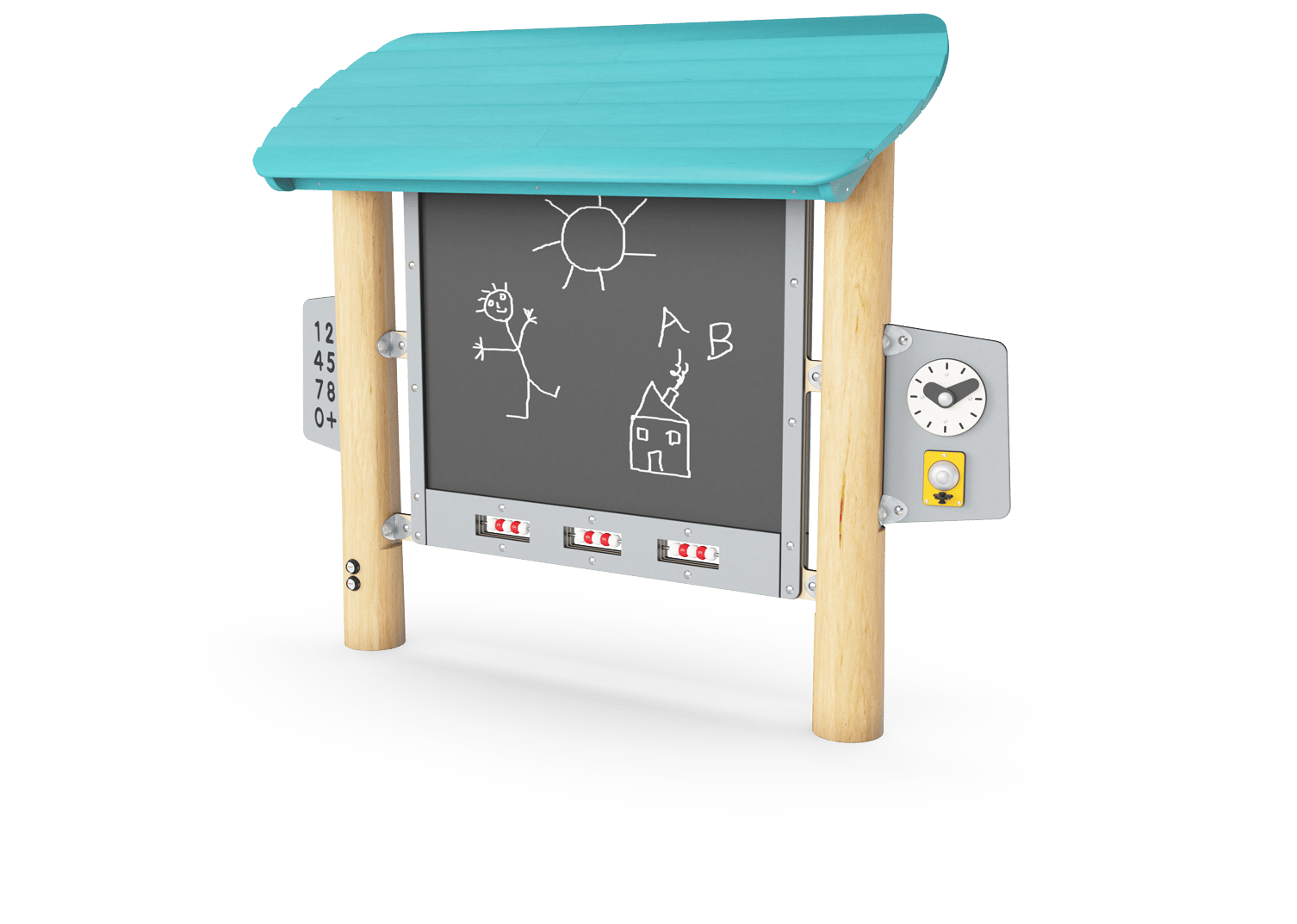
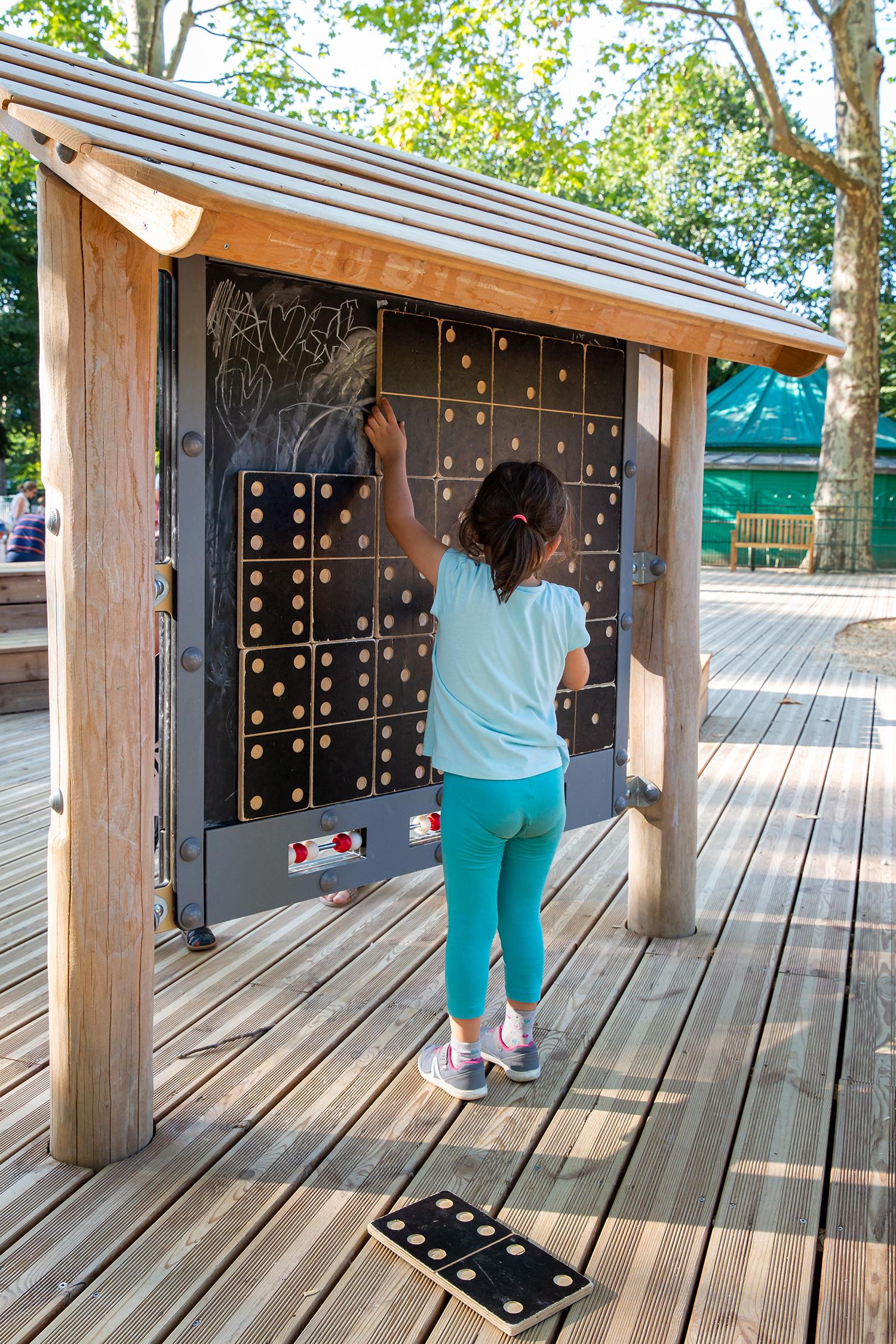
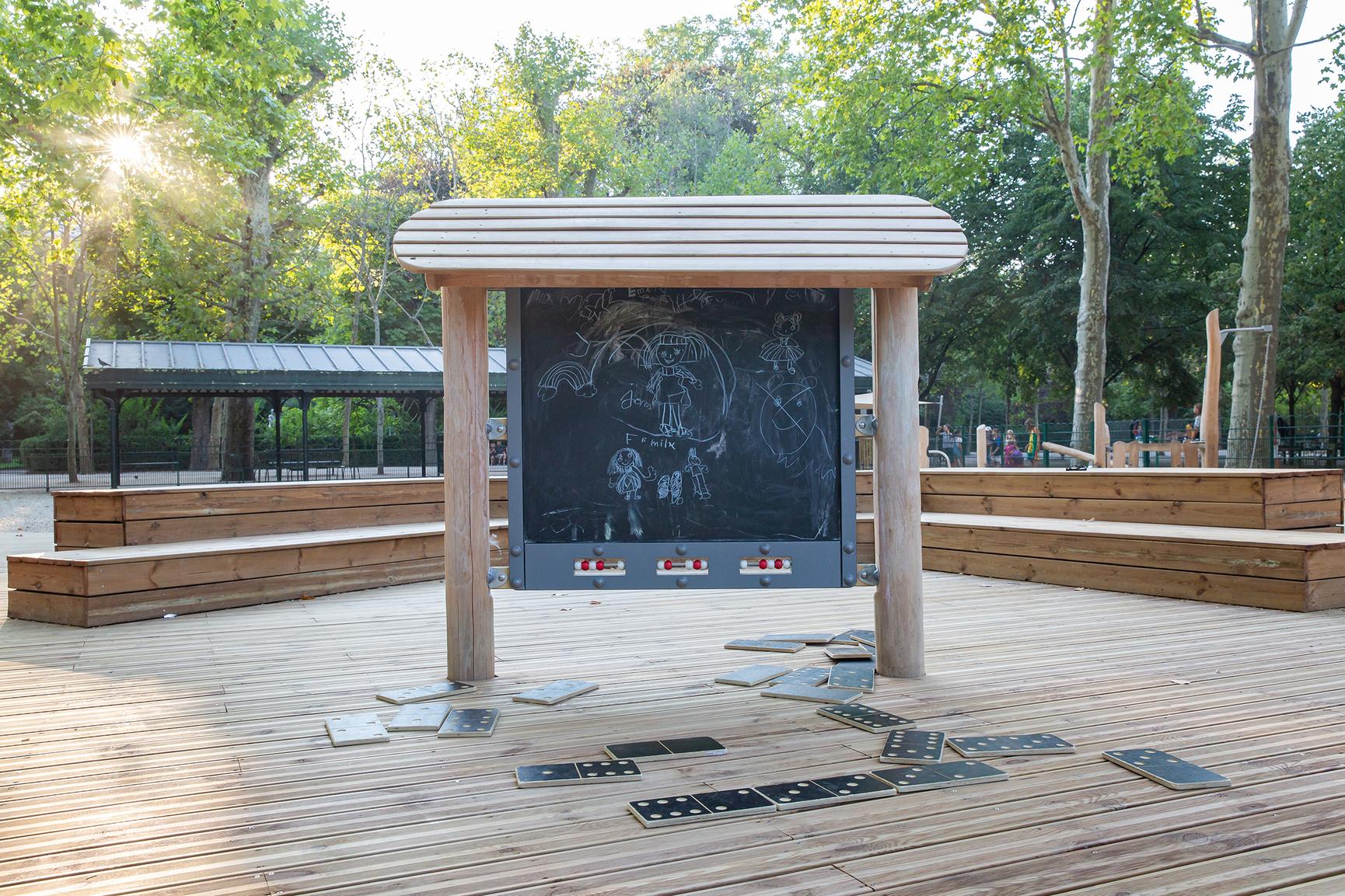
The Robinia Play & Learn Blackboard is a great creativity attractor that children return to again and again. It appeals to children's love of dramatic play, e.g. playing school. It also stimulates creativity in drawing. Due to the two sides of the blackboard bigger groups can draw together, e.g. in an outdoor classroom. The richness in tactile detail with abacus, clock, bell and number board train the fine motor skills and hand-eye coordination. The clock stimulates understanding of time and measures. The clock makes it possible to leave a mark with sound, which trains the logical thinking skills of the youngest children. In play tests the clock & bell are frequently used. The number board inspires play-counting. Drawing and play-writing were essential parts of the blackboard play. Play-school games are known to stimulate children's interest in learning and readiness for school.
This product, Play & Learn Blackboard (NRO610), is provided by KOMPAN United States.
Length
7' 5"
Width
2' 5"
Height
5' 10"
Age Group
2 - 12 Years
Capacity
6
Inclusive
No
Product category
Nature Playgrounds
Product line
Robinia Village Play Structures
Product Highlights
Quality that lasts
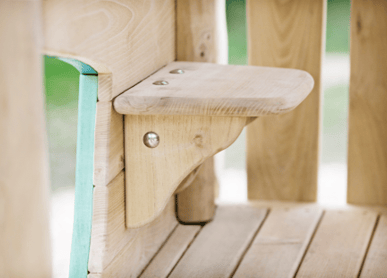
All Organic Robinia products by KOMPAN are made of Robinia wood from sustainable European sources. On request it can be supplied as FSC® Certified (FSC® C004450).
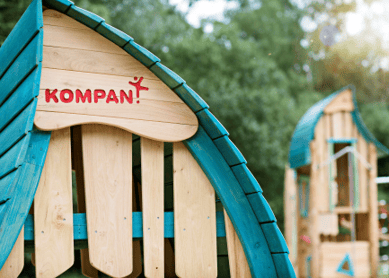
The paint used for colored components is water based environmental friendly with excellent UV resistance. The paint is in compliance with EN 71 Part 3.
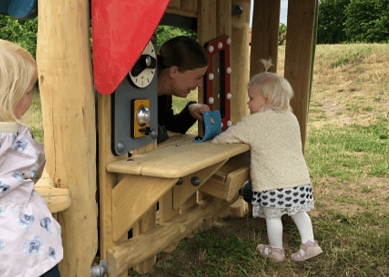
Play activities in very strong materials: HDPE-plate with HDPE-clock and hands in conveyer belt rubber, bell in pressed aluminium. Mirror in plexi-glass with a high impact resistant.
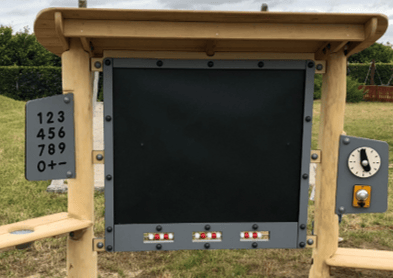
Environment-friendly material: Numbers & letters plate and clock/bell plate are made of 19mm CircularHDPE. CircularHDPE is a highly durable, eco-friendly material, which is not only recyclable after use, but is also made of +95% recycled post-consumer material from e.g., food packing waste in both core and colourful outer layer.
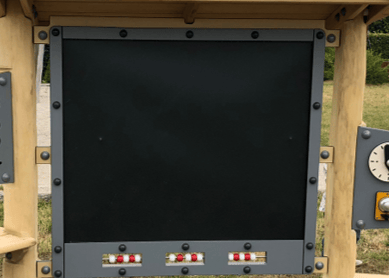
The shafts for abacus are in stainless steel and the abacus beads are injection-molded nylon (PA). The 2-sided black chalkboard is in ceramic steel.
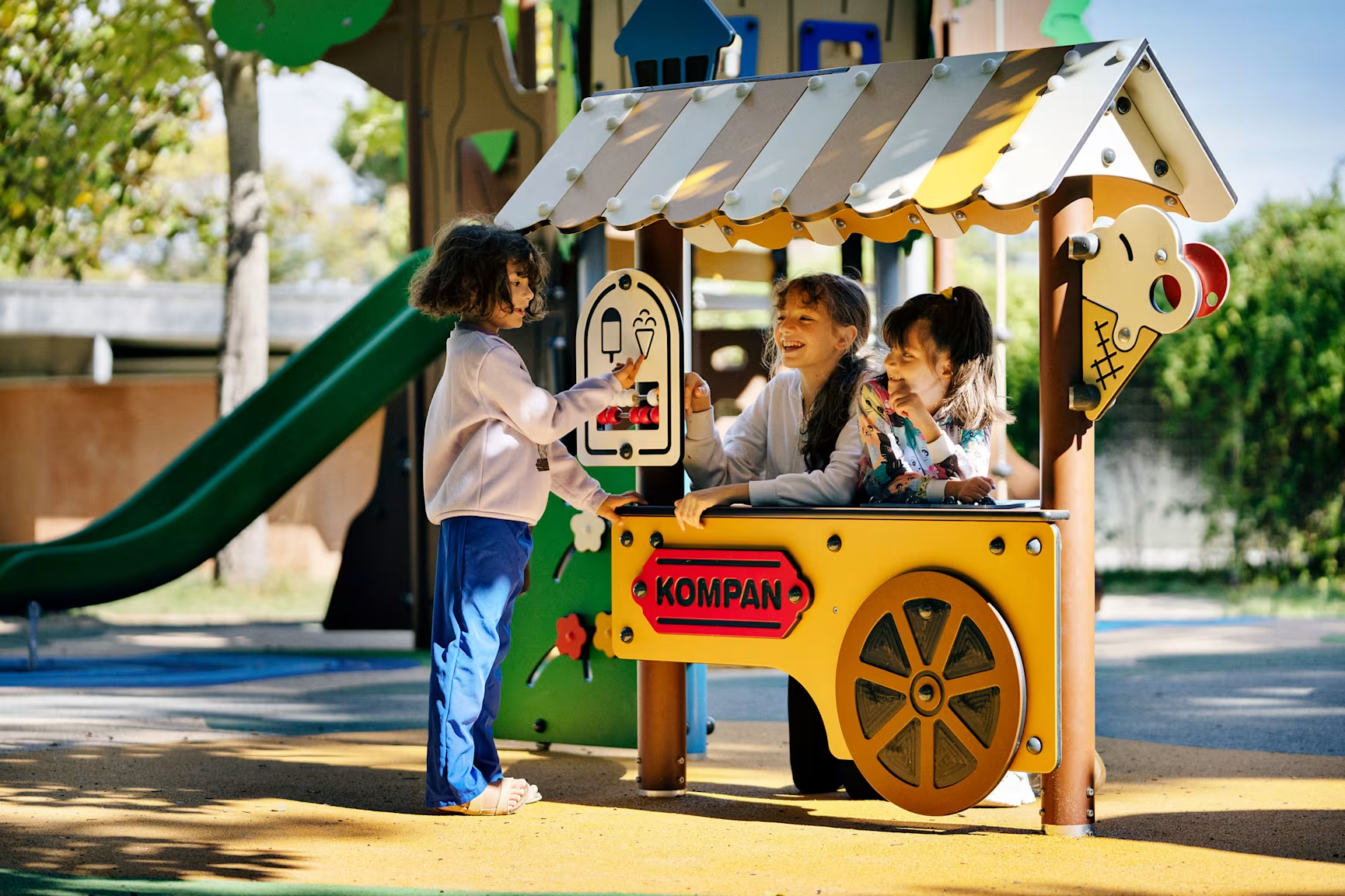
Play Activities

Construct
6

Dramatic play
4

Sensory
10

Socialize
11

Wonder
6
Each play activity represents a type of play experience, such as balancing, social interaction, climbing, or sensory exploration. The number indicates how many opportunities the product offers for children to engage in that activity. Together, these activities help create a varied and developmentally rich play experience.
CO₂ emission
Sustainability Data
Our product and sustainability data validation help customers make informed sustainable buying choices based on methods validated by Bureau Veritas.
NRO610-1021
195.28
Total CO₂ emission (kg CO₂e)
1
CO₂e/kg (kg CO₂e/kg)
26.01%
Recycled materials
The overall framework applied for these factors is the Environmental Product Declaration (EPD), which quantifies "environmental information on the life cycle of a product and enables comparisons between products fulfilling the same function" (ISO, 2006). This follows the structure and applies a Life-Cycle Assessment approach to the entire Product stage from raw material through manufacturing (A1-A3).