GXY901
Pavo
Age Group
5 - 12 Years
Capacity
12
Product category
GXY901
Pavo
Specifications
Pavo
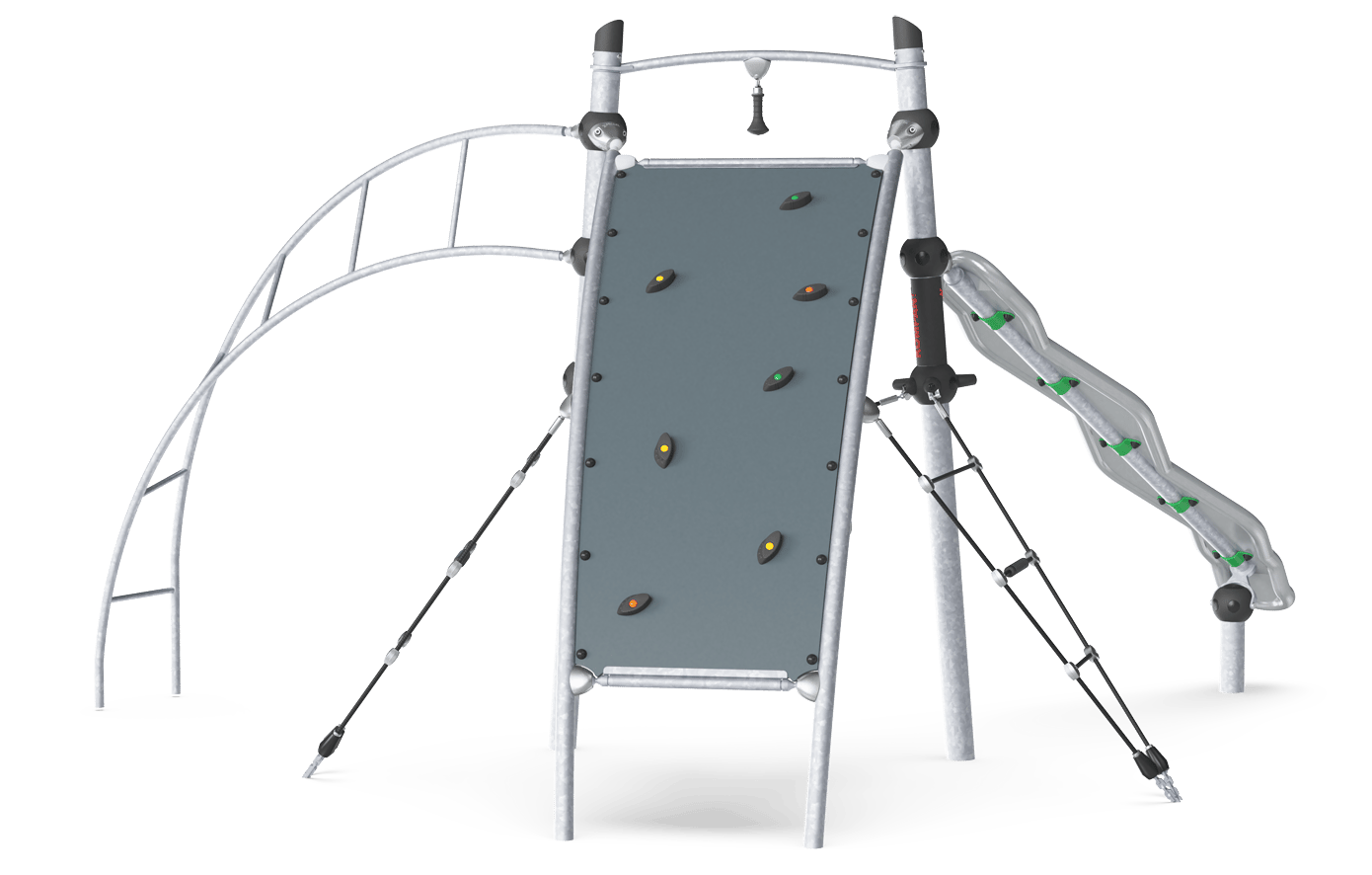
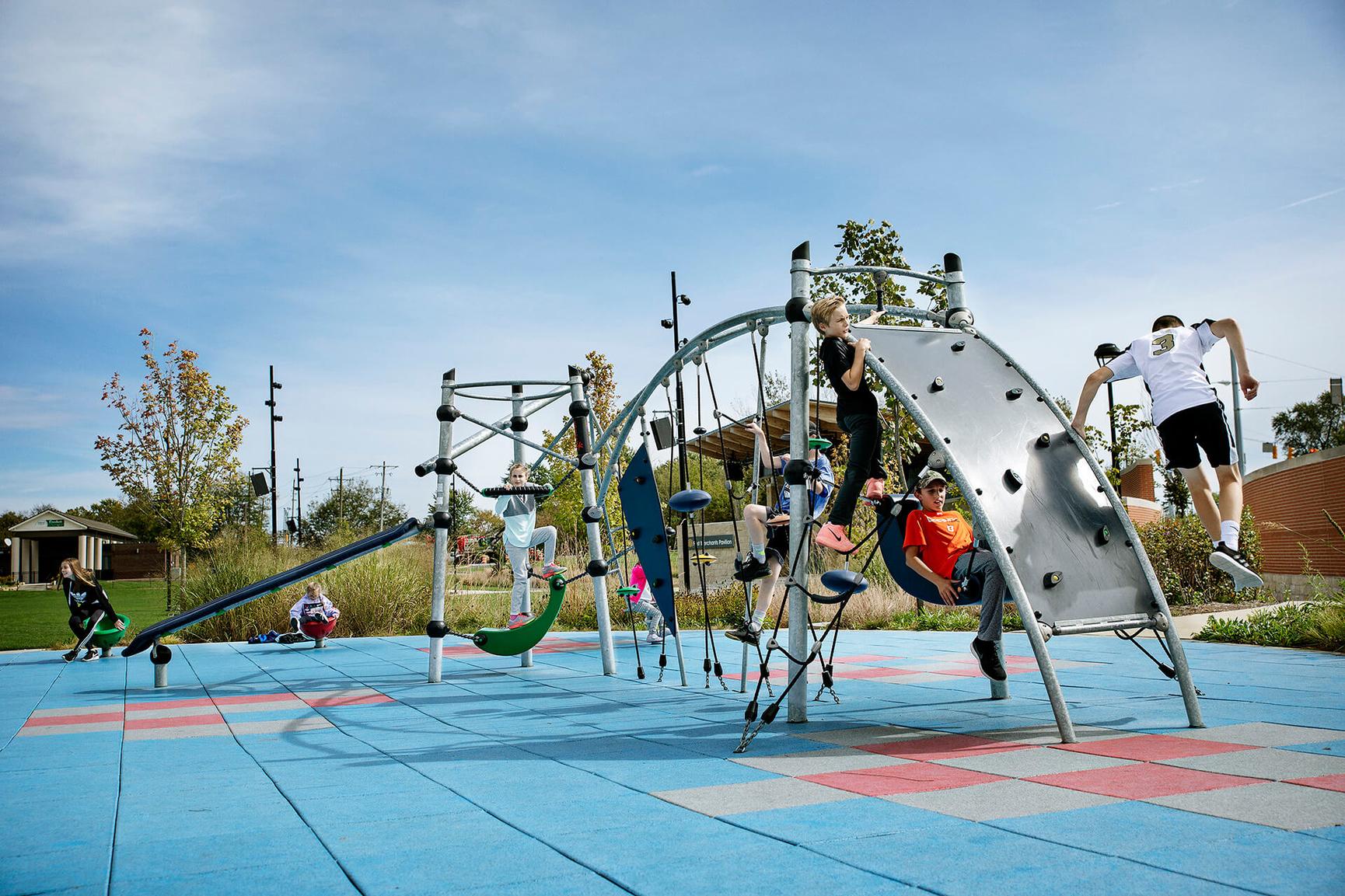
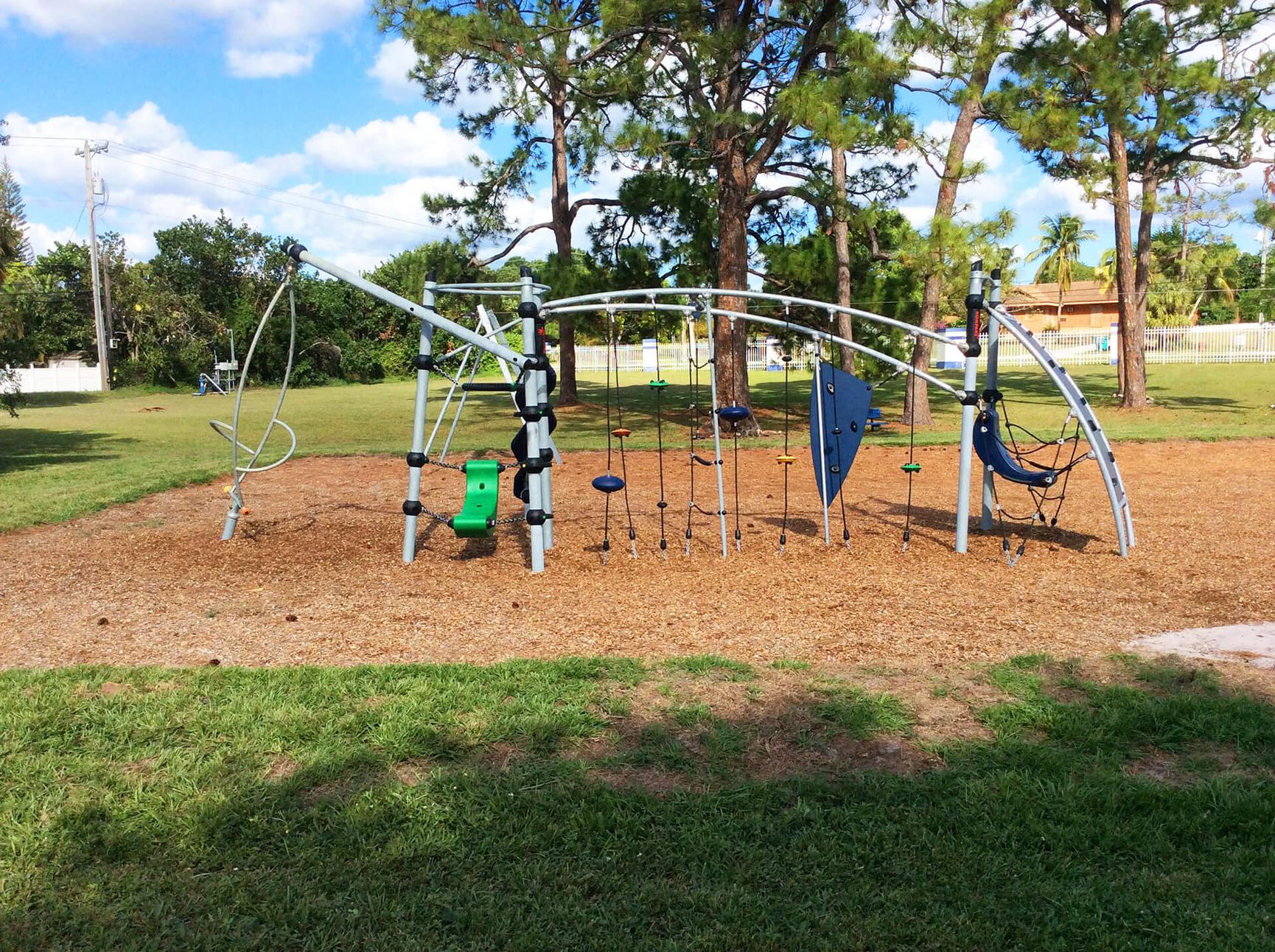
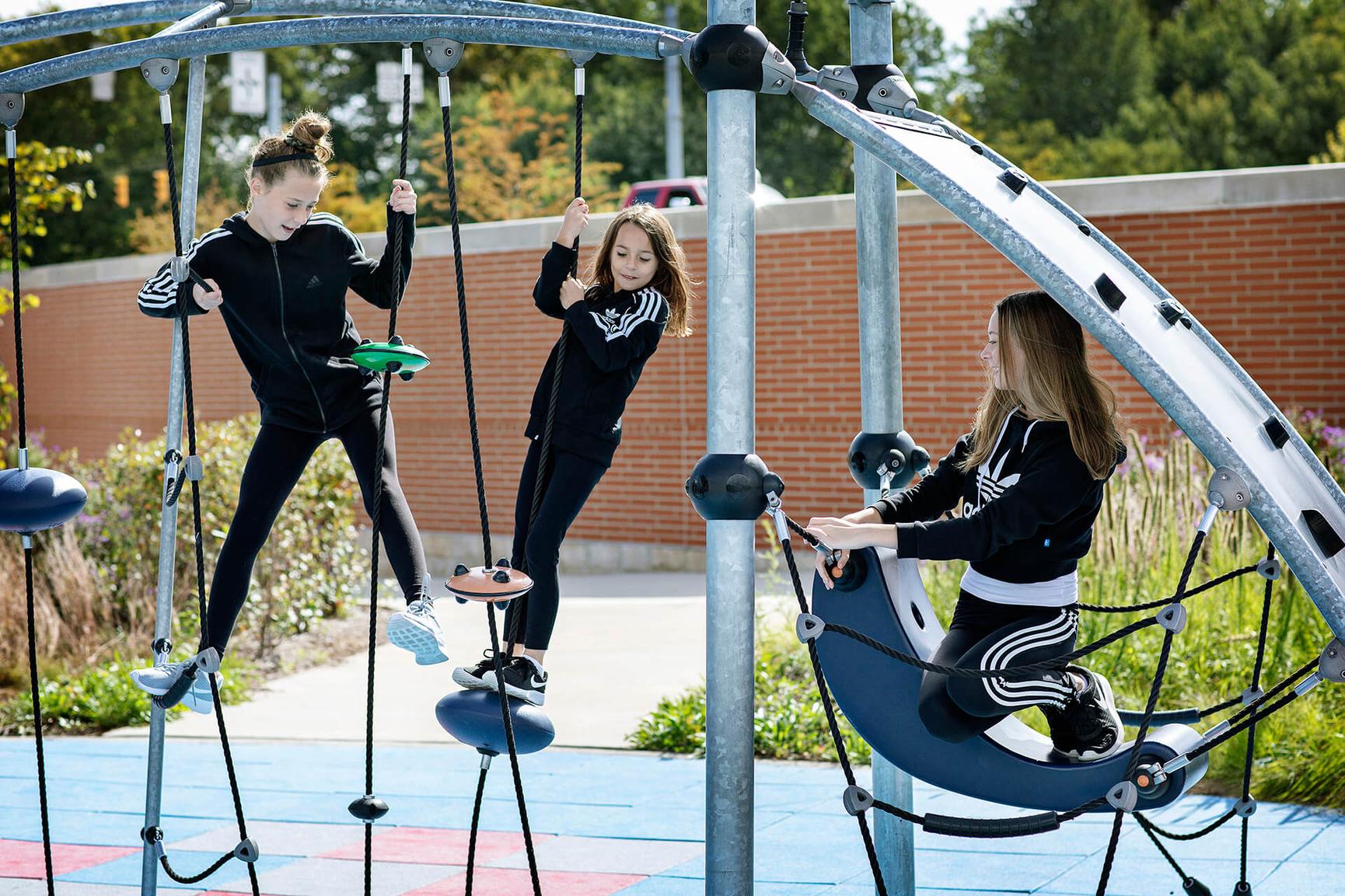
Life skills condensed in play: the dense play challenge of Pavo attracts bigger children immensely. Their urge for physical and social action is rewarded when they start exploring play on Pavo. The climb, cling onto, hang and sway through responding play activities train the bigger children's motor skills ABC: agility, balance and coordination. The Jacob's ladder twists at step three, demanding a change in rhythm, pace and spatial thinking of climbing. This is a great event for bigger childrento enjoy. The Climbing wall offers wall climbing with professional cleats, training dexterity. The wobbly Rocking Tube is a fantastic trainer of muscles and motor skills, such as cross-coordination. Finally,the Play Shell is a swaying place for a social break. The amazing, swaying seat is very attractive and encourages turn-taking skills and socializing.
This product, Pavo (GXY901), is provided by KOMPAN United States.
Length
13' 1"
Width
15' 7"
Height
8' 8"
Safety Zone Length
25' 4"
Safety Zone Width
27' 11"
Age Group
5 - 12 Years
Capacity
12
ADA
Accessible ground level activities
3 (3 Required)
Accessible ground level play types
3 (3 Required)
Product category
Rope & Climbing Playgrounds
Product line
Galaxy™
Product Highlights
Quality That Lasts
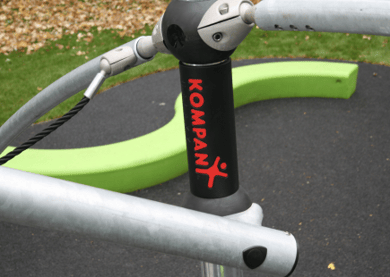
The steel surfaces of GALAXY are hot dip galvanized inside and outside with lead free zinc. The galvanization has excellent corrosion resistance in outside environments and requires low maintenance.
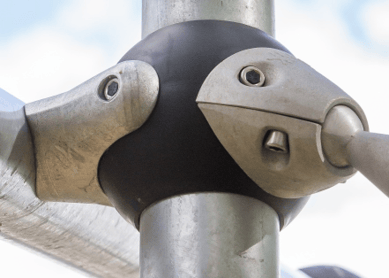
The unique designed GALAXY connection ball is made with an inner circular core of aluminium surrounded by a shell of hard PP with a outer layer of soft TPV rubber. Flexible lead free aluminium connectors allow for installation in variable angles.
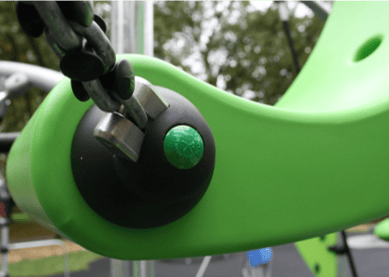
Larger activities are made of 100% recyclable PE. The play shell displayed is molded in one piece with a minimum 5mm wall thickness. PE has high impact resistance across a wide temperature span which ensures vandal resistance in all locations.
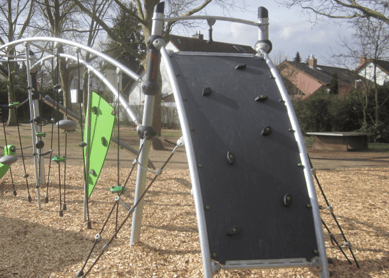
The curved climbing wall is made of a steel frame supported Ekogrip® panel with unique designed climbing cleats. The Ekogrip® panel consist of a 15mm thick PE base with 3 mm top-layer of rubber with a non-skid effect.
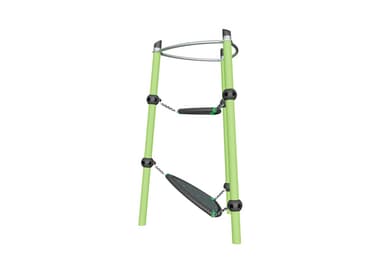
Colored steel components has a base of hot dip galvanization and a powder coated top finish. This provides an ultimate corrosion resistance in all climates around the world.
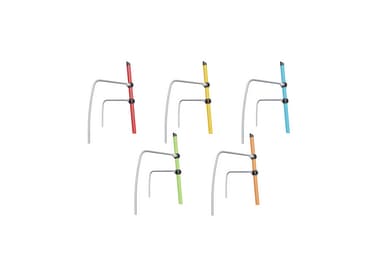
Galaxy products are available in different color combinations with either hot dip galvanized steel surface treatment or optional with powder top finish of selected steel components. Colors of the activities are adjusted to support the individual color combination.
Play Activities

Balance
1

Climb
4

Glide
1

Pull
1

Sensory
6

Socialize
6

Sway
1

Wonder
1
Each play activity represents a type of play experience, such as balancing, social interaction, climbing, or sensory exploration. The number indicates how many opportunities the product offers for children to engage in that activity. Together, these activities help create a varied and developmentally rich play experience.
CO₂ emission
Sustainability Data
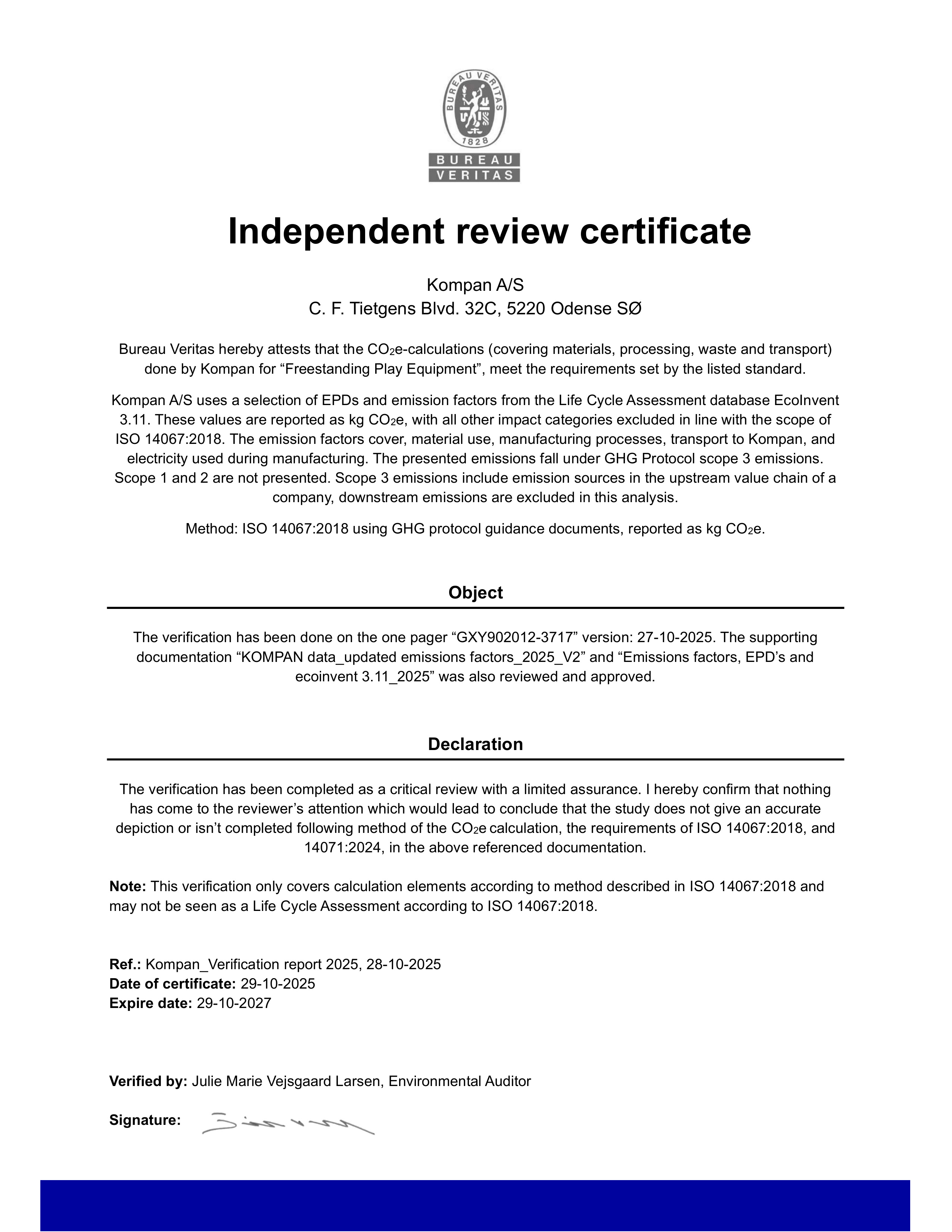
Our product and sustainability data validation help customers make informed sustainable buying choices based on methods validated by Bureau Veritas.
GXY901012-3717
1713.98
Total CO₂ emission (kg CO₂e)
5.21
CO₂e/kg (kg CO₂e/kg)
36.86%
Recycled materials
The overall framework applied for these factors is the Environmental Product Declaration (EPD), which quantifies "environmental information on the life cycle of a product and enables comparisons between products fulfilling the same function" (ISO, 2006). This follows the structure and applies a Life-Cycle Assessment approach to the entire Product stage from raw material through manufacturing (A1-A3).