FRO216
Vertical Net/Wall Robinia
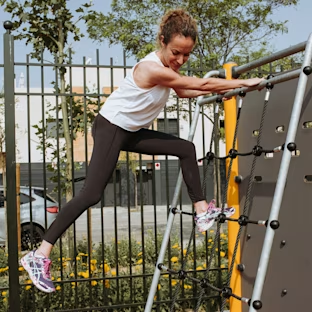
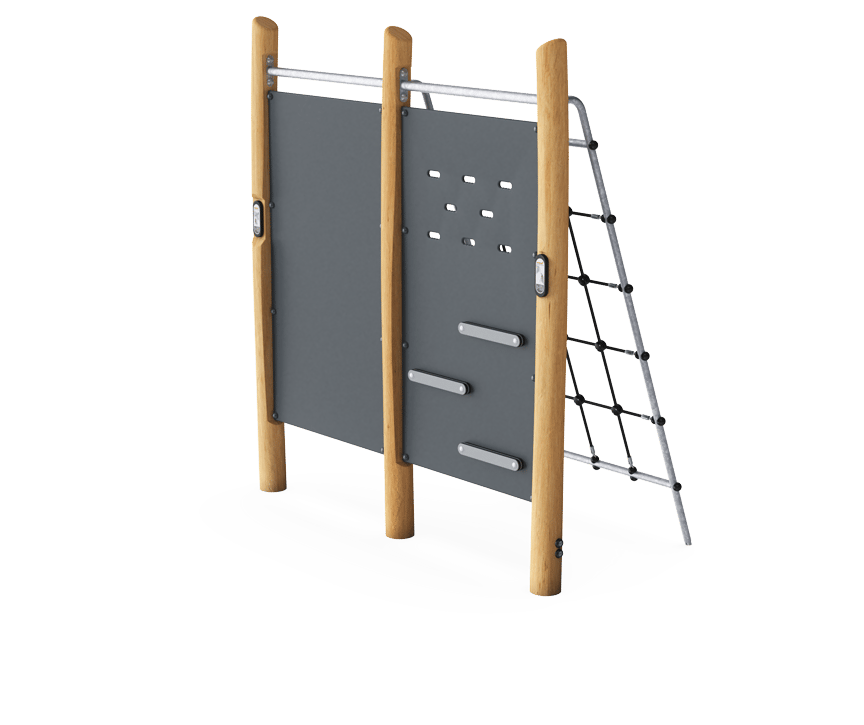
The Vertical Net/Wall Robinia consists of two segments. The left side is a flat wall of almost 8 ft. high, which can be conquered by the fittest. The right side has three steps to...
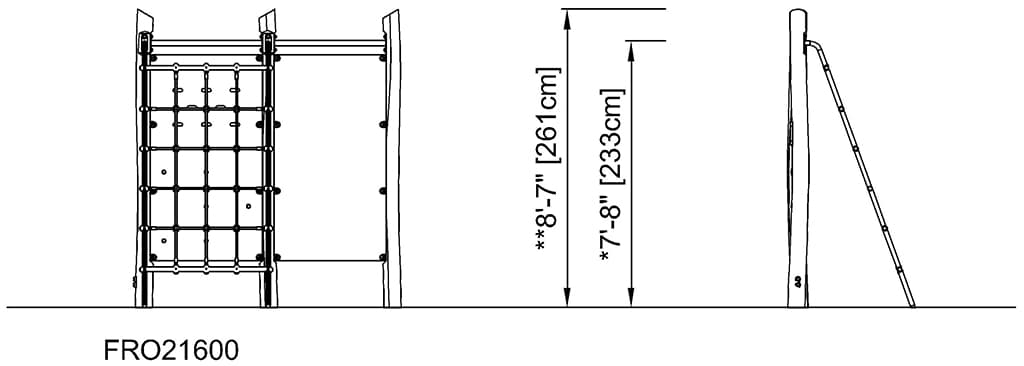
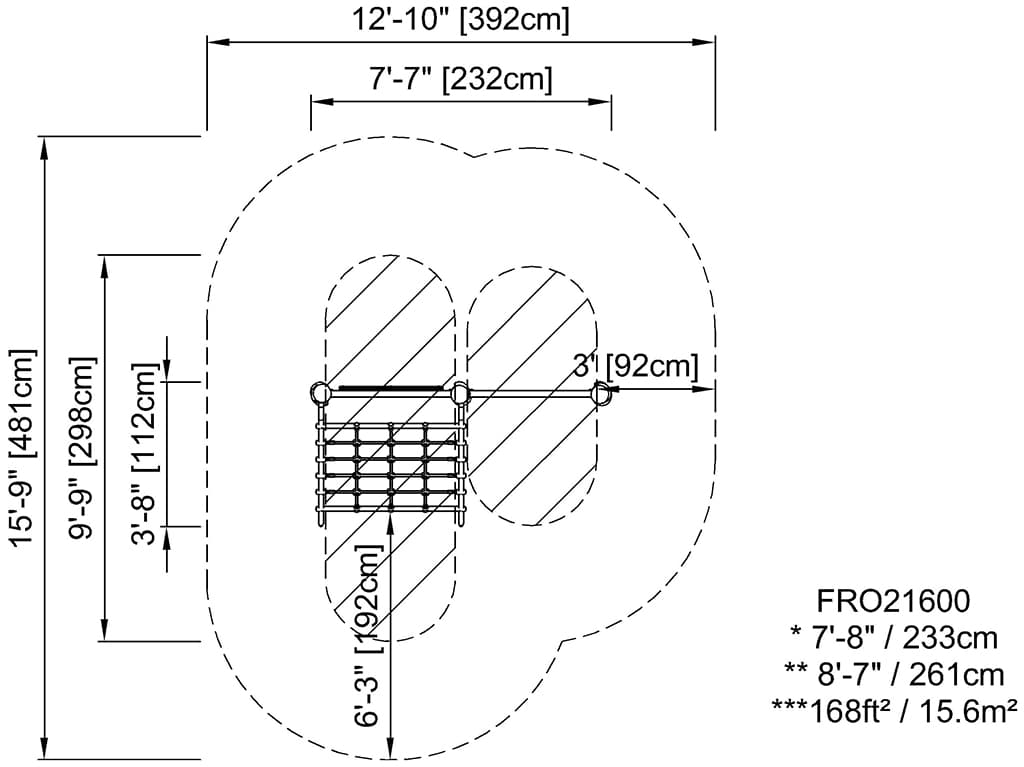
Length
7' 7"
Width
3' 8"
Height
8' 7"
Specifications
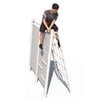
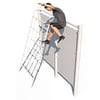
The Vertical Net/Wall Robinia consists of two segments. The left side is a flat wall of almost 8 ft. high, which can be conquered by the fittest. The right side has three steps to assist your feet and eight handles to help you get over the wall. The scalable wall makes it fun for everyone to play or train together. Everyone will develop muscle strength and bone density when jumping over, or even improve their self-esteem if they dare to climb up. The Robinia bars are made from de-barked and sap-free Robinia trunks in various dimensions. Robinia is a native European wood species with high strength and natural durability in various climatic conditions. KOMPAN uses wood from FSC-certified sources.
This product, Vertical Net/Wall Robinia (FRO216), is provided by KOMPAN United States.


Key Features

All Organic Robinia products by KOMPAN are made of Robinia wood from sustainable European sources. On request it can be supplied as FSC® Certified (FSC® C004450).

The Robinia wood can be supplied as untreated raw wood or painted with a brown colored transparent pigment that maintains the golden wood color of the wood.

All KOMPAN fitness products are compliant with the ASTM F3101 & EN16630 Outdoor Fitness Standards. Load tests are performed as a static test by adding dynamic factors as well as safety factors to the specified load of 78kg per user. A product intended for 1 user is loaded with 420kg.

The wall surface is made of 17.8mm thick High Pressure Laminate (HPL) panels to ensure optimal strength and durability.

The ropes are made of UV-stabilised PES with inner steel cable reinforcement. The rope is induction treated in order to create a strong connection between steel and rope which leads to good wear resistance.
CO₂ emission
Sustainability Data
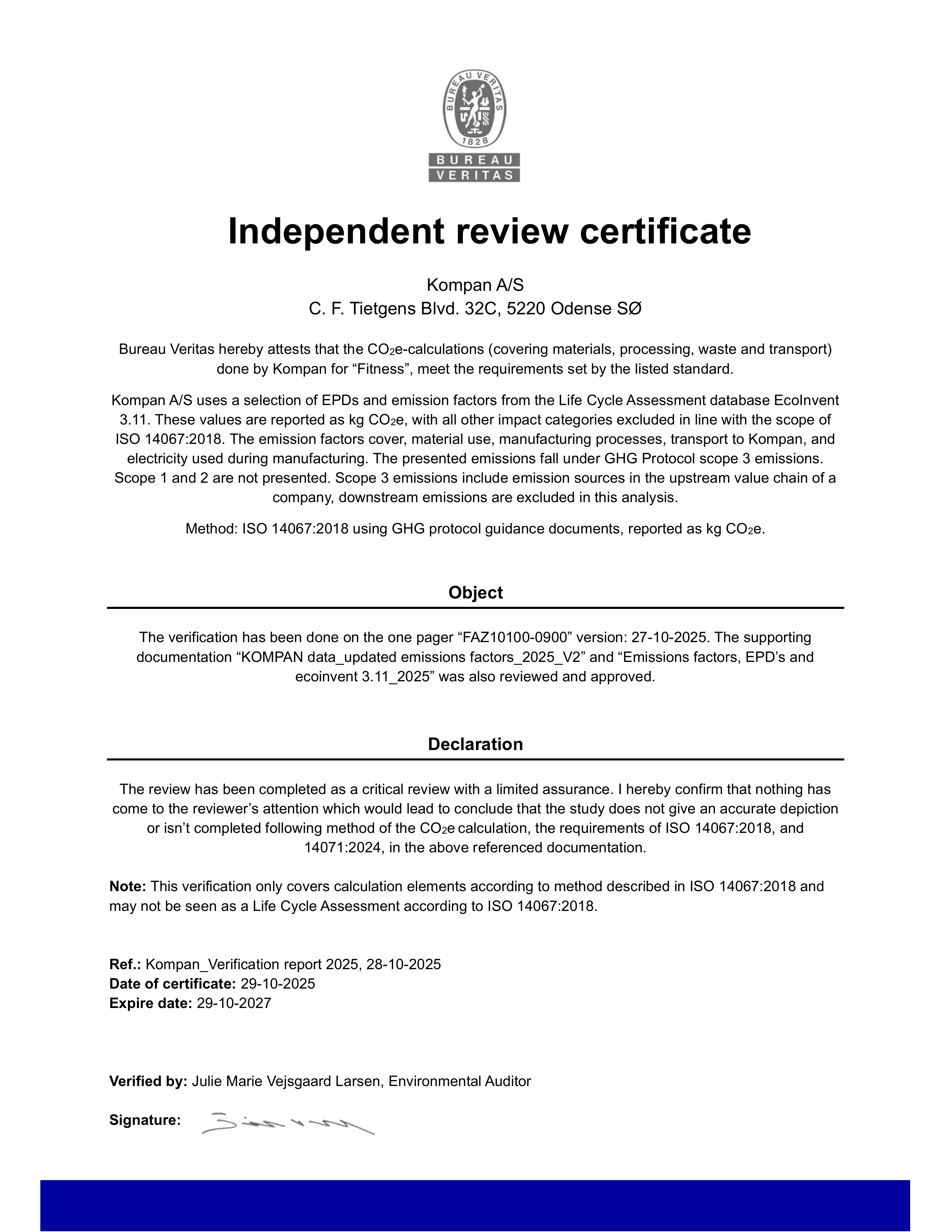
Our product and sustainability data validation help customers make informed sustainable buying choices based on methods validated by Bureau Veritas.
FRO21600-1001
590.97
Total CO₂ emission (kg CO₂e)
1.99
CO₂e/kg (kg CO₂e/kg)
6.62%
Recycled materials
The overall framework applied for these factors is the Environmental Product Declaration (EPD), which quantifies "environmental information on the life cycle of a product and enables comparisons between products fulfilling the same function" (ISO, 2006). This follows the structure and applies a Life-Cycle Assessment approach to the entire Product stage from raw material through manufacturing (A1-A3).

TENDER TEXT SPECIFICATIONS
Looking for tender specification texts?
Do you want to include this specific product in your project, and are you looking for detailed material information to help you specify? We have all the documentation you need. Fill out this form, and we will contact you with the relevant information you need.
How can we help you?
If you have any questions regarding this specific product or your project, we are here to help!