NRC60201
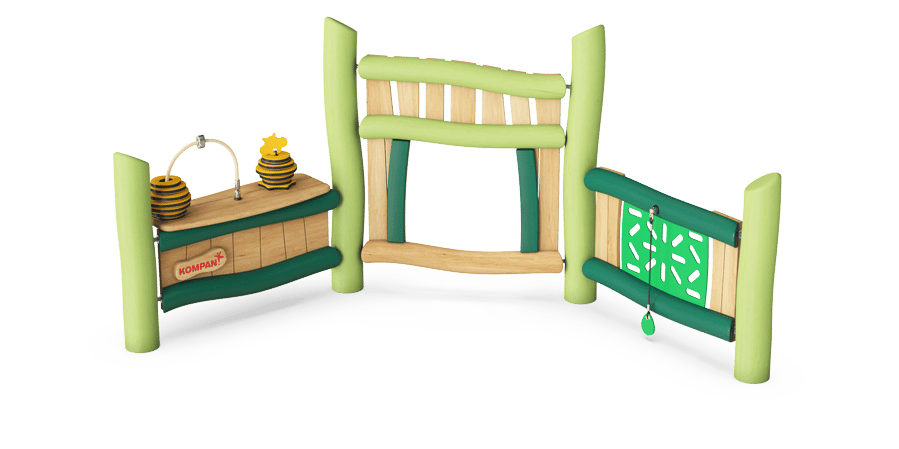
Triple Wonder Play Panel
Age Group
2 - 5 Years
Capacity
6
Product category
NRC60201
Triple Wonder Play Panel
Specifications
Triple Wonder Play Panel
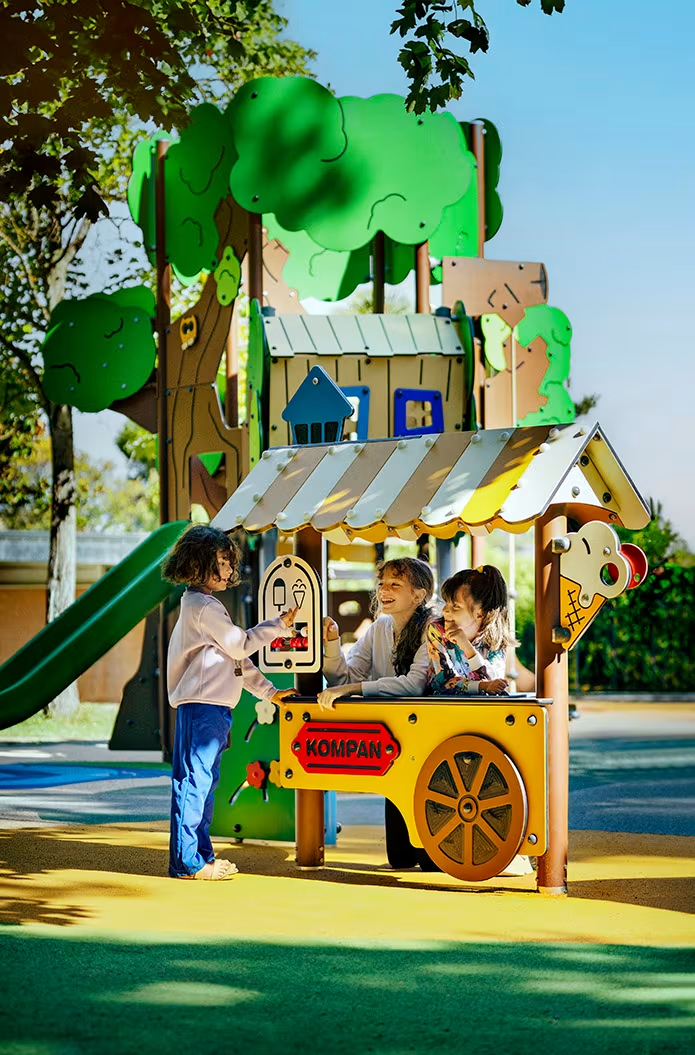
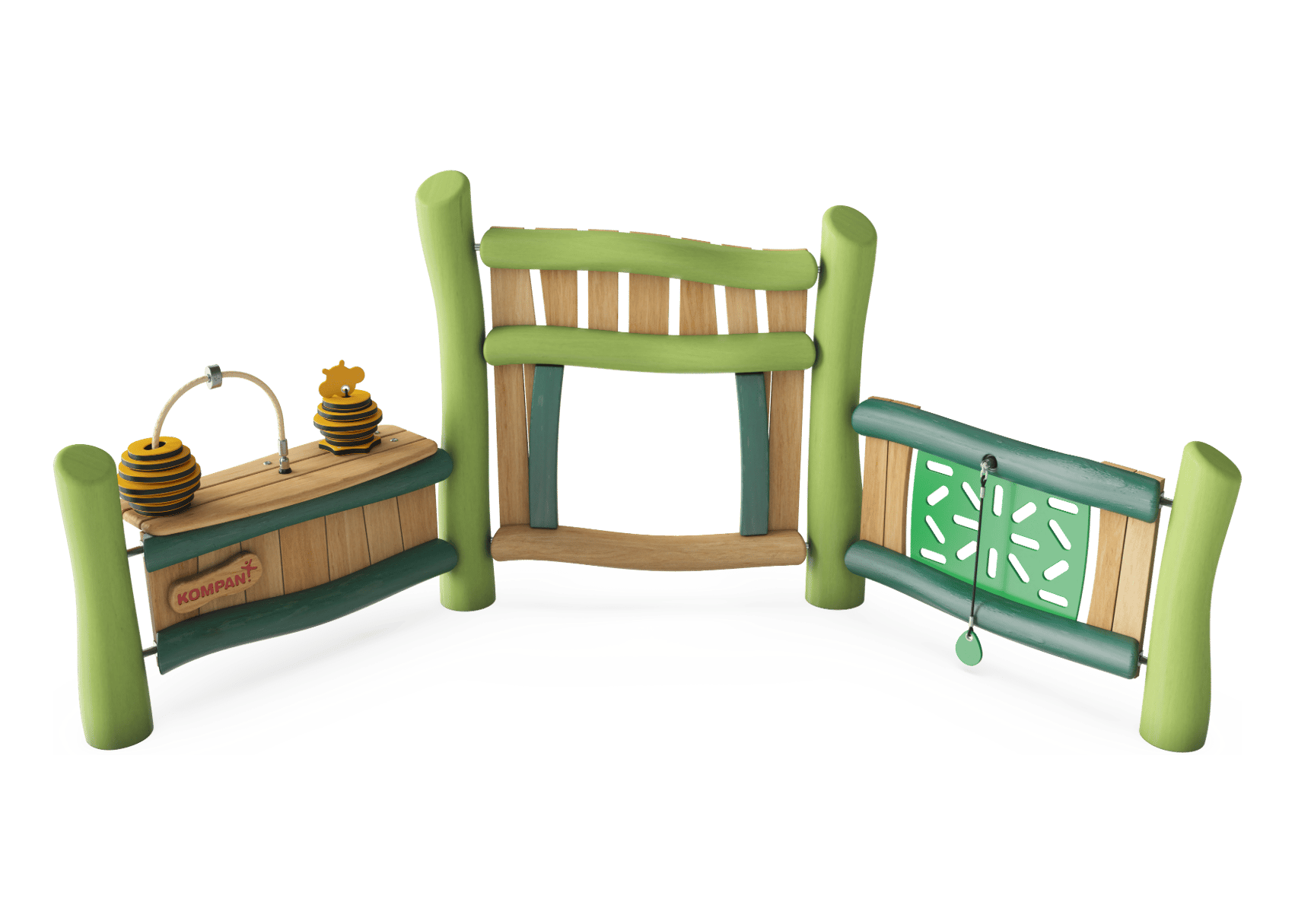
The versatile construction play activities of the Triple Wonder Play Panel attract children to play again and again. The midsection invites crawling through, training cross-coordination. The Beehive panel’s two stacking piles invite parallel play. The crisp sound and smooth tactility of the stacking stones attract toddlers and train their fine motor and thinking skills. The sewing panel appeals to 2 – 8-year-olds with construction and creative play: children can cooperate and make sewing patterns and eventually play rules games on the sewing panel. Besides supporting social skills such as turn-taking and cooperation, the sewing panel stimulates creativity and logical thinking. The possibility of playing on two sides supports toddlers’ theory of mind and their ability to empathize, take turns, and make friends.
This product, Triple Wonder Play Panel (NRC60201), is provided by KOMPAN United States.
Length
9' 1"
Width
3' 1"
Height
4' 4"
Age Group
2 - 5 Years
Capacity
6
Inclusive
No
Product category
Nature Playgrounds
Product line
Robinia Themed Play
Product Highlights
Quality that lasts
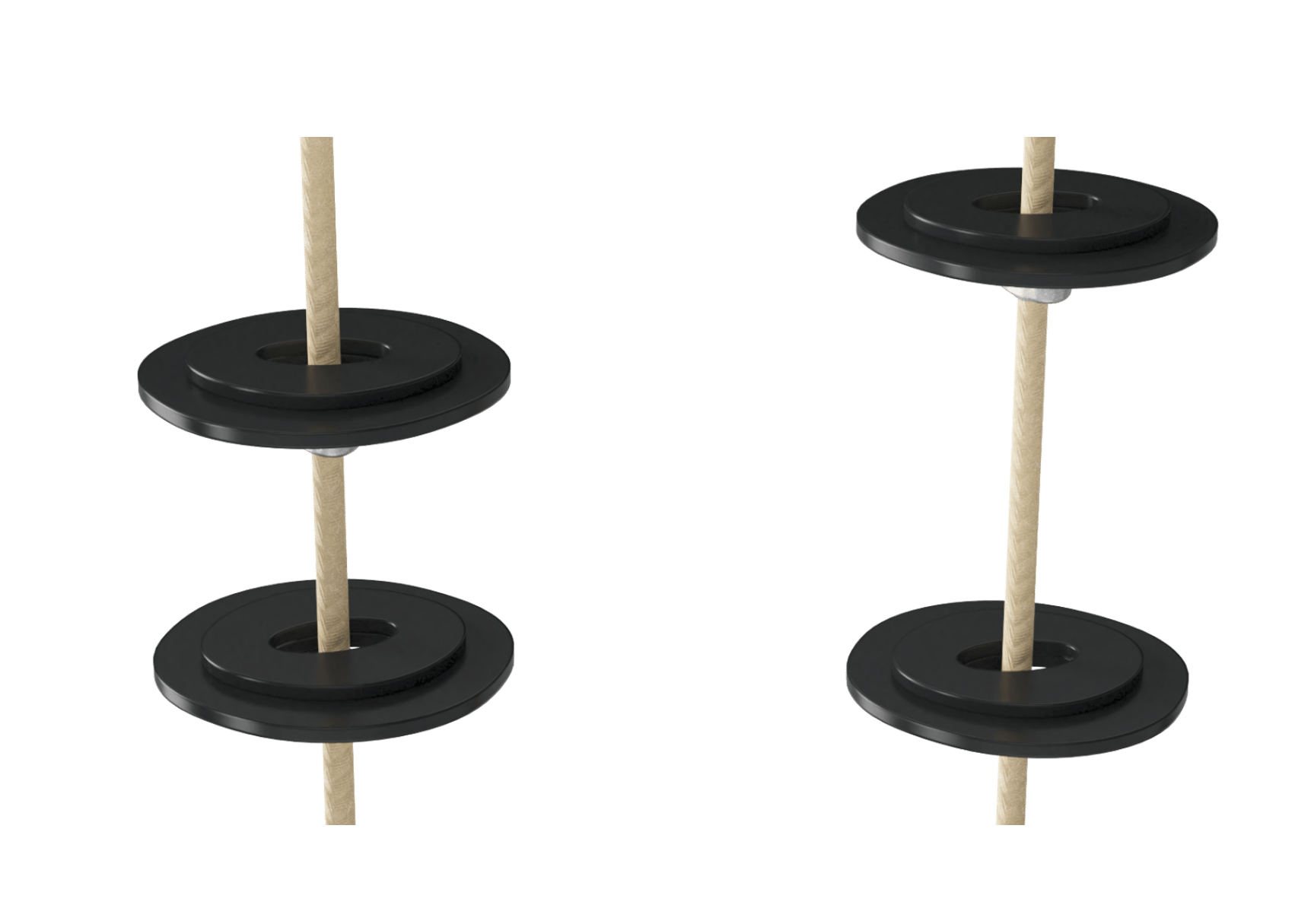
Ropes of UV-stabilized PES rope strands with inner-steel cable reinforcement. The EcoYarn™ polyester yarn is made of +95% post-consumer recycled waste in the yarn for all colors and is inductively melted onto each strand to obtain excellent wear and tear resistance.
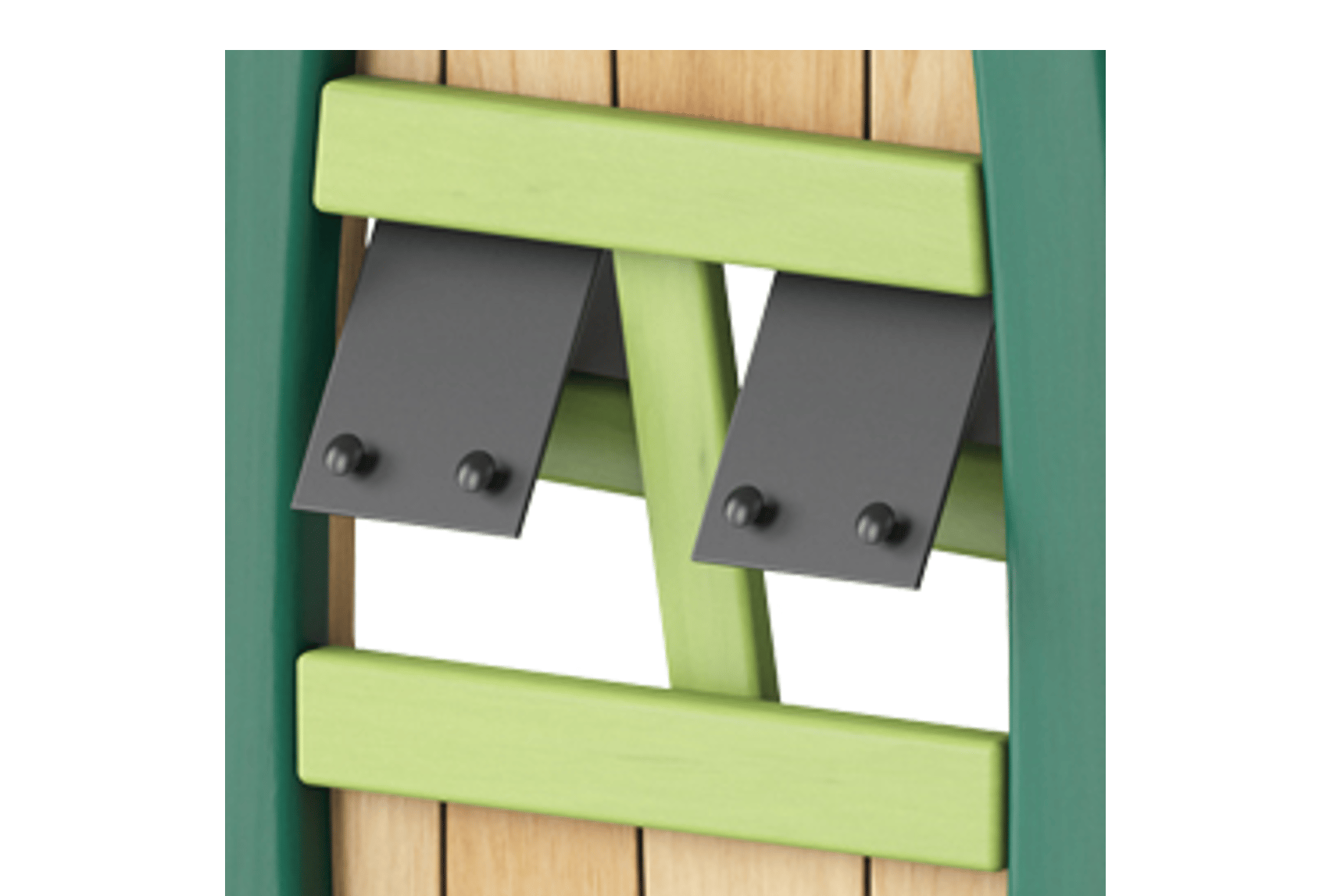
Corocord membranes consist of friction-proof rubberized material of conveyor belt quality with excellent UV resistance. Tested and compliant with REACH requirements for PAH. Embedded is a four-layered armoring made of woven polyester. The armoring and the two surface layers result in a total thickness of 8mm.
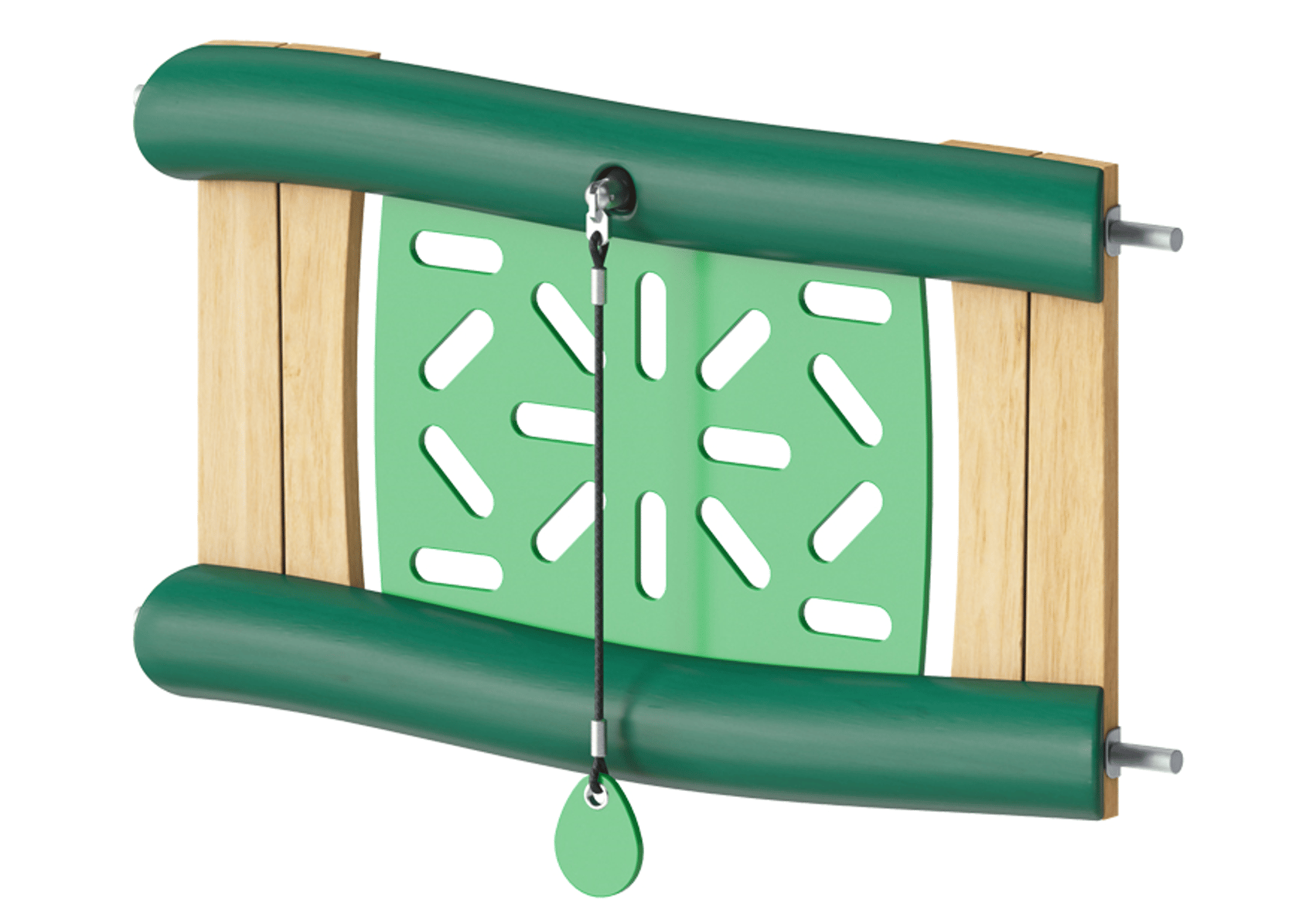
Panels of 19mm EcoCore™. EcoCore™ is a highly durable, eco-friendly material, which is not only recyclable after use but also consists of material produced from +95% recycled post-consumer material from food packing waste.
All Organic Robinia products by KOMPAN are made of Robinia wood from sustainable European sources. On request it can be supplied as FSC® Certified (FSC® C004450).
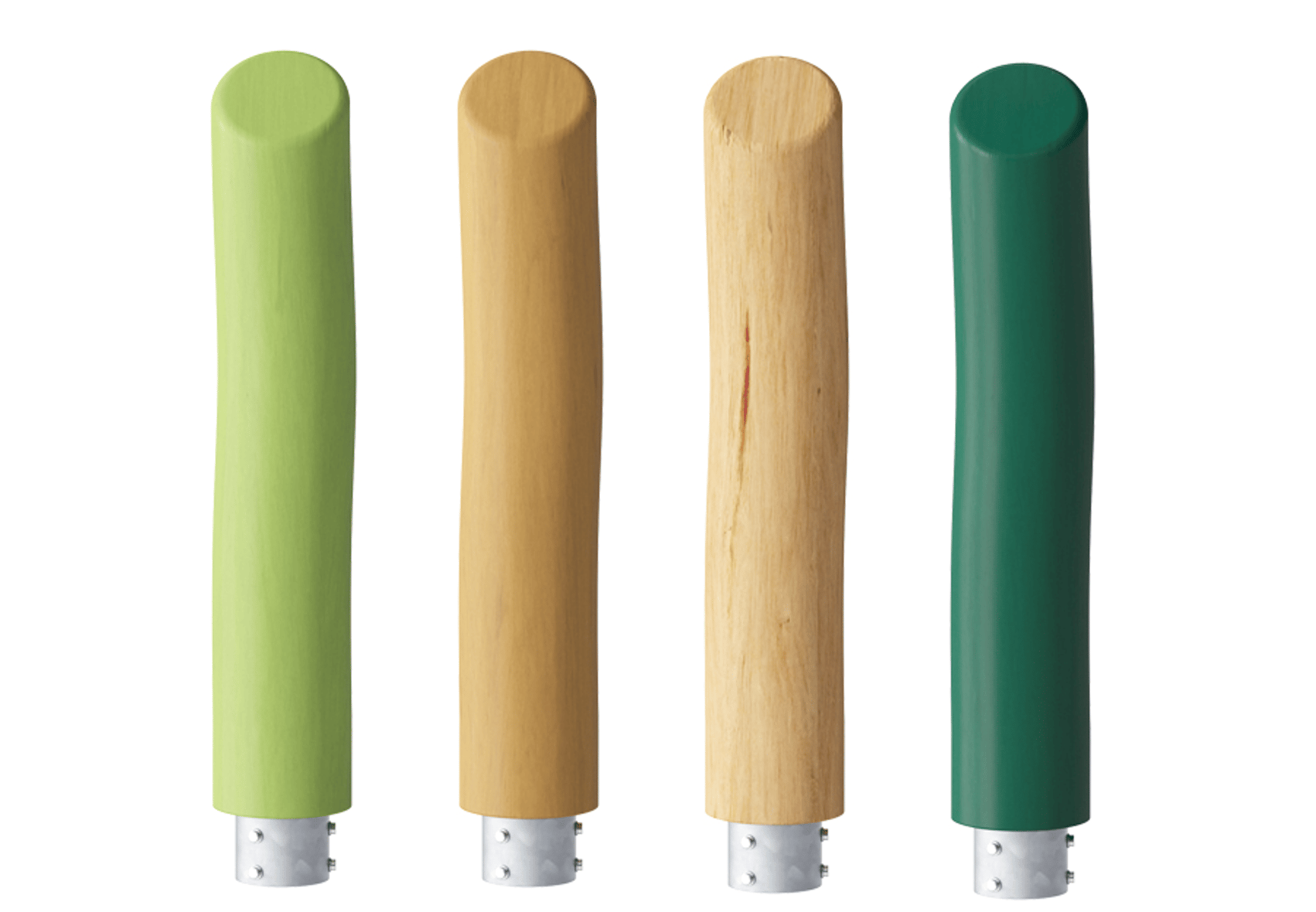
Transparent brown pigmented and colored parts are coated with water-based paint and environmentally friendly pigment with excellent UV resistance. The paint and pigment comply with EN 71 Part 3.
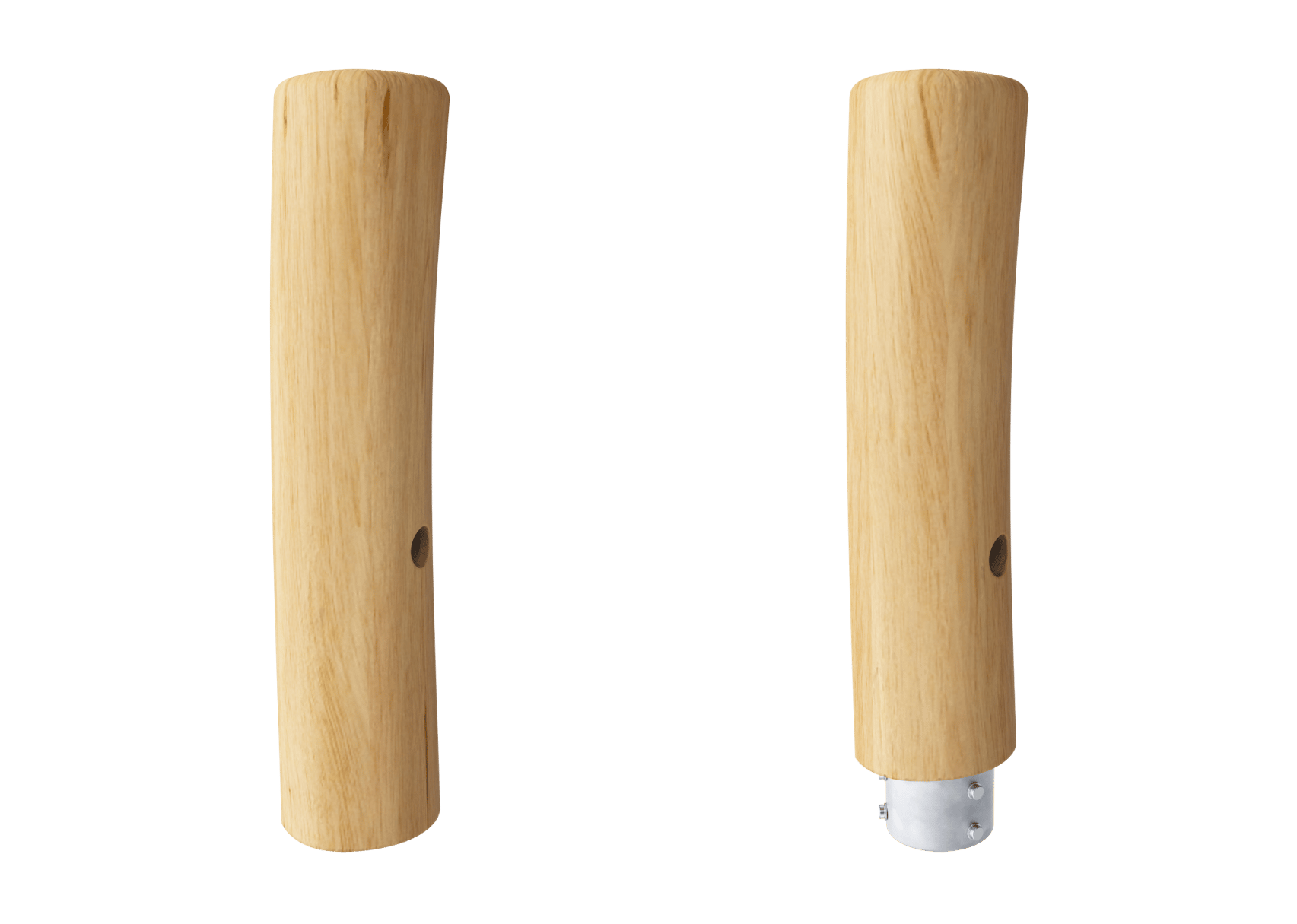
There are Multiple footing options for all products: Surface anchoring with steel footings and expansion bolts. Wood in-ground or steel in-ground footings.
Play Activities

Crawl
1

Construct
27

Sensory
5

Socialize
3

Wonder
2

Rules play
1
Each play activity represents a type of play experience, such as balancing, social interaction, climbing, or sensory exploration. The number indicates how many opportunities the product offers for children to engage in that activity. Together, these activities help create a varied and developmentally rich play experience.
CO₂ emission
Sustainability Data
Our product and sustainability data validation help customers make informed sustainable buying choices based on methods validated by Bureau Veritas.
NRC60201-1021
138.52
Total CO₂ emission (kg CO₂e)
0.55
CO₂e/kg (kg CO₂e/kg)
3.26%
Recycled materials
The overall framework applied for these factors is the Environmental Product Declaration (EPD), which quantifies "environmental information on the life cycle of a product and enables comparisons between products fulfilling the same function" (ISO, 2006). This follows the structure and applies a Life-Cycle Assessment approach to the entire Product stage from raw material through manufacturing (A1-A3).