SW990022
Baby Seat, 7 ft
Age Group
1+ Years
Capacity
1
Product category
SW990022
Baby Seat, 7 ft
Specifications
Baby Seat, 7 ft
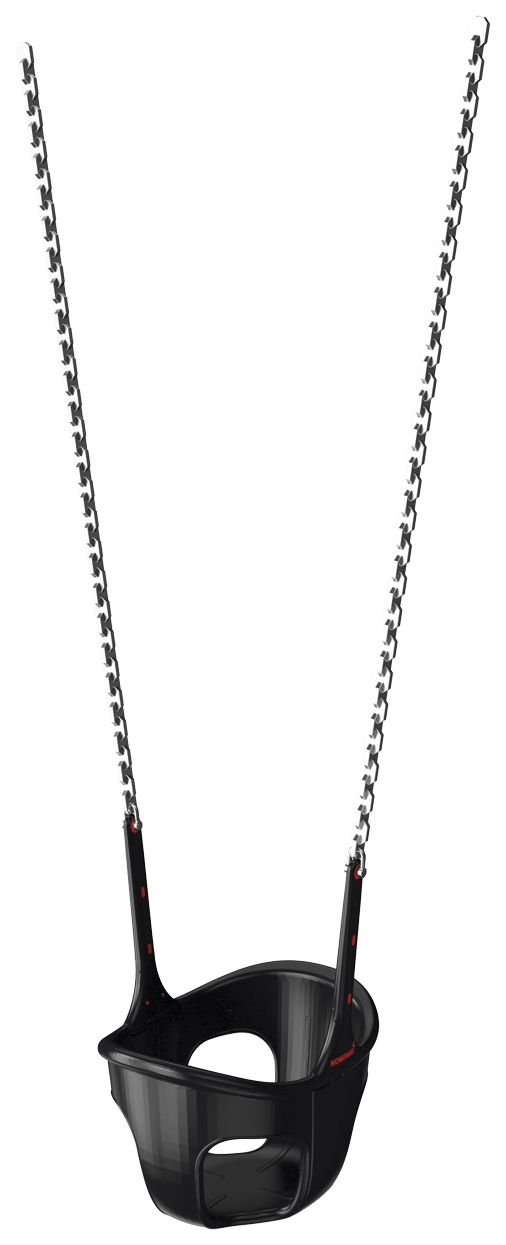
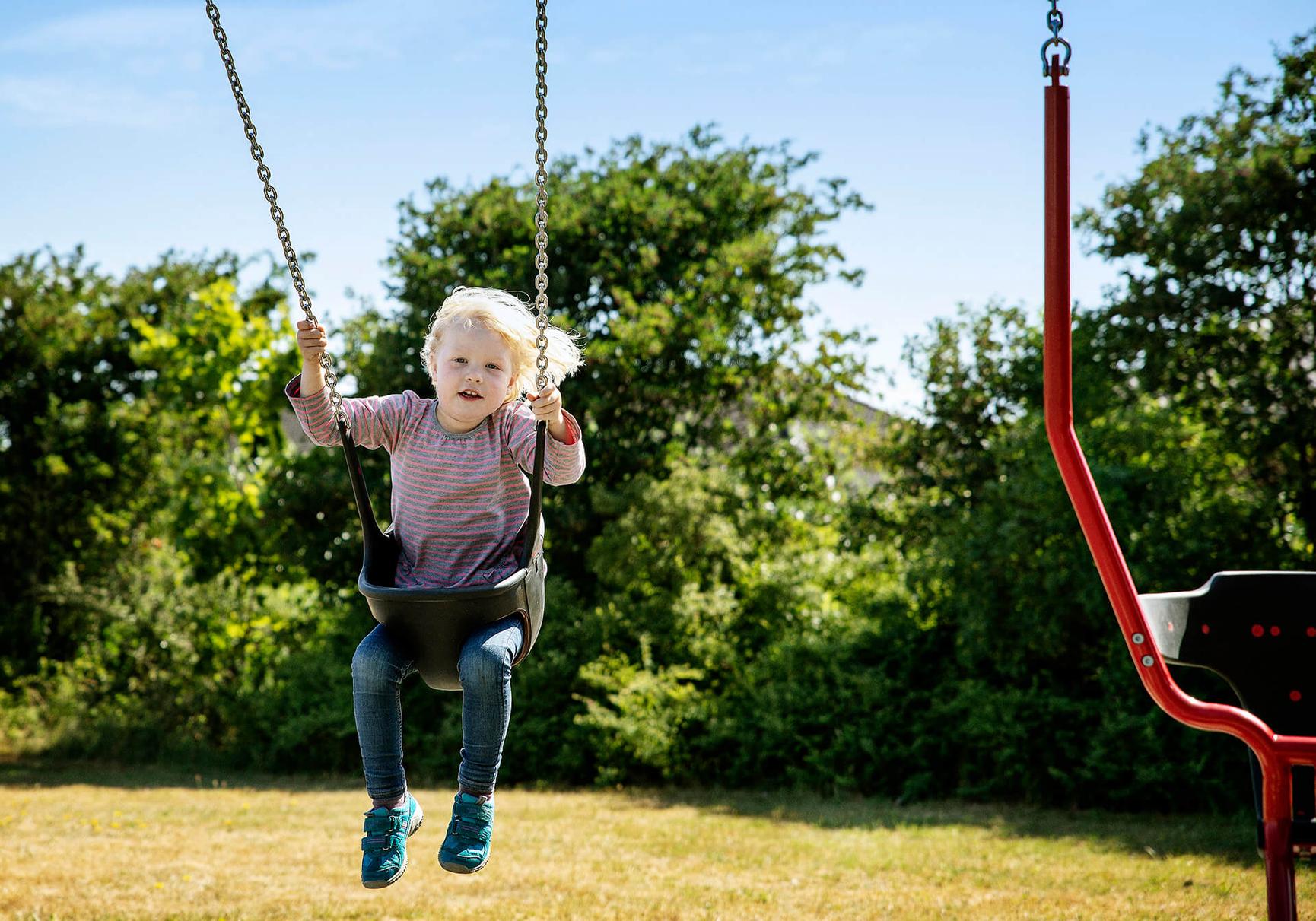
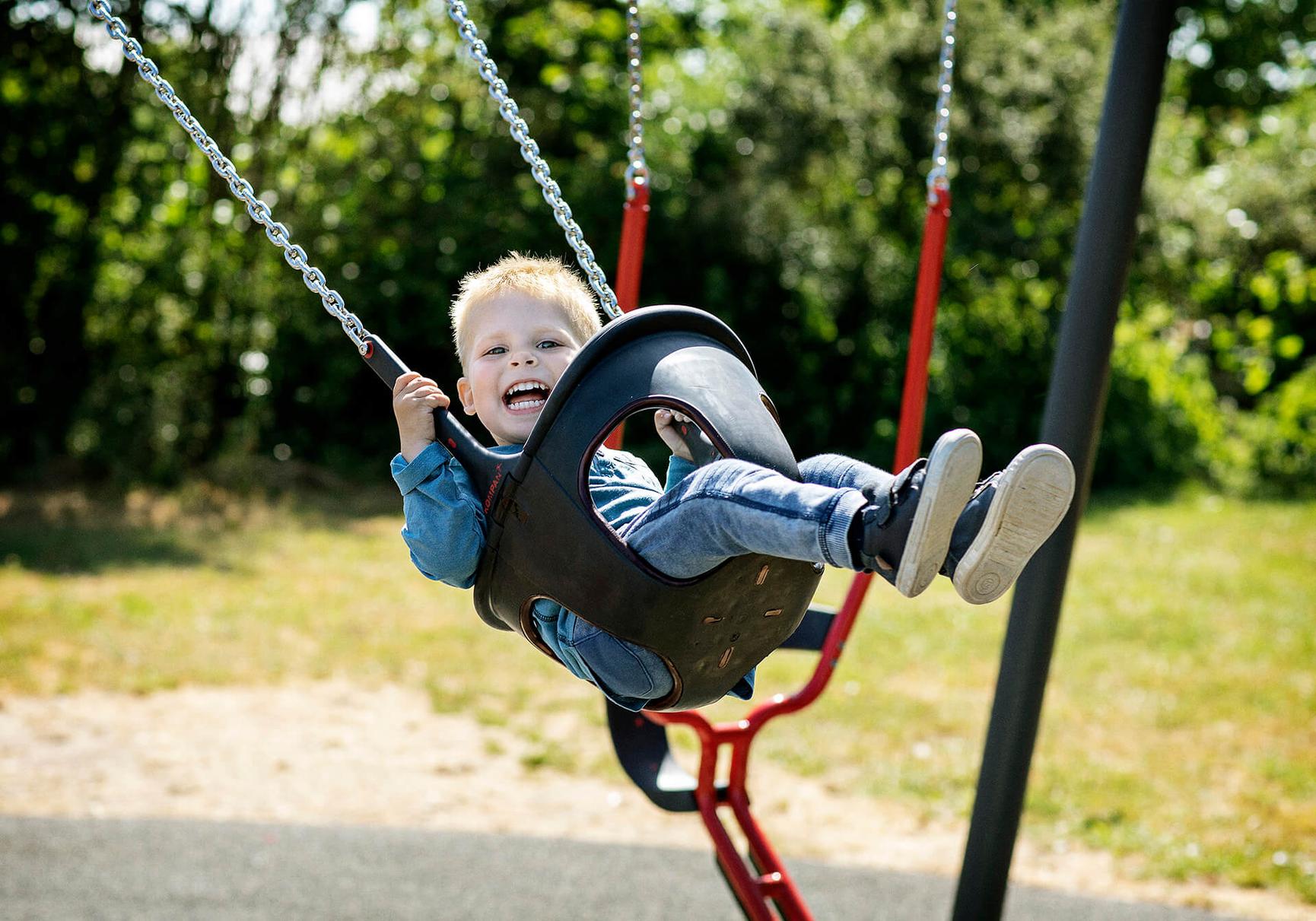
The sturdy baby seat of the Baby Seat Swing is an irresistible invitation for infants and their caregivers. The swinging motion of the Baby Seat Swing will make infants want to go again and again. There are several benefits of the attraction: firstly, the swing seat supports the seated infant all around so that the feeling of security is guaranteed. Secondly, the rubber seat is placed in a good height for the infant to be at eye level with children. The swinging motion trains the child’s motor skills, specifically the sense of balance and space. Sitting up while swinging also trains the core muscles. All of these physical skills are fundamental to the infants ability to walk and navigate surroundings securely. The action also stimulates the understanding of cause and effect and thinking skills. Socially, swinging and being pushed in the swing seat by parents, caregivers or siblings is great fun.
This product, Baby Seat, 7 ft (SW990022), is provided by KOMPAN United States.
Length
2' 1"
Width
1' 3"
Height
4' 7"
Safety Zone Length
6' 9"
Safety Zone Width
19' 4"
Age Group
1+ Years
Capacity
1
Inclusive
No
Product category
Classic Freestanding Play Equipment
Product line
Classic Freestanding Play Equipment
Product Highlights
Quality that lasts
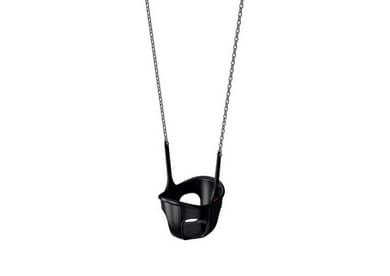
The baby seat is a two component seat with a PP inner core and outside rubber, produced in one operation. The seat is available with swing chains of either hot dip galvanized steel or stainless steel.
Play Activities

Balance
1

Sensory
2

Swing
1
Each play activity represents a type of play experience, such as balancing, social interaction, climbing, or sensory exploration. The number indicates how many opportunities the product offers for children to engage in that activity. Together, these activities help create a varied and developmentally rich play experience.
CO₂ emission
Sustainability Data
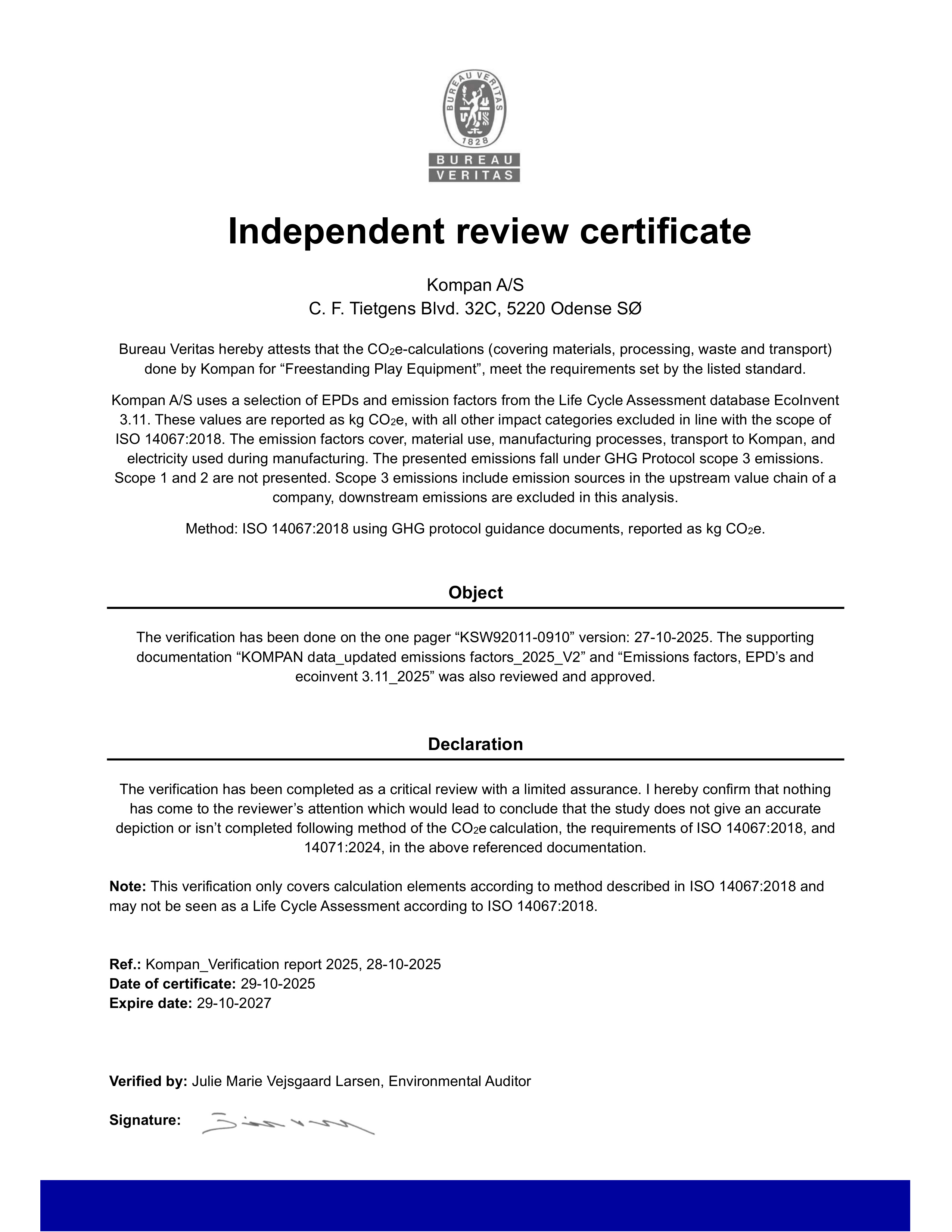
Our product and sustainability data validation help customers make informed sustainable buying choices based on methods validated by Bureau Veritas.
SW990022-00
22.13
Total CO₂ emission (kg CO₂e)
4.95
CO₂e/kg (kg CO₂e/kg)
17.94%
Recycled materials
The overall framework applied for these factors is the Environmental Product Declaration (EPD), which quantifies "environmental information on the life cycle of a product and enables comparisons between products fulfilling the same function" (ISO, 2006). This follows the structure and applies a Life-Cycle Assessment approach to the entire Product stage from raw material through manufacturing (A1-A3).