PCM52931
Hangout Tree with Hideaway
Age Group
5 - 12 Years
Capacity
21
Product category
PCM52931
Hangout Tree with Hideaway
Specifications
Hangout Tree with Hideaway
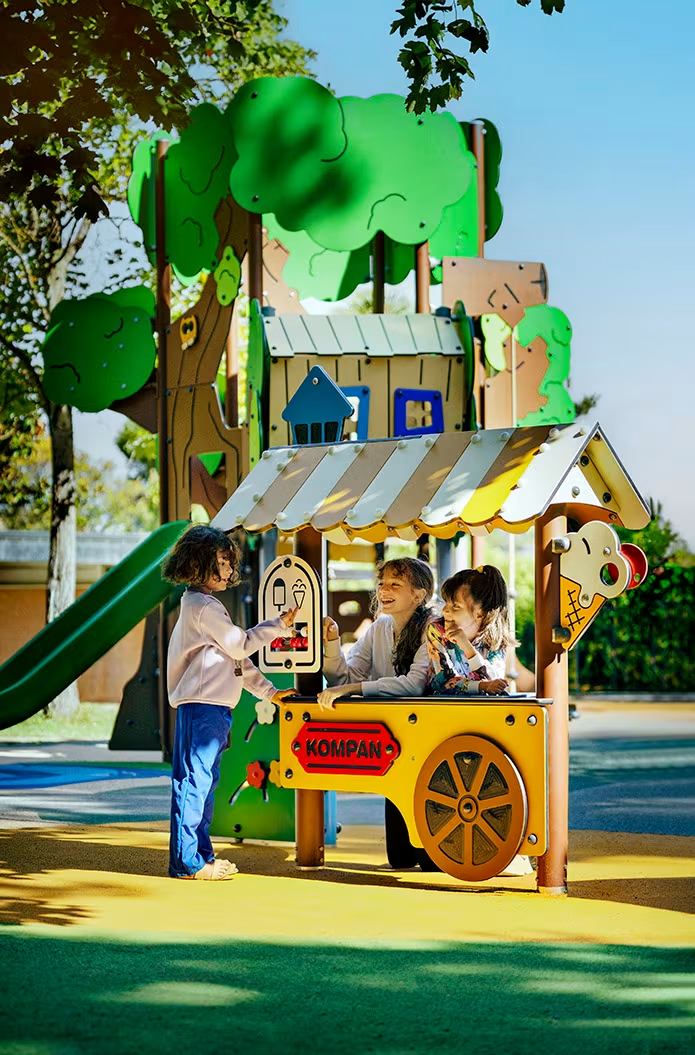
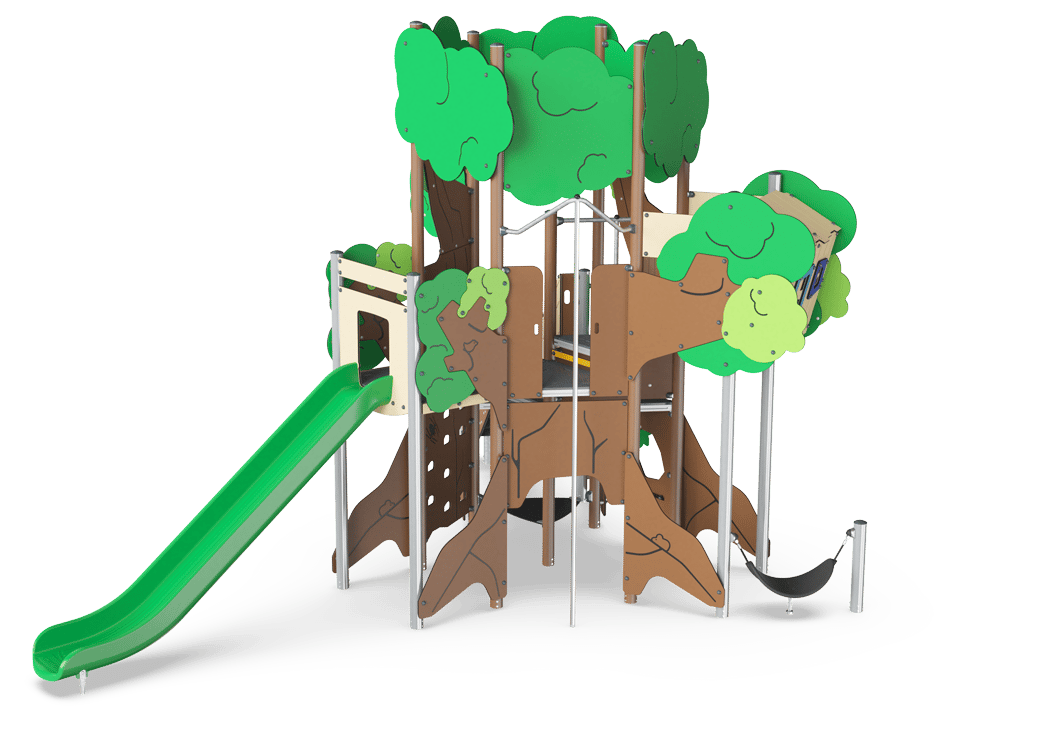
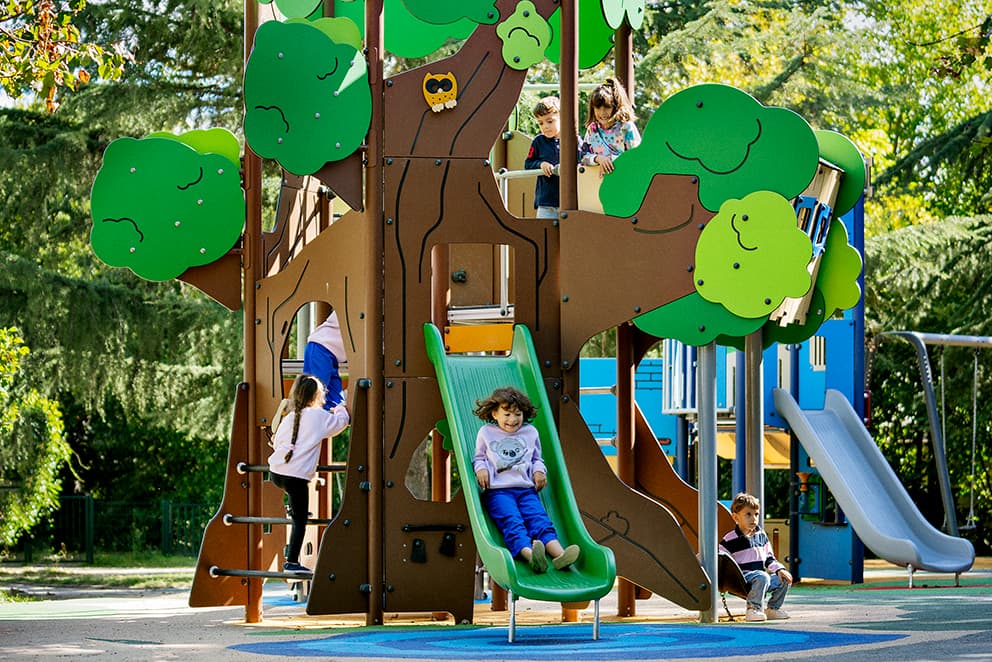
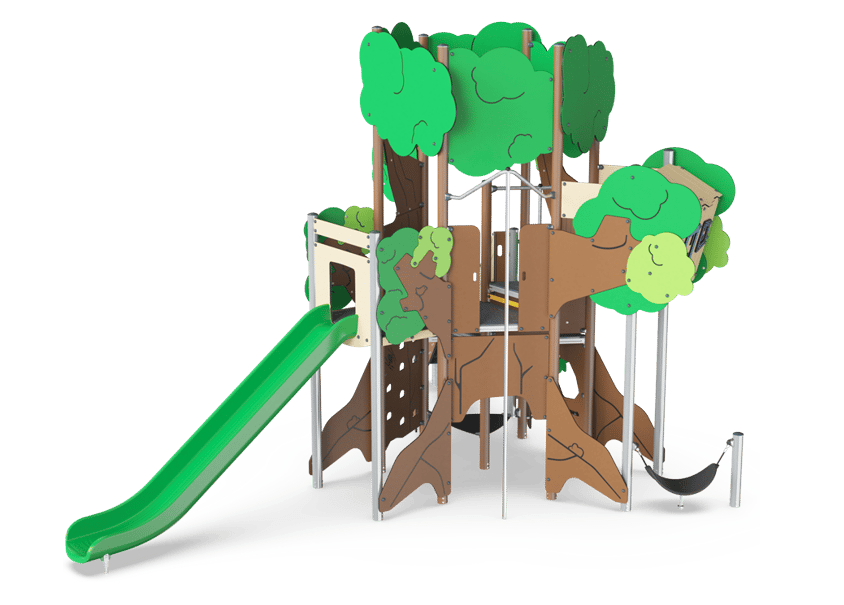
The Hangout Tree with Hideaway is an intriguing play unit which attracts children to play over and over. The beautiful tree offers fun climbing and social play options: children can access the platform with slide either by taking the stairs or the climbing wall. The height of the platform makes for an attractive play destination and lookout. Climbing is a favourite play activity, and it trains children's cross-coordination and muscles and builds fundamental movement skills that positively affect cross-modal perception and learning. Sliding, apart from being a thrill, trains children's sense of balance and space, as well as their core muscles. At and under the play platform of the Hangout Tree with Hideaway, nice, varied hammocks invite socialising and offer a break from climbing.
This product, Hangout Tree with Hideaway (PCM52931), is provided by KOMPAN United States.
Length
18' 9"
Width
21' 0"
Height
14' 11"
Safety Zone Length
31' 2"
Safety Zone Width
33' 2"
Age Group
5 - 12 Years
Capacity
21
Inclusive
No
Product category
Classic Freestanding Play Equipment
Product line
Moments™ Themed Play
Product Highlights
Quality That Lasts
Panels of 19 mm EcoCore™. EcoCore™ is a highly durable, eco-friendly material, which is not only recyclable after use, but also consists of material produced from +95% recycled post-consumer material from food packing waste.
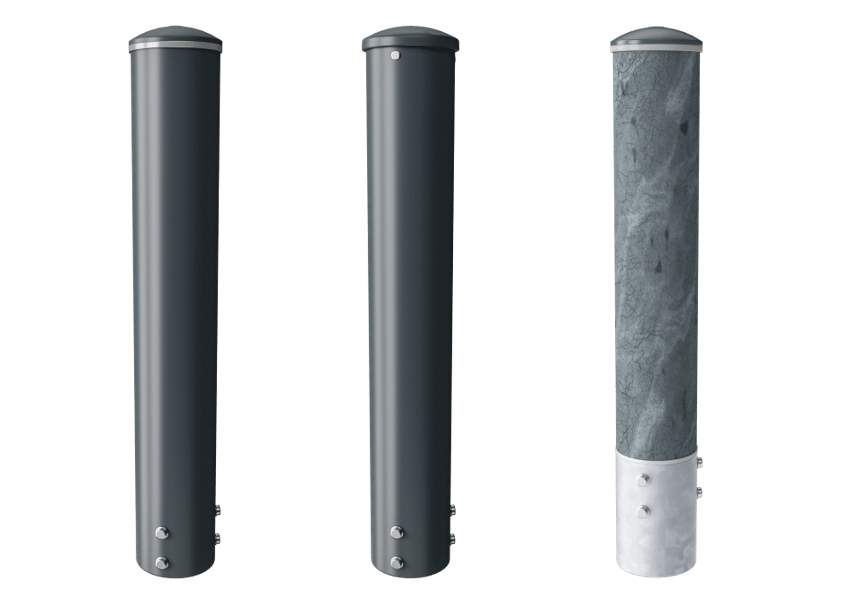
Main posts with hot-dip galvanized steel footings are available in a choice of materials:<br>Pre-galvanized steel posts with a powder-coated finish inside and out<br>Lead-free aluminum posts with a color-anodized finish<br>TexMade posts made from 95% post-consumer recycled polyethylene and textile waste
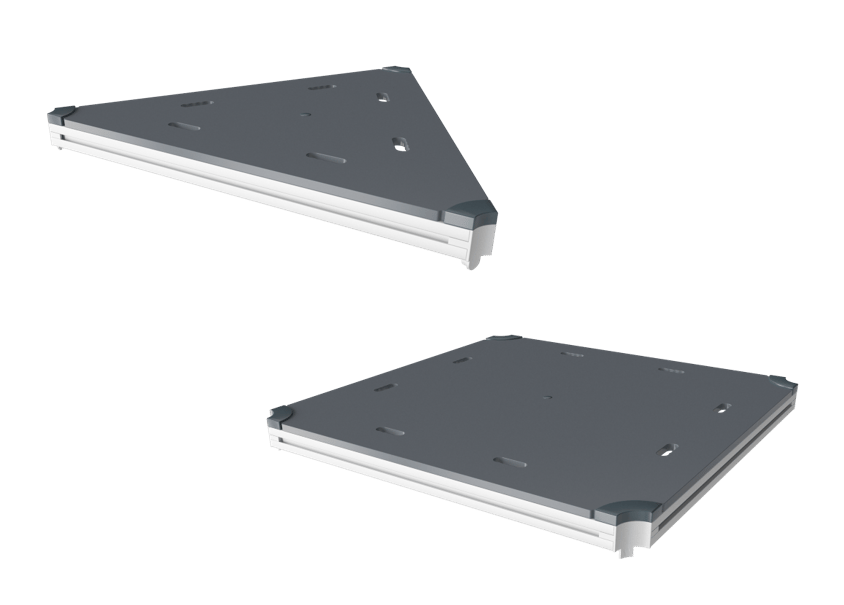
All decks are supported by uniquely designed, low-carbon aluminum profiles with multiple attachment options. The grey-colored molded decks are made of 75% post-consumer waste PP material with a non-skid pattern and texture surface.
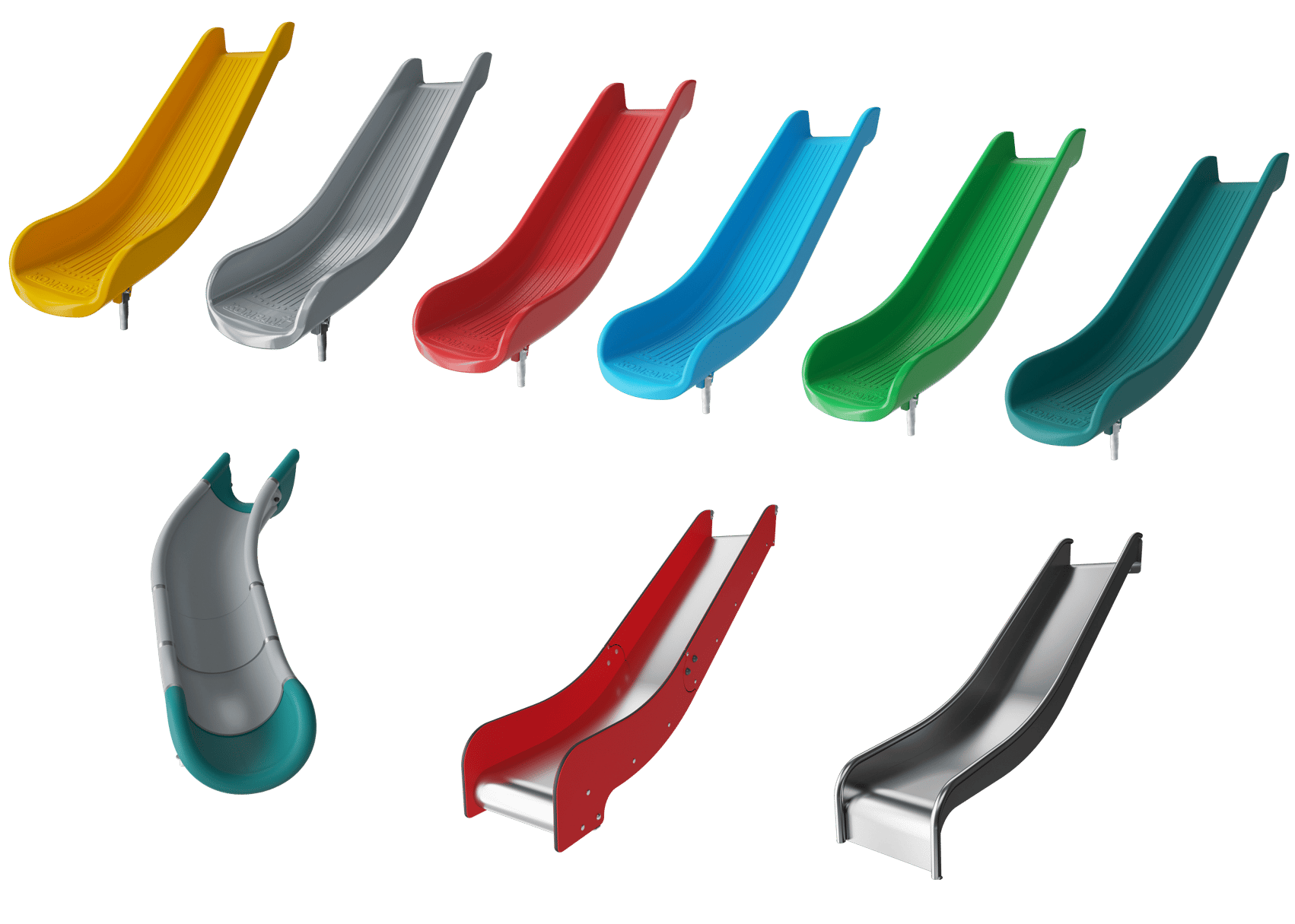
The slides can be chosen in six different colors and three materials: Straight or curved one-piece molded PE slides. Combined EcoCore™ sides and stainless steel. Full stainless steel in a one-piece design for more vandalism-proof solutions.
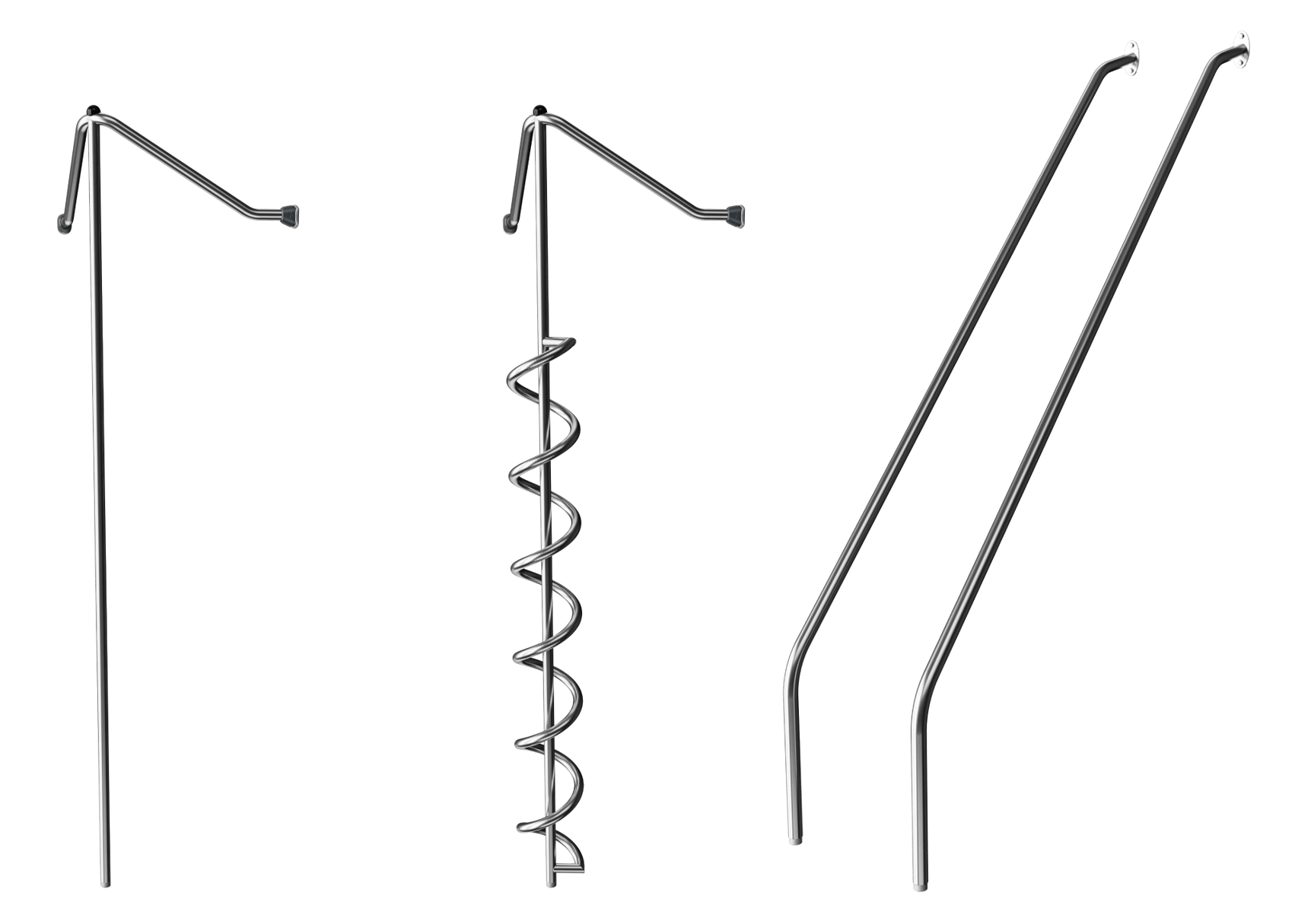
The stainless-steel activities are made of high-quality stainless steel. The steel is cleaned by a total pickling process after manufacturing to ensure a smooth and clean gliding surfaces.
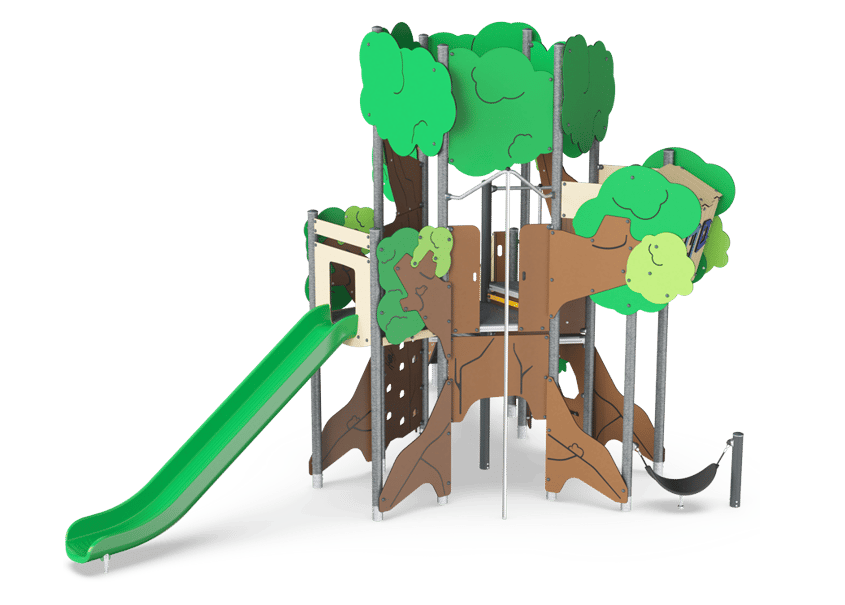
KOMPAN GreenLine versions are constructed with the most environmentally friendly materials with the lowest possible CO2e emission factor. TexMade posts, EcoCoreTM panels of 100% post-consumer recycled ocean waste, and molded PP decks.
Play Activities

Balance
3

Climb
3

Construct
2

Dramatic play
2

Glide
1

Hang in arms
1

Jump
1

Slide
1

Sensory
8

Socialize
8

Sway
2
Each play activity represents a type of play experience, such as balancing, social interaction, climbing, or sensory exploration. The number indicates how many opportunities the product offers for children to engage in that activity. Together, these activities help create a varied and developmentally rich play experience.
CO₂ emission
Sustainability Data
Our product and sustainability data validation help customers make informed sustainable buying choices based on methods validated by Bureau Veritas.
PCM52931-0901
3062.91
Total CO₂ emission (kg CO₂e)
2.54
CO₂e/kg (kg CO₂e/kg)
78.51%
Recycled materials
The overall framework applied for these factors is the Environmental Product Declaration (EPD), which quantifies "environmental information on the life cycle of a product and enables comparisons between products fulfilling the same function" (ISO, 2006). This follows the structure and applies a Life-Cycle Assessment approach to the entire Product stage from raw material through manufacturing (A1-A3).