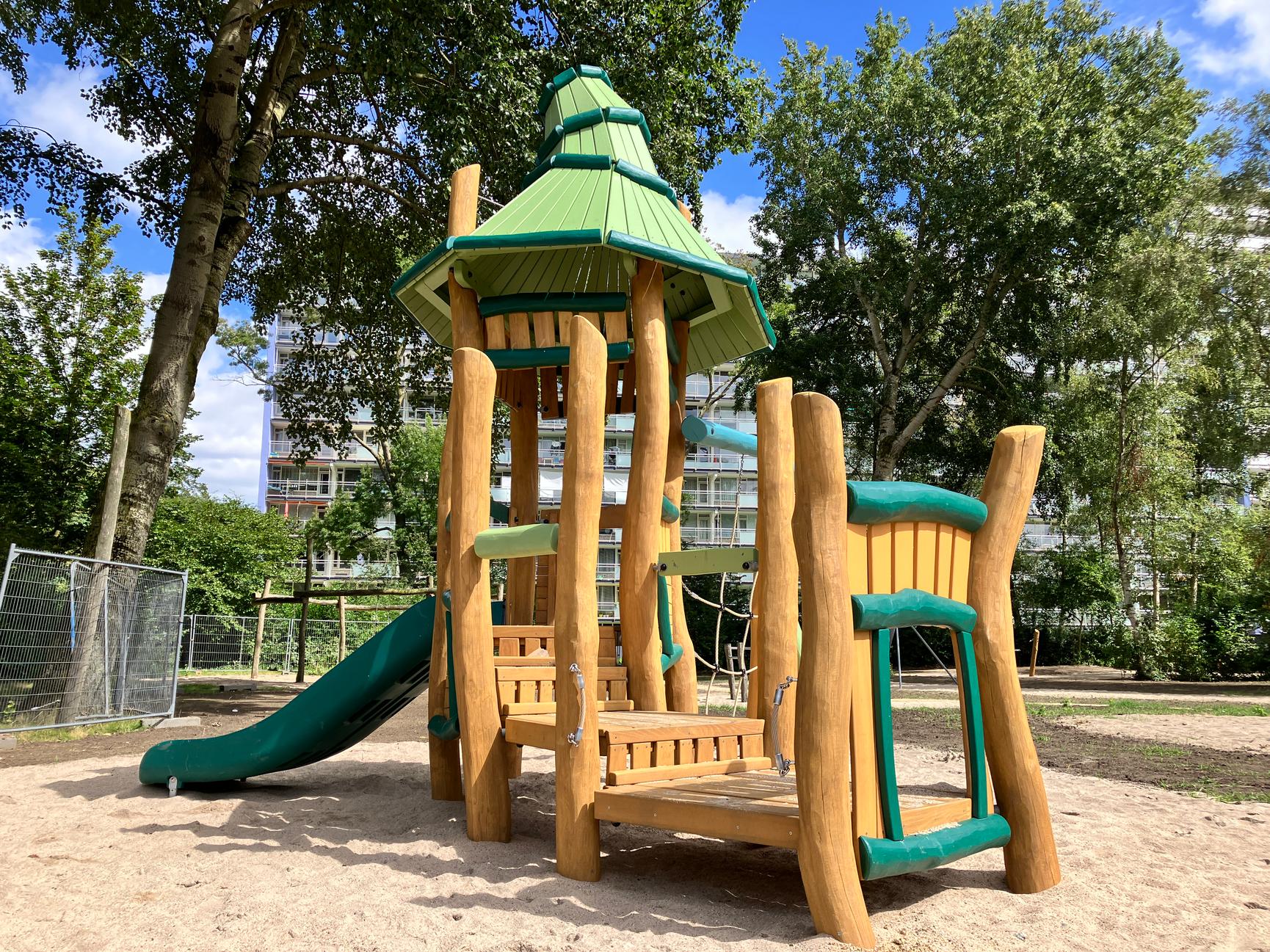
NRC100401
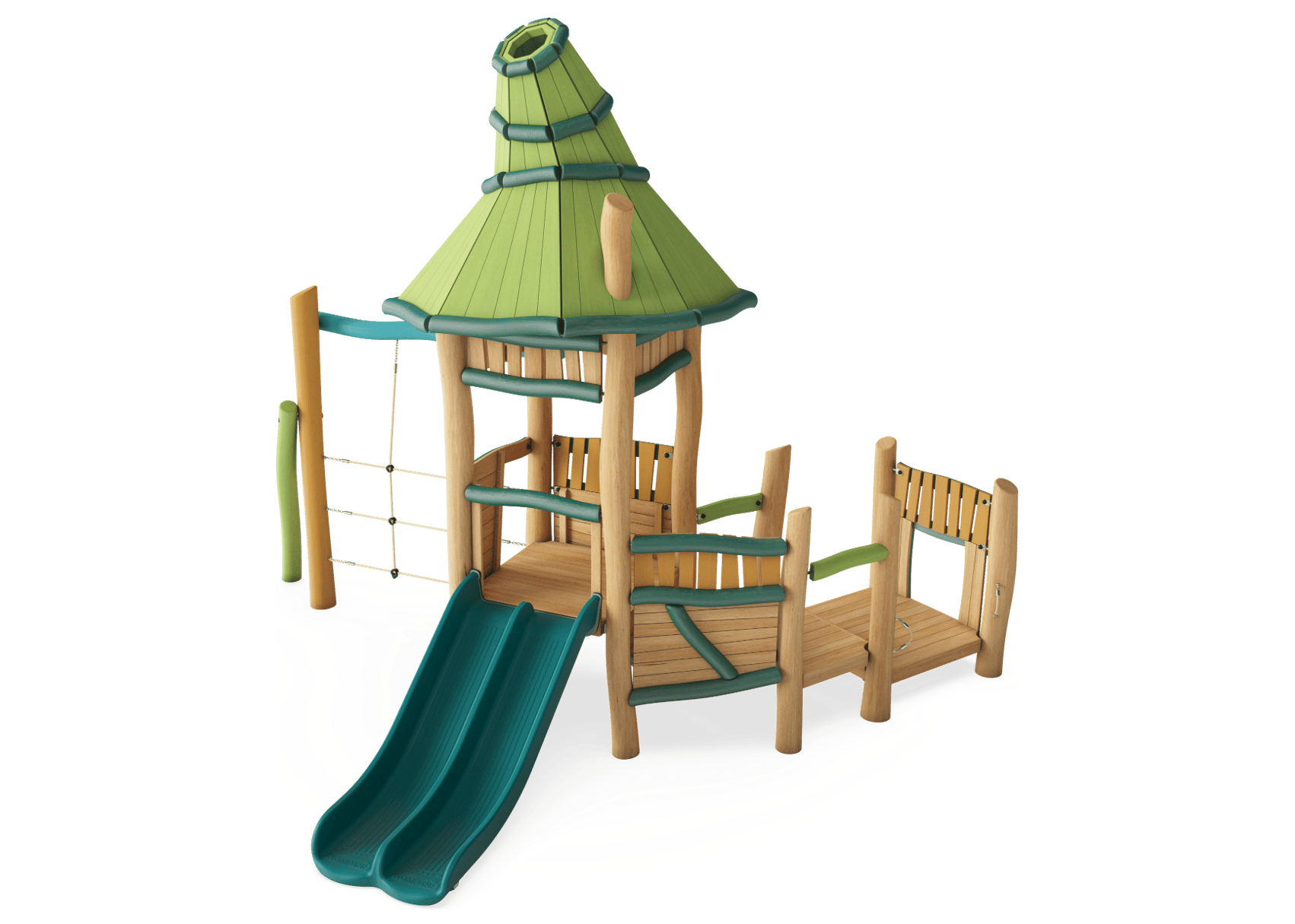
Hideaway Cottage
Age Group
2 - 5 Years
Capacity
12
Product category
NRC100401
Hideaway Cottage
Specifications
Hideaway Cottage
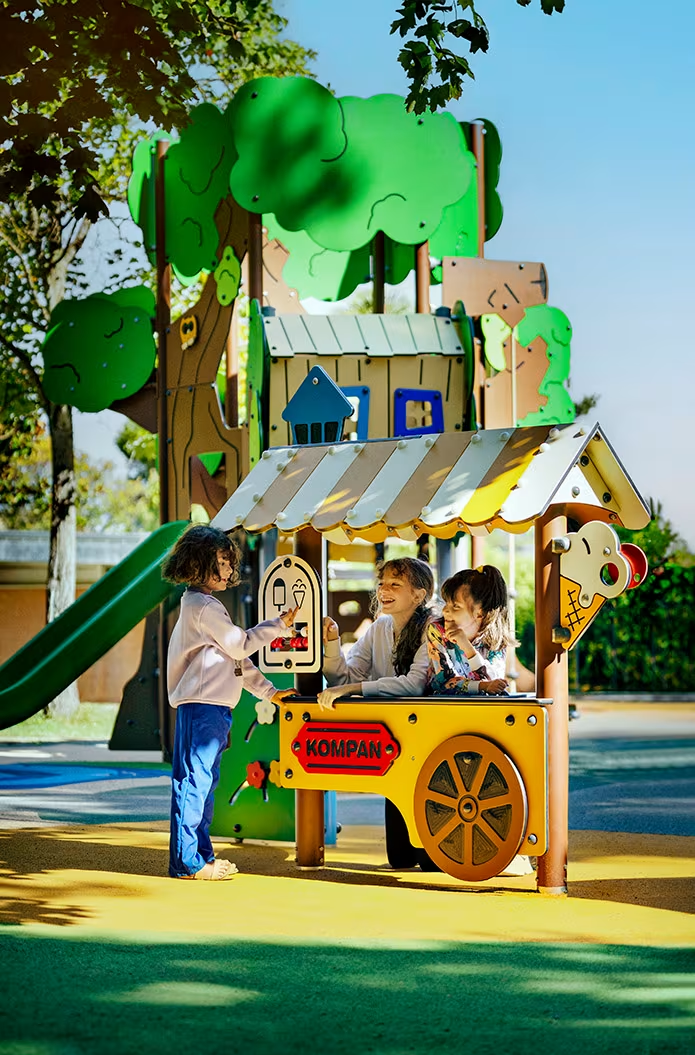
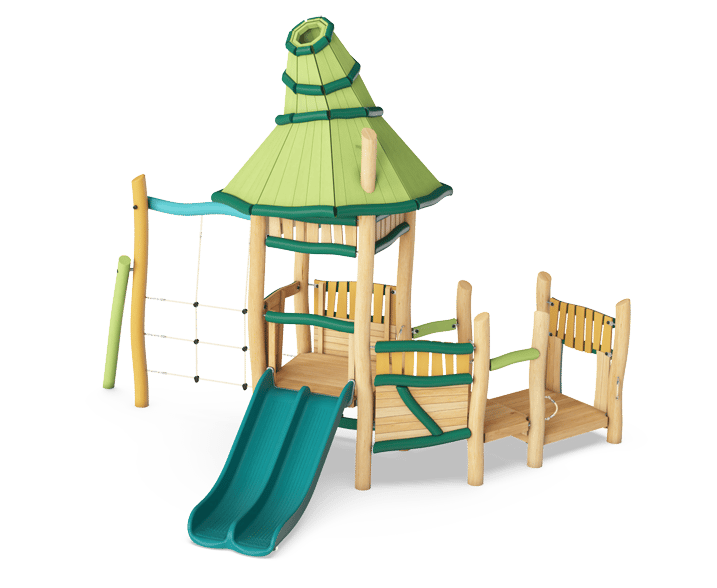
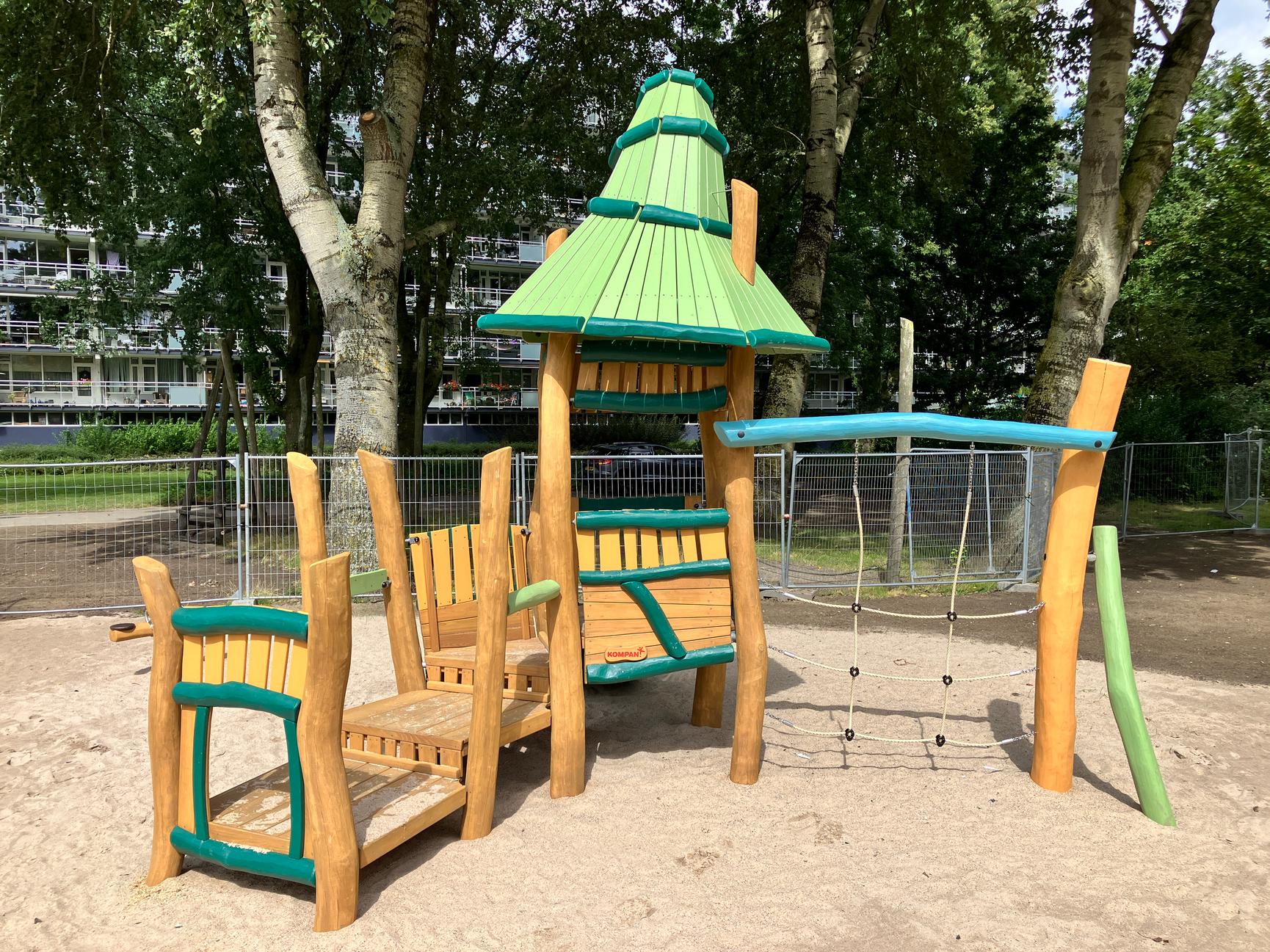
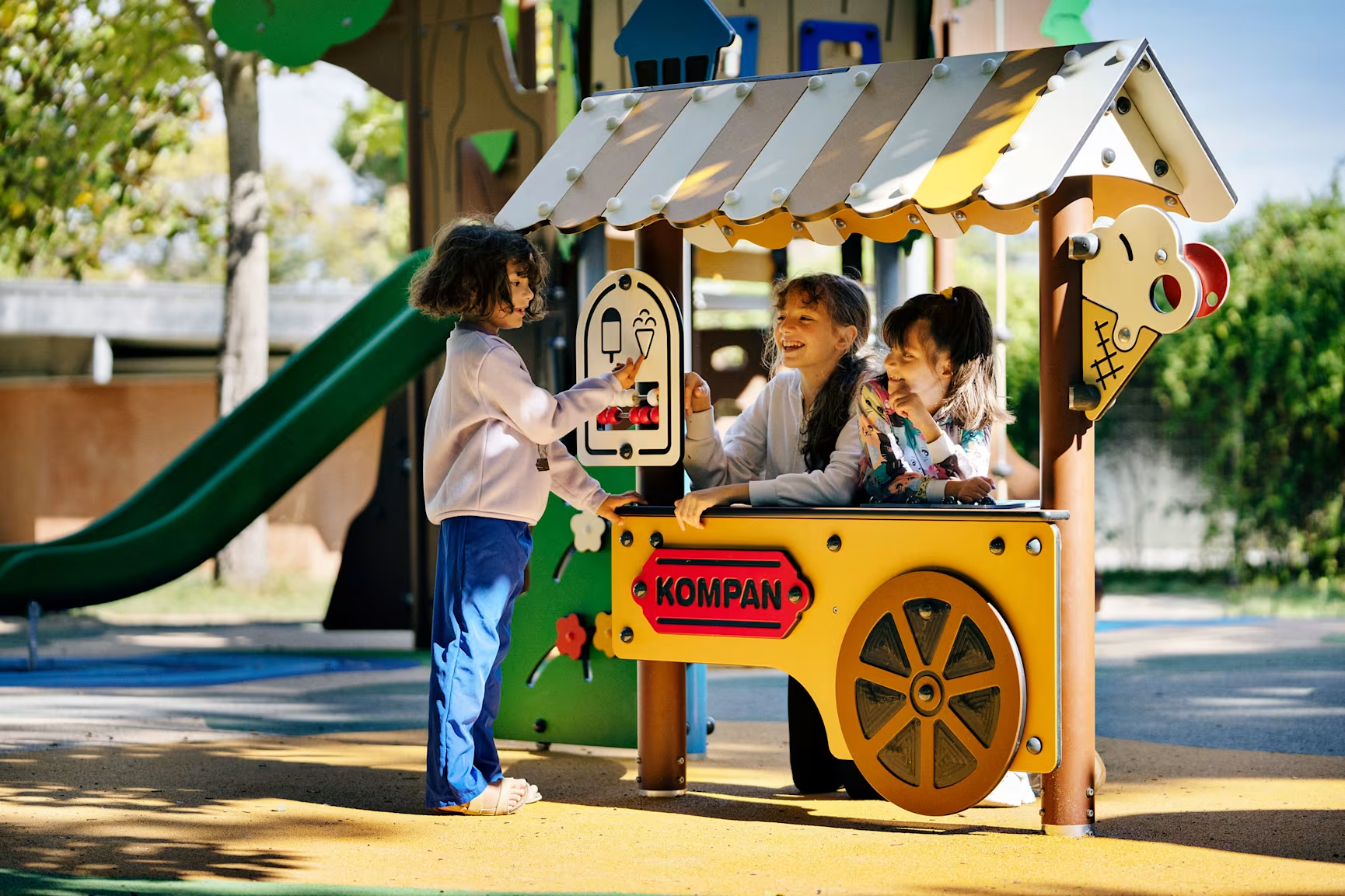
Wow, we can play that together! The fun play activities repeatedly attract all children to play. The spacious, low steps to the slide offer open, ground-level access. This enables all children to socialize or access the play tower. The accessible stairway and the net with big mesh each offer play motivation, and the net is an excellent place to climb or hang. Looping the accesses and the slide is not only great fun. It also trains children's balance and cross-coordination. These motor skills are fundamental for movement stability, and they influence children's physical and social-emotional development: training muscles when climbing, balance when sliding, and gaining confidence in daring and succeeding.
This product, Hideaway Cottage (NRC100401), is provided by KOMPAN United States.
Length
18' 3"
Width
15' 2"
Height
14' 2"
Safety Zone Length
32' 3"
Safety Zone Width
28' 4"
Age Group
2 - 5 Years
Capacity
12
Inclusive
No
Product category
Nature Playgrounds
Product line
Robinia Themed Play
Product Highlights
Quality that lasts
All Organic Robinia products by KOMPAN are made of Robinia wood from sustainable European sources. On request it can be supplied as FSC® Certified (FSC® C004450).
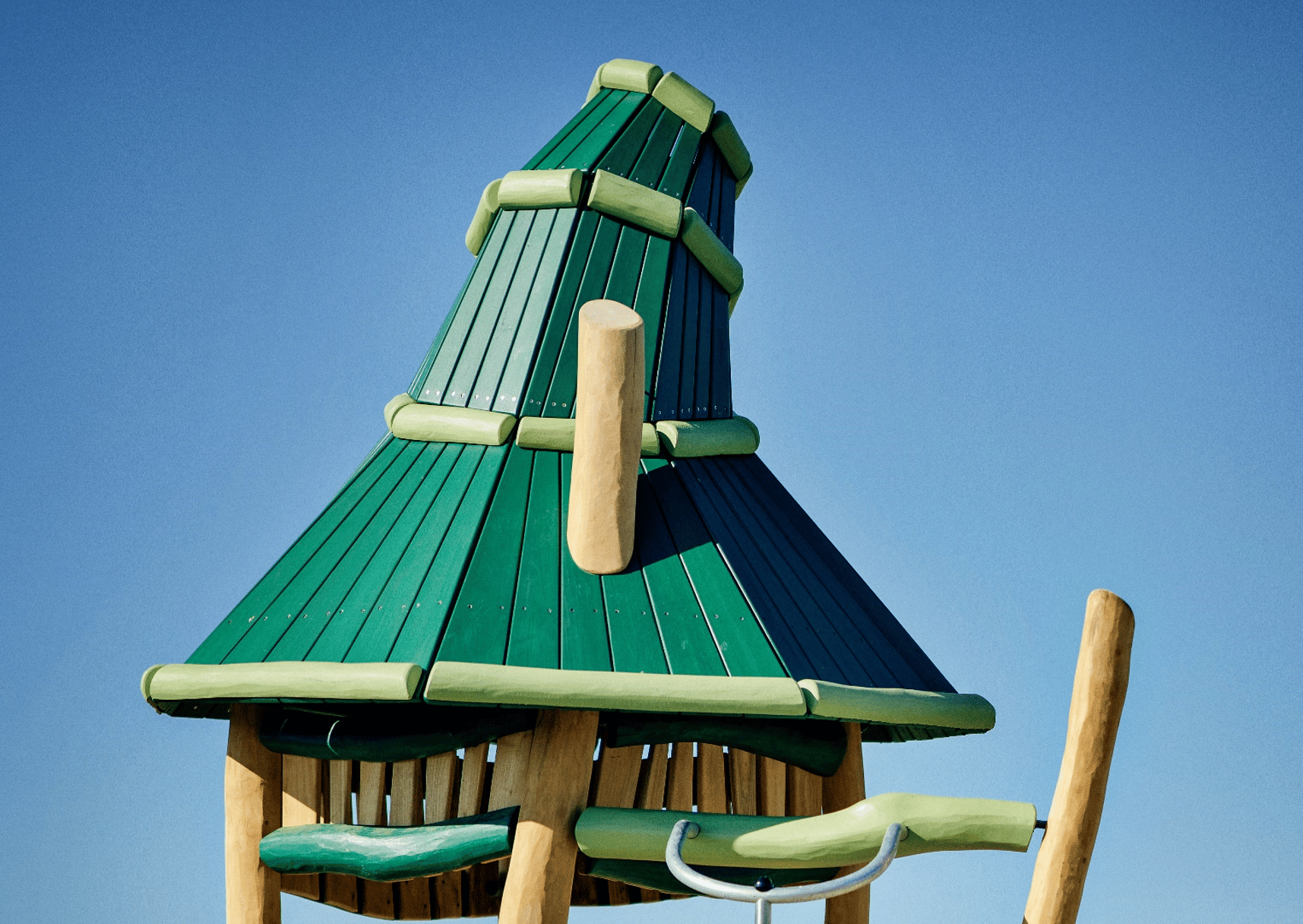
Transparent brown pigmented and colored parts are coated with water-based paint and environmentally friendly pigment with excellent UV resistance. The paint and pigment comply with EN 71 Part 3.
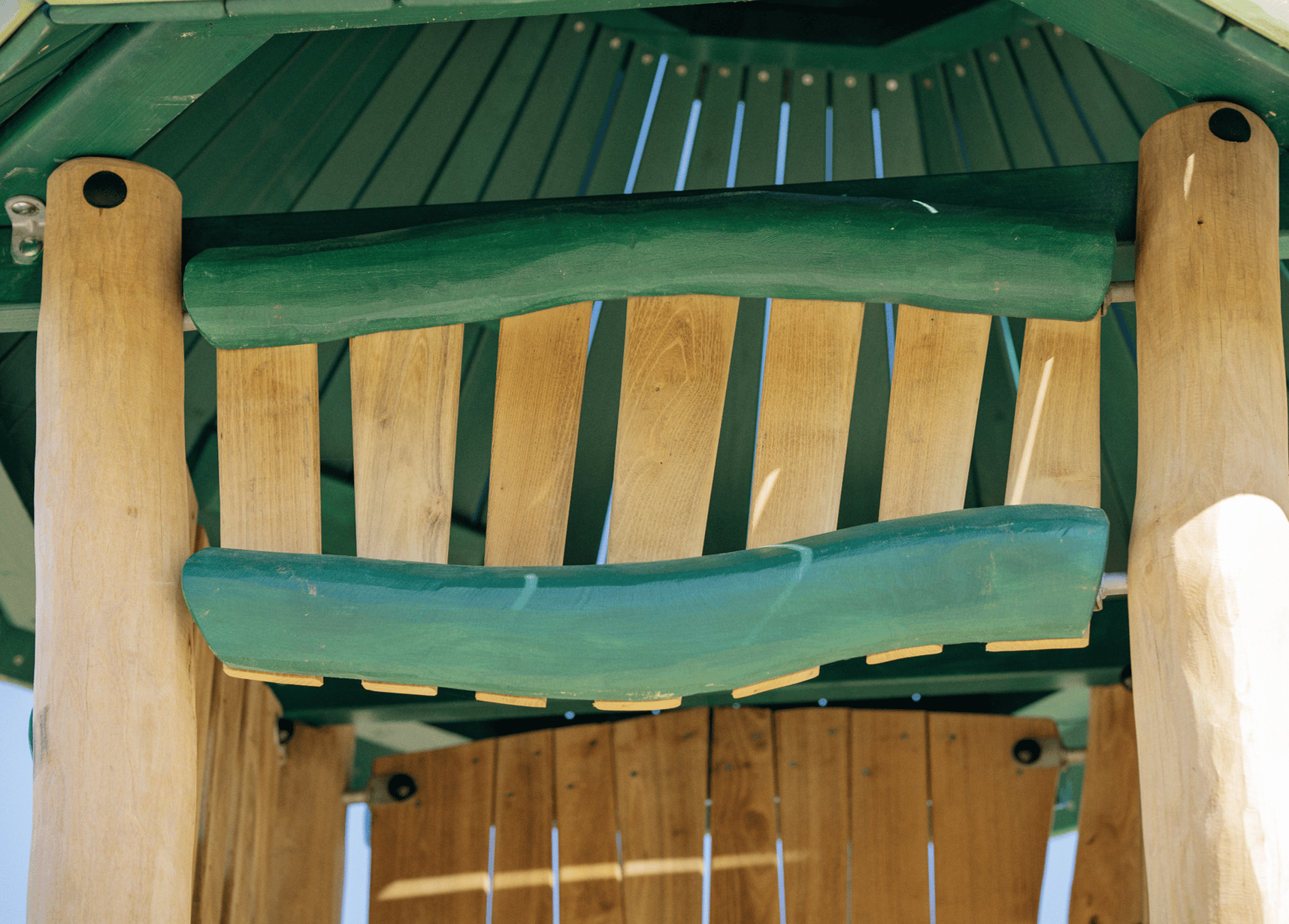
The products are preassembled from the factory to ensure all safety requirements are considered. Please note that each Robinia fantasy structure will have its unique appearance because of the natural shape of the individual wood posts.
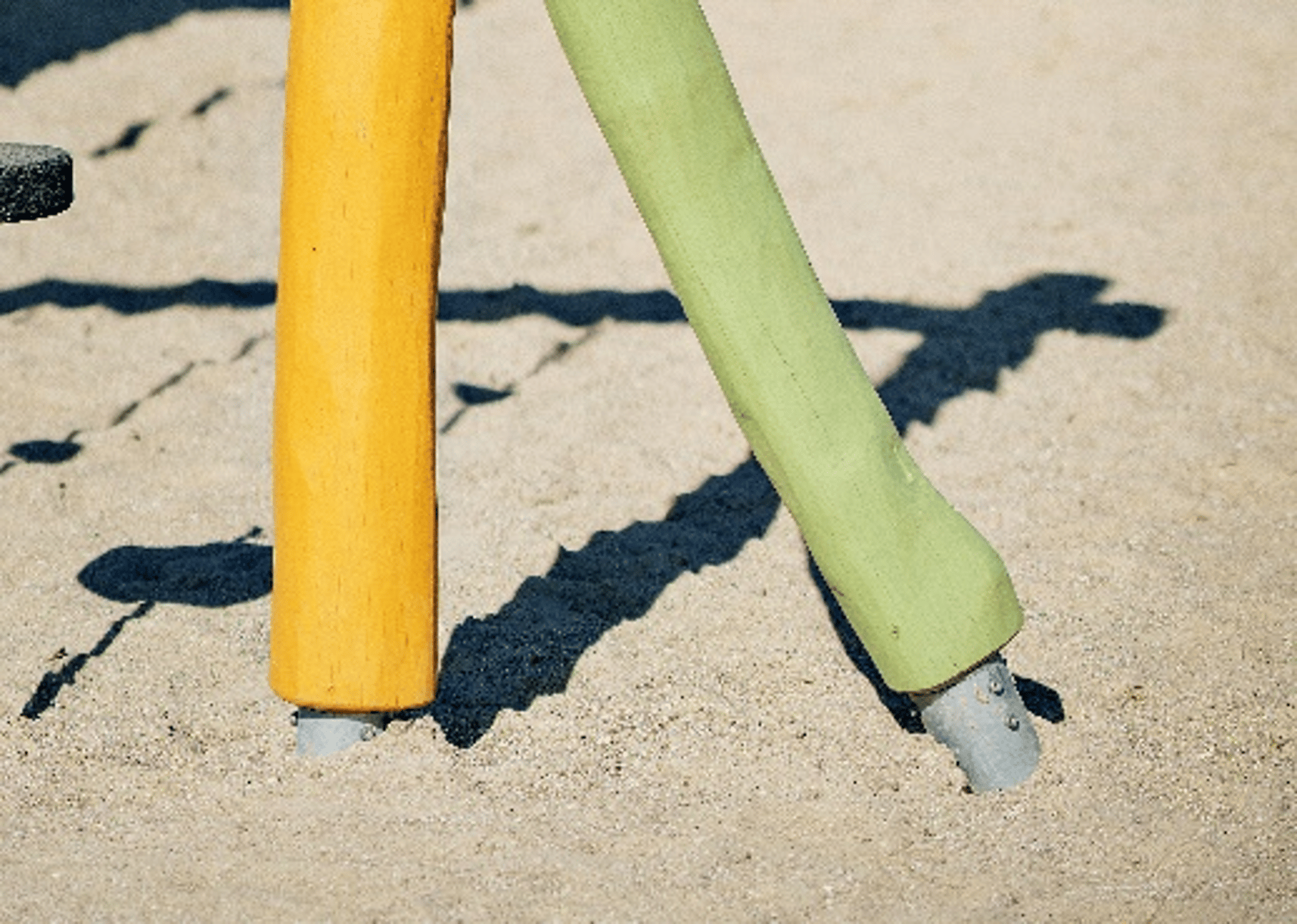
There are Multiple footing options for all products: Surface anchoring with steel footings and expansion bolts. Wood in-ground or steel in-ground footings.
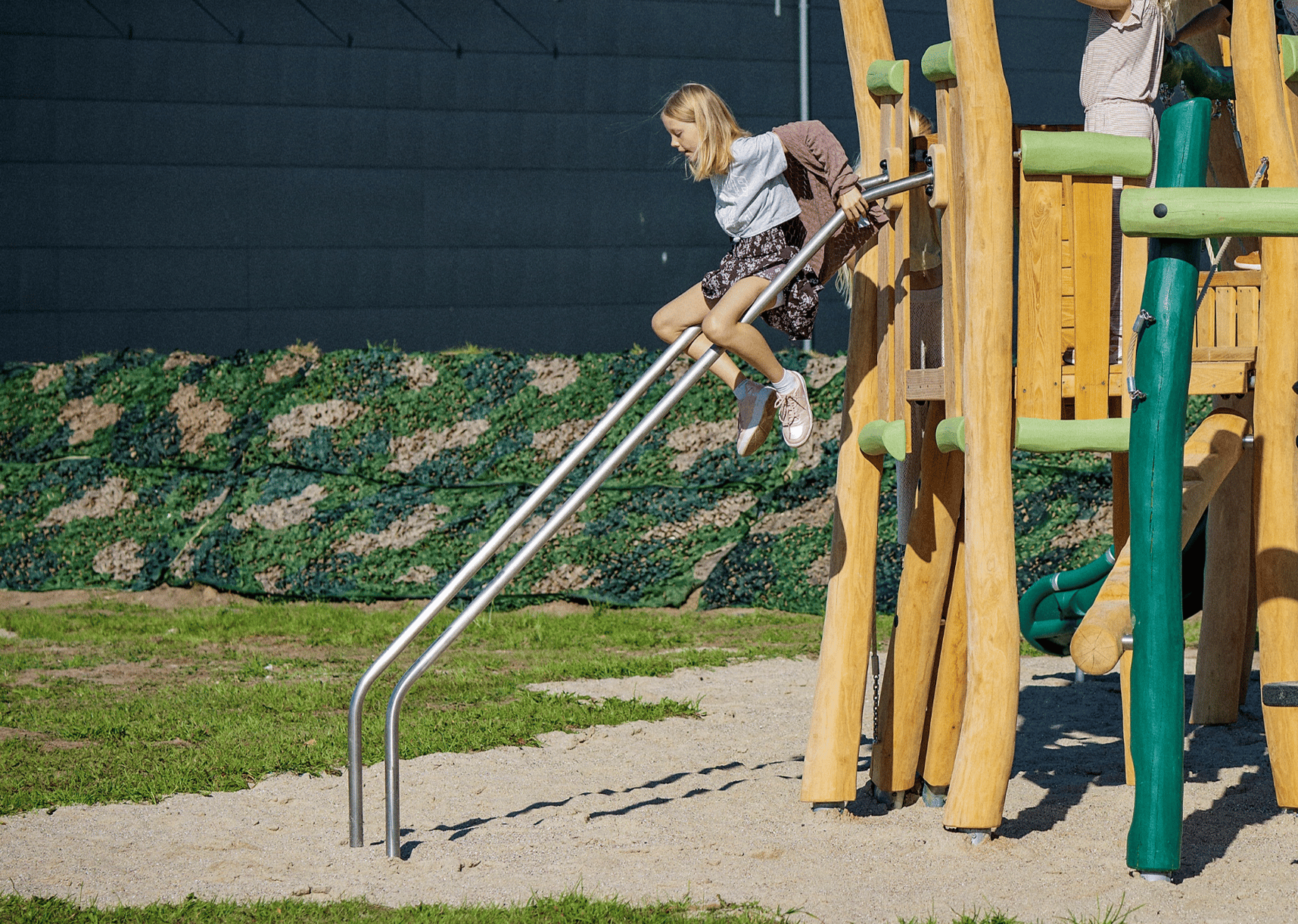
The stainless-steel activities are made of high-quality stainless steel. The steel is cleaned by a total pickling process after manufacturing to ensure a smooth and clean gliding surfaces.
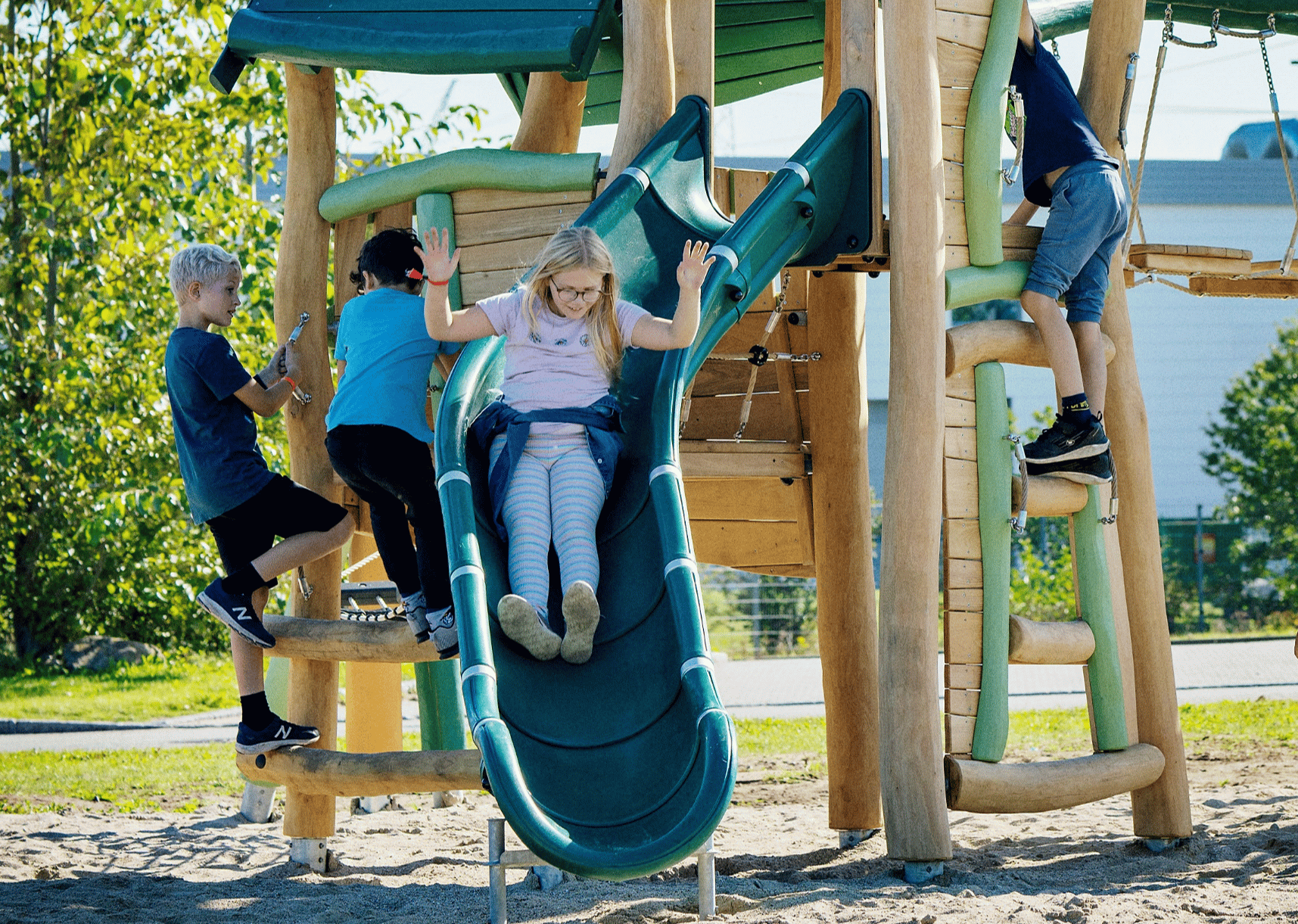
The slides can be chosen in six different colors and three materials: Straight or curved one-piece molded PE slides. Combined EcoCore™ sides and stainless steel. Full stainless steel in a one-piece design for more vandalism-proof solutions.
Play Activities

Balance
2

Climb
2

Crawl
1

Sensory
6

Slide
2

Socialize
5

Pull
2
Each play activity represents a type of play experience, such as balancing, social interaction, climbing, or sensory exploration. The number indicates how many opportunities the product offers for children to engage in that activity. Together, these activities help create a varied and developmentally rich play experience.
CO₂ emission
Sustainability Data
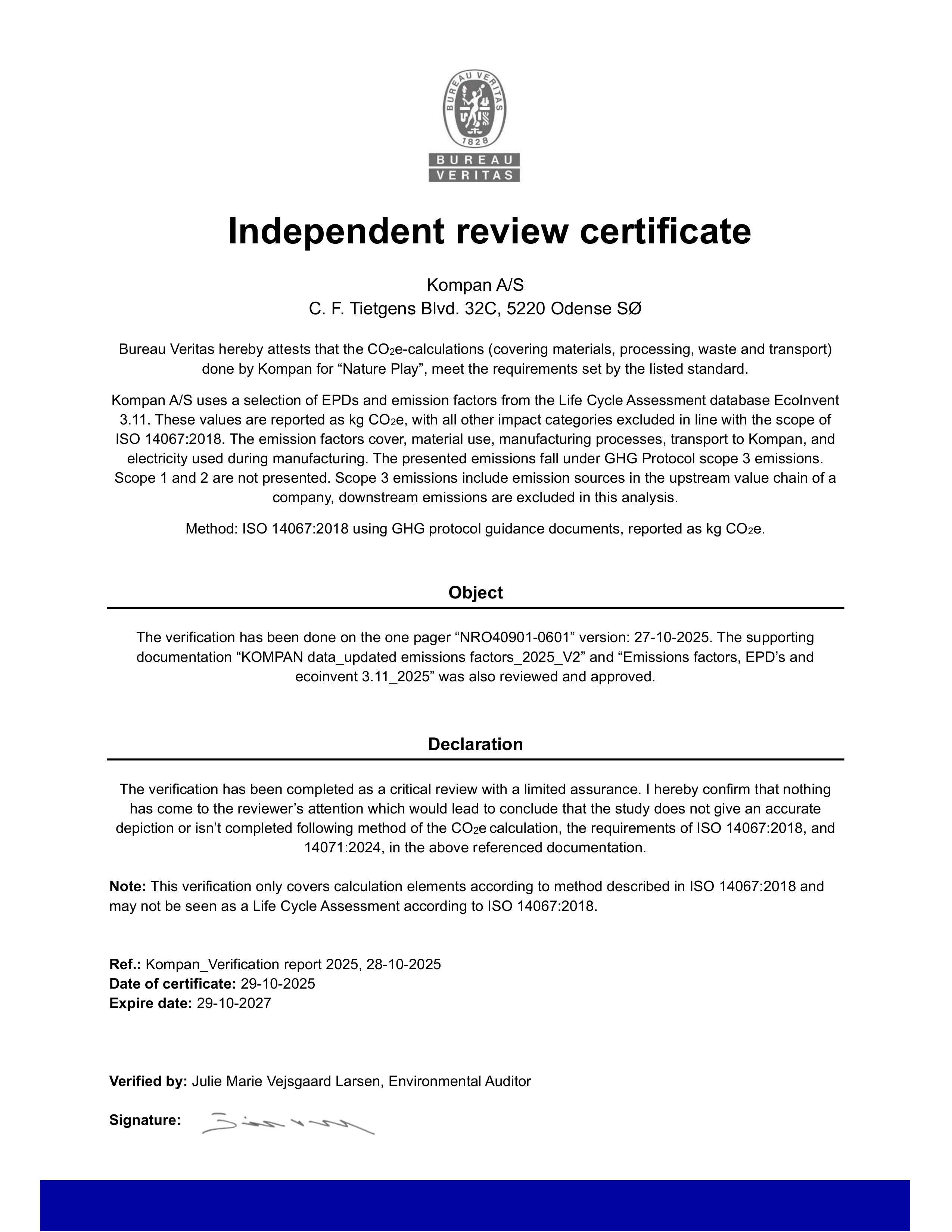
Our product and sustainability data validation help customers make informed sustainable buying choices based on methods validated by Bureau Veritas.
NRC100401-1021
857.3
Total CO₂ emission (kg CO₂e)
0.56
CO₂e/kg (kg CO₂e/kg)
2.45%
Recycled materials
The overall framework applied for these factors is the Environmental Product Declaration (EPD), which quantifies "environmental information on the life cycle of a product and enables comparisons between products fulfilling the same function" (ISO, 2006). This follows the structure and applies a Life-Cycle Assessment approach to the entire Product stage from raw material through manufacturing (A1-A3).