Surfacing Guide
Engineered Wood Fiber
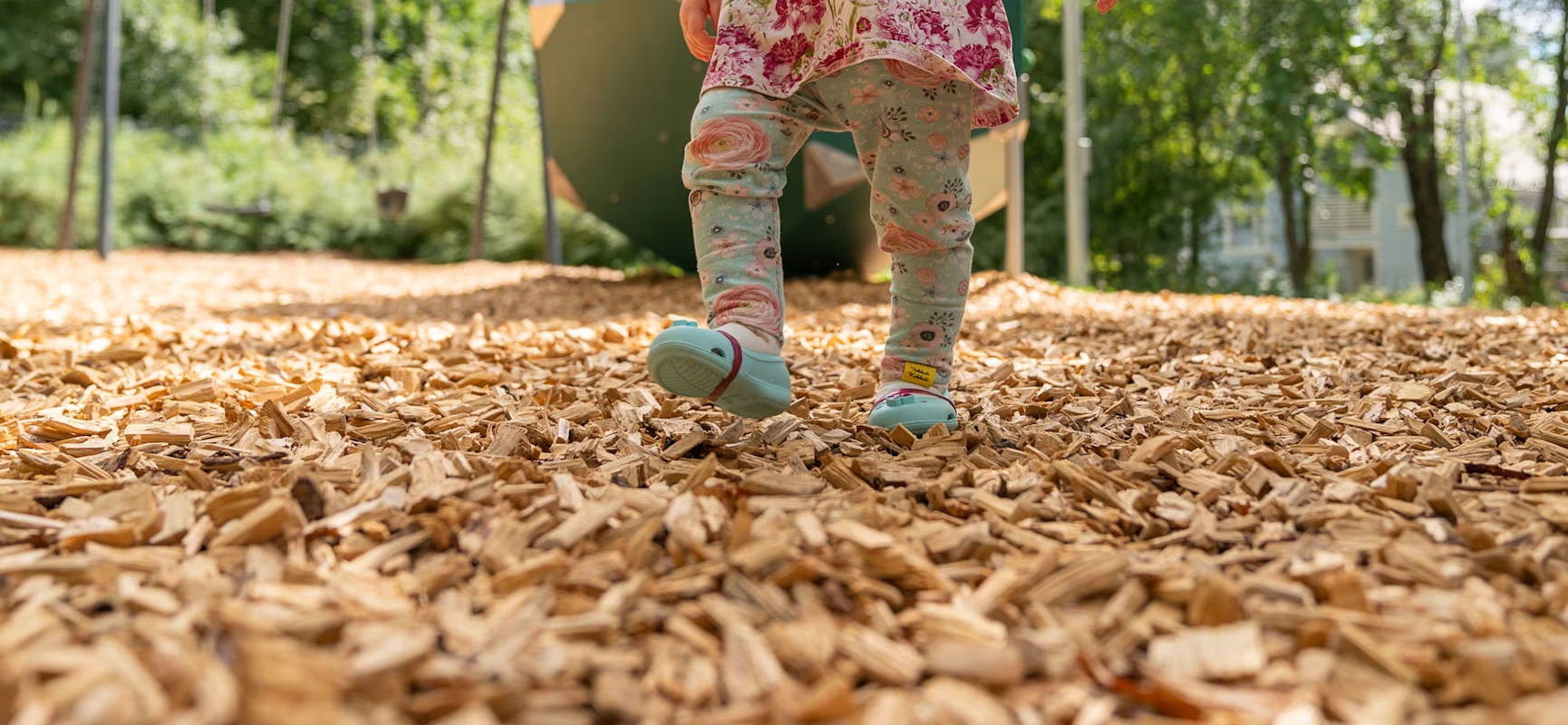
Creating Natural Play Environments with EWF
Engineered wood fiber (EWF), also known as wood chips, is a loose-fill playground surfacing solution that combines a natural appearance with reliable impact absorption when installed and maintained at the proper depth. Made from wood fibers specifically engineered for playground use, EWF provides a cost-effective alternative to many unitary surfacing options while helping create a landscape-integrated play environment.
Often used in parks, schools, and nature-based playgrounds, EWF can function as a primary surfacing material or be combined with other surfacing types to support different activities, accessibility needs, and budget considerations.

Where does engineered wood fibre works best?
Engineered wood fiber (EWF) is well suited for a variety of outdoor play environments, including:
Nature-based playgrounds
Playgrounds requiring lower upfront costs
Schools and parks with large play areas to be covered
Landscape-integrated playground designs
Projects seeking a natural alternative surfacing solution
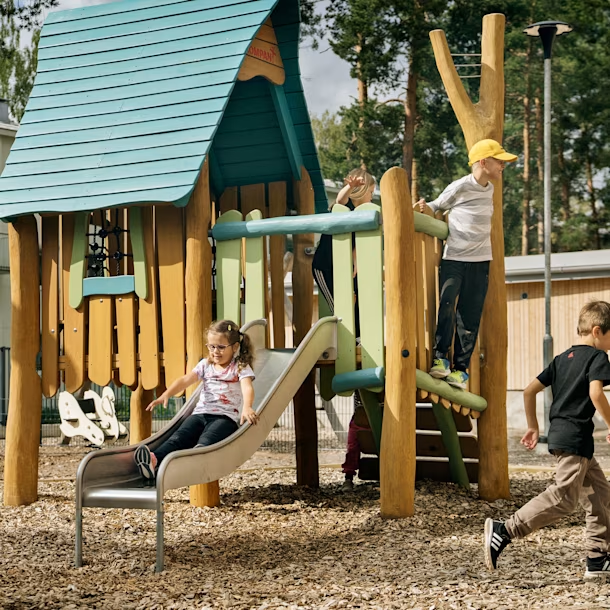
How does EWF compare to other playground surfacing options?
EWF vs. Rubber Surfacing
Rubber surfacing provides a firm, highly accessible surface with consistent impact attenuation and extensive design flexibility through custom colors, graphics, and pathways. EWF offers a natural appearance that integrates easily into landscape-led playground designs, but as a loose-fill material, it can be more difficult to navigate with wheelchairs, strollers, and other mobility devices. Poured-in-place rubber typically costs more to install but requires less maintenance, while EWF is more budget-friendly upfront but requires ongoing replenishment and upkeep.
EWF vs. Hybrid Grass
Both EWF and hybrid grass contribute to a natural-looking play environment, but they serve different purposes. EWF provides a loose-fill surface with a more natural woodland character, while hybrid grass offers a firmer, more stable, and accessible surface. Hybrid grass is often preferred where a natural aesthetic is desired alongside improved accessibility and landscape integration.
EWF vs. Sand Surfacing
Both EWF and sand are loose-fill surfacing materials that require regular maintenance to maintain proper depth and performance. Sand is often selected for sensory play experiences such as digging, shaping, and sand-and-water play, while EWF is typically chosen for nature-based playgrounds and projects seeking a natural appearance with lower upfront installation costs.
Pros & Cons of Engineered Wood Fiber
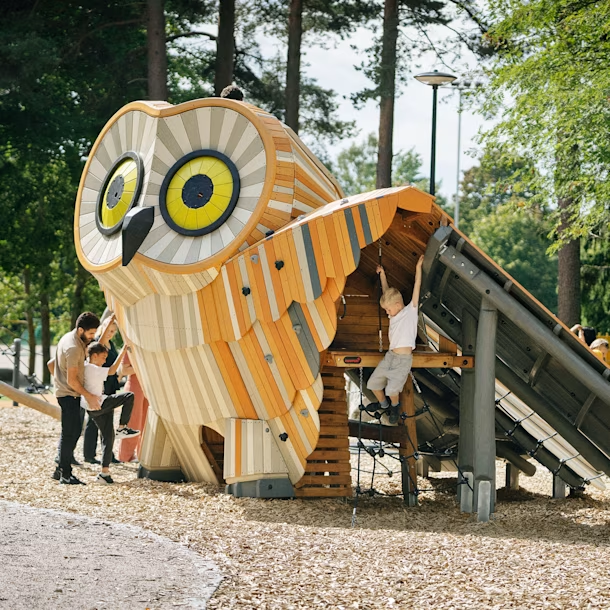
Benefits
Natural appearance that complements nature‑based playgrounds
Impact‑absorbing properties when installed at the correct depth
Supports imaginative, exploratory, and sensory play
Permeable surface that allows water to drain through naturally
Cost-effective option for large playgrounds and outdoor play areas
For projects focused on natural materials and outdoor learning, engineered wood fiber offers a familiar, well-established surfacing solution that balances performance, aesthetics, and value.
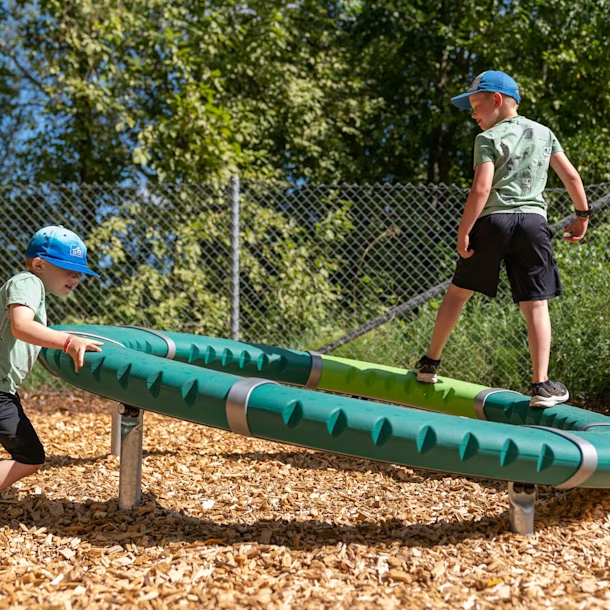
Limitations & Considerations
Requires regular maintenance, including raking and replenishment
Compacts and decomposes over time, requiring periodic top-ups
Can migrate outside designated play areas without proper containment
Provides more limited accessibility than firm, stable surfacing options
May be less suitable for high-traffic areas that require a consistent surface
Often, EWF is most effective when used as part of a broader surfacing strategy, particularly on playgrounds that have accessibility and durability requirements.
Installation and Maintenance Considerations
Wood chips can be a cheaper surfacing option, but ongoing maintenance is required to keep the site functional.
Engineered wood fiber requires:
Proper ground preparation and weed control
Installation to a defined minimum depth
Containment using edging or borders to keep material in place
Ongoing maintenance typically includes:
Regular raking and levelling
Periodic topping up as material breaks down
Visual inspections for debris and compaction
Compared with fixed playground surfacing options, engineered wood fibre involve higher ongoing maintenance, which should be planned for from the outset.
Choosing the Right Playground Surfacing
There is no single surfacing solution that fits every playground. Engineered wood fibre (EWF) is one of several available surfacing options, and the most suitable choice depends on:
The type and intensity of play
Fall height and safety requirements
Accessibility goals
Maintenance expectations
The desired look and feel of the playground
Many playgrounds achieve the best results by combining multiple surfacing types to support different activities and play experiences. For example, EWF may be used in nature-based play areas, while more accessible surfacing options are used along primary routes and in high-traffic zones. By matching each surfacing material to the needs of a specific area, designers can create play environments that balance safety, accessibility, durability, and play value.
Frequently Asked Questions
Engineered wood fiber (EWF) playground surfacing is safe when installed and maintained at the correct depth. As a loose‑fill safety surfacing, wood chips provide impact absorption and are commonly used in playgrounds with low to moderate fall heights, particularly in nature‑based play environments.
Wood chip playground surfacing requires regular maintenance to remain effective. This includes routine raking, levelling and topping up, as the material naturally breaks down and is displaced through use and weather over time.
Engineered wood fiber surfacing is suitable for public playgrounds and schools where maintenance is planned. It is most often used in early years settings, nature-based playgrounds, and outdoor learning environments that prioritize natural materials and informal play.
Wood chip surfacing has limited accessibility for strollers, wheelchairs, and other mobility devices. For inclusive playground design, it is typically combined with firmer surfacing along main routes or used in clearly defined play zones rather than across the entire site.