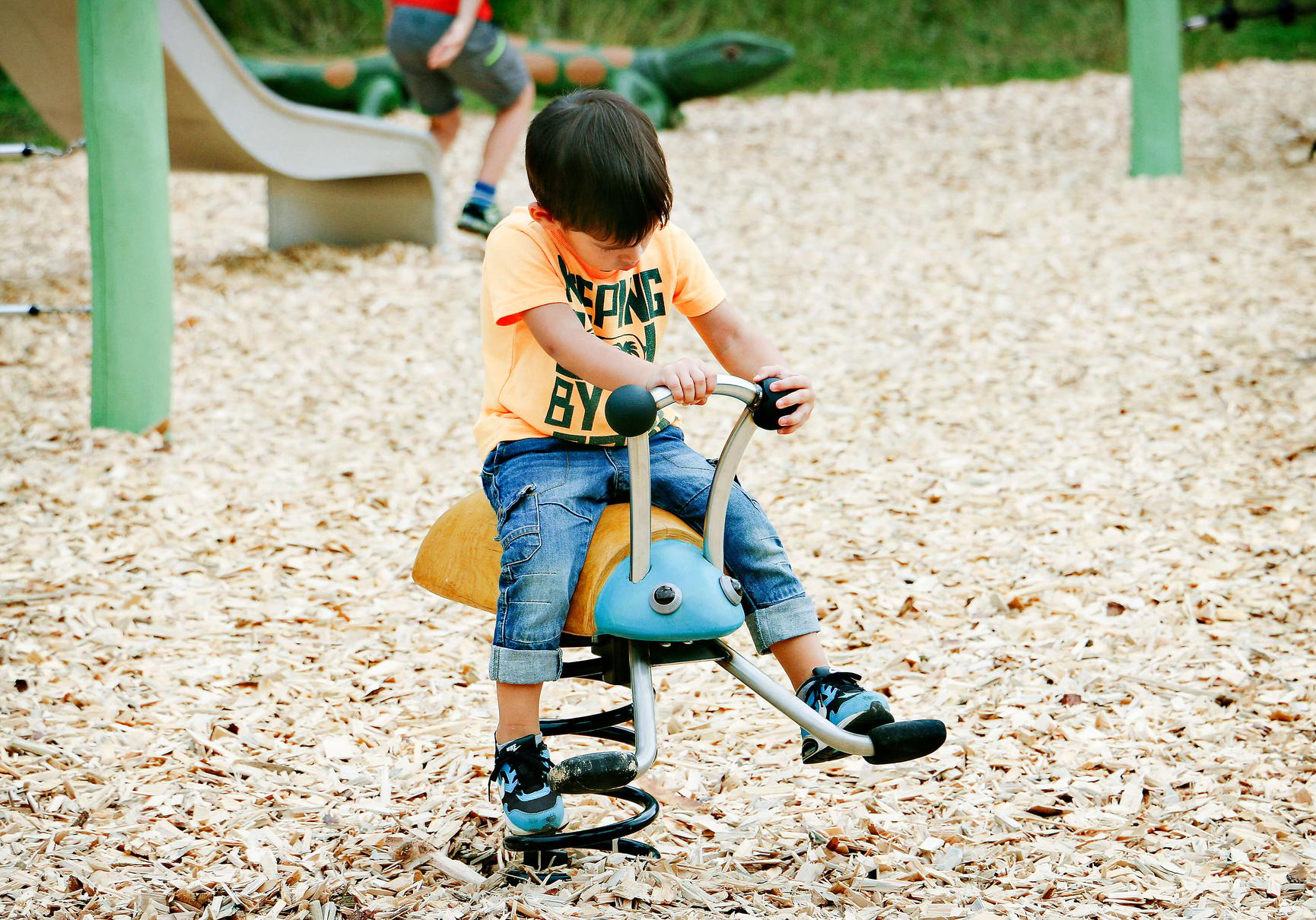
NRO112
Forest Bug Springer
Price guide
4,370 AUD
Age Group
3+ Years
Capacity
1
Inclusive
Yes
Product category
NRO112
Forest Bug Springer
Specifications
Forest Bug Springer
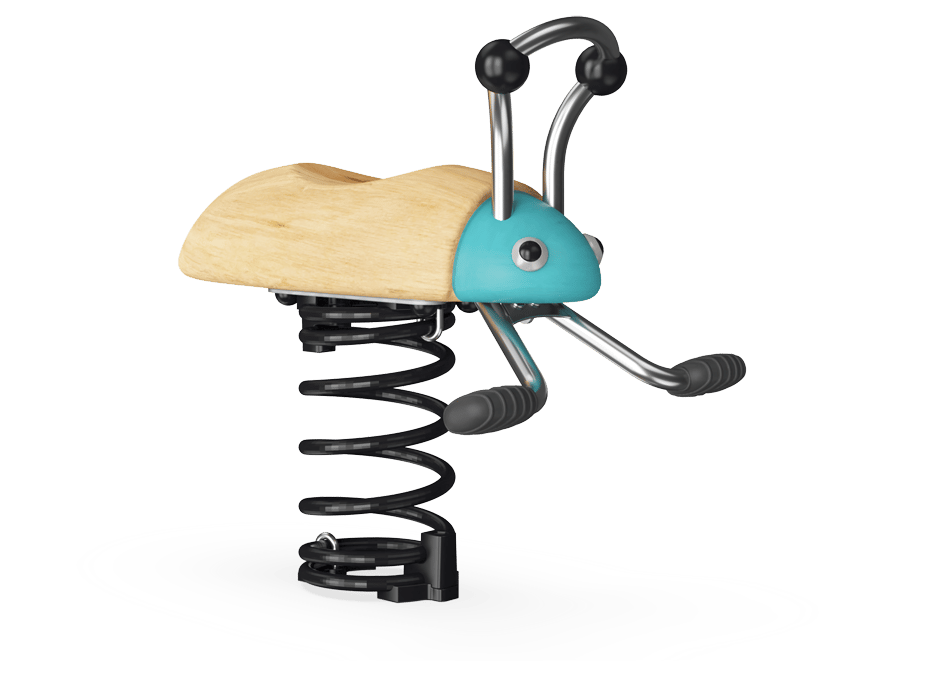
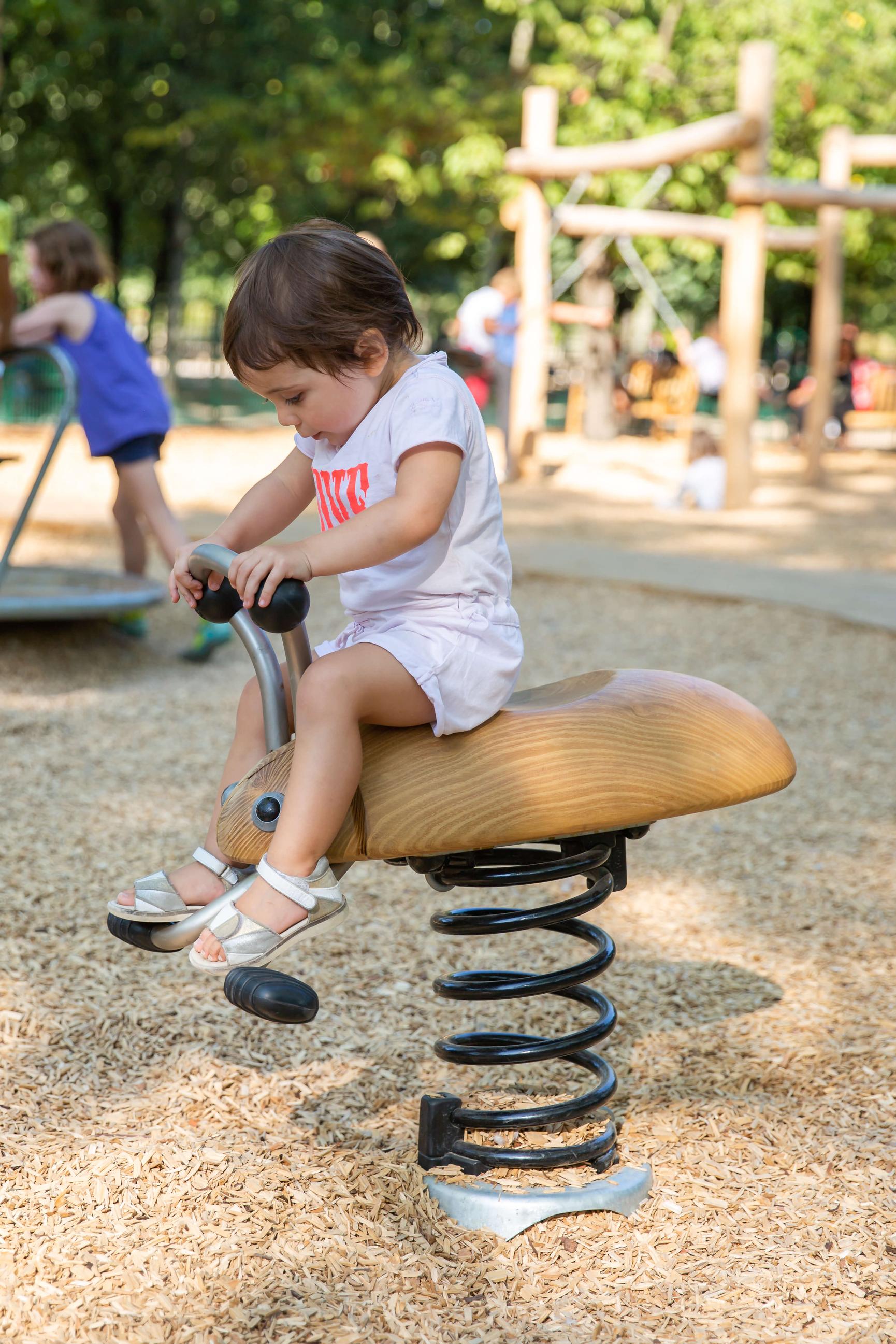
The Forest Bug with its chunky, rocking body attracts toddlers for a fun bouncy ride. The cute critter offers tactile variation with its steel hand hold, rubber foot support, and smooth, wooden body. This tactile richness supports younger children’s understanding of material characteristics such as weight, smoothness, temperature, and flexibility which is important for risk management. The soothing, rocking movement of the Forest Bug trains the sense of balance and spatial awareness which are crucial for body confidence, e.g. in avoiding falling. A good sense of balance is essential for the ability to sit still and concentrate. The spring ensures hours, years, and decades of fun.
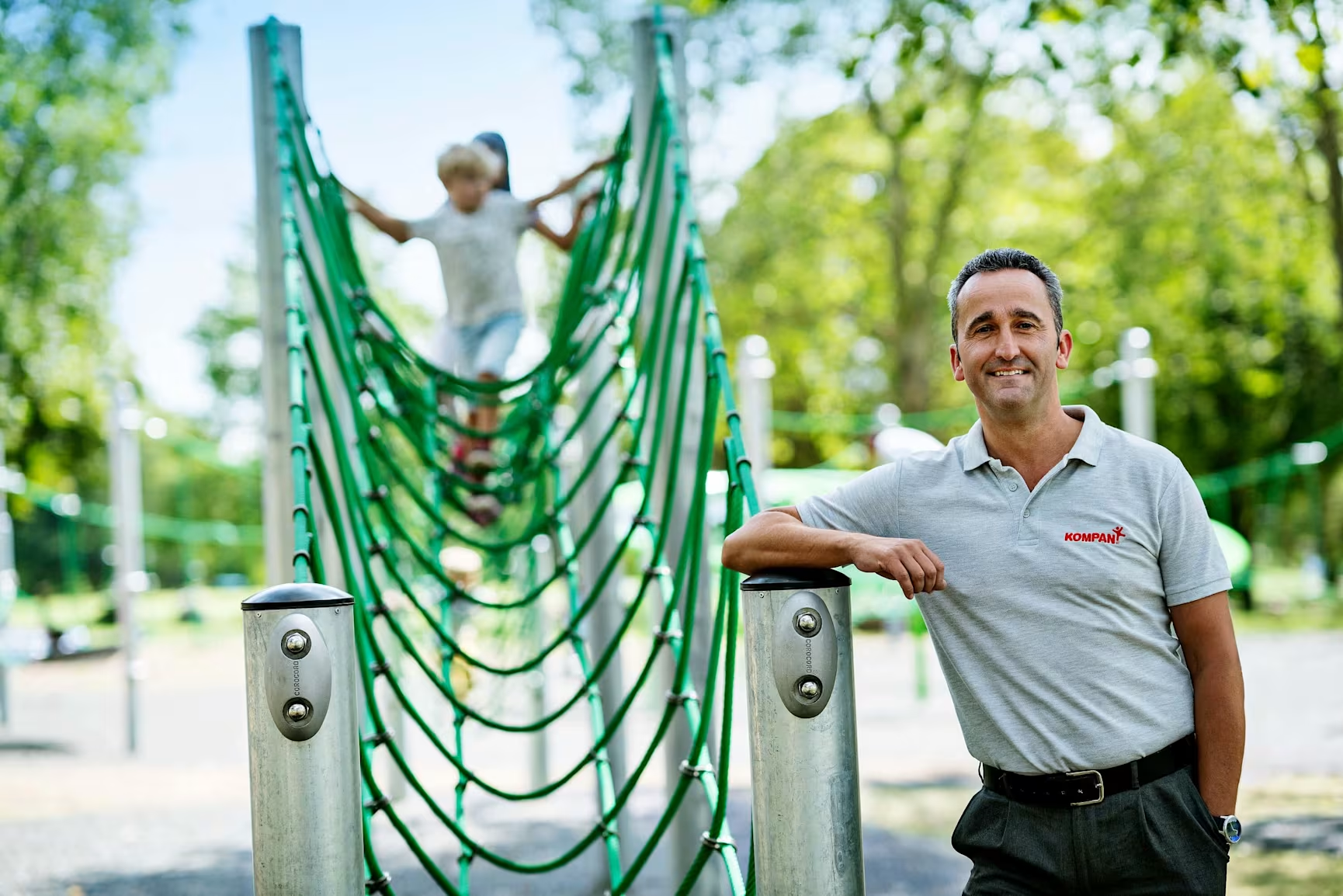
This product, Forest Bug Springer (NRO112), is provided by KOMPAN Australia.
Length
71 cm
Width
48 cm
Height
69 cm
Fall Space Length
350 cm
Fall Space Width
248 cm
Age Group
3+ Years
Key user group
3 - 8 Years
Capacity
1
Inclusive
Yes
Product category
Nature Playgrounds
Product line
Nature Freestanding Play Equipment
Product Highlights
Quality that lasts
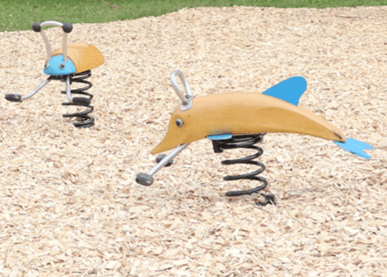
All Organic oak products by KOMPAN are made of oak wood from sustainable European sources. On request it can be supplied as FSC® Certified (FSC® C004450).
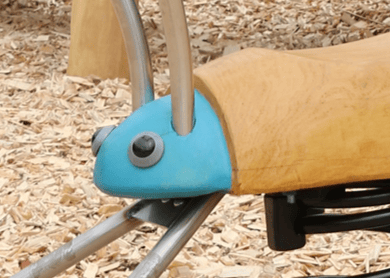
The paint used for coloured components is water based, which is environmentally friendly and has excellent UV resistance. The paint complies with Australian Standards.
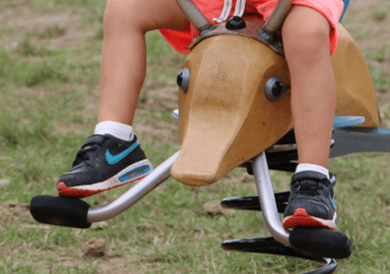
Handles and footrests are made of high-quality stainless steel and equipped with moulded on PUR handholds and footsteps. The PUR footrests are designed with groves to make the surface slip-resistant.
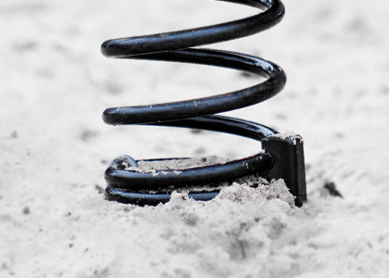
KOMPAN's springs are manufactured from high-quality spring steel. The springs are cleaned by phosphating before being painted with epoxy primer and polyester powder coating. The springs are fixed by unique anti-pinch fittings for maximum safety and longevity.
Play Activities

Balance
1

Dramatic play
1

Rock
1

Sensory
5
Each play activity represents a type of play experience, such as balancing, social interaction, climbing, or sensory exploration. The number indicates how many opportunities the product offers for children to engage in that activity. Together, these activities help create a varied and developmentally rich play experience.
CO₂ emission
Sustainability Data
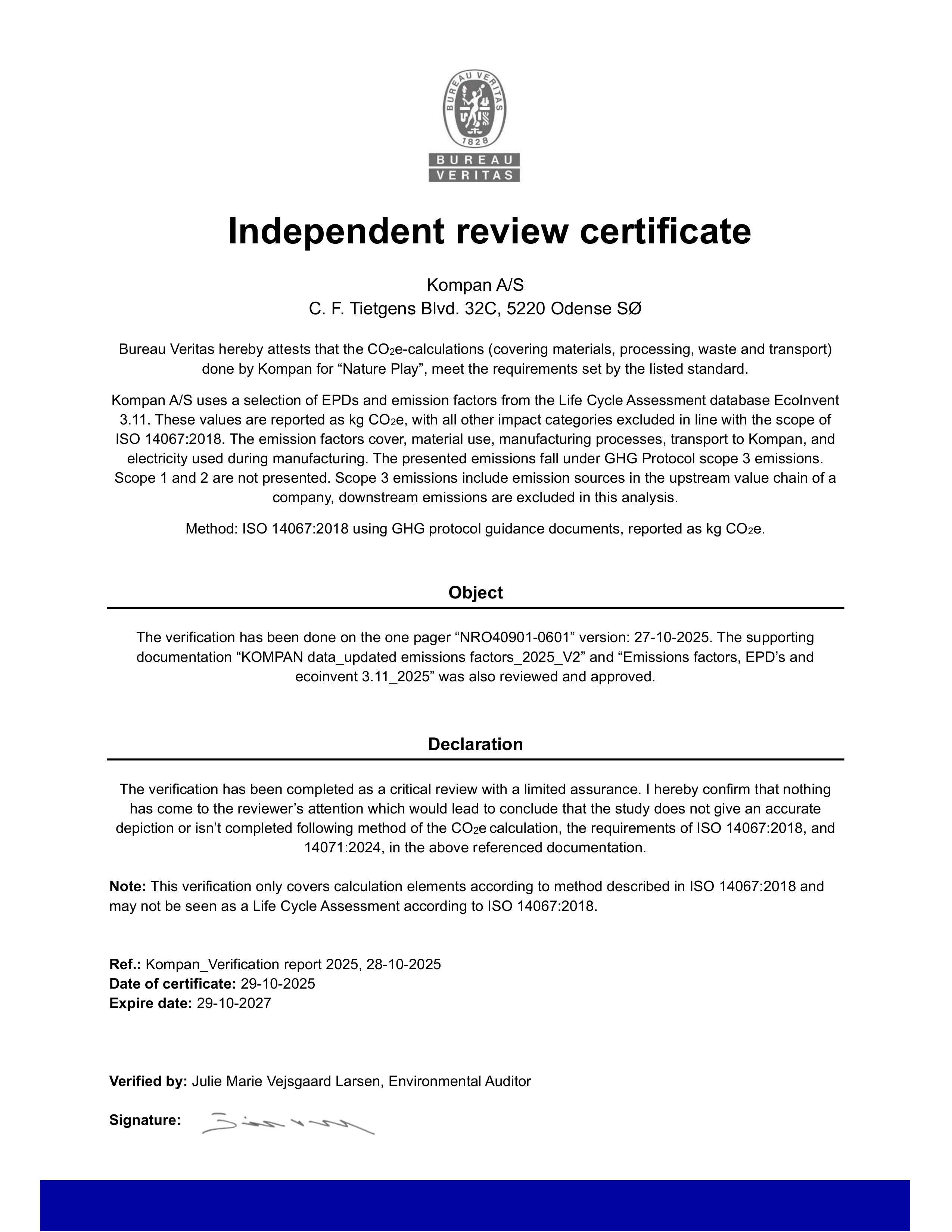
Our product and sustainability data validation help our clients make informed, sustainable buying choices based on methods validated by Bureau Veritas.
NRO112-0421
114.11
Total CO₂ emission (kg CO₂e)
3.39
CO₂e/kg (kg CO₂e/kg)
29.32%
Recycled materials
The overall framework applied for these factors is the Environmental Product Declaration (EPD), which quantifies "environmental information on the life cycle of a product and enables comparisons between products fulfilling the same function" (ISO, 2006). This follows the structure and applies a Life-Cycle Assessment approach to the entire Product stage, from raw material through manufacturing (A1-A3).