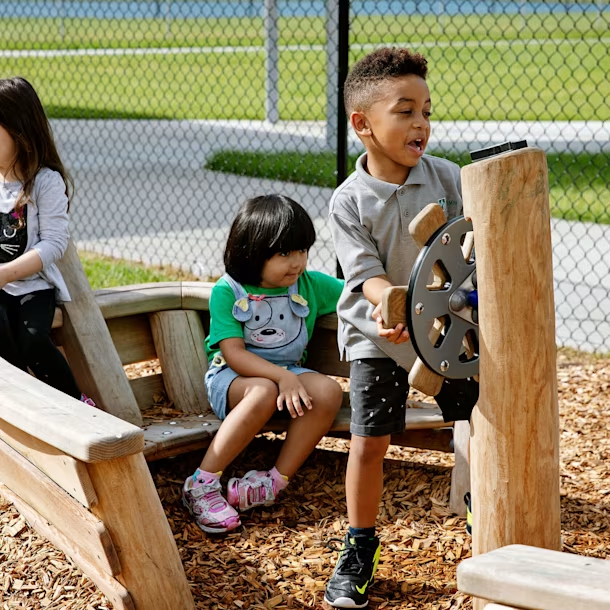
Outdoor playgrounds for preschools
A well-designed preschool playground isn’t just a place to burn energy - it’s a dynamic classroom where children develop skills they will use for a lifetime, from tying their shoes to making their first friend. By focusing on low-level challenges, sensory-rich materials and social opportunities you can create a space that supports every child as they develop and grow.
Here's how a playground can improve your preschool
A preschool playground is not only lots of fun it can also help in practical ways
Children learn to listen and follow directions (like waiting their turn or following simple rules), which makes classroom time easier for everyone.
Playtime teaches routine and transitions, so children get better at switching between activities - a skill that helps them (and their teachers) every day.
Spending energy outside helps them focus later, so they’re more ready to sit, listen, and learn when they come back inside.
Parents see their children growing and playing well together, which makes them feel good about choosing your preschool.
Designing a preschool playground that fits your needs
Let us help design a play area that best suits your needs
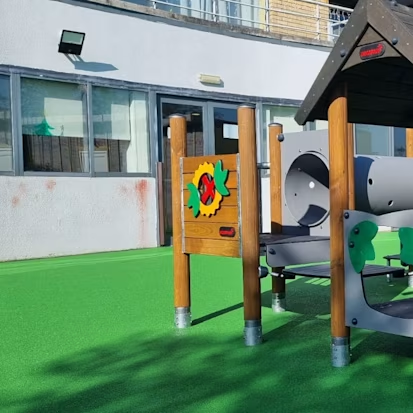
1. Pick your surfacing
Surfacing can consume a significant portion of your budget, so it is important to decide early in the process what surfacing best suits your needs.
Consider the users of the area when deciding on your surfacing - if mobility is a concern for any of the children a rubber bound surface might be the preferred option. It is also important to think about using the area in bad weather and what surface would work best for you when trying to make your area accessible all year.
There are different surfacing options available, but it is important to consider long term costs such as maintenance and top-ups when choosing your surfacing.
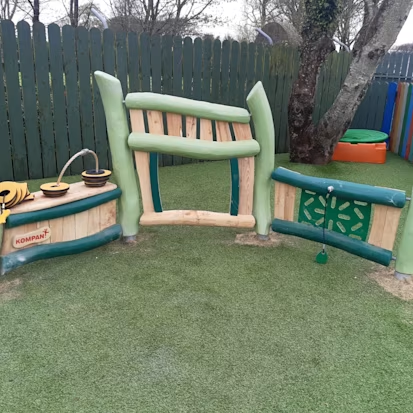
2. Focus on high play value
By picking equipment that offers a variety of activities children will be engaged while having fun and learning new skills. Climbing units are an effective way to encourage many children to play together which will help improve their social and communication skills while low level play activities will ensure all abilities are included in the play activity.
Preschool playgrounds can be compact spaces but should be packed full of play value to ensure children stay engaged while playing which will help them on their return to the classroom.
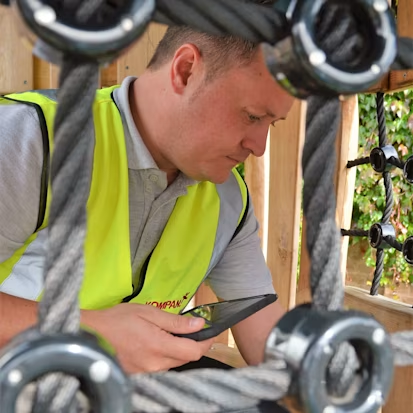
3. Plan in advance
When planning your preschool play area ensure you have included the cost of installation and maintenance in your budget. It is important to carry out regular checks of the area and ensure that any repairs are carried out as quickly as possible to ensure your playground is safe for all to use.
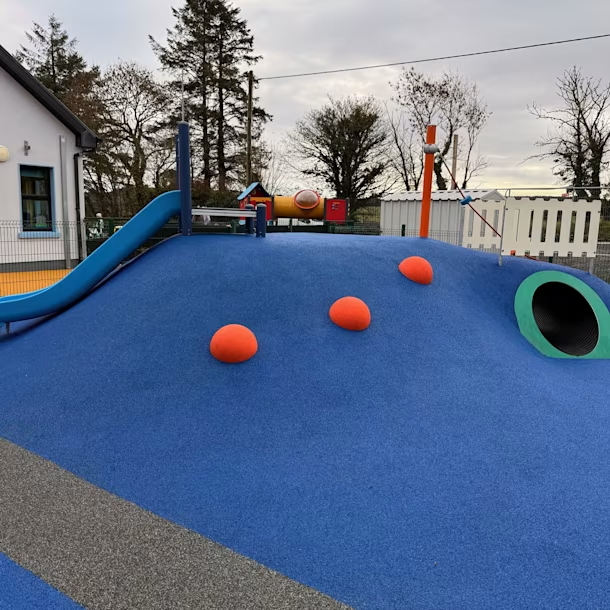
Research-led solutions for every climate and culture
The global gold standard in early childhood play
With over 50 years of experience across more than 90 countries, our preschool solutions are engineered to meet and exceed the world’s most stringent safety certifications, including EN 1176 and ASTM. Every playground we design is backed by the - our dedicated research center that studies how specific play movements impact physical, cognitive, social and emotional development in early childhood.
It's engaging, they are excited, they want to be outside in all weather.
Rebecca Payne, Headteacher - Boothville Primary School
How playgrounds help preschool aged children grow
Toddlers and preschoolers grow through play. Preschool playgrounds matter because these early play spaces teach movement, social skills and emotional control. Age-appropriate play equipment and sensory corners provide toddlers and preschoolers with safe opportunities to test their bodies, practice sharing and calm big feelings - building confidence and friendships.
Building confidence in movement Low climbers, balance beams, and stepping pods help toddlers navigate their bodies in space, reducing clumsiness and building the courage to try new physical challenges.
Risk-taking in a safe space Preschoolers learn to assess small risks (e.g., climbing a smaller platform) in a controlled environment, fostering independence and resilience.
Cooperative play Preschoolers transition from parallel play to collaborative games (e.g., taking turns on a nest swing, building sandcastles together). This teaches negotiation, patience, and teamwork.
Empathy and friendship Shared play equipment (e.g., a small slide or seesaw) encourages children to notice peers’ needs, like waiting their turn or helping a friend climb.
Emotional regulation Outdoor play helps children manage big feelings - running, jumping, and sensory activities like digging in sand provide outlets for frustration or excitement.
Unstructured exploration Free space is important within your area to encourage children to create their own games and to be creative.
Be inspired when planning your school playground


Frequently Asked Questions
We have an extensive range of equipment to suit all types of spaces - we can arrange to visit your preschool to measure the space available and following this we will provide a design that is suitable and that will comply with the safety zones of each unit.
The cost depends on how much equipment you want, what type of material you prefer and also the surfacing you choose.
At KOMPAN Ireland we can create a design to suit your requirements and budget - our design team are highly trained and have years of experience in the play industry.
It is possible to create a space for different age groups - for example preschool and afterschool children. When doing this it is important to install age-appropriate choices in the space so each child can find the right level of challenge.
Zone areas by skill level: Divide the site into clear zones for quieter sensory play, gross‑motor activity, sliding/climbing and social/dramatic play. Signage and surface colour/texture should mark transitions, allowing children (and adults) to navigate easily.
Zone areas for easy access: Young children need extra support when playing, so ensure you allow enough space for at least a couple of adults to access the play area. Here, you should also consider creating a line of sight for supervisors to monitor zones from a seating point.
Ground‑level first: Prioritise rich, ground-level play opportunities so younger toddlers and children using mobility aids can join in easily. Add a few graduated elevated elements with ramps or low platforms for those ready to climb.
Sensory variety: Include tactile, visual and auditory elements. Such examples include music panels, textured surfaces, sand and water play, etc. Sensory pay increases attention and play duration in toddlers.
Outdoor play & fitness units for schools
We create outdoor spaces for children of all ages to enjoy as they progress through their school years.
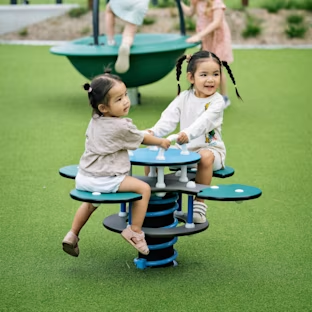
Preschools
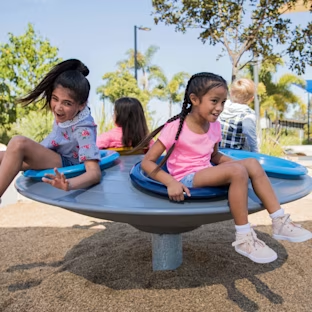
Primary Schools
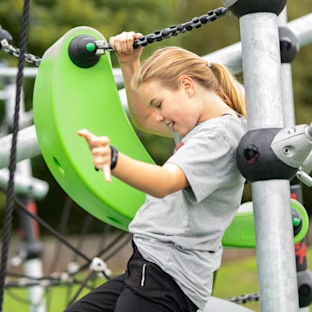
Secondary School
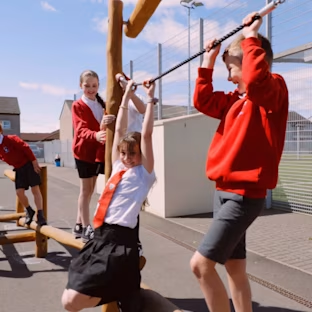
Special Education Needs

Education Playground Equipment
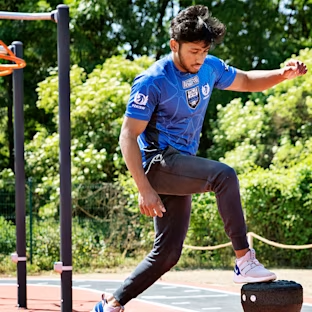
Colleges & Universities
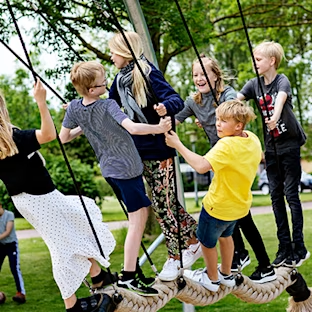
Schools