Surfacing guide
Sand playground surfacing
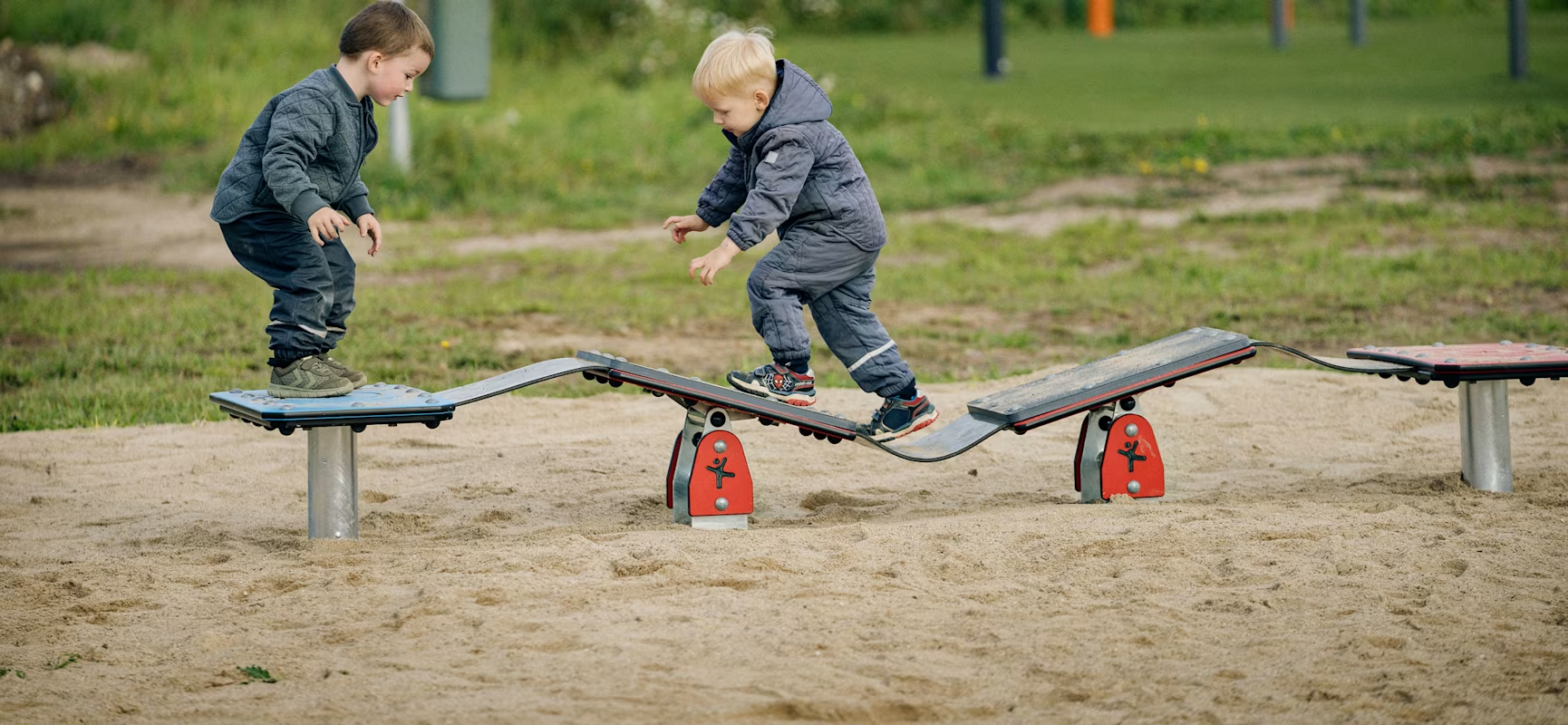
What is sand playground surfacing?
Using sand as playground surfacing is a well‑established, natural solution for outdoor play areas. It is commonly used across continental Europe in playgrounds, schools and nurseries where impact absorption, sensory play and a natural expression are prioritised.
As part of a wider range of playground surfacing options, sand surfacing is often selected for its simplicity, flexibility and familiarity.
As surfacing, sand is a loose‑fill, natural solution installed within a prepared and contained area. When installed at the correct depth, sand provides impact‑absorbing properties and supports varied types of play. In professional playground design, sand surfacing is typically used as a defined surface zone and combined with appropriate edging to keep the material in place over time.
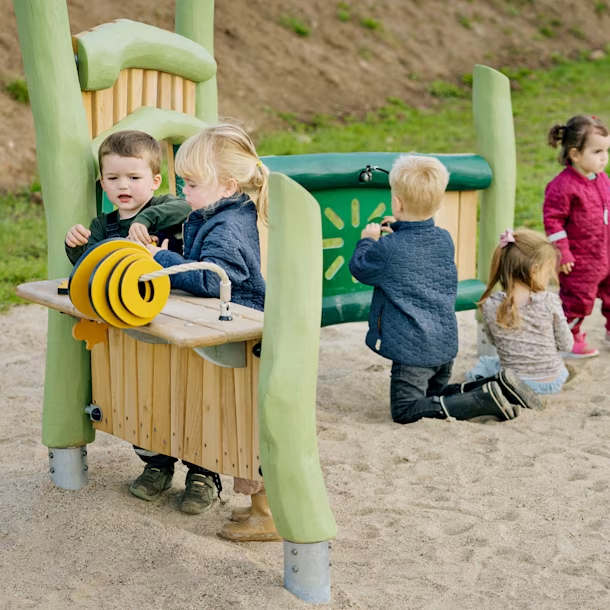
Where does sand playground surfacing work best?
Sand surfacing is commonly used in:
Traditional playgrounds
Nurseries and early years settings
Nature and landscape‑focused play spaces
Play areas that encourage free and imaginative play
Projects with limited installation complexity
It is particularly effective in zones where digging, shaping and sensory play are encouraged, and it works really well with where smaller kids can build and explore on their own.
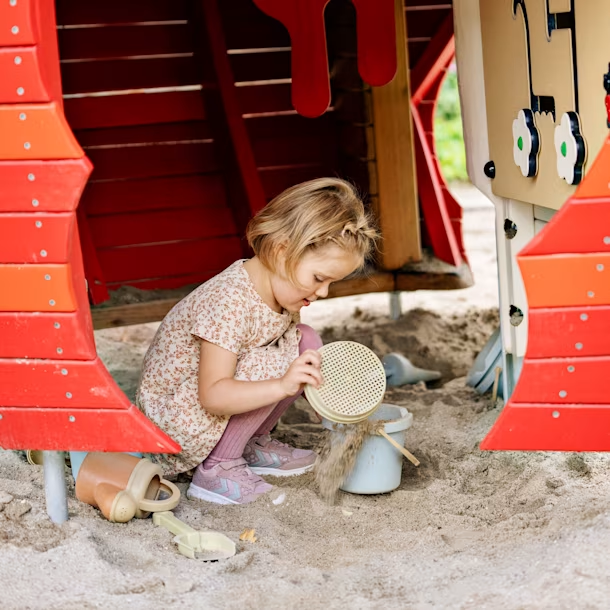
Sand compared to other playground surfacing options
It is rarely either or when it comes to playground planning. Depending on the size of your site, you will often find yourself choosing multiple surfacing options.
At a glance, this is the main difference between sand and other surfacing types:
Sand vs hybrid grass: Sand supports digging and loose play, while hybrid grass offers a firmer, more accessible natural surface. Sand is good for sensory play, while hybrid grass is good when you want a natural finish in places where children play a lot. like a zipline track.
Sand vs rubber surfacing: Rubber provides consistent fall protection and accessibility with lower maintenance, and the customisation is almost endless. So if you want colours or pathways in your surfacing, pour in place surfacing could be the way to go.
Sand vs artificial grass: Artificial grass offers a stable, durable surface for higher use intensity like on multisport courts, where sand would not be to optimal choice.
The most suitable solution depends on use, safety requirements, accessibility goals and maintenance expectations.
Benefits and limitations of choosing sand as your surfacing
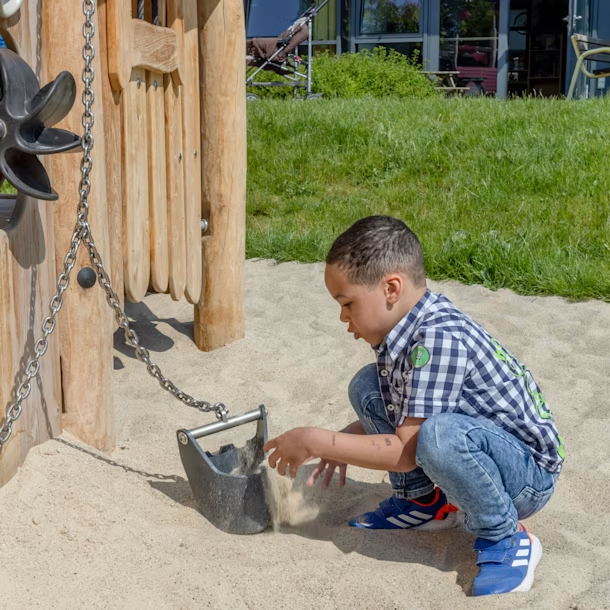
Benefits of sand as a playground surfacing option
Sand remains a popular playground surfacing solution due to several practical benefits:
Natural material that integrates easily into outdoor and landscape‑led designs
Impact‑absorbing properties when installed at sufficient depth
Supports creative and sensory play, including digging and shaping
Flexible solution suitable for a wide range of playground layouts
Widely recognised and understood by children, carers and specifiers
For projects where a natural look is important and use intensity is moderate, sand surfacing can be an appropriate choice.
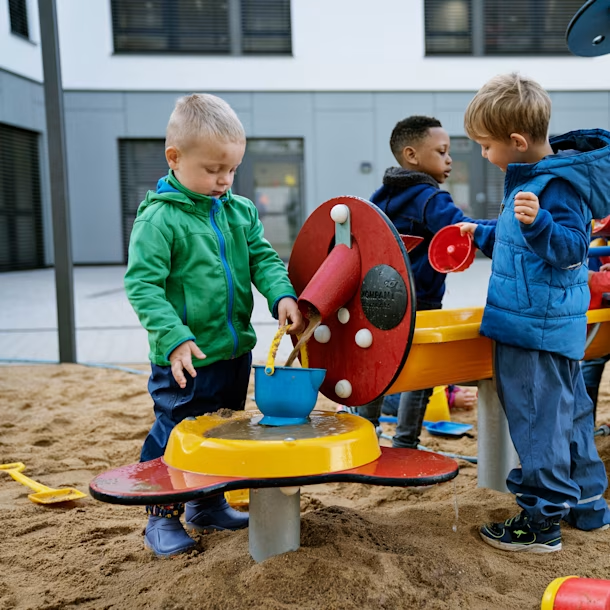
Limitations and considerations
When specifying sand as your surfacing type, it is important to consider its limitations:
Requires regular maintenance, including raking and topping up
Sand can be displaced through play and weather
Limited accessibility for wheelchairs and pushchairs
Less suitable for high‑traffic or confined urban playgrounds
Cleanliness and hygiene must be managed in public environments
Depending on your specific site, these factors mean sand is often best used as part of a broader surfacing strategy rather than as a single, site‑wide solution.
How to install and maintain
Sand can be a cheaper surfacing option for your playground, but it also require more ongoing maintenance which need to be taken into consideration when planning your site.
Choosing the right playground surfacing
There is no single surfacing solution that fits every playground. Sand playground surfacing is one of several options and works best when selected deliberately, based on how the area will be used.
Many playgrounds benefit from combining sand with other surfacing types to achieve the right balance between play value, safety, durability and accessibility. In practice that could be a designated area like a sand box, where the children can play and build with the sand. Another area could be for sports, where could be a better surfacing option because it withstand heavy usage. For the main playground area, is a good choice as it also withstand heavy usage, is easy to clean and safe.
Frequently asked questions
Sand is a safe playground surfacing option when installed and maintained at the correct depth. As a loose‑fill surface, sand provides impact absorption and is commonly used in playgrounds and early years settings, particularly where fall heights are low.
Sand requires regular maintenance to remain effective and tidy as surfacing for your playground. This typically includes raking, levelling and topping up sand, as the material is displaced over time through play and weather conditions.
Sand is suitable for public playgrounds and schools where ongoing maintenance is planned. It is often chosen for traditional playgrounds and kindergartens where natural play, digging and sensory experiences are a key focus.
Sand surfacing can present challenges for inclusive playground design. As a loose material, it is more difficult to navigate with wheelchairs, walking aids and pushchairs.
For this reason, sand is often:
Combined with firmer surfacing along main access routes
Used in specific play zones rather than across the entire playground
This approach helps balance play value with accessibility requirements.