KSW90014
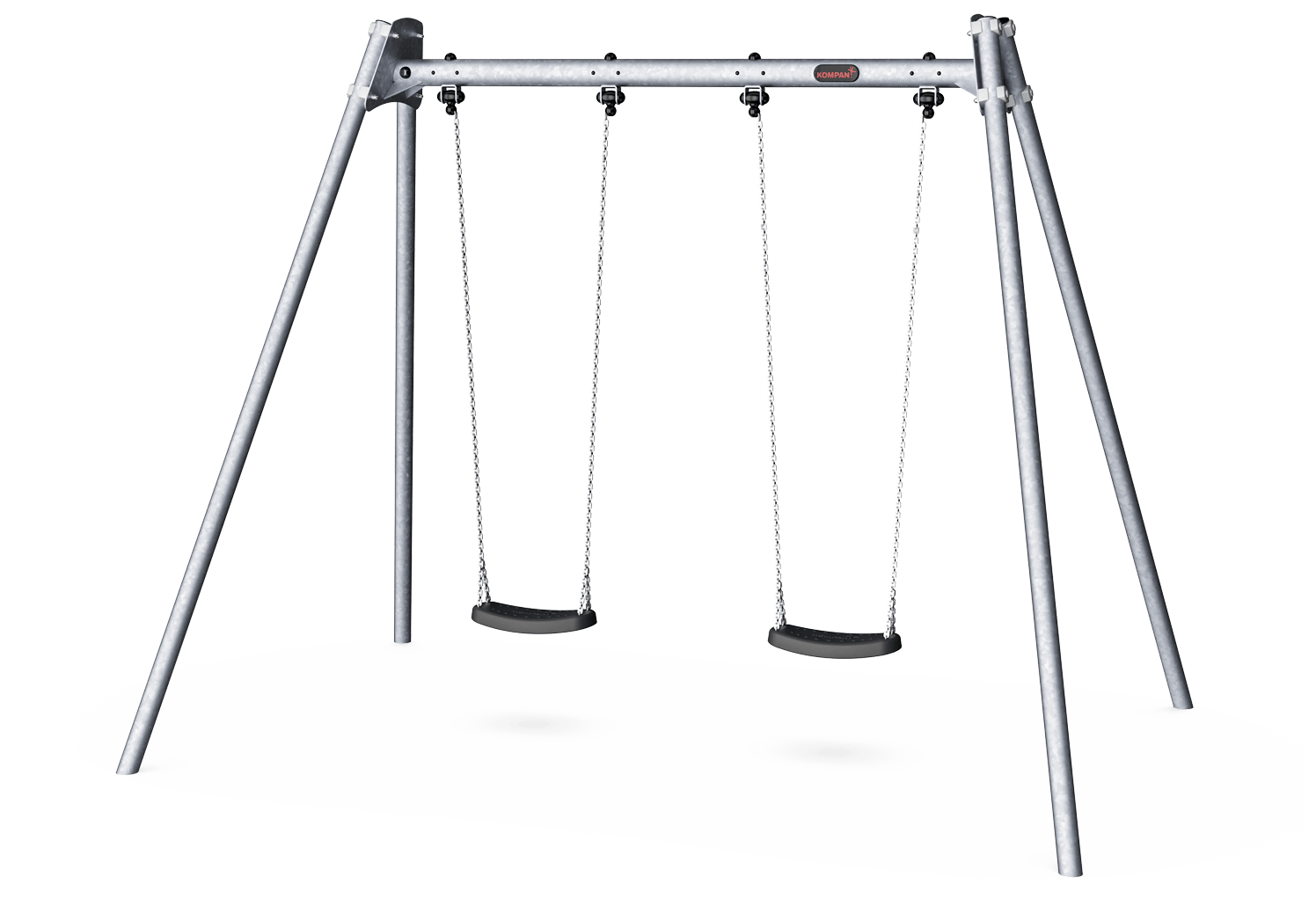
Swing H:2.5m, Std. Seats
product price
1,490 GBP
Age Group
2+ Years
Capacity
2
Inclusive
Yes
Product Category
KSW90014
Swing H:2.5m, Std. Seats
Specifications
Swing H:2.5m, Std. Seats
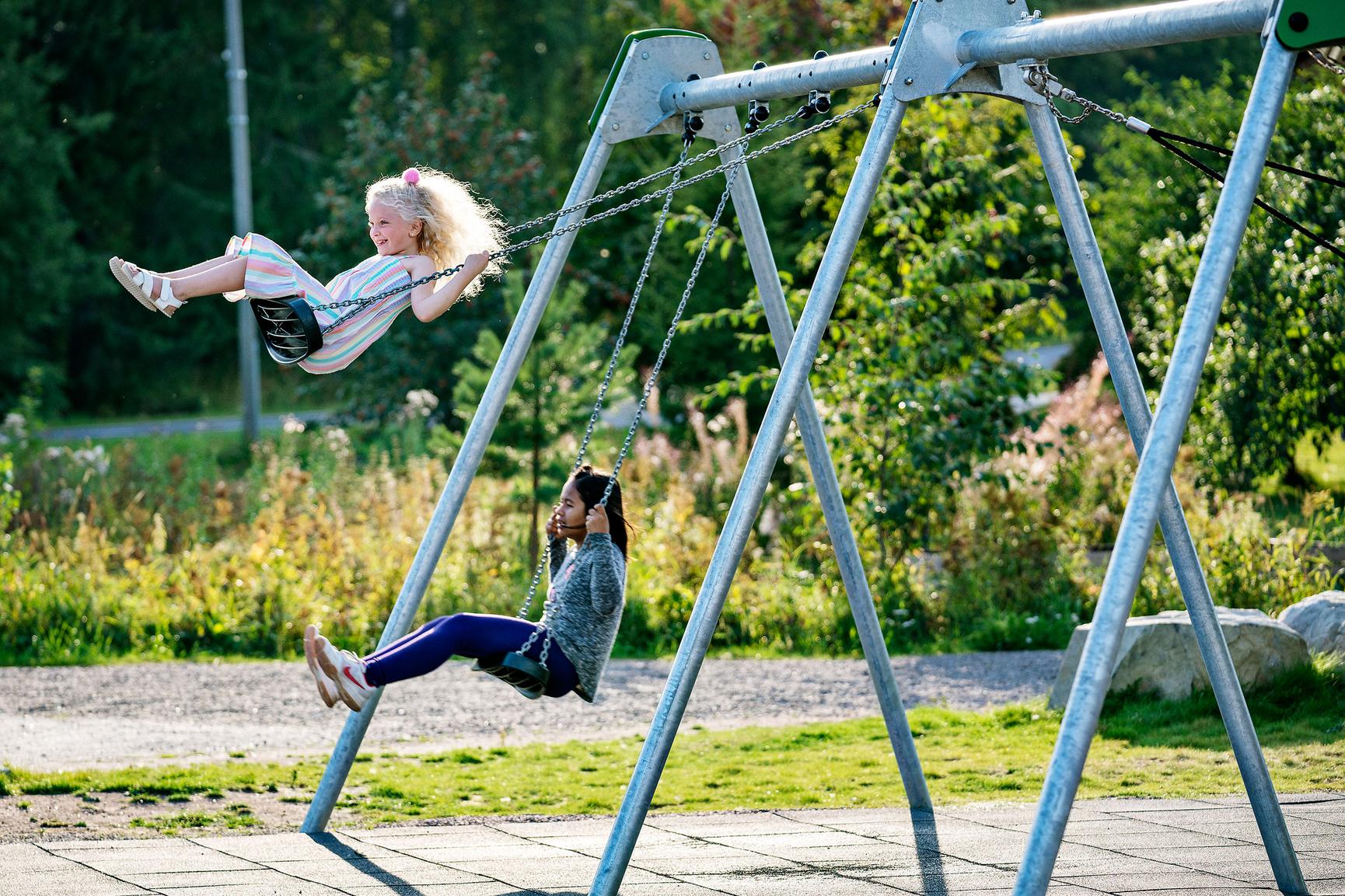
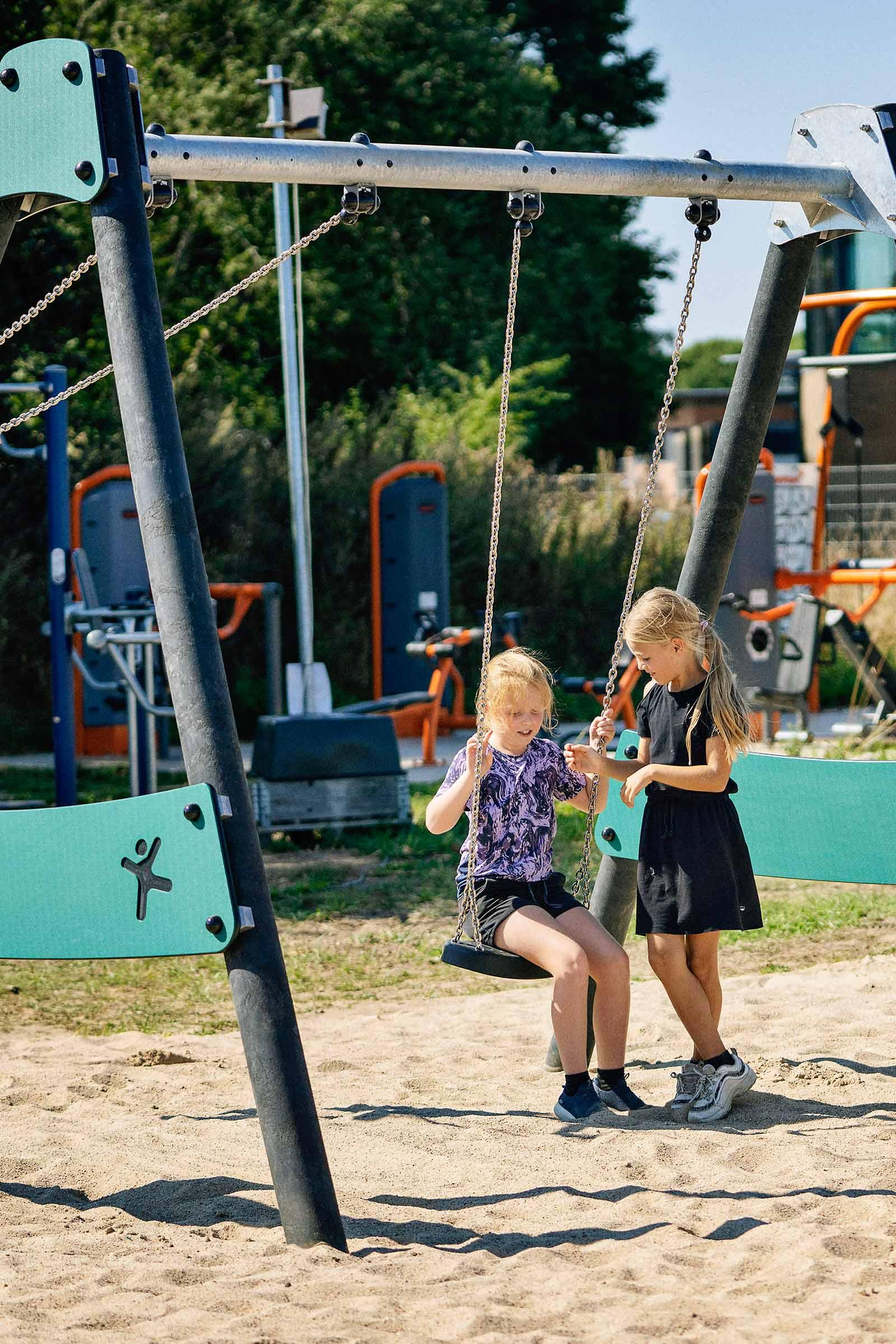
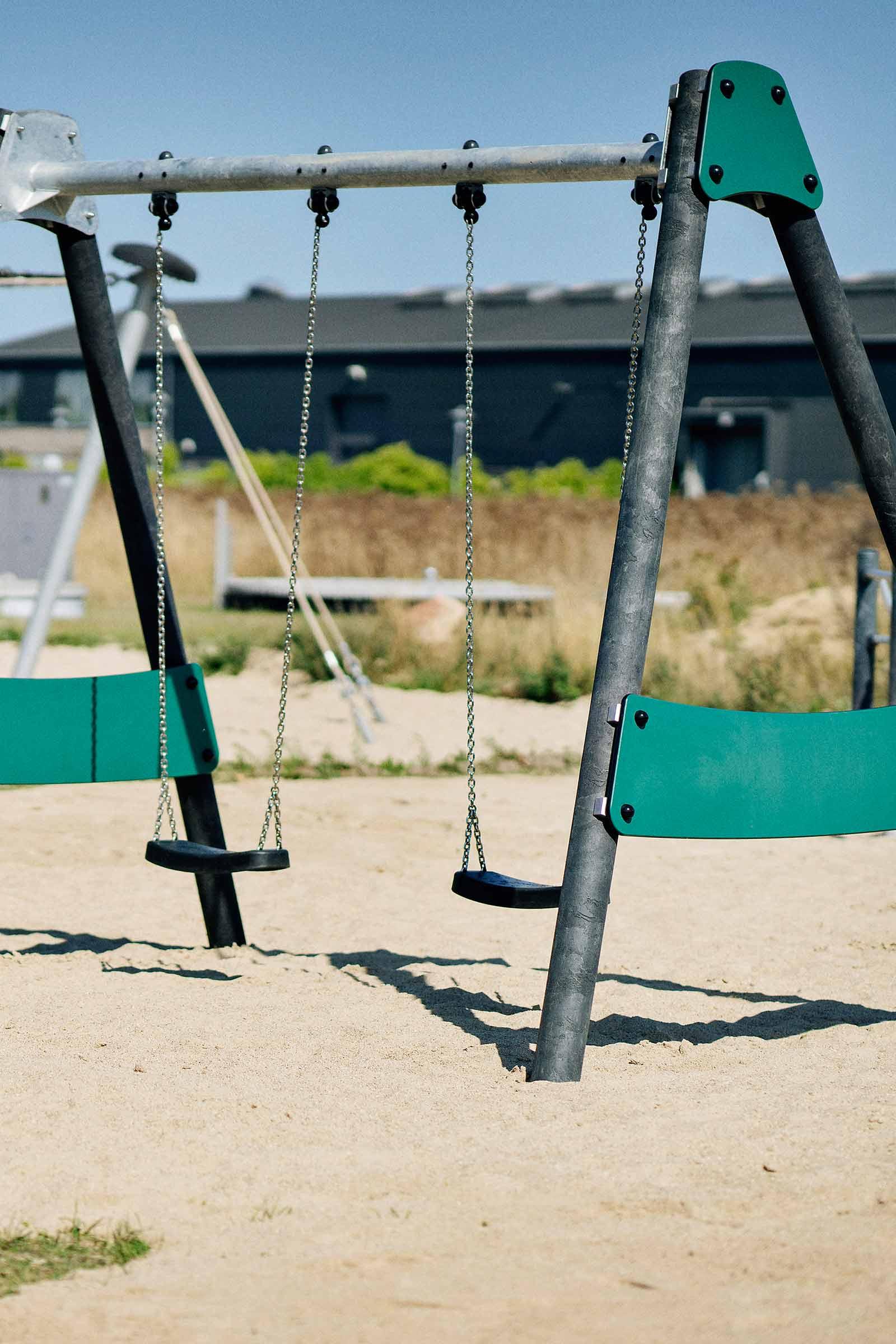
KOMPAN swings can be configured to adapt to individual needs & demands. All A-Frame swings are available in 2m and 2.5m height with posts of impregnated pinewood, hardwood or hot-dip galvanized steel. As seats we offer standard swing seat, cradle seat, toddler seat or bird nests with a diameter of ø100cm or 120cm. In addition, the seats are available with either hot dip galvanized chains or stainless steel chains and if preferred with anti-wrap suspensions. The modular swing system also enables multibay configurations with 2,3,4 or more sections.
This product, Swing H:2.5m, Std. Seats (KSW90014), is provided by KOMPAN United Kingdom.
Length
354 cm
Width
240 cm
Height
274 cm
Fall Space Length
296 cm
Fall Space Width
787 cm
Age Group
2+ Years
Key User Group
2 - 15 Years
Capacity
2
Inclusive
Yes
Product Category
Classic Playgrounds
Product Line
Classic Freestanding Play Equipment
Product Highlights
Quality that lasts
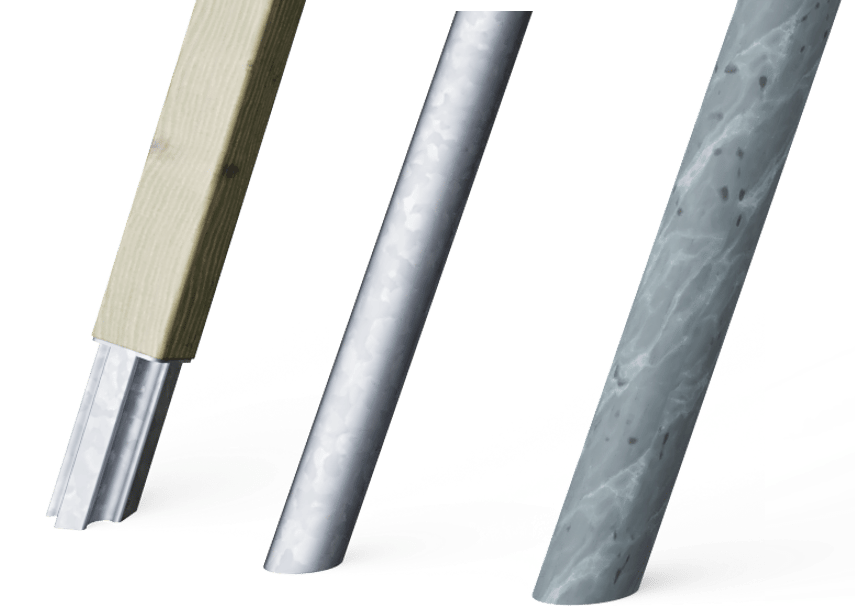
The A-Frame is available with tree post material options: Hot dip galvanized ø76mm steel, impregnated pine wood 95x95mm with hot dip galvanized steel footings or ø120mm TexMade™ posts.
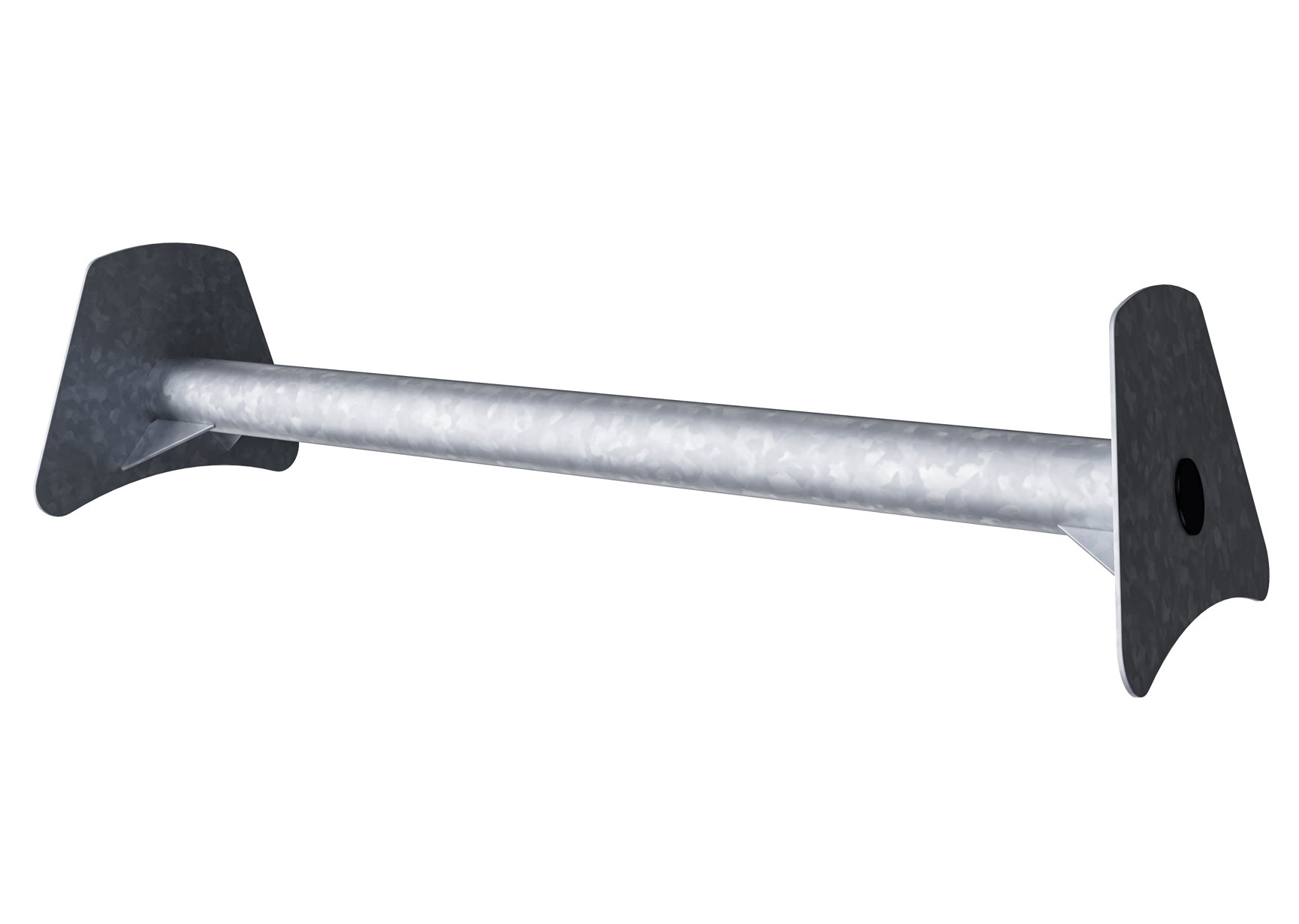
The A-Frame is designed with hot dip galvanized ø100mm crossbar with large steel end plates for strong fixation to the posts. The crossbeam is prepared for all KOMPAN hanger options.
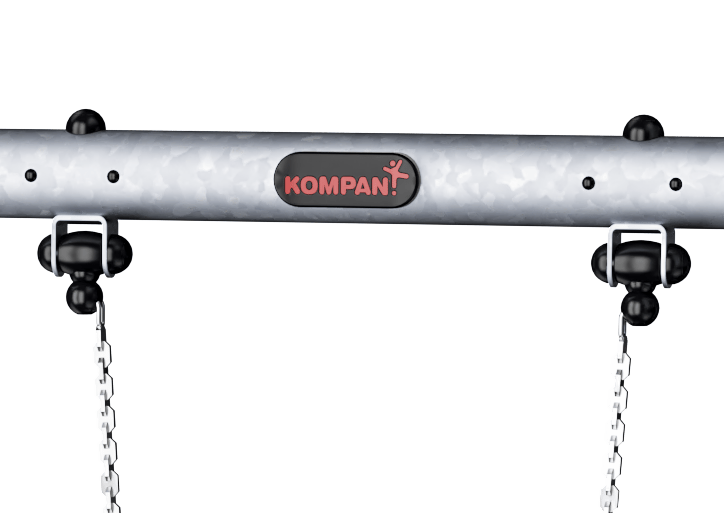
The swing hangers are made of high quality UV-stabalised nylon (PA6) housing with integrated lifetime sealed ball bearings. The height adjustable chains are fixed by a stainless steel hook with theft proof snake-eye bolt in a turn able anti twist housing. All seats with two chain fixation are available with either standard or anti-wrap suspension.
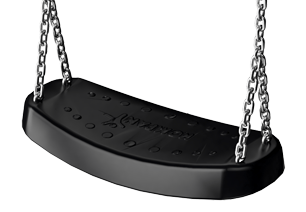
The standard seats of KOMPAN swings is engineered for maximum safety and durability. The two component seat with a PP inner core and outside rubber is produced in one operation. The seats are available with swing chains of either hot dip galvanised steel or stainless steel for all swings heights.
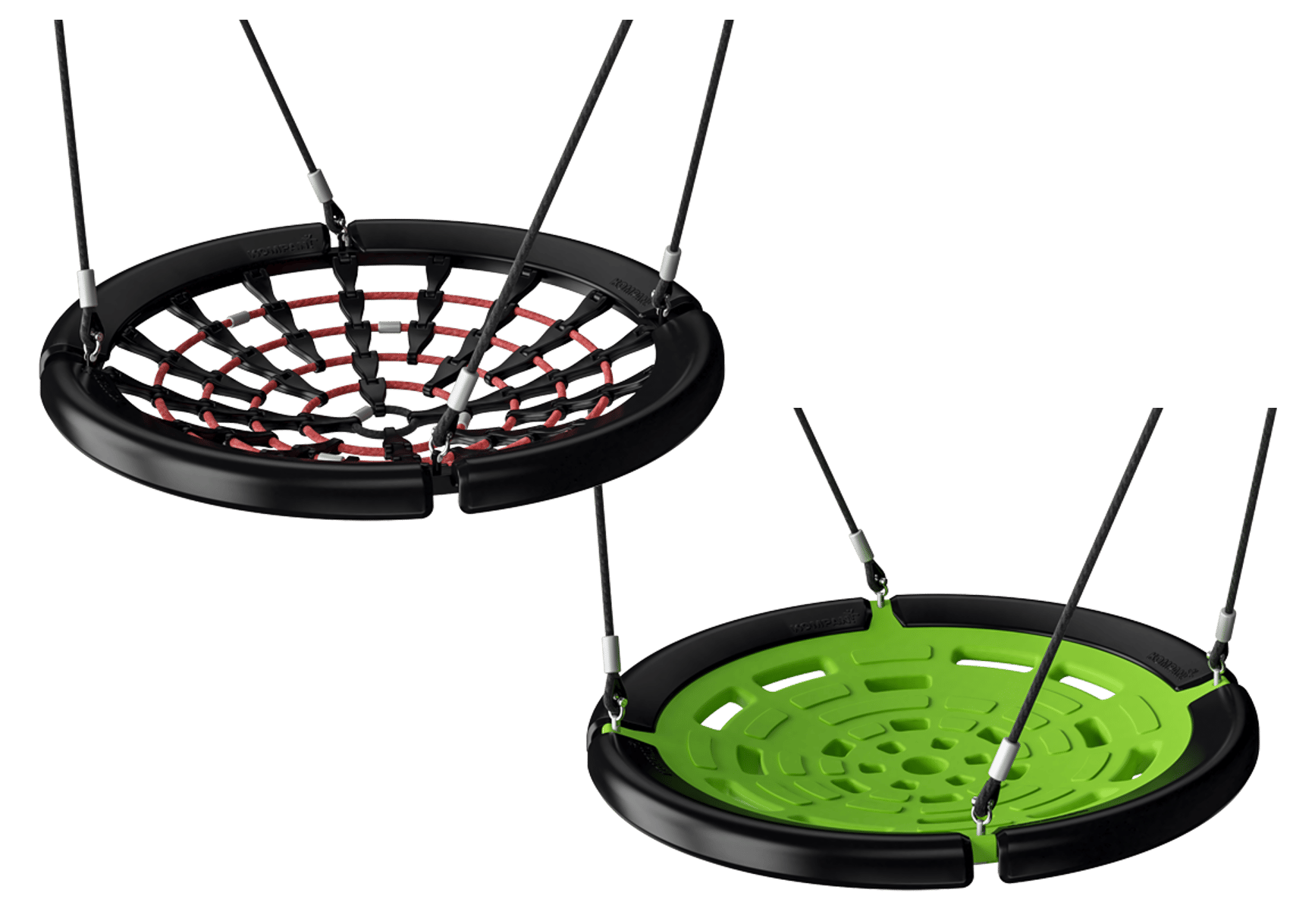
KOMPAN designed the bird's nest seats to be light in weight and in compliance with global safety standards. The soft, shock absorbent bumpers with non-slip surface makes the swing seat extremely user friendly. Choose between a rope version with reinforced PA rope or a moulded PE version. Both equipped with soft rubber bumpers.
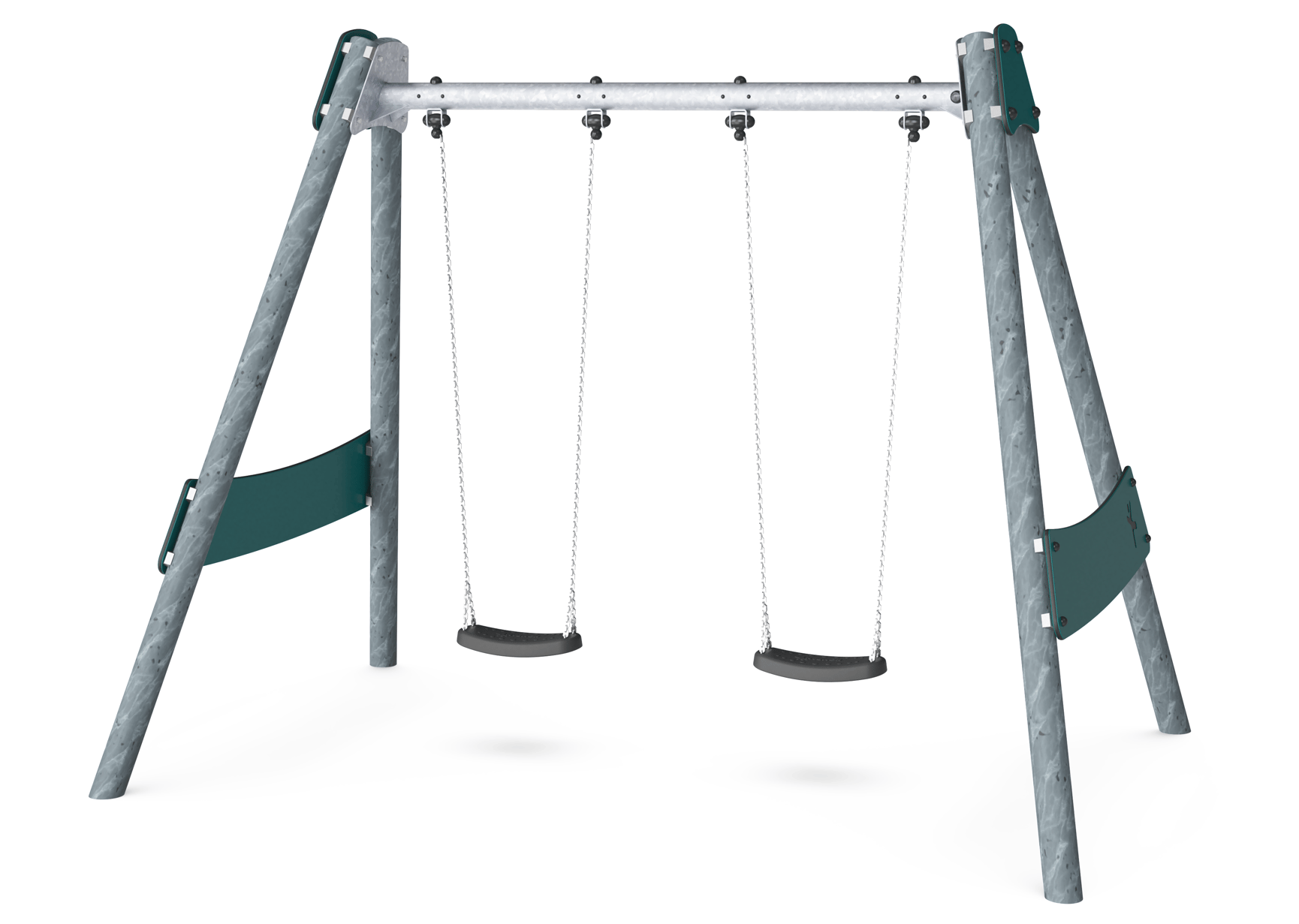
KOMPAN GreenLine versions are designed with the ultimate environmentally friendly materials with the lowest possible CO2e emission factor. TexMade post, CircularHDPE panels of 95% post-consumer recycled waste and moulded PP decks.
Play Activities

Balance
2

Jump
2

Sensory
4

Socialize
1

Swing
2
Each play activity represents a type of play experience, such as balancing, social interaction, climbing, or sensory exploration. The number indicates how many opportunities the product offers for children to engage in that activity. Together, these activities help create a varied and developmentally rich play experience.
CO₂ emission
Sustainability Data
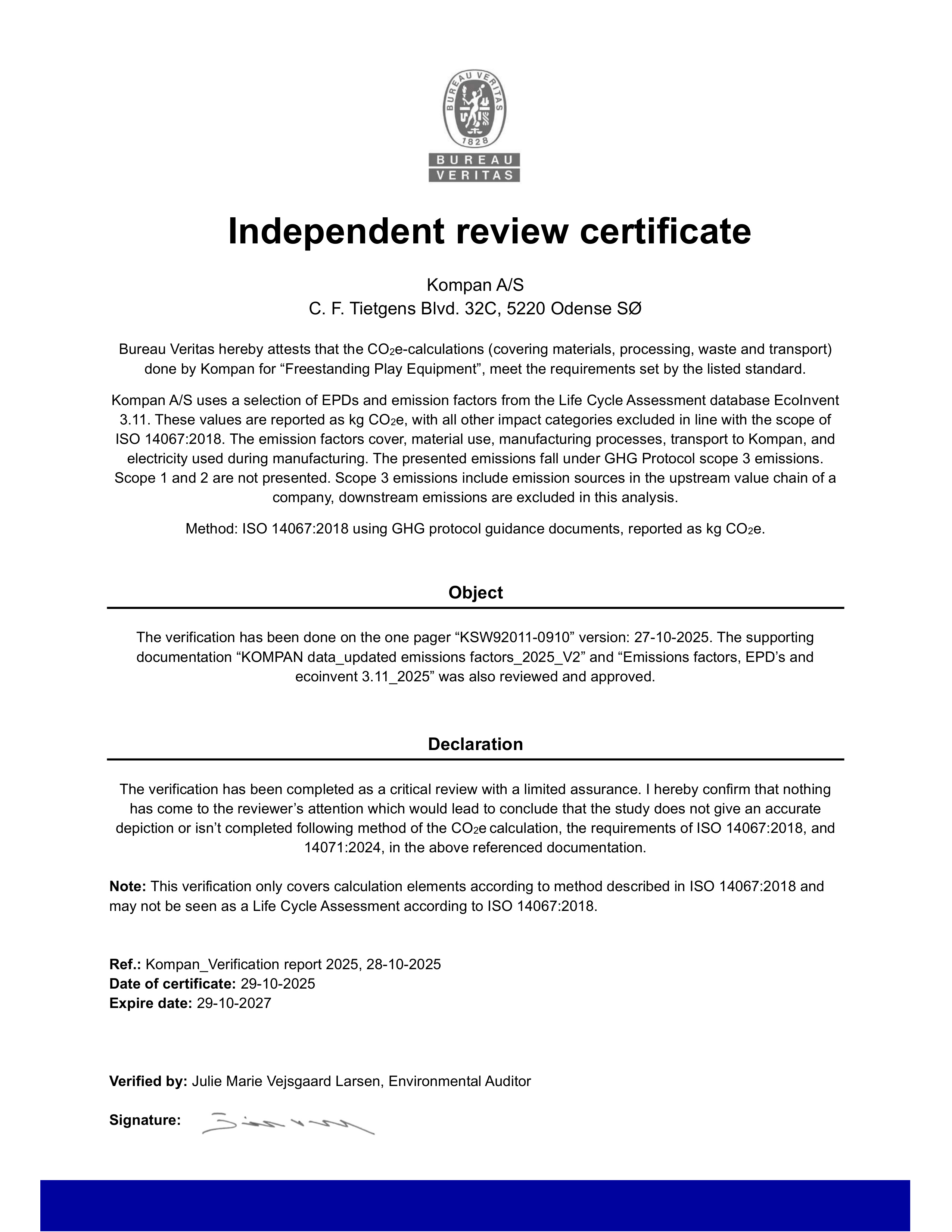
Our product and sustainability data validation help customers make informed sustainable buying choices based on methods validated by Bureau Veritas.
KSW90014-0950
482.01
Total CO₂ emission (kg CO₂e)
1.59
CO₂e/kg (kg CO₂e/kg)
86.26%
Recycled materials
KSW90014-0909
636.56
Total CO₂ emission (kg CO₂e)
4.64
CO₂e/kg (kg CO₂e/kg)
47.72%
Recycled materials
The overall framework applied for these factors is the Environmental Product Declaration (EPD), which quantifies "environmental information on the life cycle of a product and enable comparisons between products fulfilling the same function" (ISO, 2006). This follows the structure and applies a Life-Cycle Assessment approach to the entire Product stage from raw material through manufacturing (A1-A3).