KPW102201
Multideck Tower
product price
4,100 GBP
Age Group
2+ Years
Capacity
7
Inclusive
No
Product Category
KPW102201
Multideck Tower
Specifications
Multideck Tower
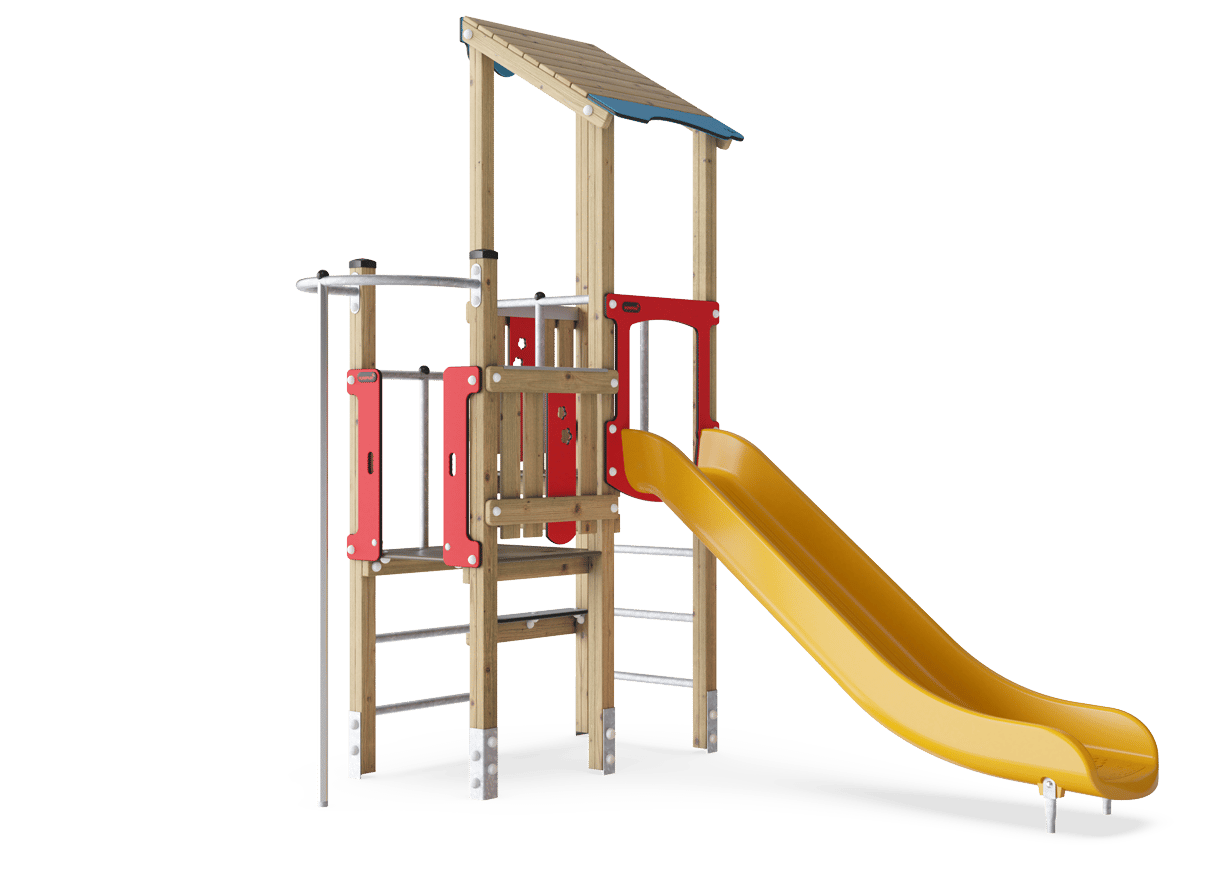
The Multideck tower is an active, colorful play unit which attracts toddlers to come and climb, slide and glide. This compact unit offers layers of play opportunities and attracts children again and again. The pipe ladder offers a challenging climb up to the platform. This trains muscles and cross-coordination. Cross-coordination is a fundamental skill for later literacy. From the platform, there are two fun ways down to the ground, sliding or gliding. The fireman’s pole trains the child’s major muscles and gives them an understanding of space, which is fundamental for understanding mathematics. The slide trains the child’s core stability and sense of balance. A desk creates a social-emotional retreat under the structure.
This product, Multideck Tower (KPW102201), is provided by KOMPAN United Kingdom.
Length
289 cm
Width
193 cm
Height
307 cm
Fall Space Length
589 cm
Fall Space Width
486 cm
Age Group
2+ Years
Key User Group
2 - 6 Years
Capacity
7
Inclusive
No
Product Category
Nature Playgrounds
Product Line
Northland Play Structures
Product Highlights
Quality that lasts
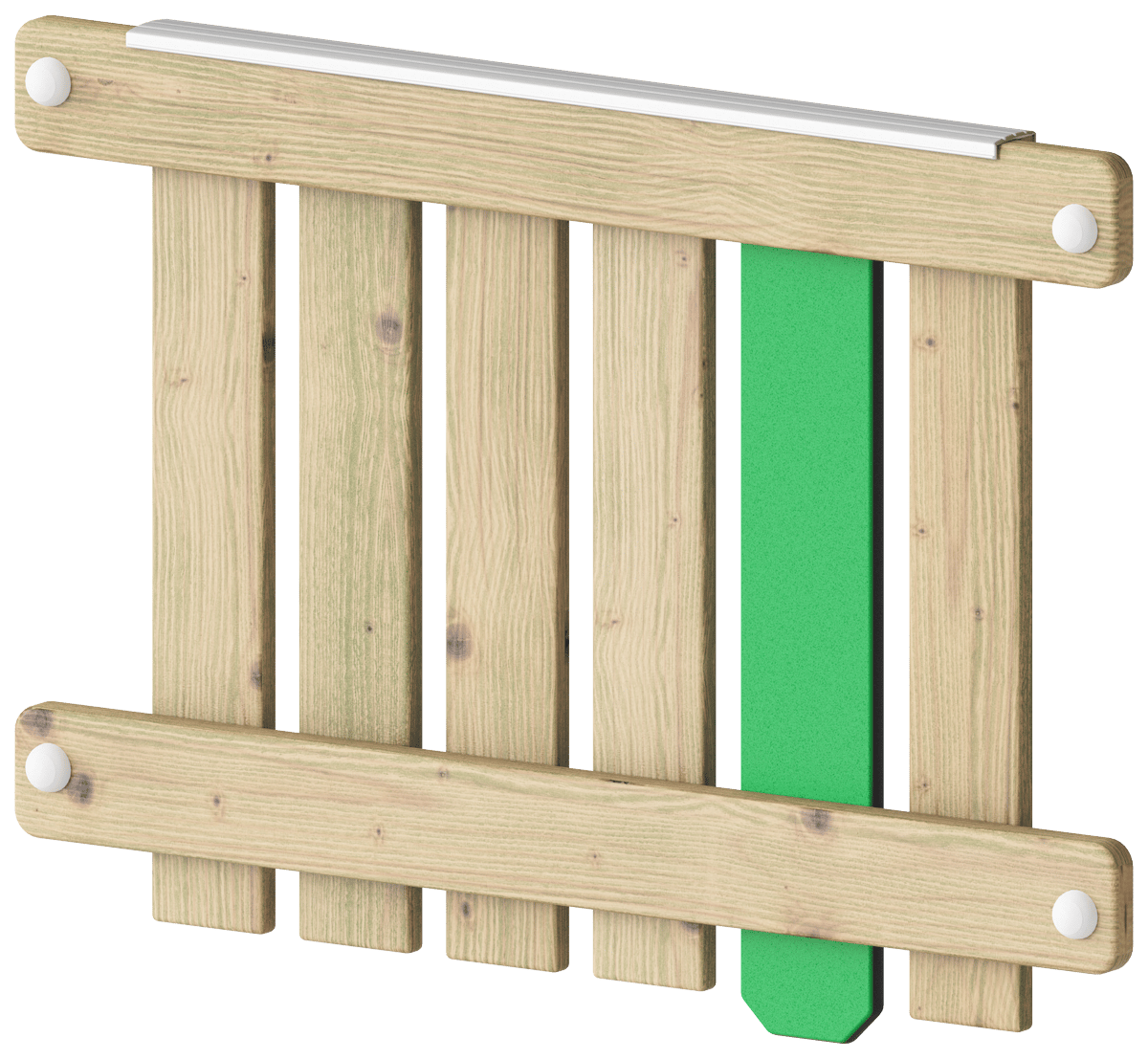
Panels of FSC®-certified (FSC®C004450) pine wood with pressure-impregnated base treatment. Vertical boards and top ends are protected by a unique aluminium profile for high outdoor durability.
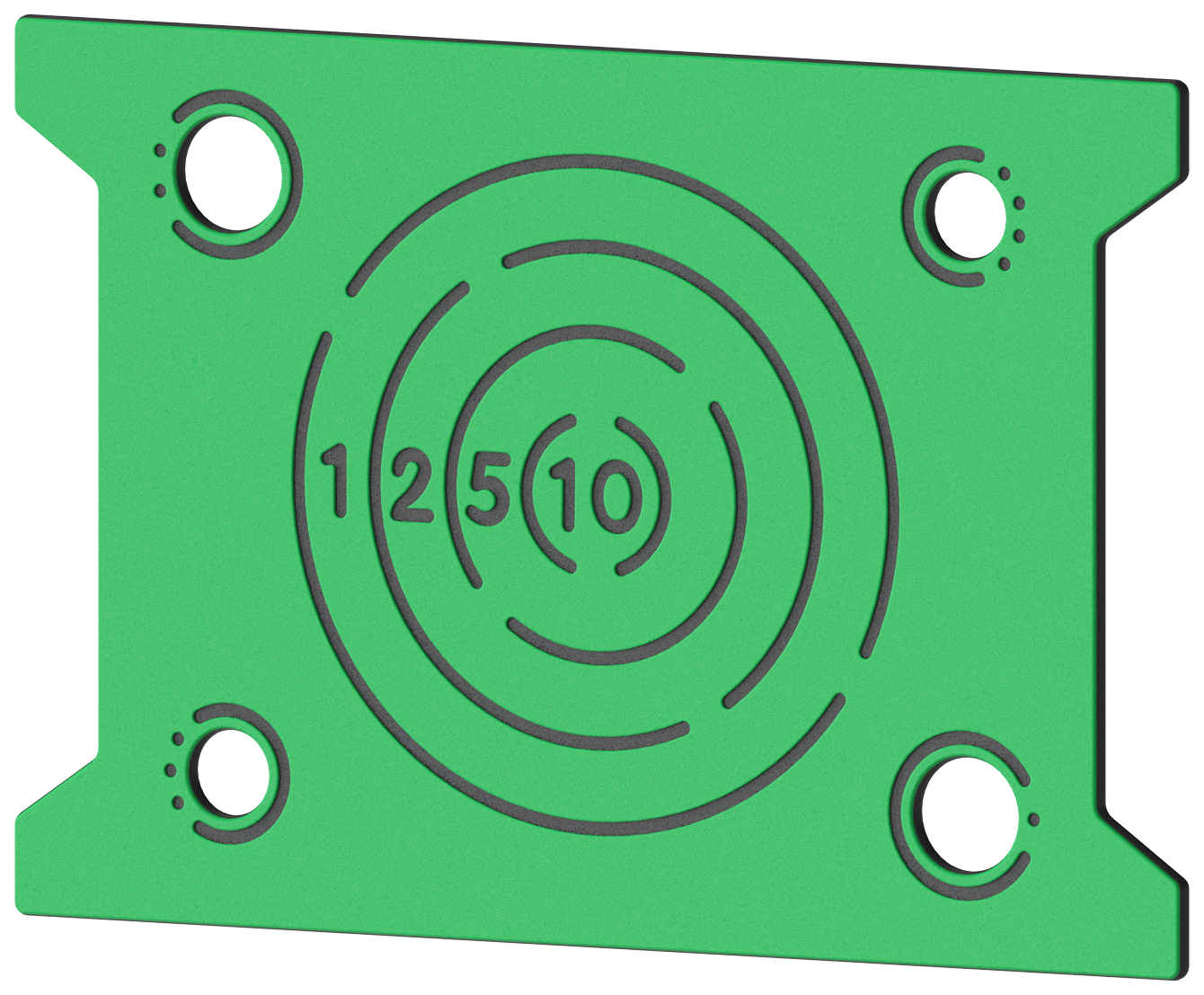
Panels of 19mm CircularHDPE. CircularHDPE is a highly durable, eco-friendly material, which is not only recyclable after use, but also consists of material produced from +95% recycled post-consumer material from food packing waste.
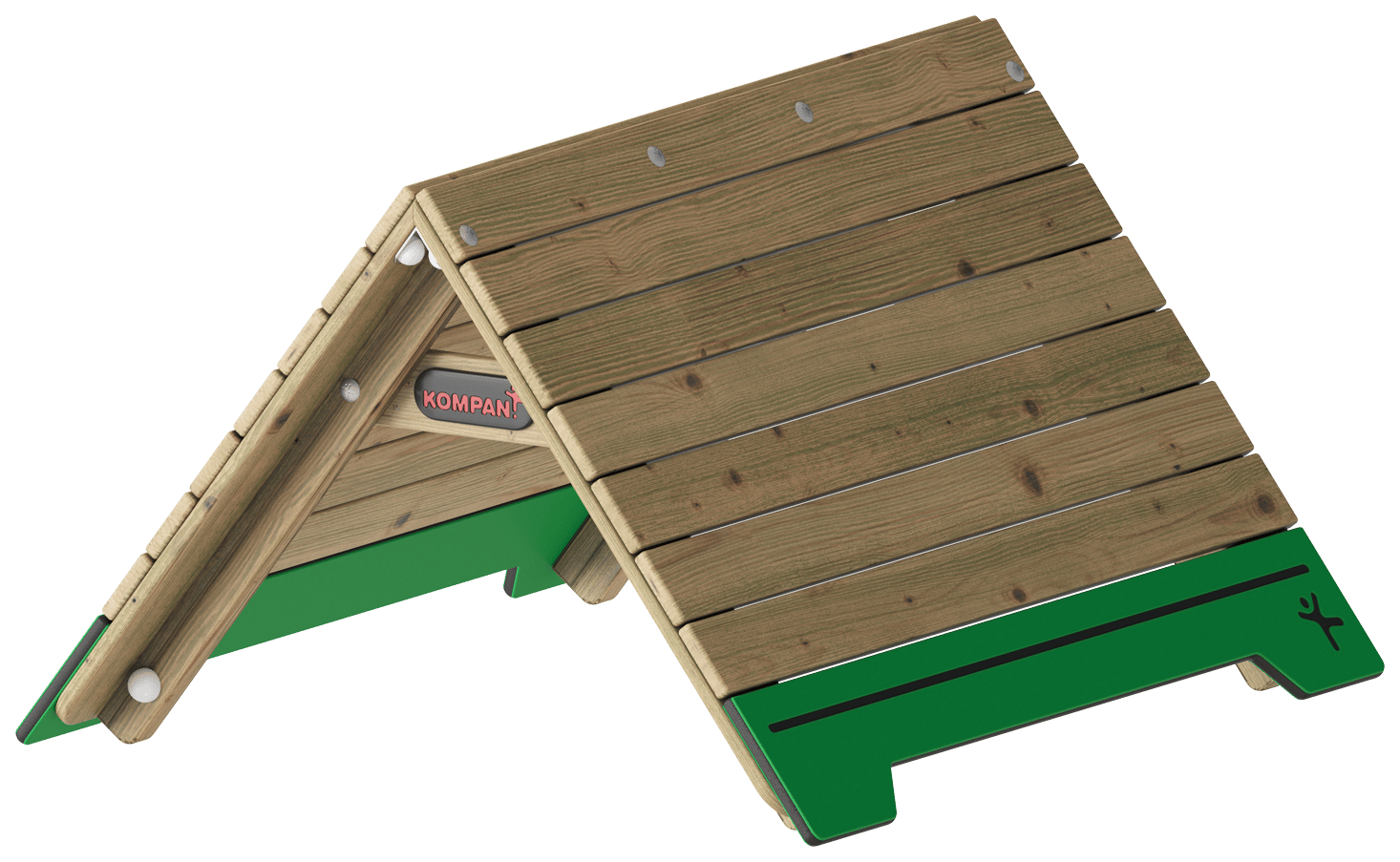
Roof of FSC®-certified (FSC®C004450) pine wood with pressure-impregnated base treatment.
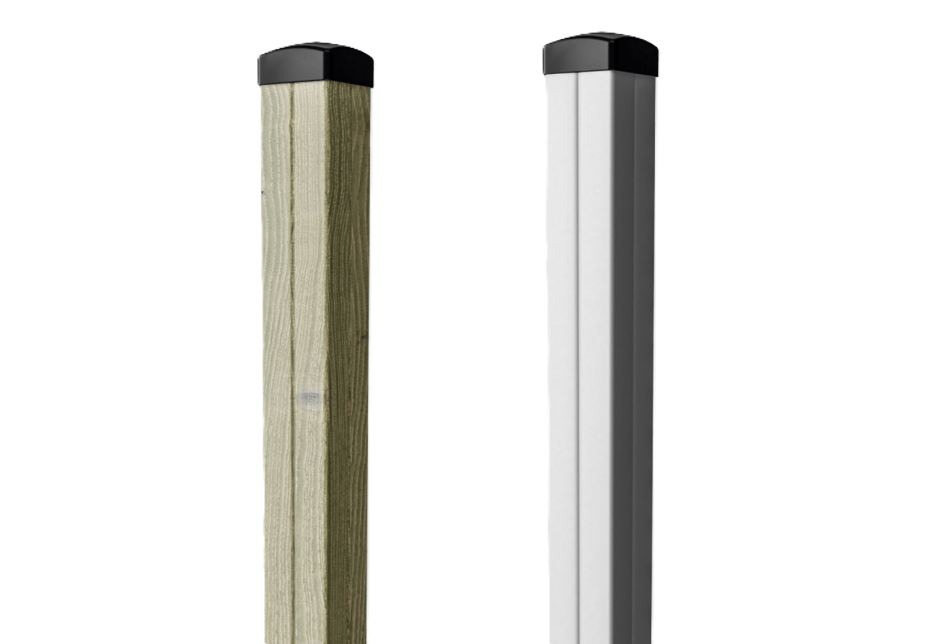
The main tower posts are available in two types of material: European pine wood posts, pressure impregnated Class 3 according to EN335 (Equivalent to NTR Class AB). Aluminum post t=2mm with anodized surface treatment. Base material EN AW-6060 T66.
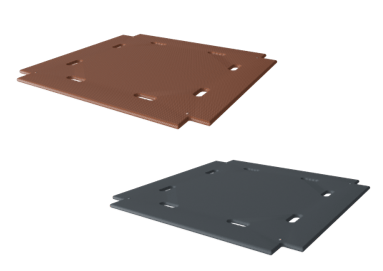
Floors and panel activities are available in two types of material: Waterproof plywood decks, thickness 16mm from pine and alder wood with anti-slip film on both sides. High Pressure Laminate HPL thickness 17.8mm with slip-resistant surface texture according to EN 438-6.
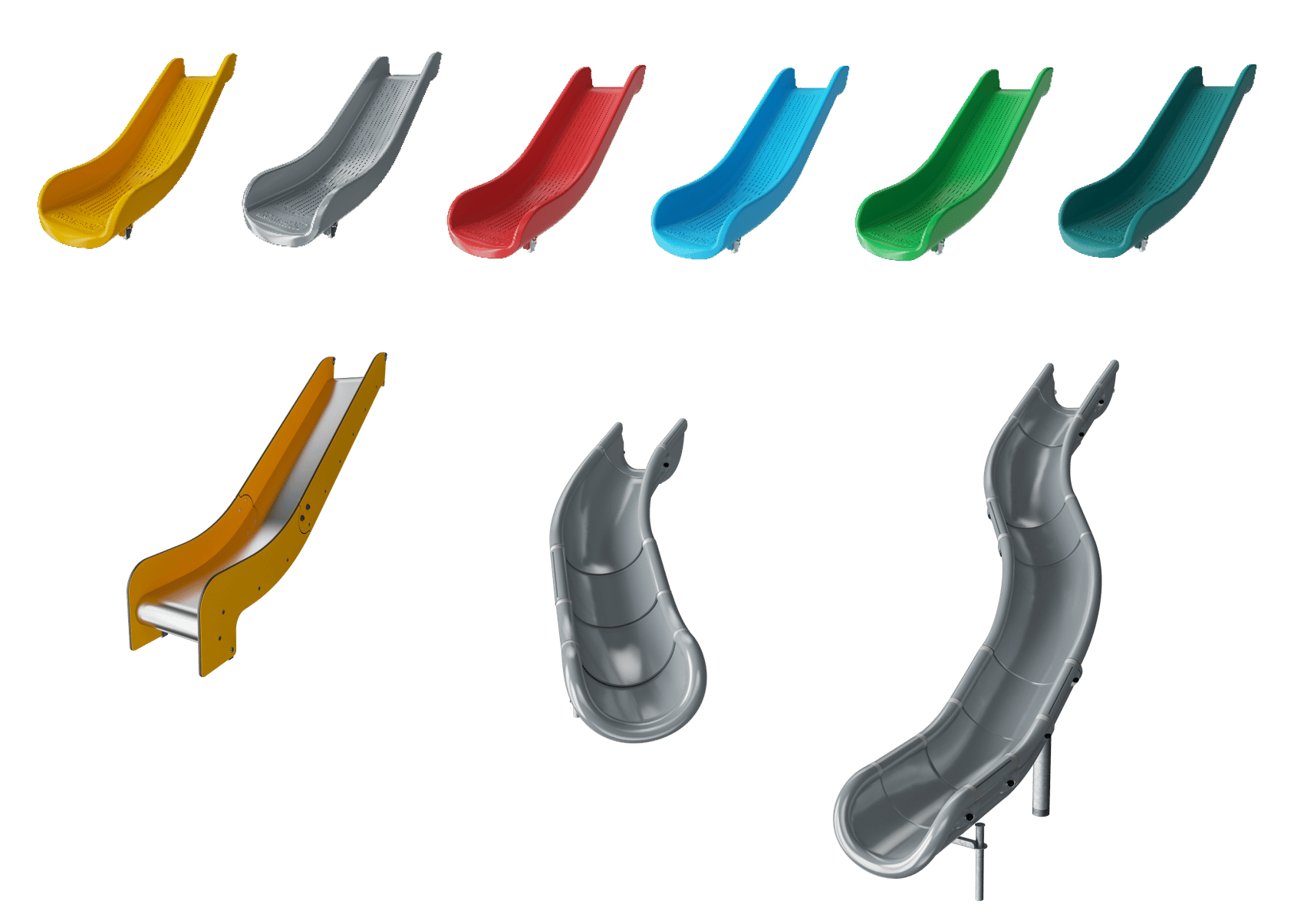
The slides can be chosen in six different colours and three materials: Straight or curved one-piece moulded PE slides, made from 33% recycled post-consumer materials in different colours. Combined CircularHDPE sides and stainless-steel. Full stainless steel in a one-piece design for greater vandalism resistance.
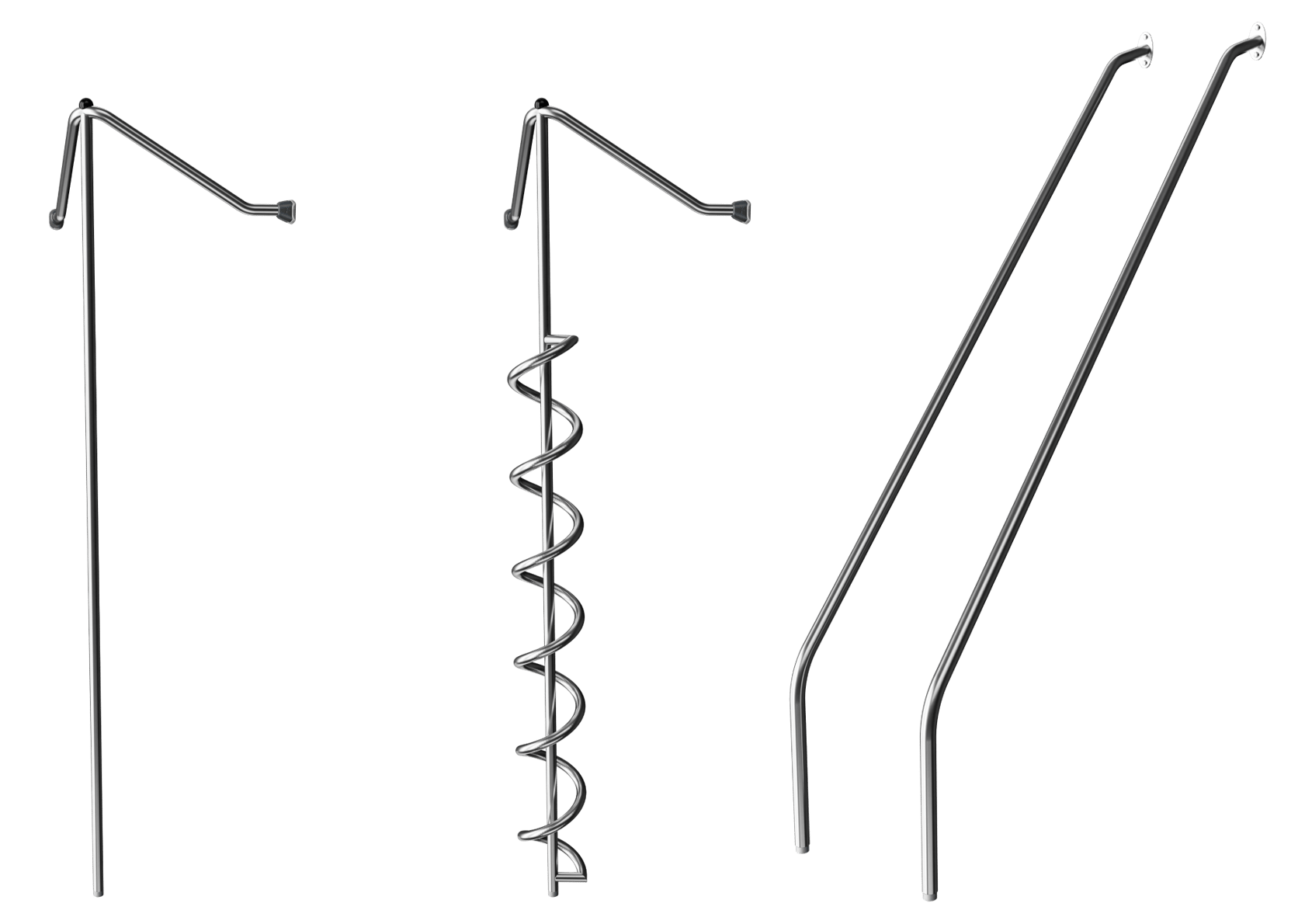
The stainless-steel activities are made of high-quality stainless steel. The steel is cleaned by a total pickling process after manufacturing to ensure a smooth and clean gliding surfaces.
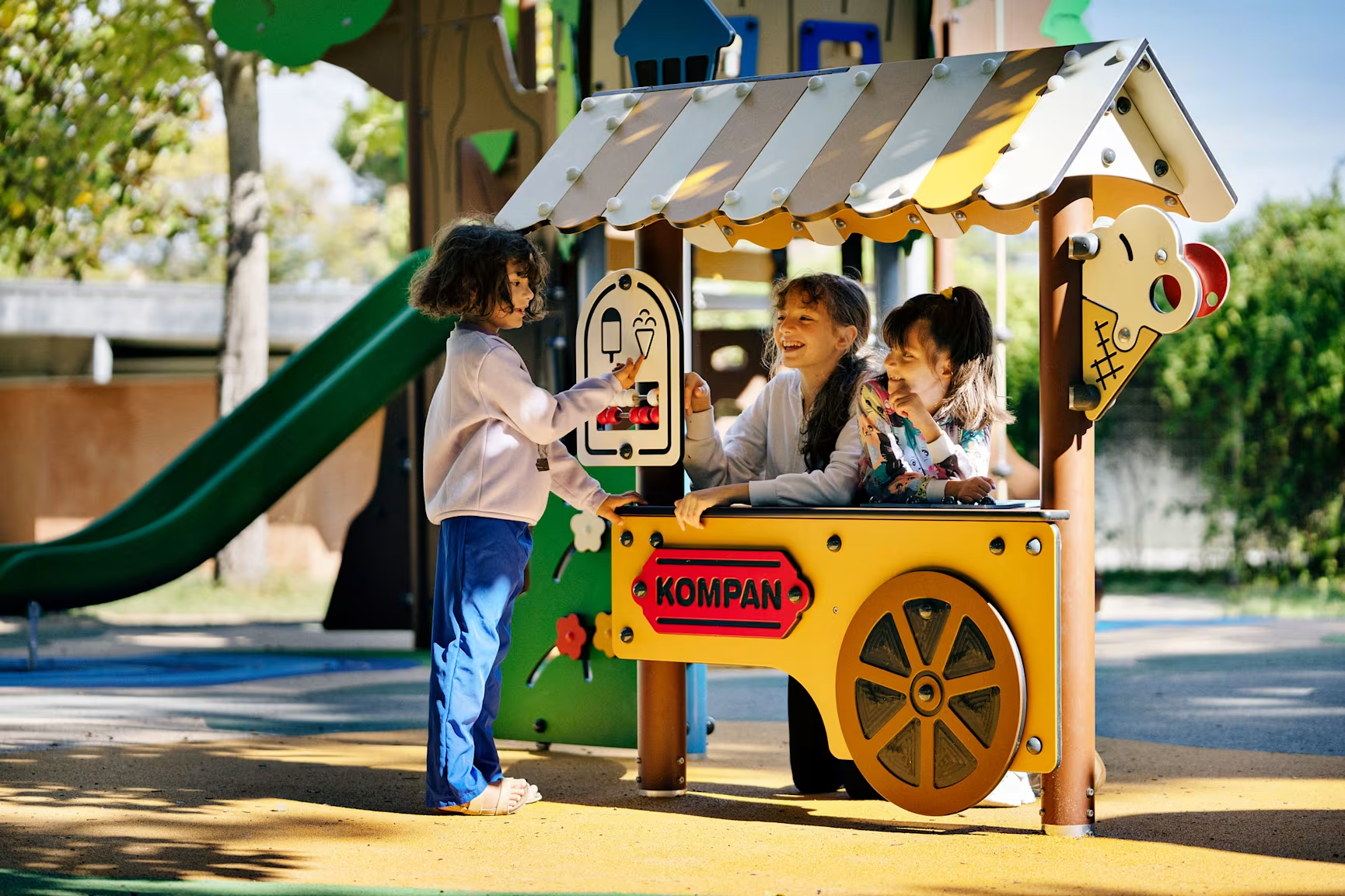
Play Activities

Balance
1

Climb
2

Glide
1

Hang in arms
1

Jump
1

Sensory
5

Slide
1

Socialize
4
Each play activity represents a type of play experience, such as balancing, social interaction, climbing, or sensory exploration. The number indicates how many opportunities the product offers for children to engage in that activity. Together, these activities help create a varied and developmentally rich play experience.
CO₂ emission
Sustainability Data
Our product and sustainability data validation help customers make informed sustainable buying choices based on methods validated by Bureau Veritas.
KPW102201-0901
520.18
Total CO₂ emission (kg CO₂e)
2.52
CO₂e/kg (kg CO₂e/kg)
26.92%
Recycled materials
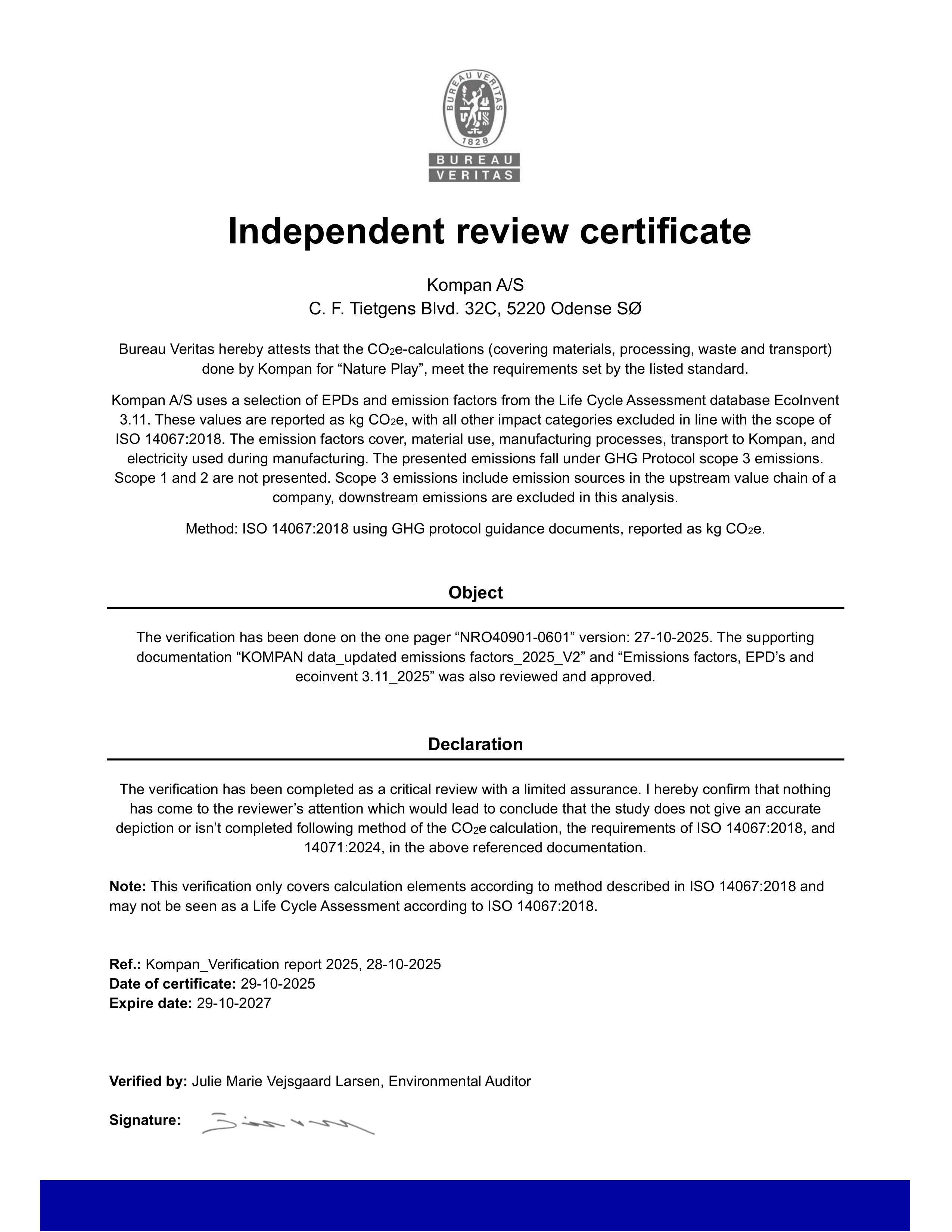
The overall framework applied for these factors is the Environmental Product Declaration (EPD), which quantifies "environmental information on the life cycle of a product and enable comparisons between products fulfilling the same function" (ISO, 2006). This follows the structure and applies a Life-Cycle Assessment approach to the entire Product stage from raw material through manufacturing (A1-A3).