Theme

Cognitive
suggests a theme and supports dramatic play, which stimulates language and communication skills.
KPB50201
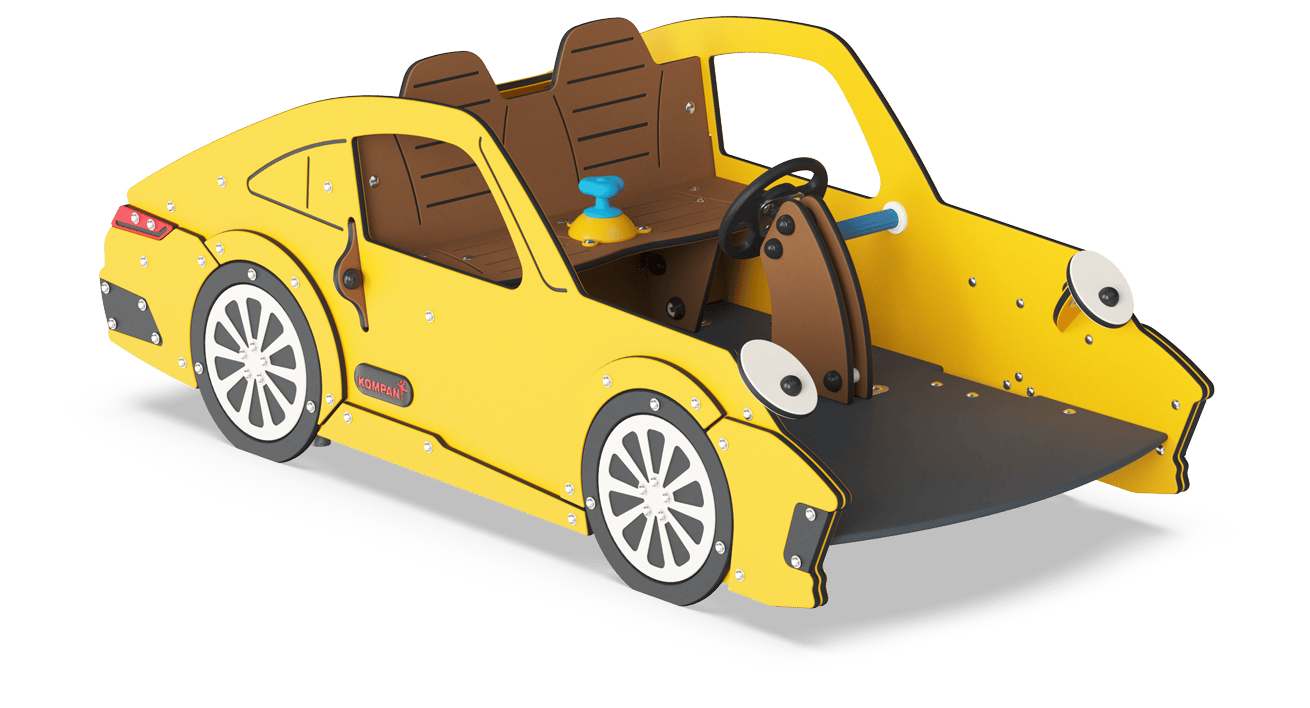
Porsche 4Kids, 911
The Porsche car signals play loud and clear and attracts toddlers again and again. It's cute, rounded shapes and vibrant colours are highly appealing. And the manipulative...
Play value is the value gained from play, the value that makes the child 'want' or developmentally 'need' to undertake the activity and thus gives the play item holding power. Play value can be described very precisely in developmental terms, looking into the human physical, cognitive, social and emotional developmental stages.
suggests a theme and supports dramatic play, which stimulates language and communication skills.
cooperation, turn-taking, sharing.
suggests a theme and supports dramatic play, which stimulates languages skills.
develops turn-taking, communication and cooperation.
the manipulative item stimulates 'cause and effect' understanding, logical thinking and communication.
working with moveable play items that can leave a mark supports the child's creativity.
the open space allows for more children to be together and share. Important life skills like courage, self-confidence, consideration and turn-taking are built.
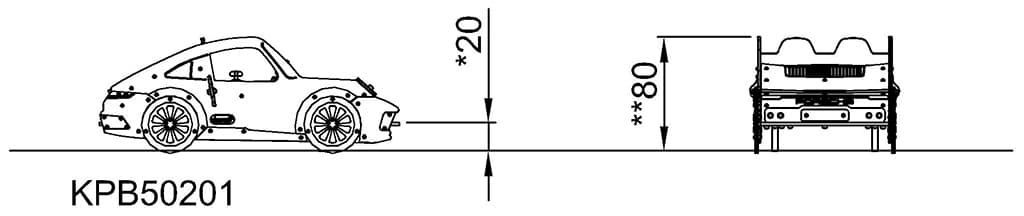
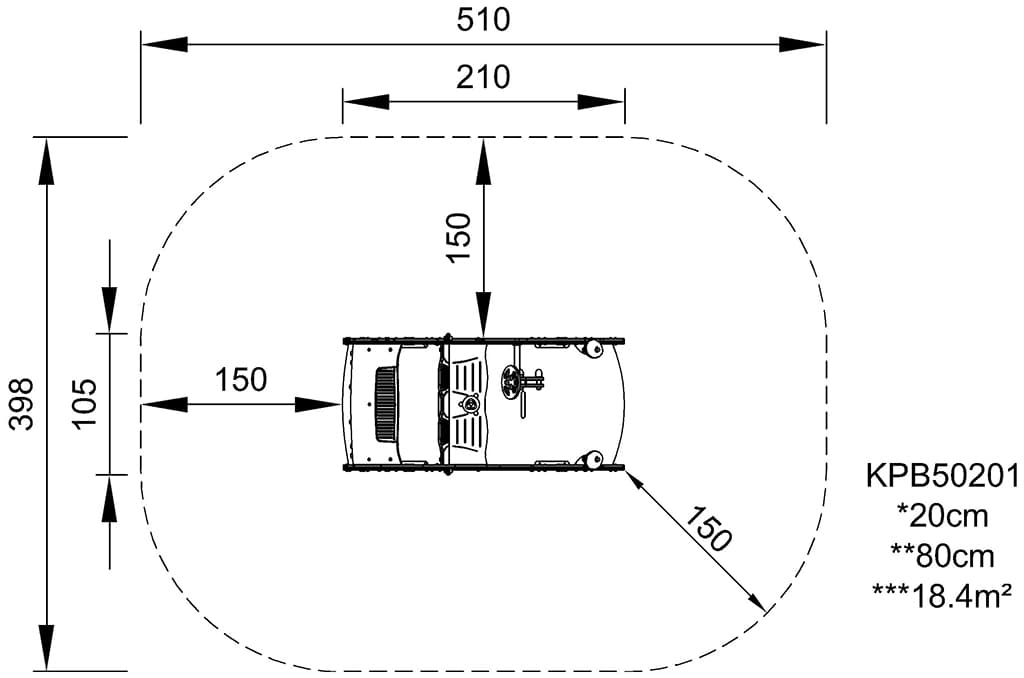
Length
210 cm
Width
105 cm
Height
80 cm
The Porsche car signals play loud and clear and attracts toddlers again and again. It's cute, rounded shapes and vibrant colours are highly appealing. And the manipulative steering wheel and gear can be handled and turned again and again. The car features a compartment that is relatively open at the front, providing ample seating and inviting children to play together. The themes of traffic and cars are well-known to toddlers. They take a starting point in the toddlers near world and open the scope of going into the wider world. Dramatic play scenarios are played out repeatedly in the Porsche. This is an important contribution to the development of language skills and literacy.
This product, Porsche 4Kids, 911 (KPB50201), is provided by KOMPAN Australia.
Panels of 19mm EcoCore™. EcoCore™ is a highly durable, eco-friendly material, which is not only recyclable after use but also consists of a core produced from 100% recycled material.
Foot support is made of HPL with a thickness of 17.8mm, which is very high wearing and also includes unique KOMPAN non-skid surface texture.
The handle is made of polypropylene PP, which has excellent impact strength and is suitable for hot climates.
The gear shift is made of PP, which is a durable material.
The Porsche cars are available in six different colors.
Iconic cars designed by KOMPAN under license of Porsche AG.
CO₂ emission
Sustainability Data
Our product and sustainability data validation help our clients make informed, sustainable buying choices based on methods validated by Bureau Veritas.
KPB50201-0501
423.75
Total CO₂ emission (kg CO₂e)
2.73
CO₂e/kg (kg CO₂e/kg)
60.4%
Recycled materials
The overall framework applied for these factors is the Environmental Product Declaration (EPD), which quantifies "environmental information on the life cycle of a product and enables comparisons between products fulfilling the same function" (ISO, 2006). This follows the structure and applies a Life-Cycle Assessment approach to the entire Product stage, from raw material through manufacturing (A1-A3).

TENDER TEXT SPECIFICATIONS
Do you want to include this specific product in your project, and are you looking for detailed material information to help you specify? We have all the documentation you need. Fill out this form, and we will contact you with the relevant information you need.
If you have any questions regarding this specific product or your project, we are here to help!