学校户外游乐区域
一个好的学校游乐场,能让孩子更快乐、更健康,也能全面促进他们的成长与发展。同时,它也是吸引新生入学的重要因素之一。KOMPAN 的学校户外游乐空间,旨在帮助学校将愿景变为现实——在合适的时间、以合适的方式、在合适的预算内,实现理想的游戏体验,从最初的创意到最终落地安装,全程支持。
每一个学校日都面临着多重挑战:有限的预算、紧张的时间安排、安全监管责任,以及持续提升学生身心健康的需求。 而一个设计得当的学校游乐场,正是这些目标的交汇点——它不仅能提升儿童的身体活动水平,支持他们的社交与情绪发展,还能让日常看护与管理更加轻松,一切都建立在清晰、实用的整体规划之上。
激发灵感
汉布尔独立学区
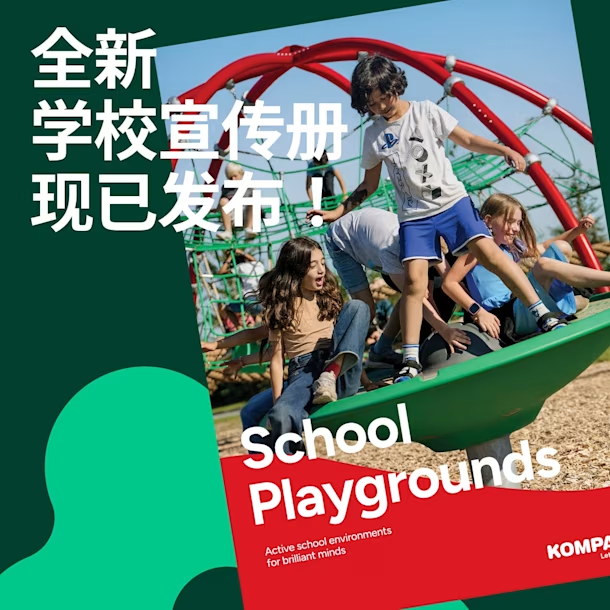
Planning a playground for a school or preschool?
This brochure is designed to support you from early ideas to better play environments.
Inside the brochure you’ll find:
Inspiring school and preschool cases
Practical playground planning guidance
Research on why great school playgrounds matter
Popular, proven play equipment
Complete solutions for different needs
从幼儿园到高中
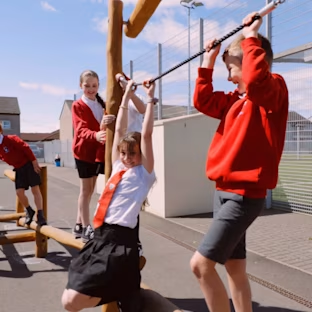
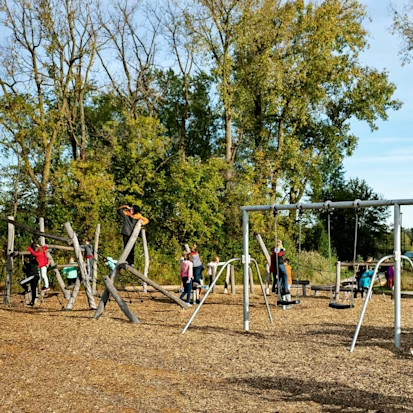
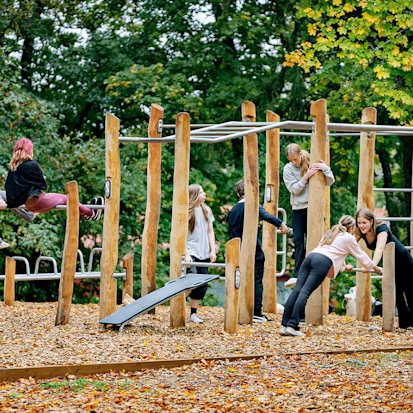
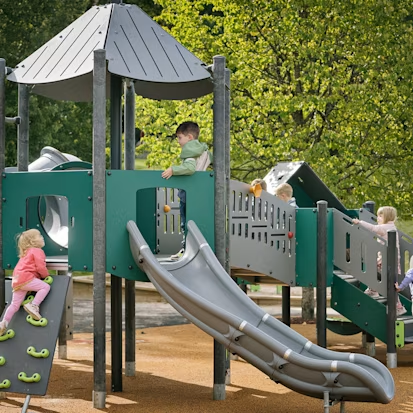
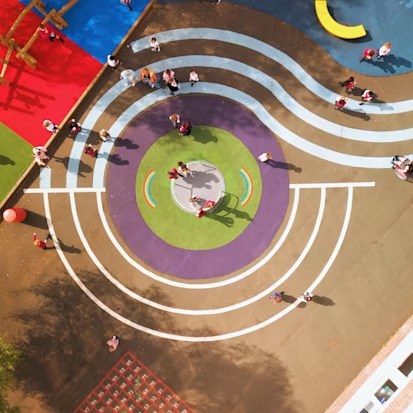
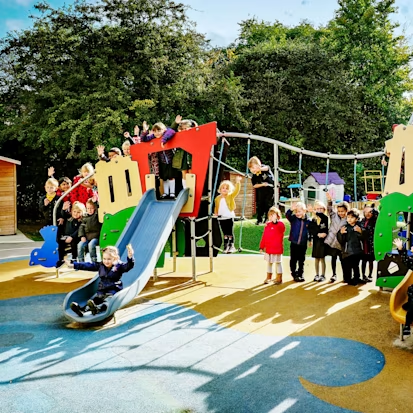
从蹒跚学步的幼儿到十几岁的青少年,我们创建的学校游乐场适合所有年龄层和能力的学生。
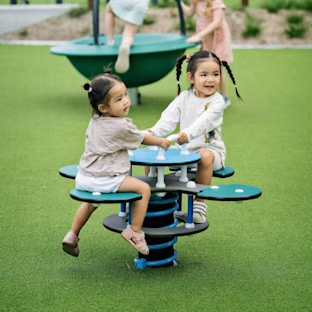
幼儿园游乐场设备
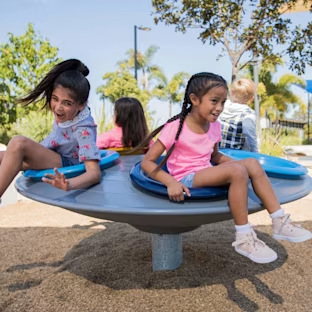
小学游乐场设备
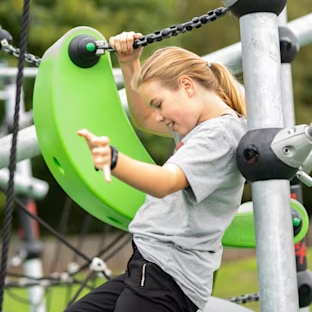
中学游乐场设备
特殊教育需求游乐场设备
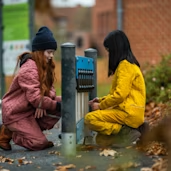
Educational Playground Equipment
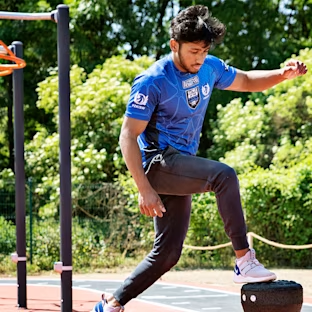
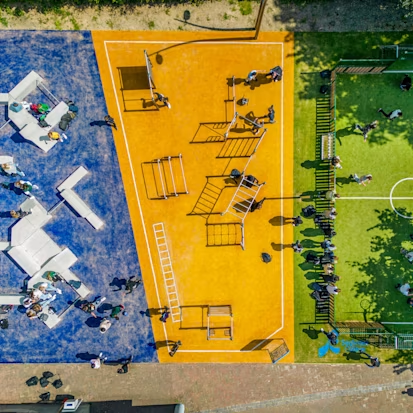
高校户外运动与健身
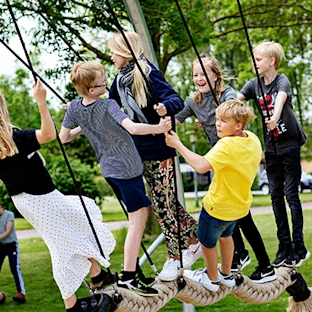
学校游乐场设备
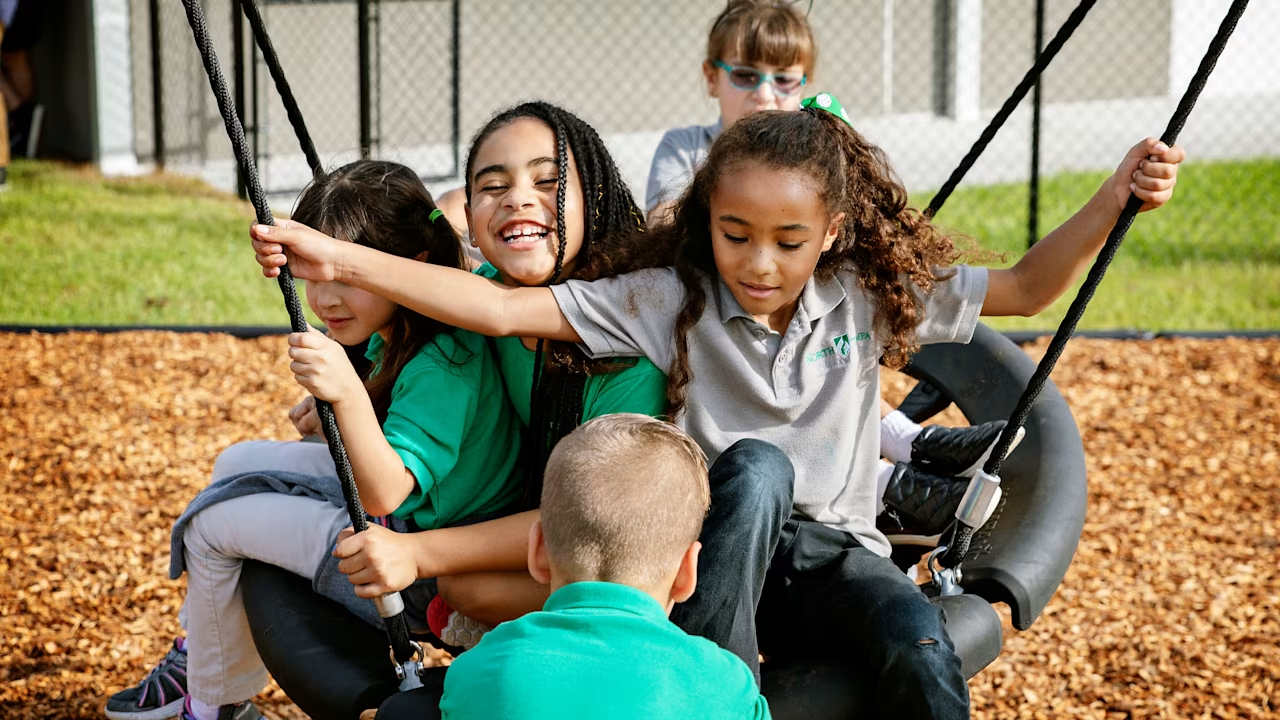
现代化的学校户外游乐场,应该包含哪些内容?
首先选择主要游乐结构,因为它们将影响后续的规划步骤——它们决定了所需的安全区域类型以及整个游乐场的布局。例如,体量较大的结构通常需要更厚的安全地面铺装,以及各游乐设施之间更大的间距。
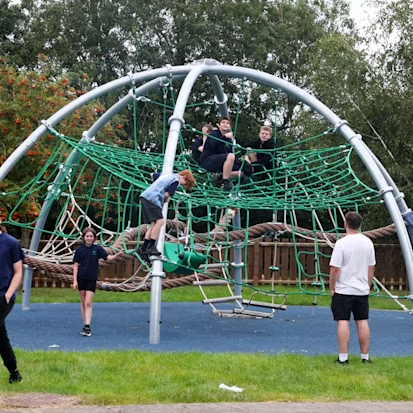
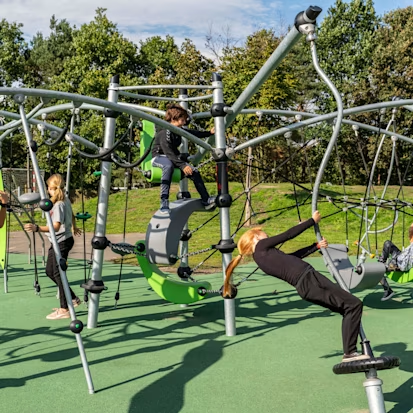
攀爬设施、绳网、滑梯以及模块化塔楼能够提供循序渐进的挑战,吸引不同年龄段的孩子持续参与。经过合理规划的校园游乐结构,可以促进不同区域之间的合作互动和积极运动。在午休等高峰时段,设置多个出入口能够避免拥堵,并方便工作人员进行视线监管。
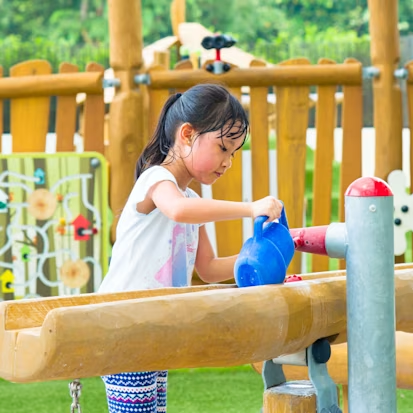
在选择好主要游乐结构后,还可以考虑增加感官类设施,例如沙水桌、平衡木或音乐互动面板,确保每位孩子都能找到适合自己的游戏体验。
地面铺装和分区是第二重要的因素,因为它们会对学校游乐场项目产生重大影响。安全地面铺装的成本最高可占整体预算的 20%,而合理分区则会增加安装的复杂性。
无论选择何种材料,都需要提前规划关键跌落高度(Critical Fall Height)、跌落缓冲区域范围以及符合当地标准的相关要求。通常在确定游乐结构后,游乐设备供应商会在项目初期提供这些技术参数。
现浇橡胶(PIP),也称为浇筑式橡胶,维护需求极低且使用寿命长。虽然前期投入成本较高,但由于其耐久性强并符合包容性设计要求,因此是学校常用且优选的材料。日常维护通常只需偶尔进行局部修补。
橡胶地垫 / 橡胶砖属于模块化铺装方案,需要特别注意接缝与排水设计。但接缝处也是其相对薄弱的部分。它们比现浇橡胶成本更低,但耐久性相对较差。随着时间推移,尤其在安装不当的情况下,可能会出现翘曲或位移。
工程木纤维(EWF)前期成本较低,但需要定期补充材料并进行持续维护。许多学校发现,在雨季期间,木纤维地面容易被雨水冲刷流失。
人造草坪可提供稳定的使用性能和整洁的外观,同时需配合减震垫层和良好的排水设计。不过,它更多应用于学校的多功能运动区域。
尽管橡胶颗粒覆盖层(rubber mulch)成本较低,但出于潜在的健康与环境风险,以及包容性使用方面的限制,我们不建议在学校区域使用该材料
建设一个校园游乐空间,不仅仅是安装游乐设备这么简单,还需要整体考虑场地布局,以及遮阳设施的设置位置。
休憩区域与座椅 合理设置休息区和座椅,方便孩子放松调整,也为教师提供自然的停留点。
教师视线范围 在规划时应确保教师能够拥有良好的视线范围,便于轻松监护整个活动区域。
遮阳、座椅与休息空间 长椅、遮阳棚和树木可以打造降温与休息空间,帮助孩子进行自我调节,同时为教职人员提供自然的监督节点。
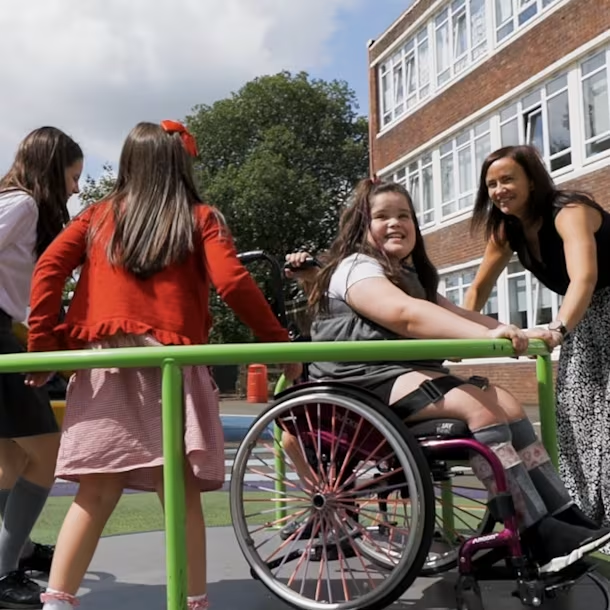
无障碍通行、围栏与周边安全 坡道、转移平台以及清晰顺畅的通行路径,确保轮椅使用者及行动不便的儿童能够自由通行;同时,合理规划围栏与边界设计,在保障安全的同时不影响整体视线通透性。
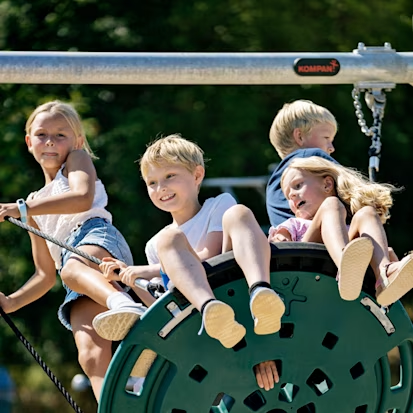
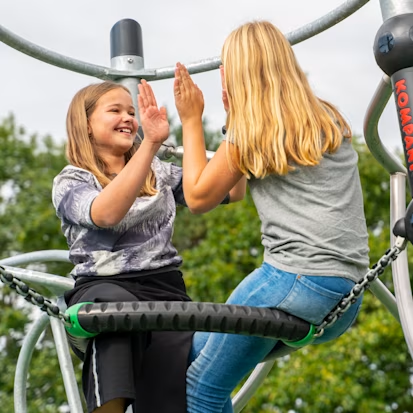
社交、情绪与认知发展益处
优秀的学校户外游乐设施不仅仅是为了锻炼身体。它还能培养孩子的合作能力、沟通技巧与冲突解决能力;提供恢复注意力和执行力的脑力休息;并支持包容性的同伴互动,让课堂上的社交与学习氛围得到延续。
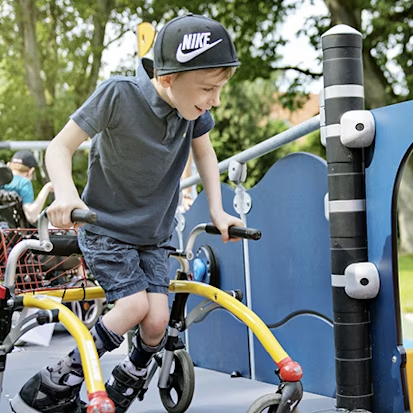
让设计实现包容与公平
通用设计原则——如平地游乐设施、无障碍通道、过渡平台、感官游乐区和安静区——确保每个孩子都能安全、自信地参与游戏。 当包容性从一开始就融入设计,游乐场不仅能促进孩子的行为规范与归属感,还能提升整个学校的身心健康水平。
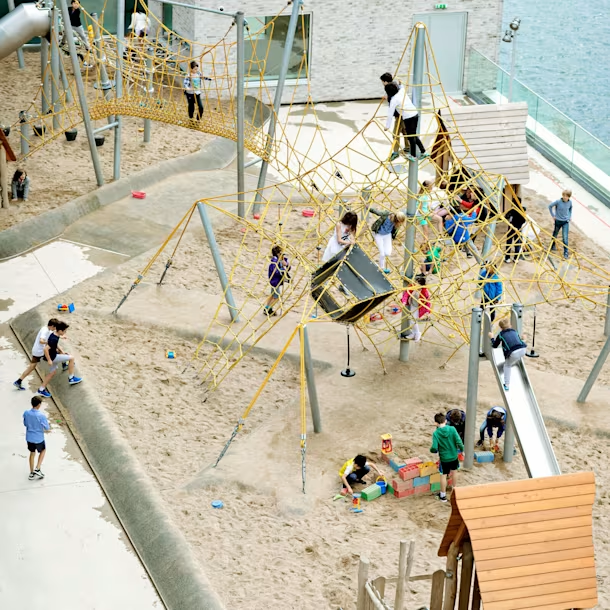
学校信赖的设计标准与原则
关键跌落高度、安全区与净空:根据设备类型和儿童年龄,明确规定高度、地面材质及使用区域,确保安全与适用性。
标准与合规:遵循 EN 1176 标准及当地要求,并提供便于在各利益相关方和采购环节共享的文档。所有设计均符合相关安全标准,让您放心使用。
监管与视野设计:消除视觉盲区,按年龄分区(如学前班/低年级/高年级),并设置工作人员观察点,减轻管理压力。良好的视野布局能够最大限度地减少盲区。
风险-收益平衡:提供循序渐进的挑战,让孩子在符合安全指导的前提下建立自信——这对 9–12 岁的学龄儿童尤为重要。
通用设计:平地游乐设施、坡道、对比地面材质及感官游乐选项,让不同能力的孩子都能参与其中。
“我一定会建议所有学校的校长也去做同样的事情,为孩子们提供更多可供玩耍的设施。这对出勤率、行为表现、自信心以及同伴关系都会产生巨大的积极影响。”
苏格兰,格拉斯哥,基督圣体节小学校长——Gayle MacDonald

开始规划
帮你轻松规划学校游乐场


常见问题
采用分层检查方法:平时每周进行例行目视检查,同时按照厂家指导和当地标准,安排每月及季节性检查。建议建立简单的检查记录,以便追踪和问责。
在预算允许的情况下,浇筑橡胶地面能减少日常维护和移位问题,并且在高流量区域表现优异;木屑地面初期成本较低,但需要定期补充并注意排水。许多学校会选择混合方案——在攀爬设施下使用橡胶,其余区域使用木屑。
在设计中增加多个进入点,并尽可能重复设置“明星”游乐设施; 在操场中分散不同难度的挑战区域,避免孩子在某一角落排长队;同时为 9–12 岁儿童(tweens)在活动区旁提供社交“休闲区”,让每个孩子都能参与、享受游戏。