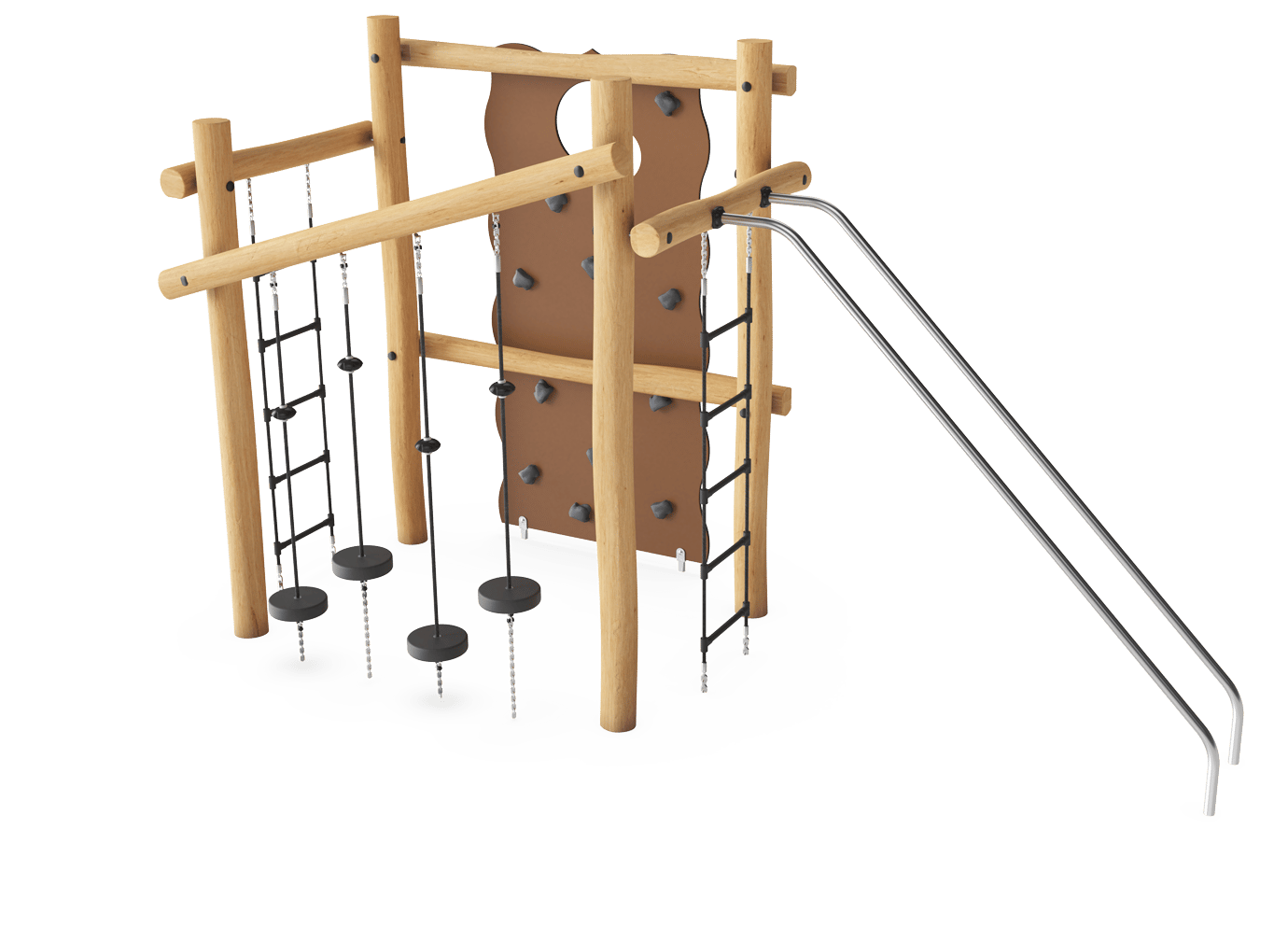
NRO818
Climbing Structure
6+ Years
36.8 m2
7 Users
playground equipment
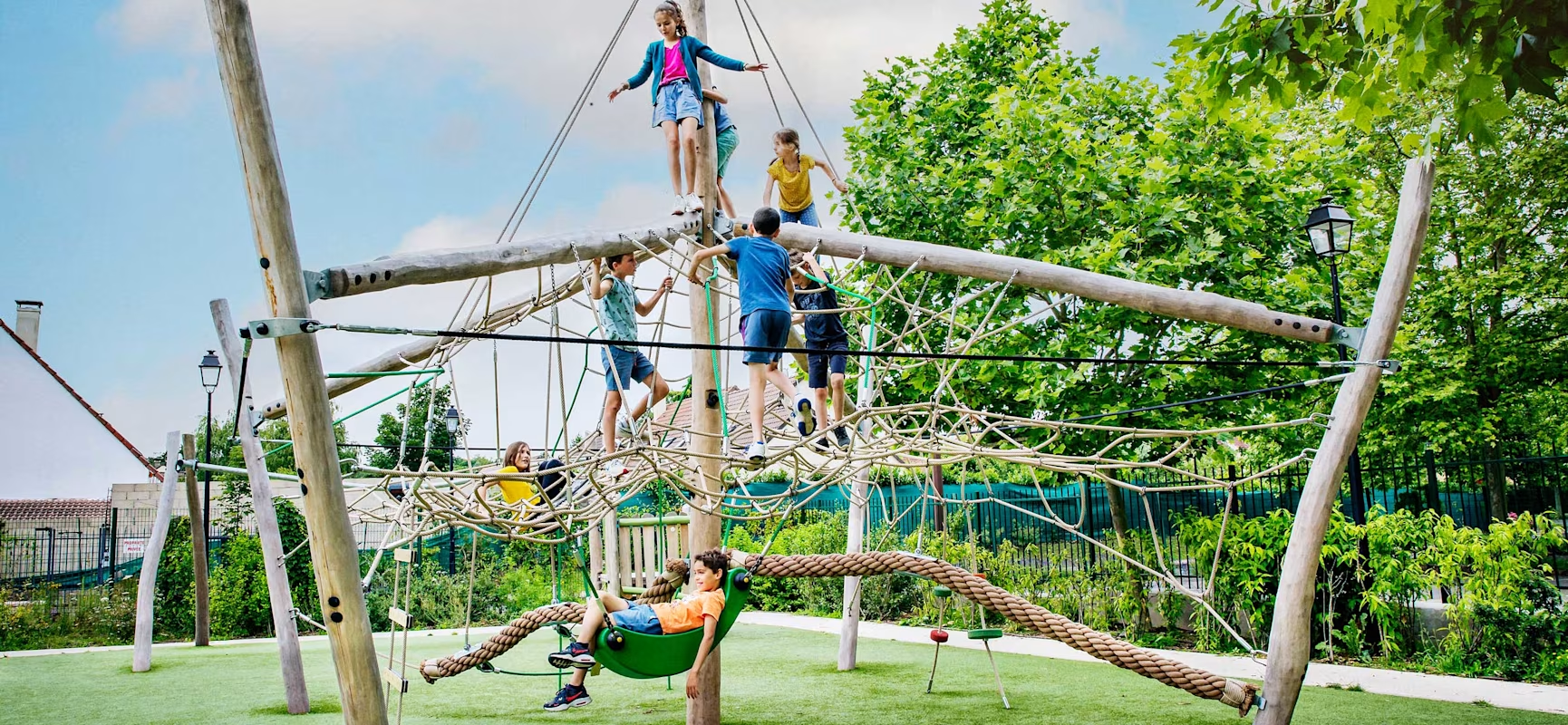
Robinia climbing structures support the natural development of balance, coordination, and confidence through active play. By pulling, reaching, and stabilising across varied climbing routes, children build body awareness and control skills that translate into everyday activities such as running, ball games, and focused learning.
Designed to bring three‑dimensional play into compact outdoor spaces, Robinia climbers transform residential areas, school grounds, and public parks into active play hubs. Low, accessible entry points engage younger children, while more complex elements offer older children clear progression, challenge, and a strong sense of achievement.
Crafted from natural timber, these climbing structures add a warm, tactile dimension that complements both landscaped areas and more urban settings. They can function as standalone landmarks or be combined into linked routes and obstacle‑style layouts that guide movement and the flow of play through a site.
KOMPAN works closely with developers, landscape architects, and public‑sector stakeholders to configure Robinia climbing solutions that integrate seamlessly with existing playground elements, rope structures, and nature‑inspired play concepts. Each solution is planned to meet safety requirements while delivering durable, high‑value play experiences suited to intensive everyday use in shared outdoor environments.
Robinia Village Play Structures
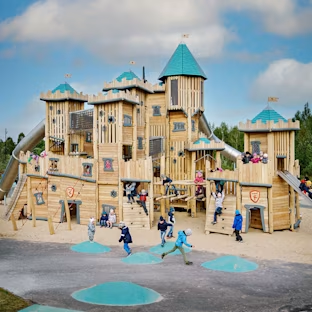
Castles
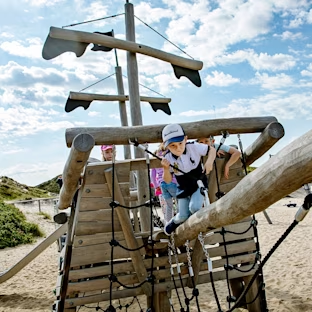
Ships
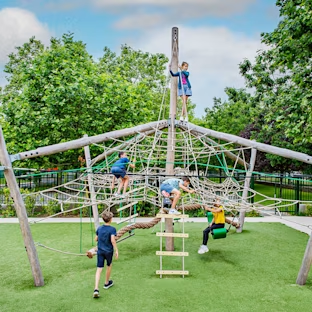
Rope Climbing
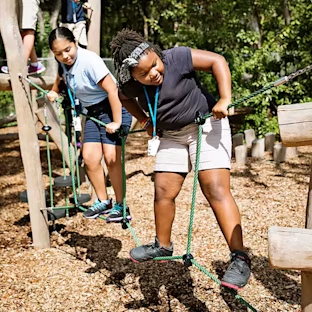
Climbing Trails
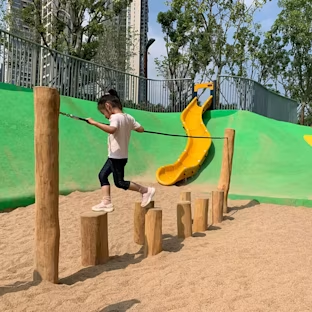
Balancing
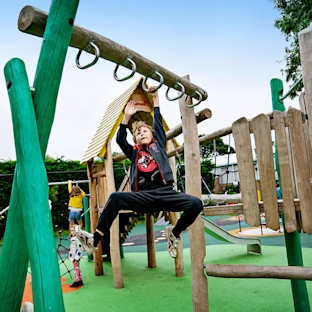
Robinia Wood Climbing Towers
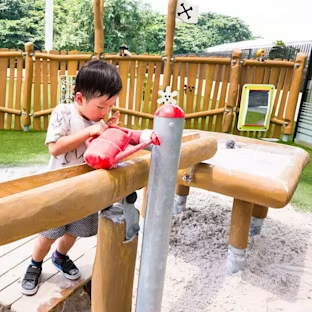
Sand & Water Play
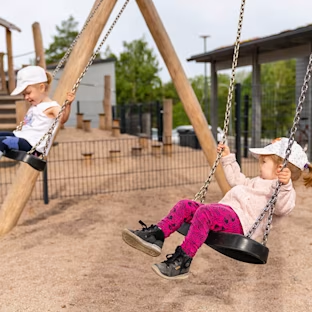
Swings
Springers & Seesaws
Play Houses
Spinners & Carousels
Play, Act & Learn
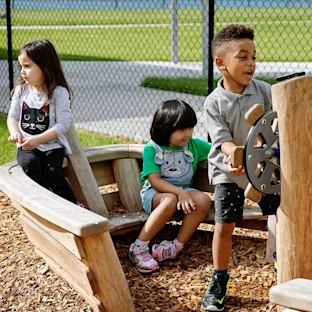
Vehicles & Plane
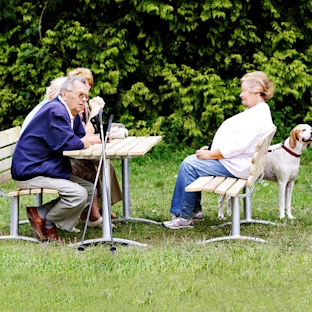
Sunshades & Accessories
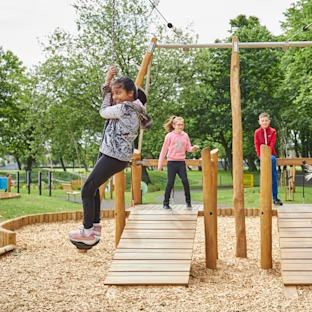
Cableways & Platforms
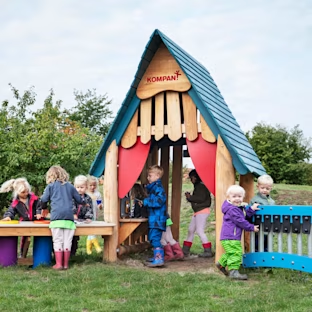
Play Panels

Fantasy
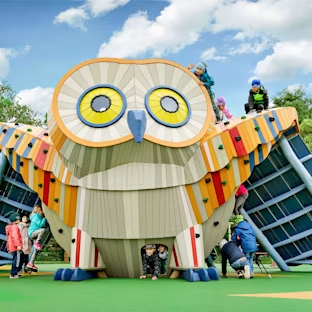
Wooden Playground Sculptures
NRO818
6+ Years
36.8 m2
7 Users
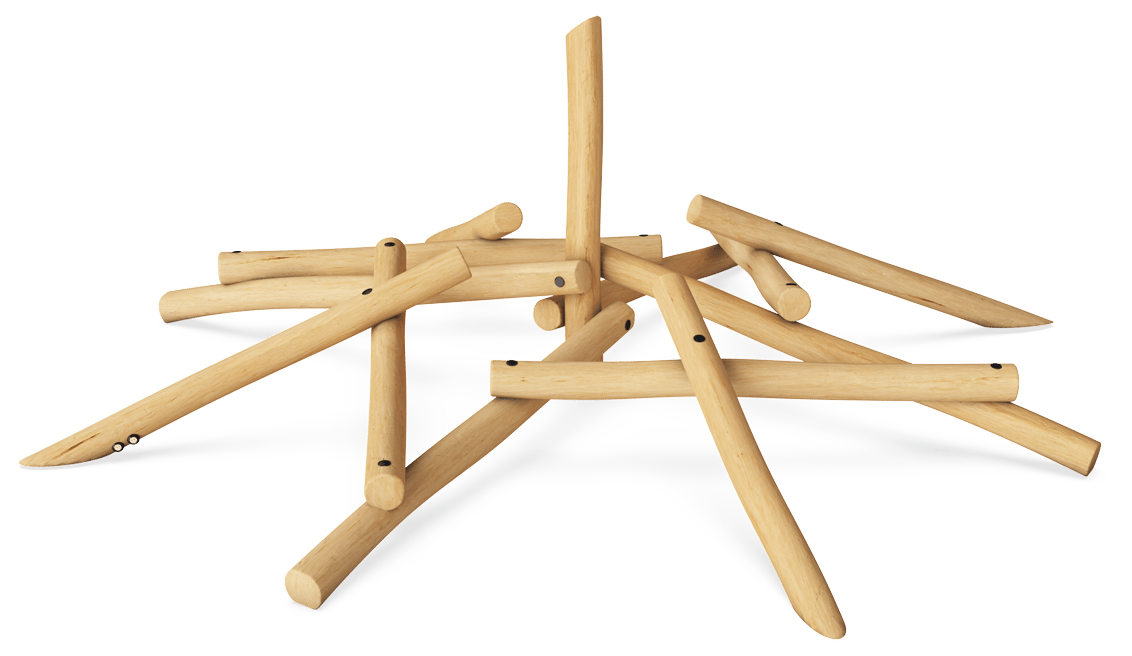
NRO826
4+ Years
41.9 m2
6 Users
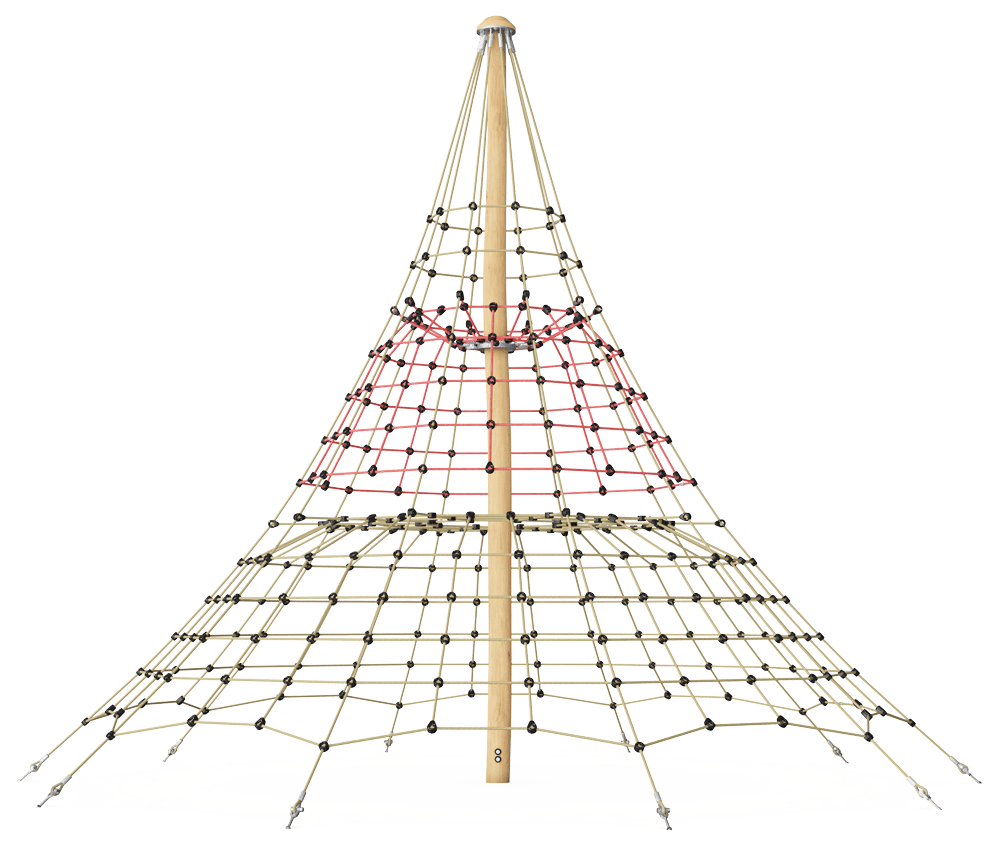
NRO834
4+ Years
71 m2
34 Users
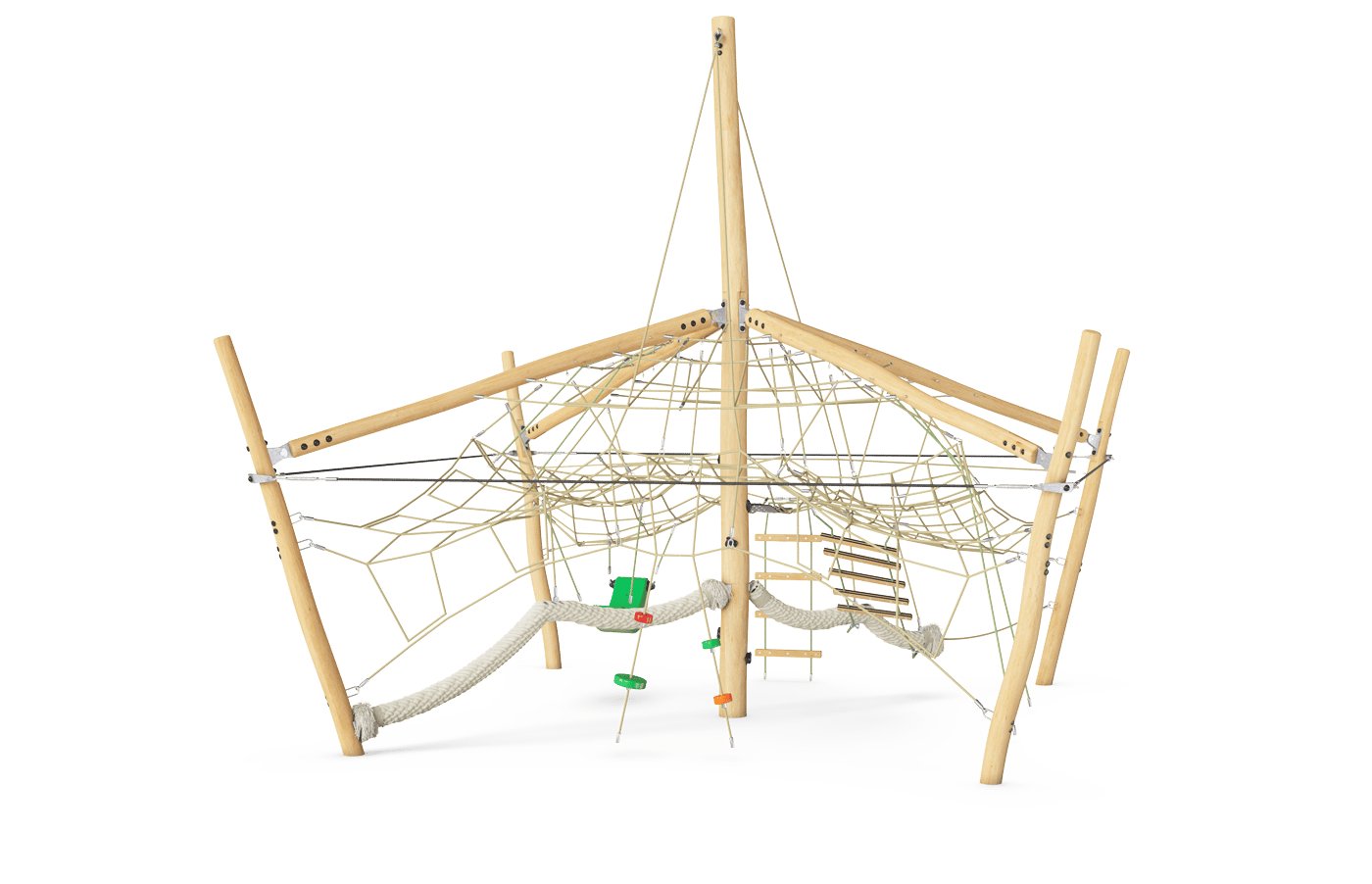
NRO836
6+ Years
101 m2
50 Users
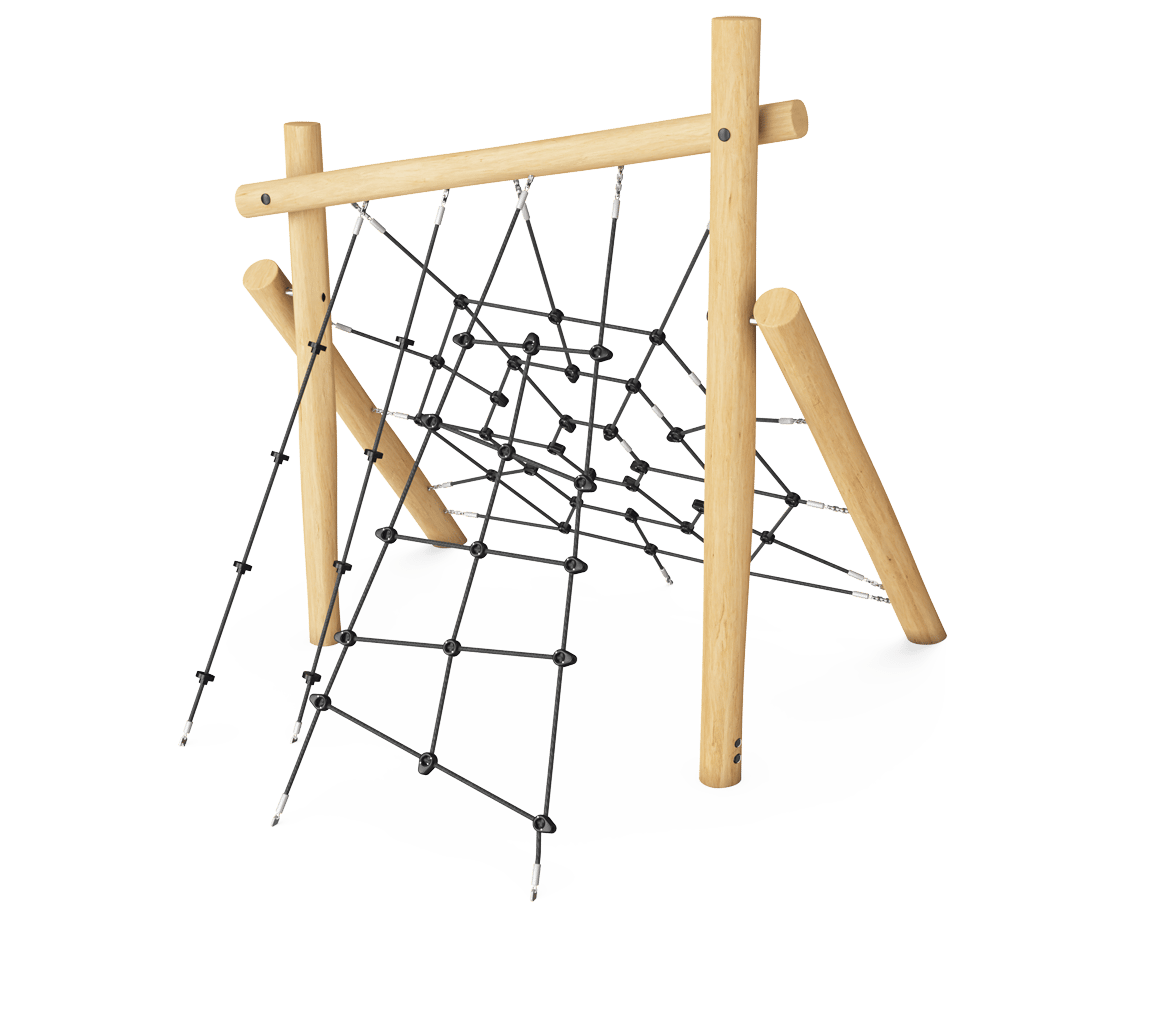
NRO813
6+ Years
29.4 m2
7 Users
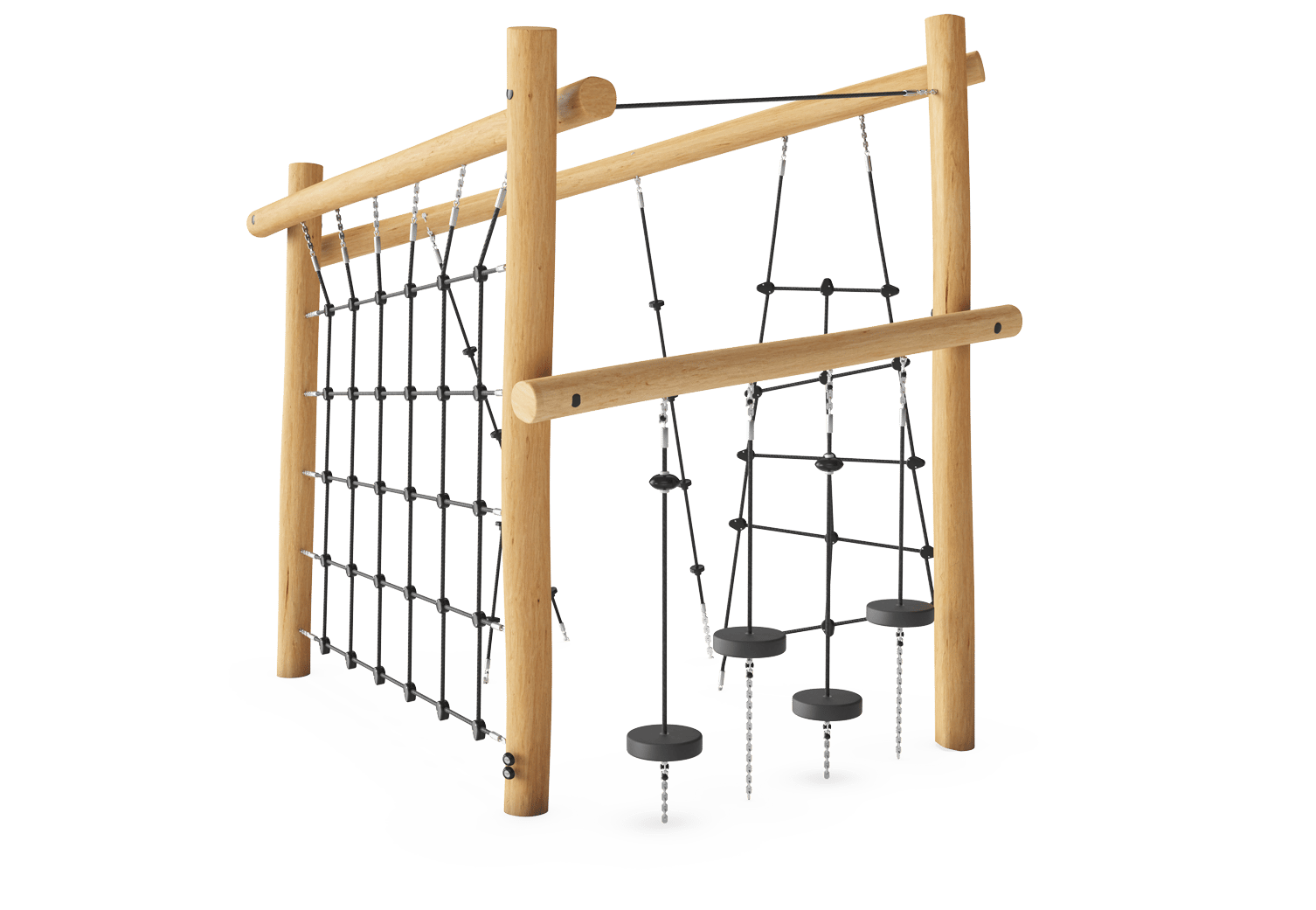
NRO852
6+ Years
35.8 m2
14 Users
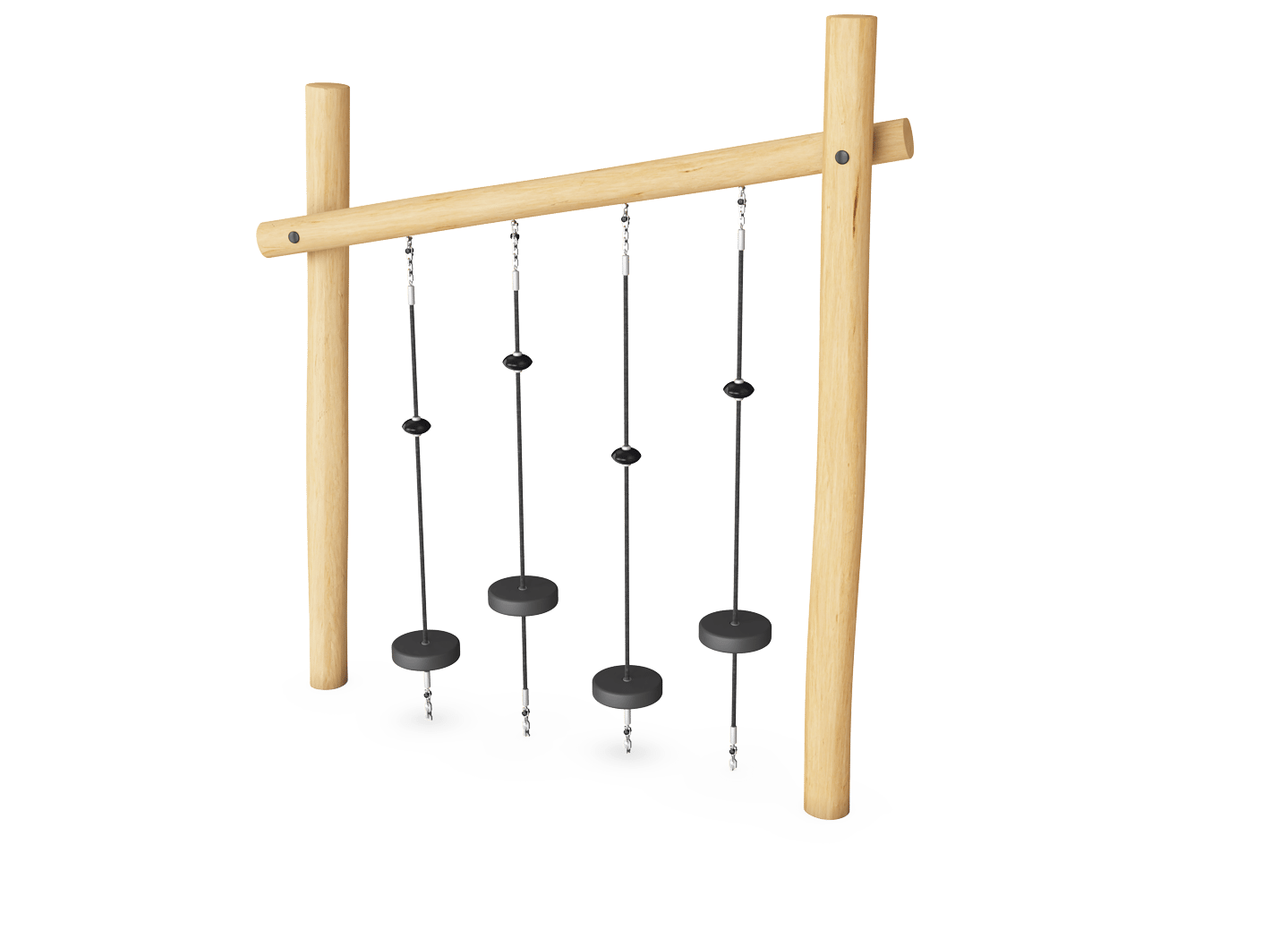
NRO817
4+ Years
15.6 m2
2 Users
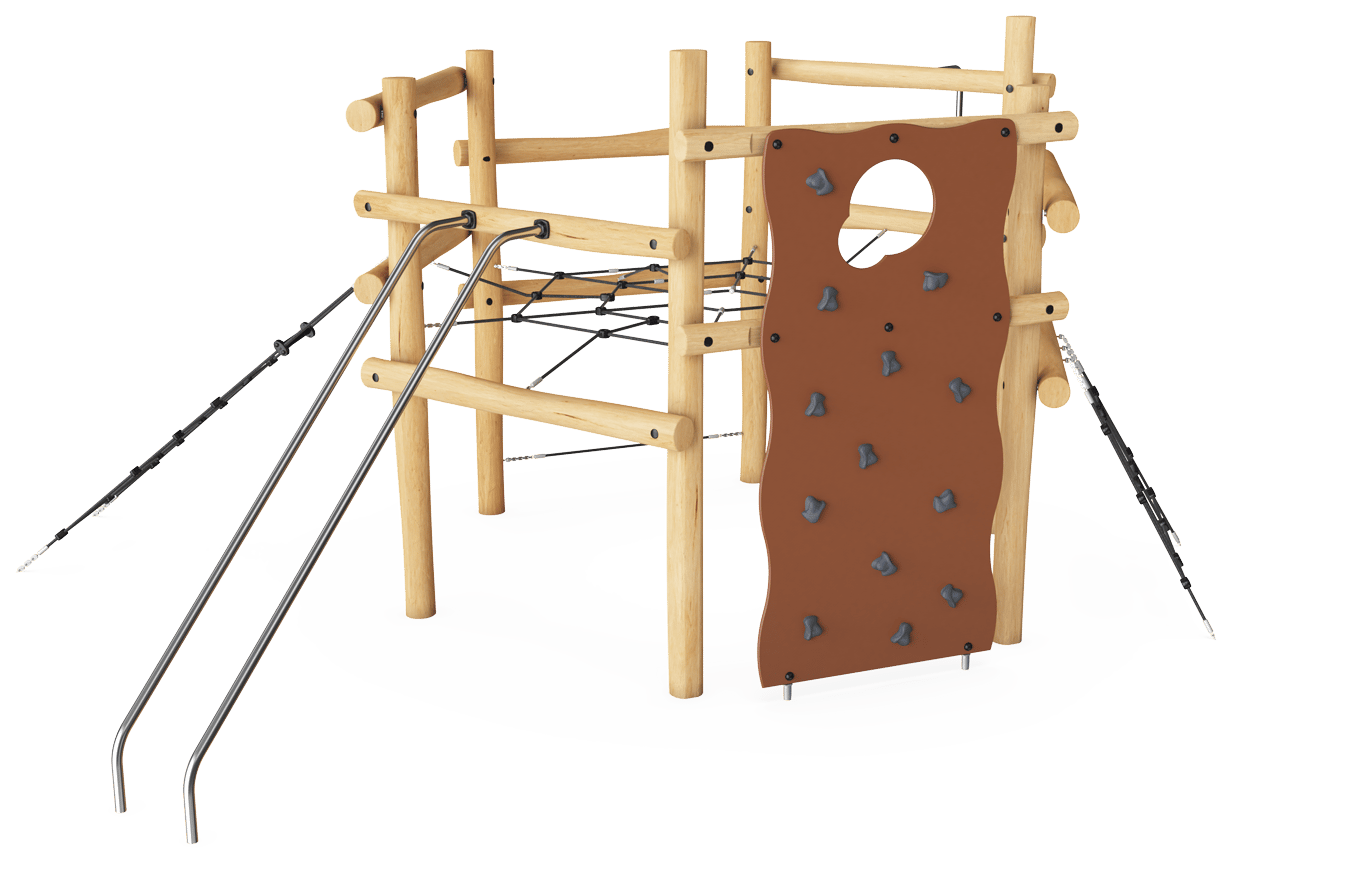
NRO816
6+ Years
57.9 m2
14 Users
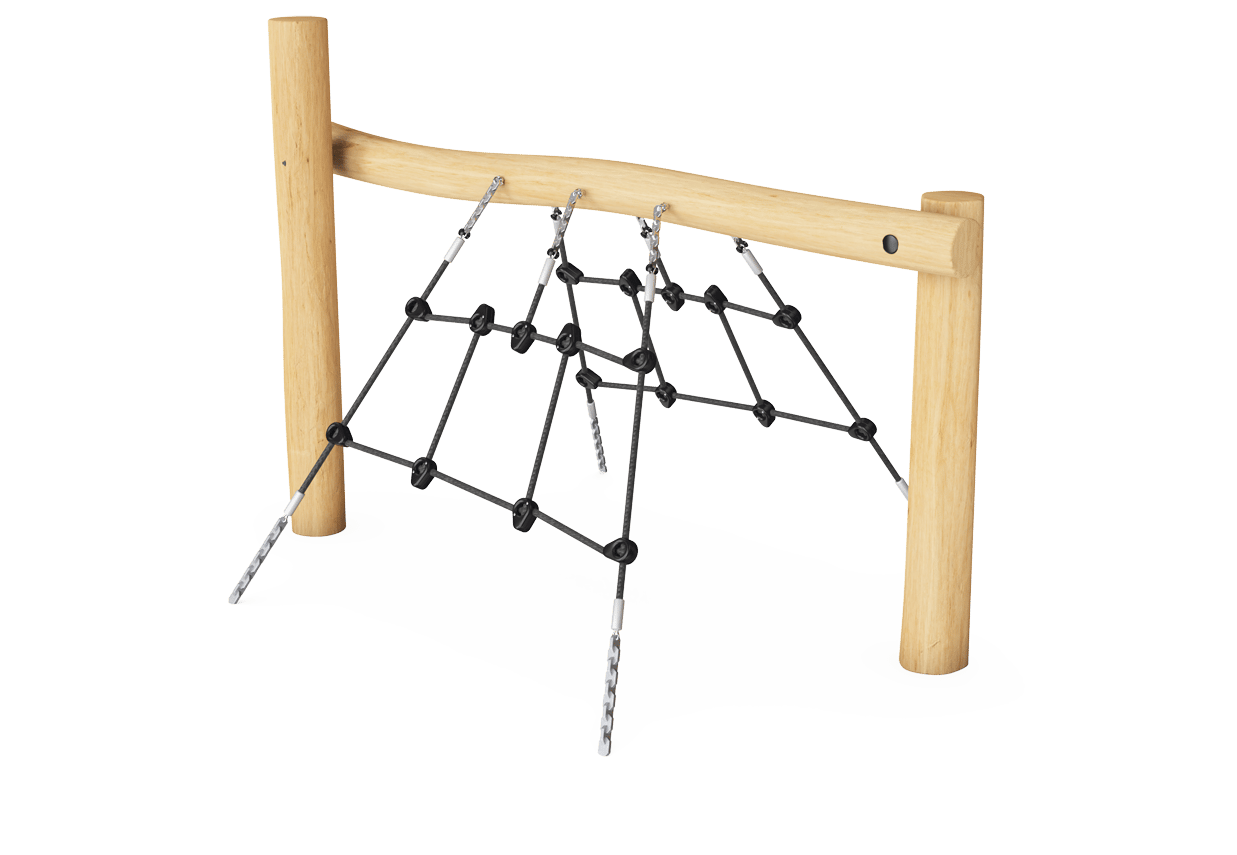
NRO812
4+ Years
18 m2
2 Users
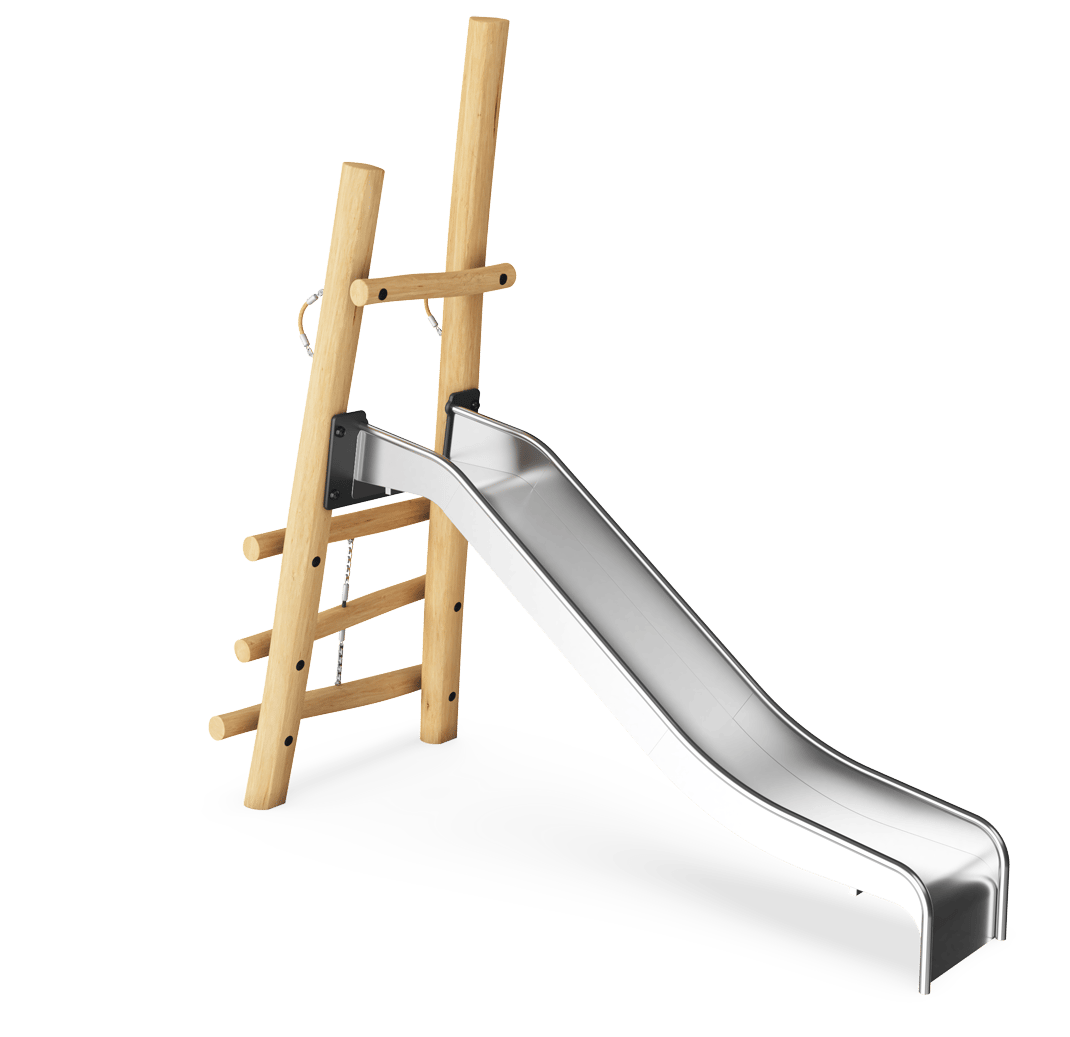
NRO301
4+ Years
20 m2
2 Users
When selecting natural climbing structures for shared outdoor environments such as residential developments, schools, and public parks, start by defining the type of play experience you want children to have. In compact, high‑density settings, clear intent helps ensure that each element contributes meaningfully to movement, challenge, and enjoyment.
Build quality and long‑term durability should be a priority. Climbing structures must remain stable, safe, and comfortable to use under intensive daily play. High‑quality materials and proven construction methods help ensure consistent performance and reduce ongoing maintenance demands.
Scale and configuration should be closely aligned with the site layout. In many space‑efficient settings, several smaller climbing elements arranged in sequence can be more effective than a single large structure. This approach supports smoother circulation, clearer supervision, and a more inclusive play experience within limited footprints.
Budget considerations can be addressed through thoughtful selection and phasing. By combining statement pieces with simpler climbing elements while maintaining a cohesive design language, it is possible to deliver strong play value without compromising visual consistency across the site.
Nature‑inspired climbing play typically features equipment with a tactile, authentic appearance, often using natural materials such as timber. These structures introduce a softer, more organic character into contemporary outdoor environments, complementing landscaped areas while encouraging children to climb, balance, and explore through hands‑on movement.
When carefully integrated, natural climbing structures help transform shared outdoor spaces into engaging destinations that support active, imaginative play. They encourage exploration, confidence‑building, and repeated use, making them a valuable component of well‑designed play environments in residential, educational, and community settings.
Please fill in your contact details and we will get back to you as soon as possible.