Benefits of Natural Playgrounds
What is Nature Play?
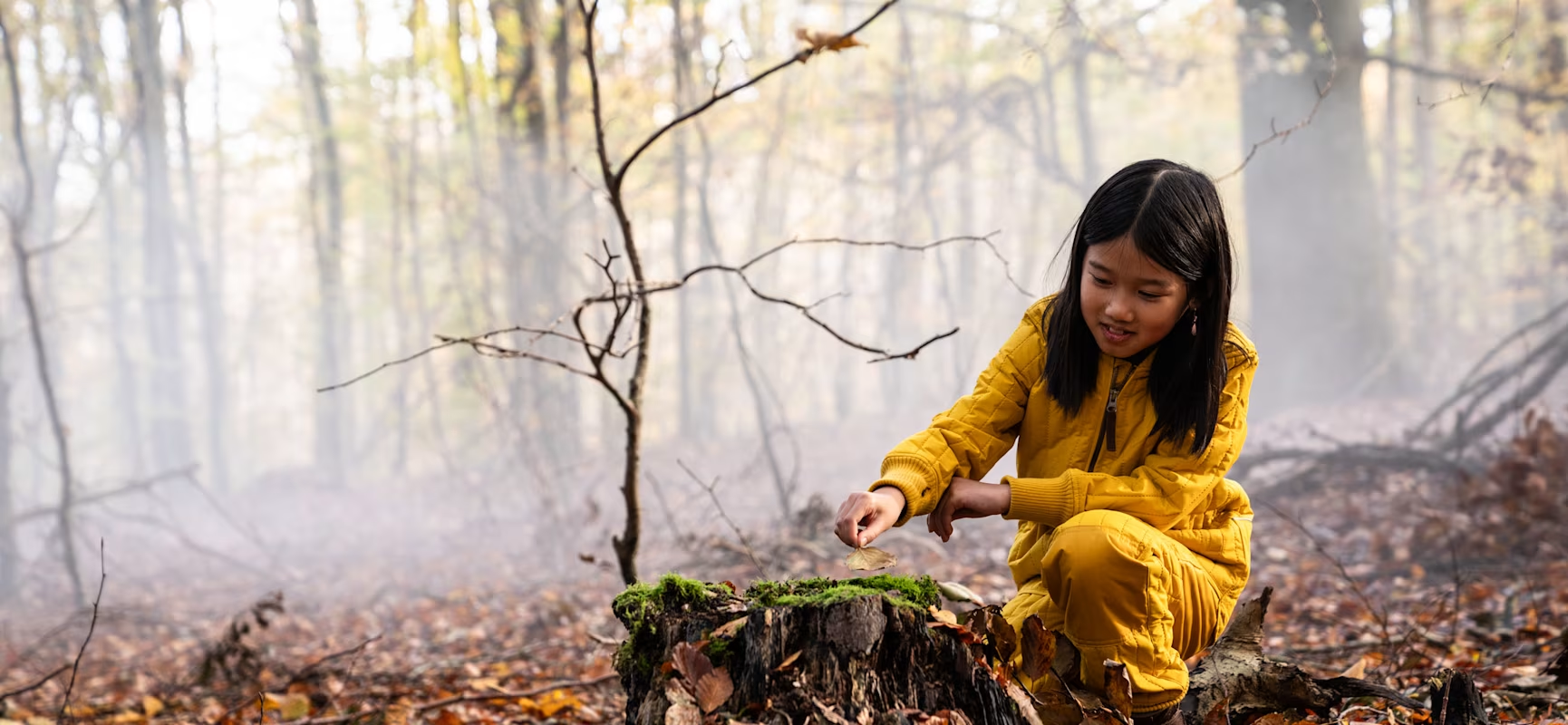
Nature play involves engaging with and within nature, using natural elements like plants, trees, water, dirt, sand, and stones. Typically, this play occurs outdoors, where children can experience the breezes, fresh air, changing weather, and the warmth of the sun. This type of play stimulates all the senses through sights, sounds, textures, scents, and even tastes, while also challenging children’s physical movements in outdoor spaces. Natural playground equipment encourages children to engage in outdoor free play, promoting a social environment and fostering crucial social and collaborative skills.
Dr. Suzanne Quinn, Manager at the KOMPAN Play Institute, delves into the benefits of nature play and the essence of natural playgrounds.
What are Natural Playgrounds?
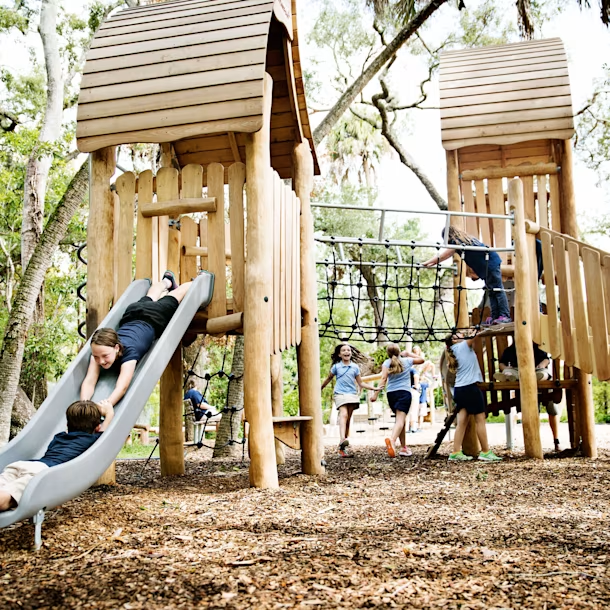
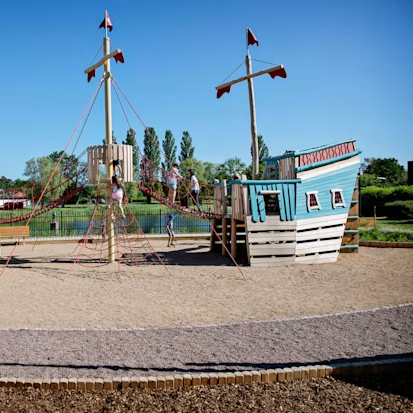
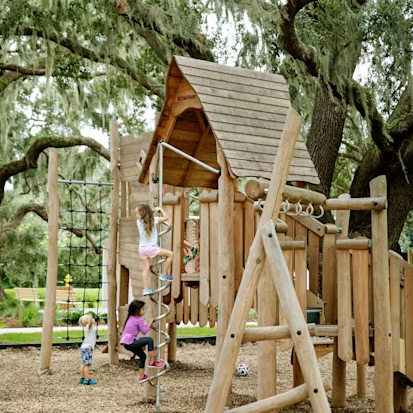
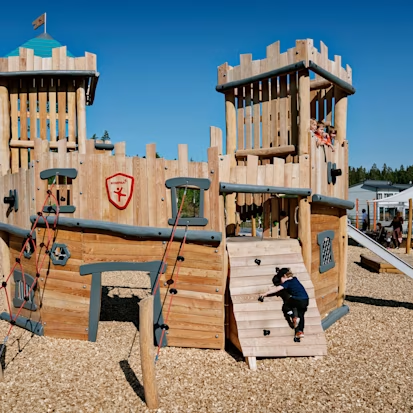
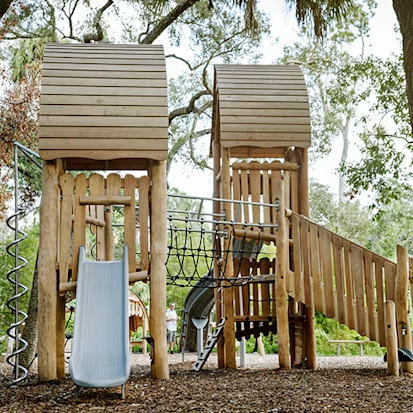
A natural playground integrates nature into play, enabling children to interact with natural elements and participate in various physical activities. These playgrounds promote social interaction and hands-on learning. Key features include:
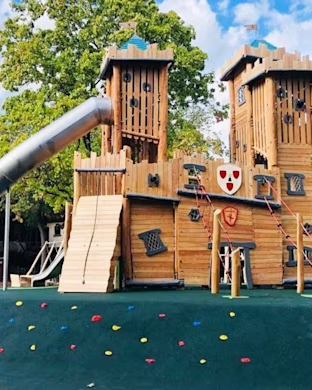
Varied Movement and Challenges: Utilises natural materials such as tree stumps, wooden huts, and climbers to provide sensory experiences that stimulate learning and imagination.
Incorporating Natural Elements: Featuring non-toxic plants, trees, and structures for climbing, swinging, and balancing.
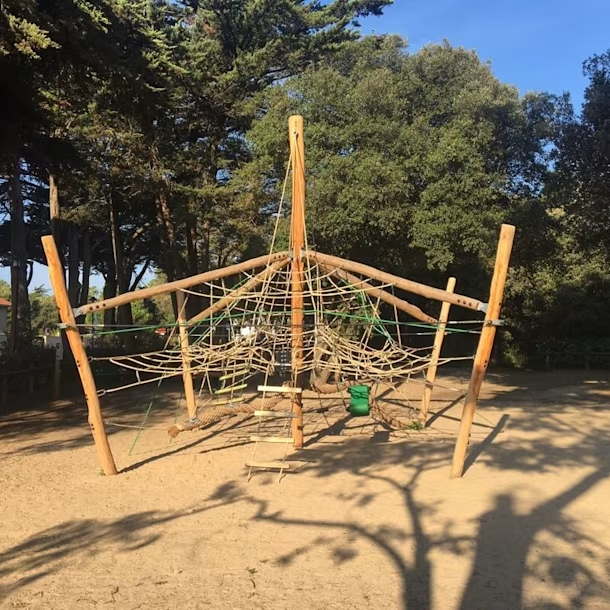
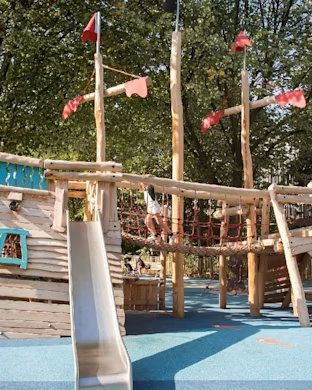
Transparent Structures: Rope climbing frames and open designs enable children to observe their surroundings and widen their landscape view.
These playgrounds contrast traditional environments by making free play an integral part of the experience, one of the many benefits of nature play.
Why Are Natural Playgrounds Important?
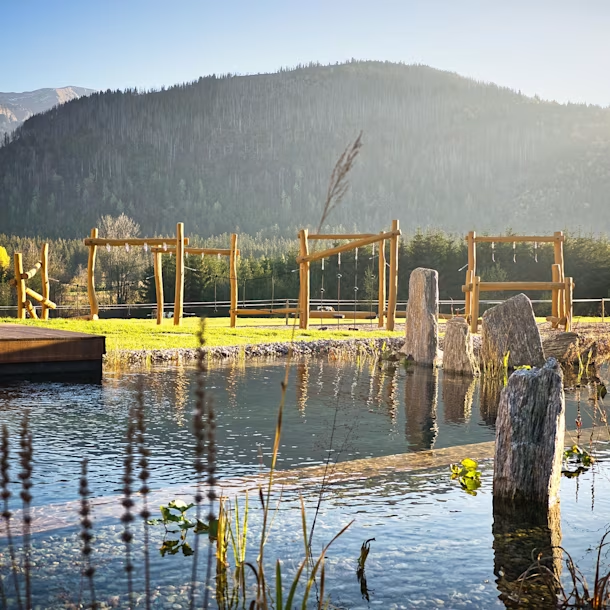
Why are gaining popularity? Natural playgrounds, built with elements like wood, stone, and plants, offer unique benefits for children compared to traditional playgrounds. In this article, we’ll explore the benefits of natural playgrounds and how these nature-inspired spaces enhance the development of our children.
Natural playgrounds, constructed from materials such as wood and thoughtfully integrated into the landscape, create a sensory-rich setting that supports children's physical, cognitive, and emotional development.
Natural playgrounds have the advantage of allowing children to move freely and creatively in their environment. This enables them to explore, run, jump, climb, crawl, touch, and smell. Such playgrounds promote active play and creativity, leading to improved fitness levels and the development of problem-solving skills through unstructured and imaginative play.
Natural playgrounds promote environmental awareness and inclusive play spaces, teaching children to care for the environment while accommodating all abilities.
Benefits of Natural Playgrounds
Natural playgrounds offer numerous benefits that go beyond traditional play experiences. By incorporating natural elements, these playgrounds create a sensory environment that fosters active and imaginative play, aiding children in their growth and learning. Nature-inspired playgrounds promote creativity, open-ended play, and new forms of play in a safe and unstructured environment.
Natural playgrounds entice children and families outdoors, encouraging prolonged and active play, which is crucial for child development. These playgrounds offer several significant benefits:
Environmental awareness - Familiarizing children with the local ecosystem.
Emotional development - Instilling appreciation and care for the natural world.
Cognitive development - Reducing stress and enhancing focus.
Physical development - Supporting active physical movements that are not possible indoors.
Designing a Nature Playground for Child Development
Designing a nature playground requires careful that prioritizes the benefits these spaces can offer children. Designers can create play environments that promote physical, cognitive, and emotional growth by incorporating natural elements and diverse play opportunities. Nature-inspired playground equipment allows children to engage with the natural world, learn about the environment, and cultivate an appreciation for nature.
Tips for Designing Nature Play Areas:
1. Create a Welcoming Atmosphere: Ensure the site is safe, has good sightlines, and is interesting and exciting for all visitors.
2. Engage the Senses: Incorporate elements that can be touched, smelled, and seen.
3. Diverse Elements and Structures: Encourage exploration and creativity by including varied natural elements and play structures that offer challenges suitable for different age groups and abilities.
Key Developmental Benefits to Consider
Cognitive Growth
A natural play space fosters problem-solving and creativity, with features like sand pits, water play areas, and natural loose parts (such as sticks and leaves) to encourage children to explore, experiment, and engage in imaginative play.
Emotional Well-being
Exposure to natural environments has been shown to reduce stress and anxiety in children. Play areas with sensory gardens, tranquil corners, and natural sounds can provide a calming effect and enhance emotional resilience.
Environmental Awareness
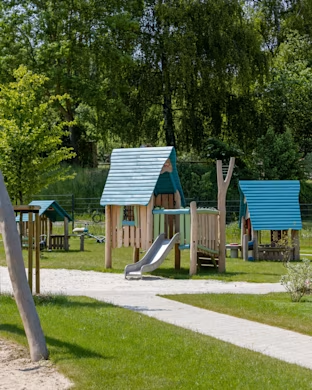
By engaging with natural materials and living plants, children develop a deeper appreciation for their surroundings and an understanding of nature, fostering a sense of environmental responsibility from a young age.
Essential Nature Play Design Elements

Natural Materials
Use timber, recycled plastic, and natural ground cover materials like wood chips to minimise environmental impact and provide authentic sensory experiences.
Sensory Stimulation
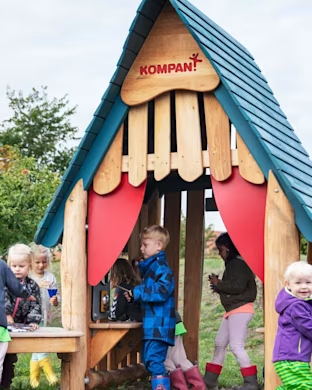
Incorporate a variety of textures, scents, and sounds, such as aromatic herb gardens, water features, and rustling leaves, all of these help to engage all the senses of children while they play.
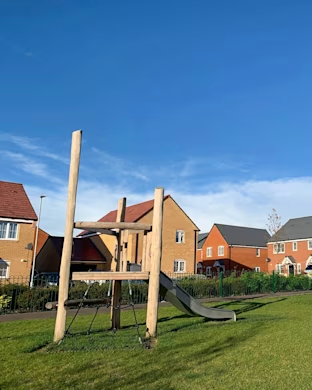
Open Spaces
Ensure there are spaces for free and unstructured play, allowing children to run, create games, and interact socially in a flexible and dynamic environment.
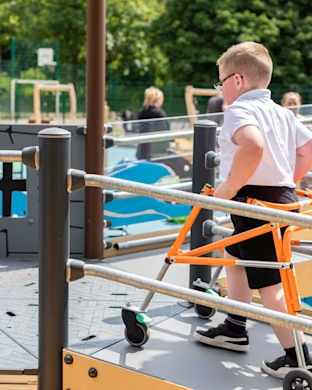
Inclusivity & Accessibility
Design with accessibility in mind by incorporating ramps, accessible play structures, and sensory-rich elements to accommodate children of all abilities.
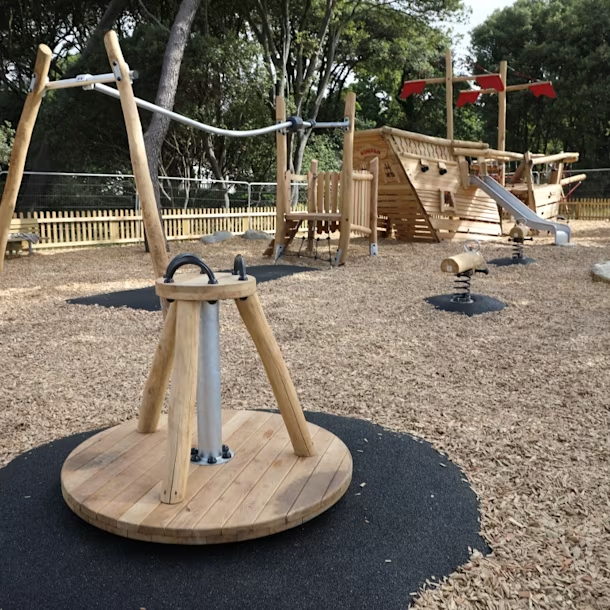
Natural playgrounds support the holistic development of children, fostering a deep connection with the natural world. They promote motor skill development, sensory activities, creativity, learning about nature, and encourage children to engage with the natural environment through and elements inspired by nature.
The requires a thoughtful approach that considers the needs of all children and integrates with the environment. By selecting a unified theme, such as a fairy garden or a dinosaur-themed playground, designers can develop an engaging and immersive play experience.
The selection of materials is crucial as it impacts the safety, durability, and maintenance of the playground.
By using natural materials like timber, recycled playground equipment, boulders, and logs instead of synthetic materials, can create safe and durable play spaces while minimising environmental impact. These natural elements not only add aesthetic appeal but also provide children with sensory experiences.
Moreover, the use of natural materials like engineered wood fibre for playground surfacing ensures safety and compliance with the Equality Act 2010, making the playground accessible to children with disabilities. This attention to detail in material selection is what makes natural playgrounds stand out, offering a play experience that is both more eco-friendly and inclusive.
Natural playgrounds are more than just visually appealing; they engage all the senses. By incorporating a variety of textures, shapes, and materials, these playgrounds offer a diverse range of sensory experiences that are essential for cognitive development. Natural play spaces encourage creativity, social interaction, and physical activities by incorporating elements and textures from nature, which provide opportunities for unstructured play and promote inclusivity for children of all skill levels and abilities. Children engage in a holistic learning process as they touch, feel, and interact with various natural objects, from the smoothness of pebbles to the roughness of bark, enhancing their sensory awareness and fine motor skills.
The inclusion of sensory gardens, filled with aromatic herbs, rustling leaves, and vibrant flowers, adds layers of sensory stimulation. It invites children to smell, touch, and even taste the natural world. This multisensory approach to play helps children to forge deeper connections with their environment, enriching their play experiences and supporting their overall development.
The design of a natural playground isn't complete without open spaces. Natural playgrounds allow children to move freely and creatively, enabling them to explore, run, jump, climb, crawl, touch, smell, and more. These open areas are vital for fostering free and unstructured play, which is essential for children to develop their creativity and social skills. Open spaces give children the freedom to run, invent games, and interact with their peers in a relaxed and unbounded environment.
Moreover, open spaces within natural playgrounds can be transformed by children’s imaginations into anything from a bustling city to an alien landscape. By providing elements, can encourage children to develop through challenging yet fun activities. This flexibility in play options is one of the key benefits of natural playgrounds, as it allows children to express themselves freely and develop their problem-solving abilities.
Choosing Natural Playground Equipment
When choosing and elements that will endure and continue to captivate children, our options are an outstanding pick. Renowned for our and innovative design, our playgrounds are built to improve the physical, cognitive, creative, and social/emotional skills of children. Our commitment to using recycled materials also demonstrates our dedication to being more environmental responsible.
Our playgrounds are not just designed for children; we also cater to teenagers and adults, promoting activity across all age groups. The versatility of our equipment, from the that spark the imagination to solutions that welcome users of all abilities, makes us a leading choice for communities looking to create engaging and enduring play spaces.
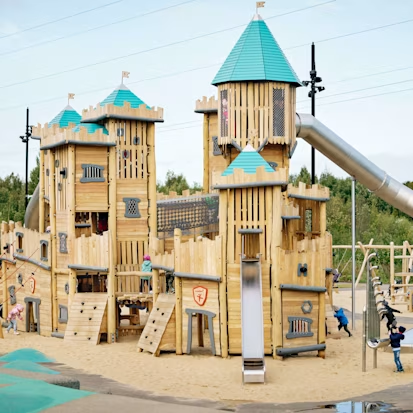
Meet the KOMPAN Play Institute

Jeanette Fich Jespersen

Suzanne Quinn

Maria Ross Larsen
Sources
University of Tennessee at Knoxville. "Natural playgrounds more beneficial to children, inspire more play, study finds." ScienceDaily. ScienceDaily, 11 October 2012.
University of British Columbia. "Spending time in nature promotes early childhood development." ScienceDaily. ScienceDaily, 21 October 2021.
Luchs, Annika, and Maren Fikus. "Differently Designed Playgrounds and Preschooler’s Physical Activity Play." Early Child Development and Care, vol. 188, no. 3, 2016, pp. 281–295, .