
What is Educational Playground Equipment?
Educational playground equipment offers numerous benefits, combining fun with learning to support children's development. Selecting the right playground equipment to design your educational playground is a crucial task for school administrators, park planners, and community centre managers. This guide aims to provide comprehensive insights into selecting the best educational playground equipment, helping you design your outdoor educational play area while ensuring safety, quality, and engagement for all users.
Educational playground equipment is designed to promote learning and development through play. It supports cognitive, physical, social, and emotional growth, making it a valuable addition to any play area. High-quality, commercial-grade playground equipment ensures durability and safety, essential for any public or private facility.
"Play is a child’s right, but it is also a critical form of stimulation that boosts children’s cognitive, physical, social, and emotional development."
UNICEF.ORG
Examples of Educational Play Features:
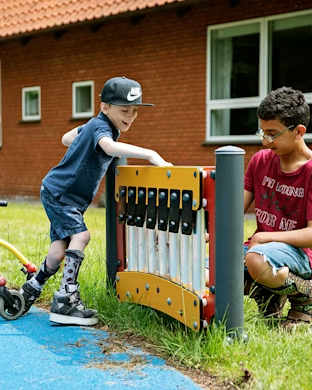
Musical Instruments
Outdoor xylophones, drums, megaphone, chimes.
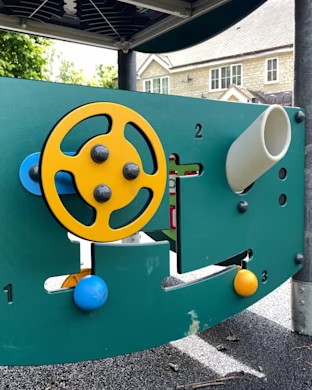
Interactive Panels
Math and alphabet play boards, tic-tac-toe playground panels.
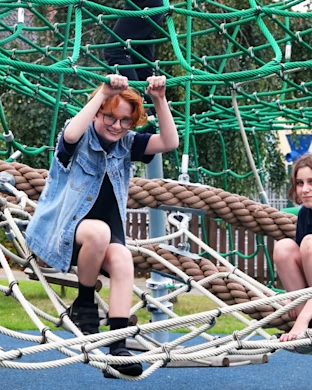
Climbing Structures
Equipment designed with shapes, puzzles, and numbers.

Sensory Play Areas
Textured surfaces, water and sand play, and tactile panels.
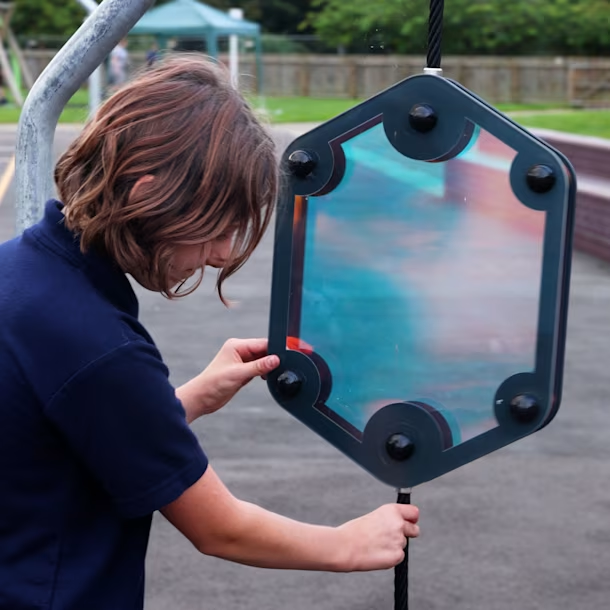
What Makes Playground Equipment Educational?
Educational playground equipment integrates learning objectives with play. Unlike that focus mostly or solely on physical activity, these play areas incorporate features that stimulate children's minds, encouraging them to learn, explore, solve problems, and think critically.
Traditional playgrounds often include , , and aimed at physical activity. In contrast, educational playgrounds feature interactive panels, musical instruments, and STEM-focused elements that provide cognitive and sensory experiences alongside physical play. If you want to know more about how to design educational school playgrounds, click .
Benefits of Educational Playground Equipment
1. Cognitive Development
Outdoor educational playgrounds foster problem-solving skills and critical thinking. Educational play structures that involve interactive panels and games challenge children to think strategically and develop their cognitive abilities in a fun, engaging environment.
2. Physical Development
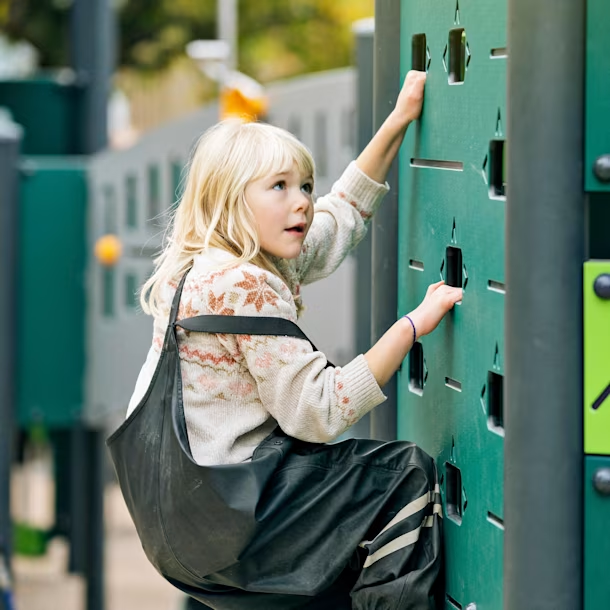
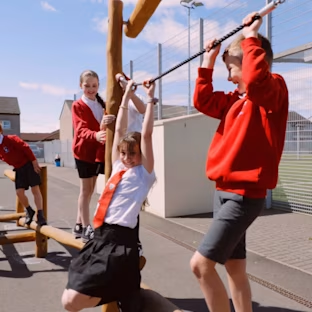
Equipment designed for climbing, balancing, and coordination helps children develop their physical skills. These activities improve strength, agility, and overall fitness.
3. Social Development
Outdoor learning playgrounds serve as social hubs where children can develop essential life skills such as teamwork, communication, and cooperation. These environments provide more than just physical exercise; they are designed to stimulate cognitive and social development through interactive play features.
4. Emotional Development
Overcoming challenges on the playground builds confidence and resilience. Children learn to manage their emotions, take risks, and gain a sense of achievement.
Get in touch with us today
Planning a new playground project? Have a burning question? Need guidance? Fill in your contact details and we will get back to you as soon as possible.
For School Administrators
Designing educational equipment with a focus on STEM (Science, Technology, Engineering, and Mathematics) play elements transforms play areas into outdoor learning environments. Examples of STEM-focused educational equipment include math and science panels, problem-solving games, and interactive features that stimulate critical thinking and curiosity in science, technology, engineering, and mathematics (STEM).
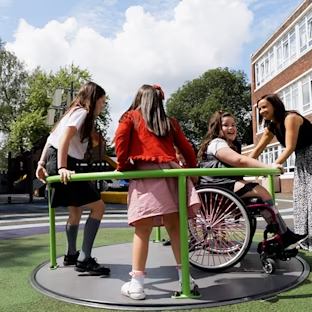
Yes, many of these educational playground features are , including accessible equipment such as ramps, tactile panels, and to ensure children of all abilities can enjoy and benefit from educational play structures. Click to view one of our finest examples of inclusive play equipment within a school for autistic children.
For Community Planners
Yes, the equipment can be tailored to serve different age groups and interests. For example, play panels for younger children and sensory climbing structures for older children ensure that all demographics are catered to effectively.
For Parents
Yes, the playground is designed with specific areas for different age groups. This helps ensure that younger children and older children each have appropriate and safe play spaces, minimising conflicts and enhancing enjoyment.
While the playground is split into age-appropriate zones, it is safest for children to stick to the equipment designated for their age group. This ensures that all children can play safely and enjoyably.
Outdoor Play & Fitness Equipment for Schools
Transforming school playgrounds. With a range of products and solutions for all ages & abilities.
Preschool/Nurseries
Primary Schools
Secondary Schools
Special Educational Needs Schools (SEN)

Educational Playground Equipment
Colleges & Universities
Schools