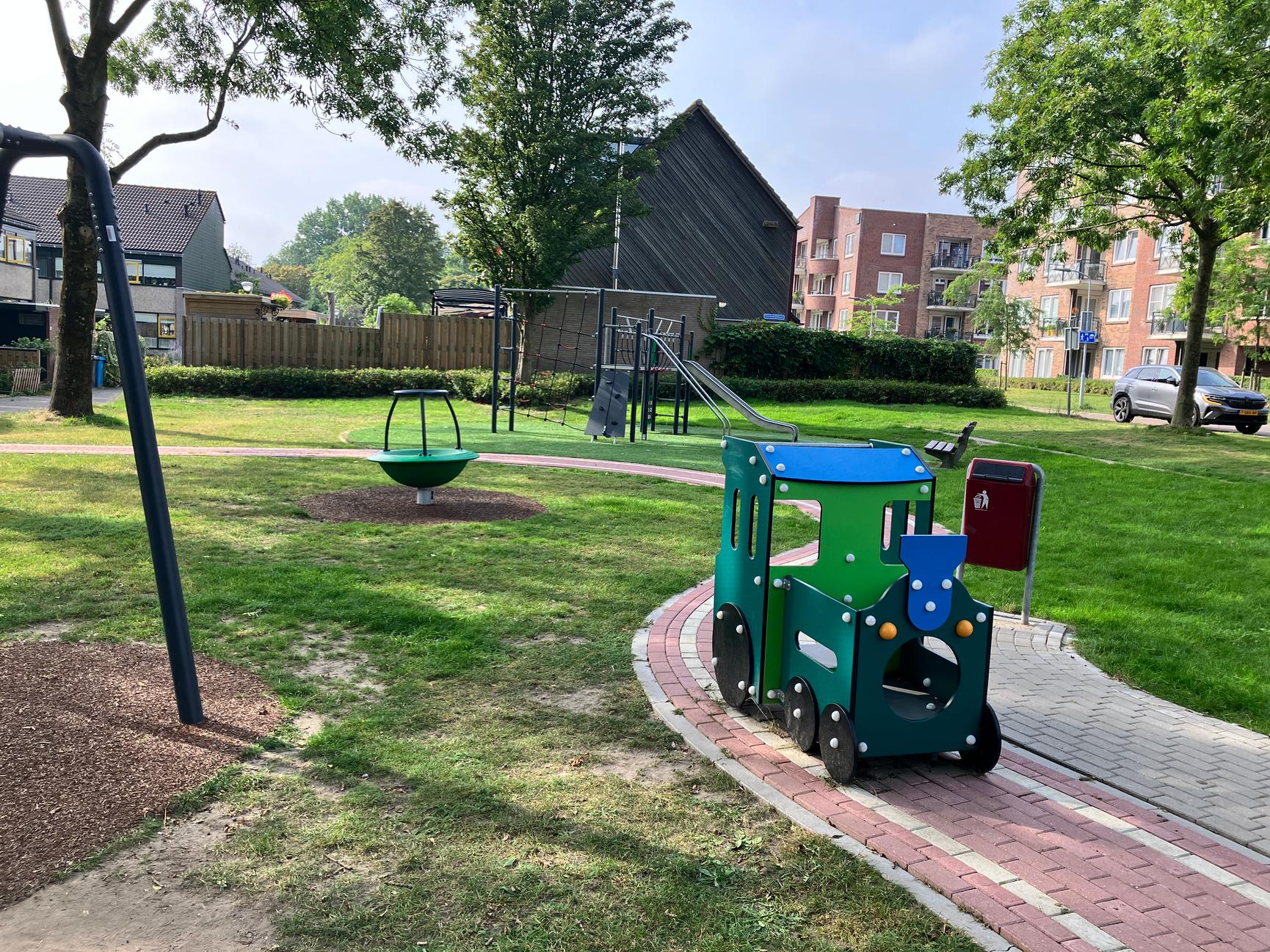
M536
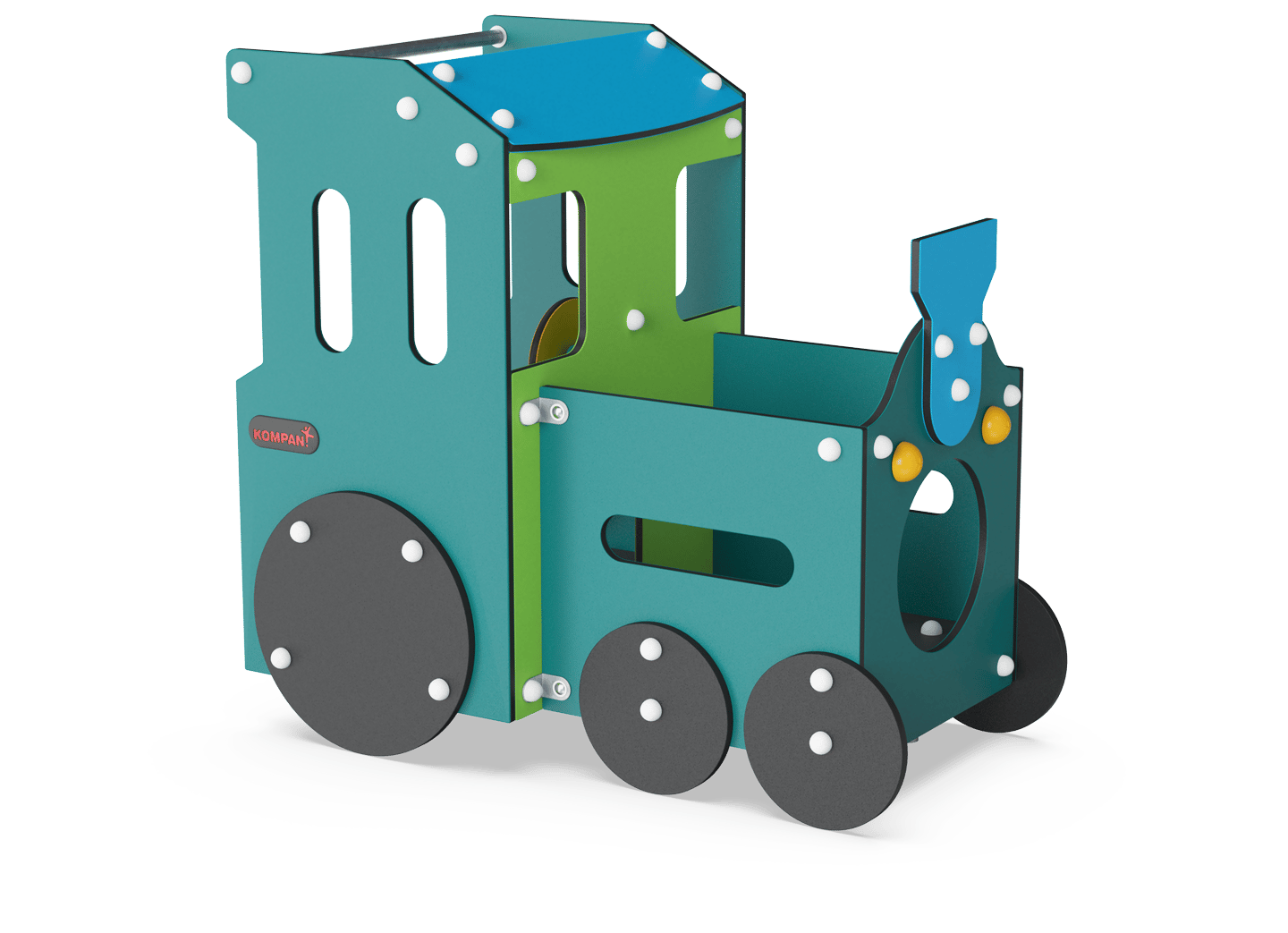
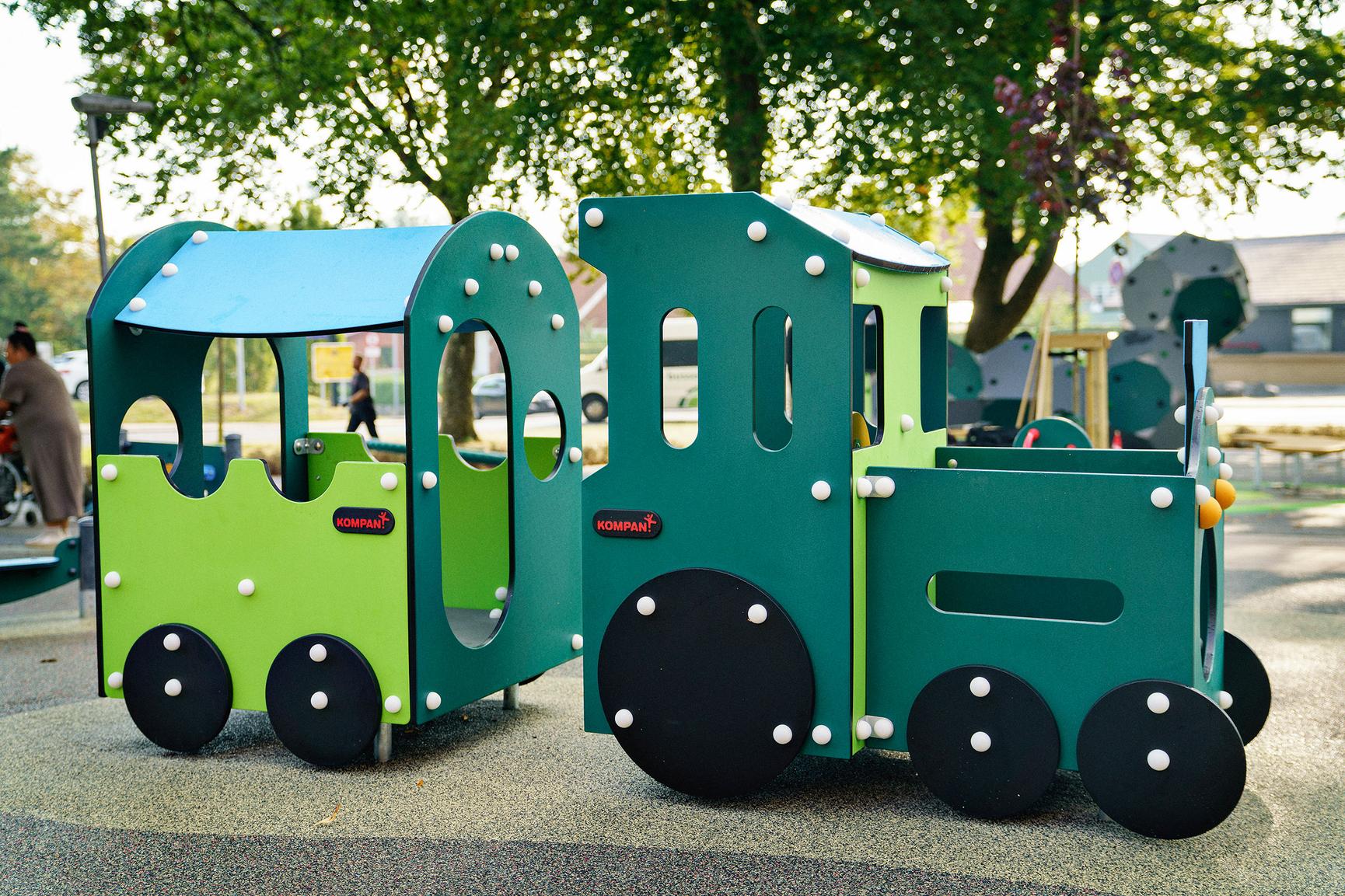
Toddler Train
Price guide
5,870 AUD
Age Group
1+ Years
Capacity
4
Inclusive
Yes
Product category
M536
Toddler Train
Specifications
Toddler Train
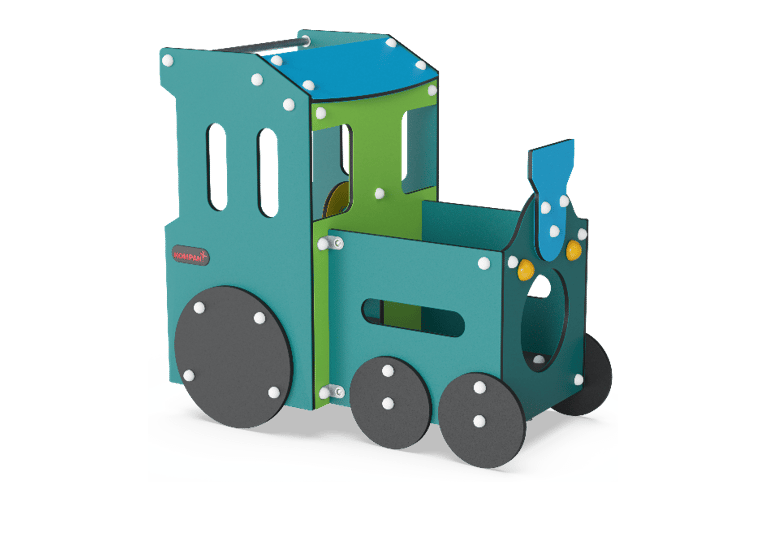
Choo-choo! Toddler Train is a huge attraction for young children. The many crawls through and meeting options offer physical and social play. The traffic theme creates inspired play: where are we going on the train? This will start conversations and dramatic play. Stimulating language development in young children. The toddlers enjoy moving their bodies around the train. This trains the cross-coordination, which is crucial to train for toddlers. The cross-coordination supports the functions in the brain that facilitate later reading skills. Thanks to the many openings and holes, social interactions are supported from the inside to the outside. Caregiver interaction is made easier, and the holes invite a nice round of peek-a-boo. In spite of transparency, the Train still provides corners for toddlers to play den in.
This product, Toddler Train (M536), is provided by KOMPAN Australia.
Length
138 cm
Width
86 cm
Height
130 cm
Fall Space Length
435 cm
Fall Space Width
386 cm
Age Group
1+ Years
Key user group
2 - 6 Years
Capacity
4
Inclusive
Yes
Product category
Classic Playgrounds
Product line
Classic Freestanding Play Equipment
Product Highlights
Quality that lasts
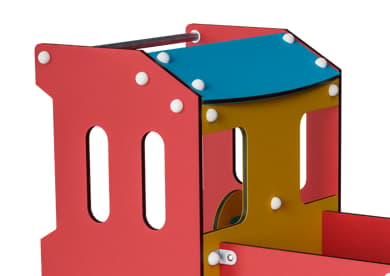
Panels of 19mm EcoCore™. EcoCore™ is a highly durable, eco-friendly material, which is not only recyclable after use but also consists of a core produced from 100% recycled material.
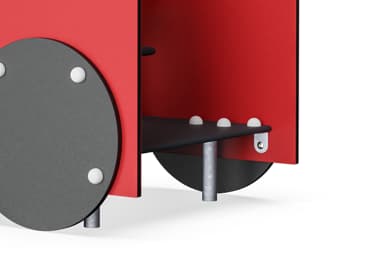
The floor is made of HPL with a thickness of 10 mm and non-skid surface texture. KOMPAN's HPL is highly durable to ensure longevity against wear and tear.
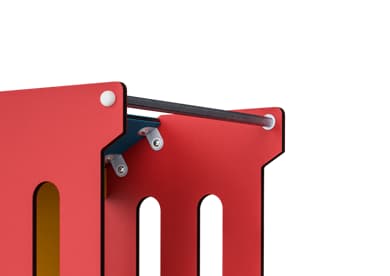
The handle is made of polypropylene PP, which has excellent impact strength and is suitable for hot climates.
KOMPAN GreenLine versions are designed with ultimate environmentally friendly materials with the lowest possible CO2e emission factor such as EcoCoreTM panels of 100% post consumer recycled ocean waste.
Play Activities

Construct
1

Crawl
2

Dramatic play
2

Hang in arms
1

Sensory
4

Socialise
2
Each play activity represents a type of play experience, such as balancing, social interaction, climbing, or sensory exploration. The number indicates how many opportunities the product offers for children to engage in that activity. Together, these activities help create a varied and developmentally rich play experience.
CO₂ emission
Sustainability Data
Our product and sustainability data validation help our clients make informed, sustainable buying choices based on methods validated by Bureau Veritas.
M53601-3418P
270.39
Total CO₂ emission (kg CO₂e)
2.92
CO₂e/kg (kg CO₂e/kg)
59.55%
Recycled materials
The overall framework applied for these factors is the Environmental Product Declaration (EPD), which quantifies "environmental information on the life cycle of a product and enables comparisons between products fulfilling the same function" (ISO, 2006). This follows the structure and applies a Life-Cycle Assessment approach to the entire Product stage, from raw material through manufacturing (A1-A3).