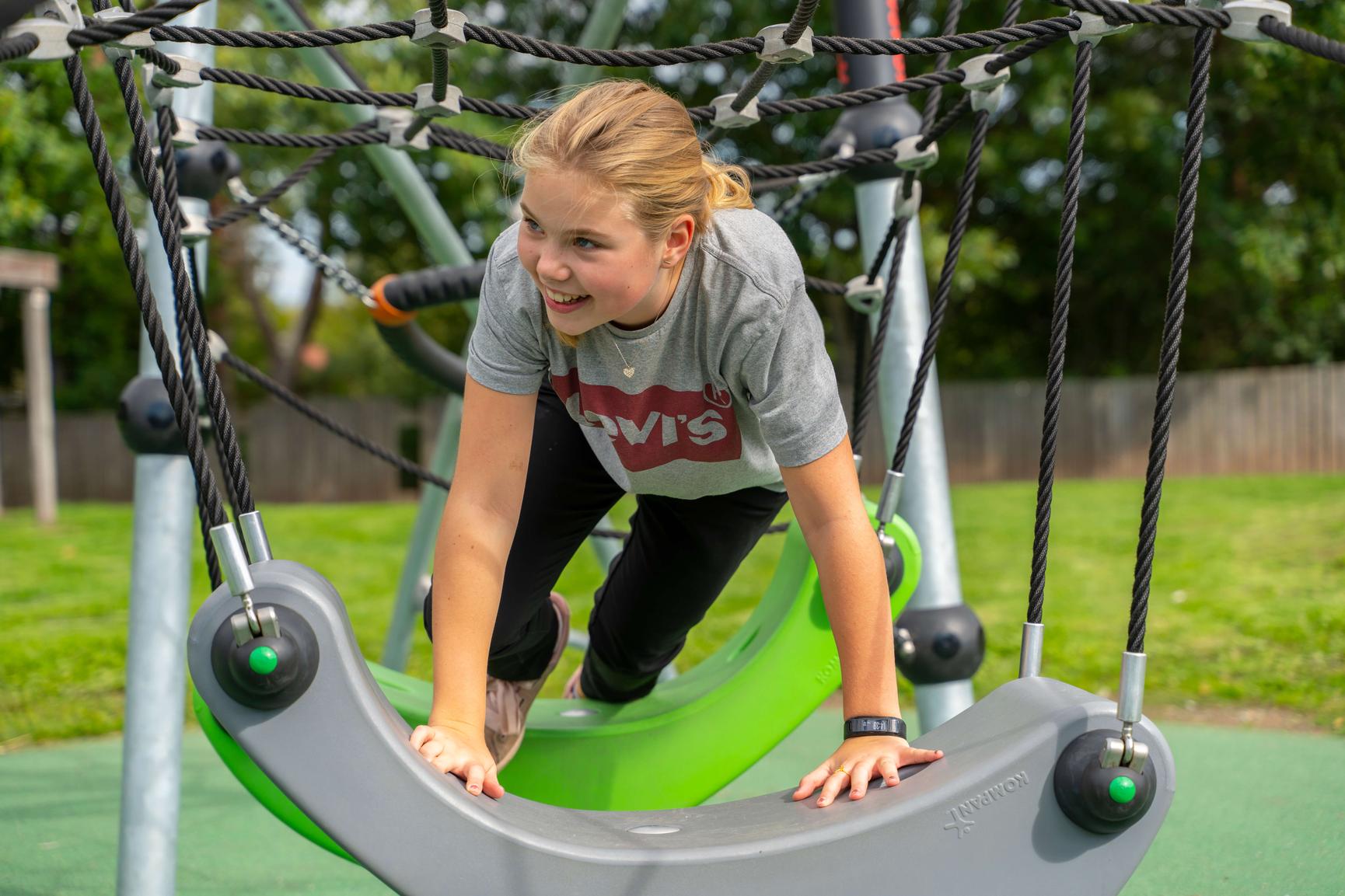
GXY939
Regulus
Price guide
29,900 AUD
Age Group
6+ Years
Capacity
14
Inclusive
Yes
Product category
GXY939
Regulus
Specifications
Regulus
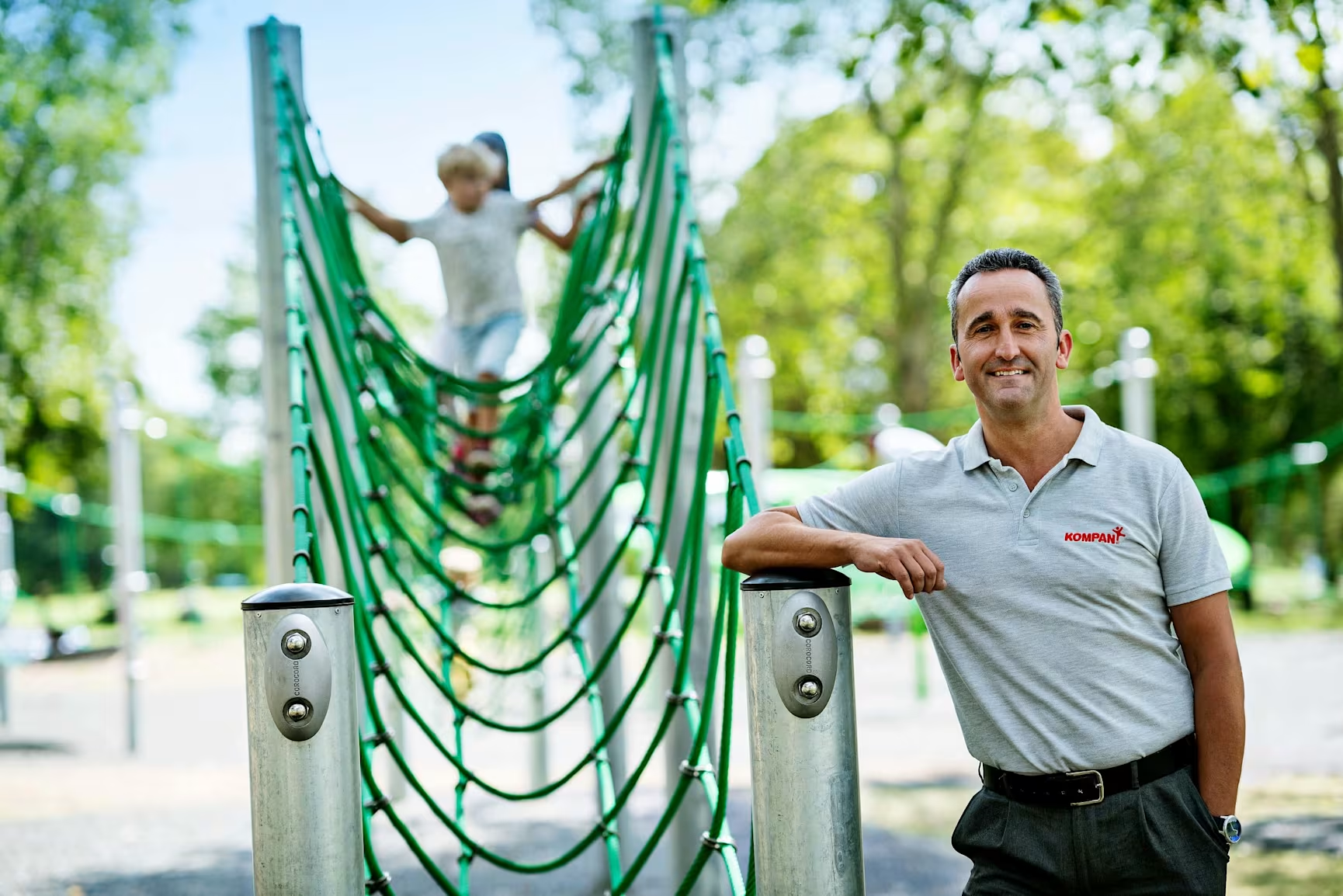
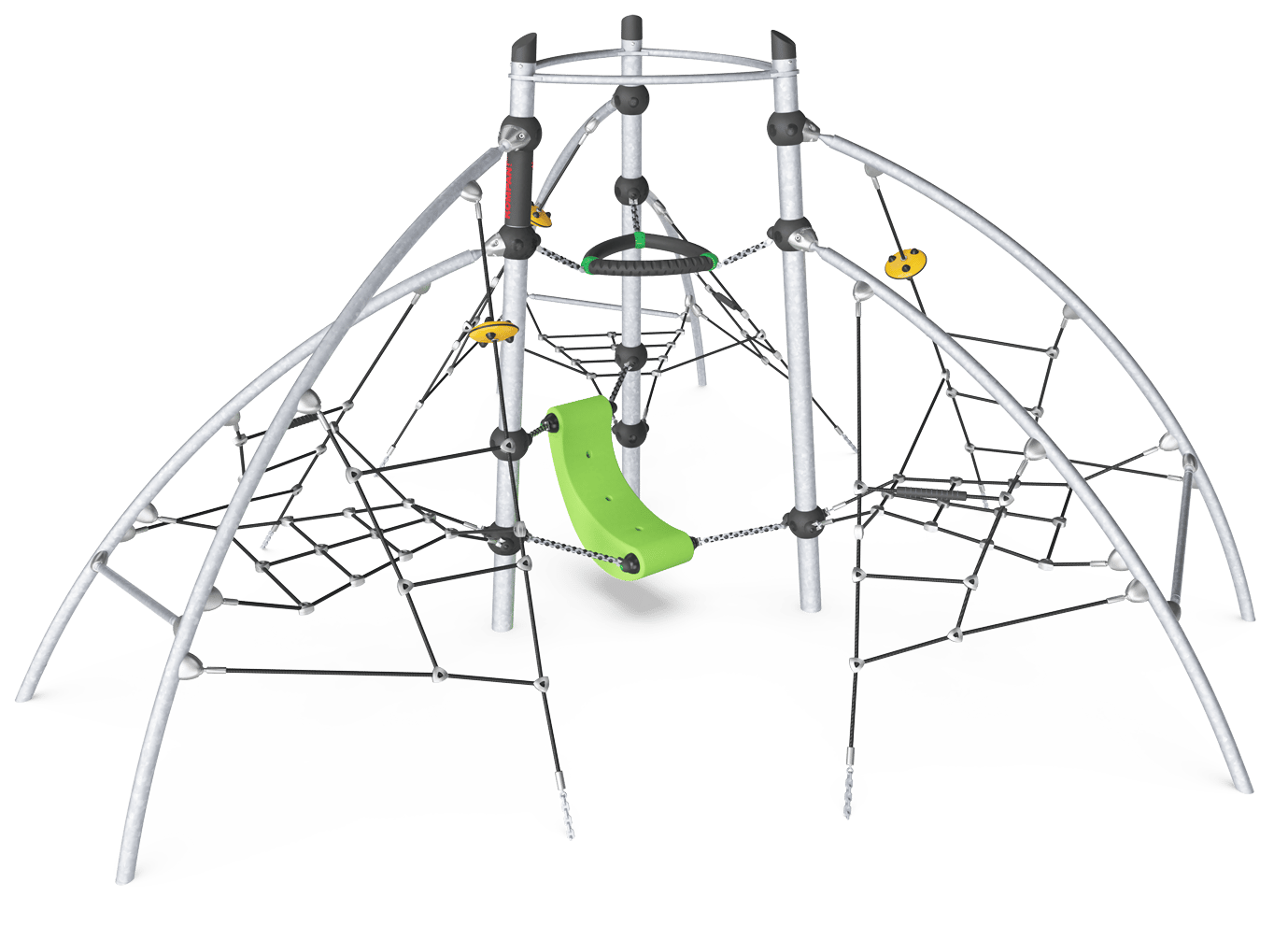
Regulus' bright colours and swaying and bouncy destinations attract and cater for playful children of all abilities. The slanting nets make it possible to stand, sit and lie, thus catering for users of all abilities and a wide age span. All the nets are intertwined which means that children can feel the movement of the other children climbing. The physical feedback, meeting points and transparency of the nets support fun and social play for a long time. When children climb, bounce and sway on the Regulus, they train their balance, proprioception and spatial awareness. This supports skills needed for e.g. sitting still on a chair, concentrating.
This product, Regulus (GXY939), is provided by KOMPAN Australia.
Length
481 cm
Width
555 cm
Height
265 cm
Fall Space Length
779 cm
Fall Space Width
852 cm
Age Group
6+ Years
Key user group
6 - 12 Years
Capacity
14
Inclusive
Yes
Product category
Rope & Climbing Playgrounds
Product line
Galaxy™
Product Highlights
Quality that lasts
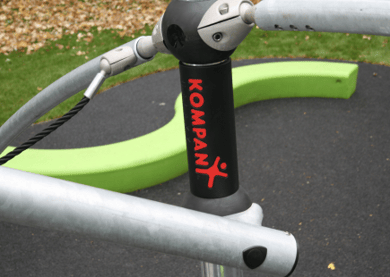
The steel surfaces of GALAXY are hot-dip galvanised inside and outside with lead-free zinc. The galvanisation has excellent corrosion resistance and requires low maintenance.
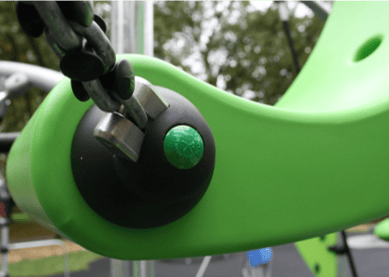
More substantial play activities are made of 100% recyclable PE. The play shell displayed is moulded in one piece with a minimum 5mm wall thickness. PE has high impact resistance across a wide temperature span which ensures vandal resistance in all locations.
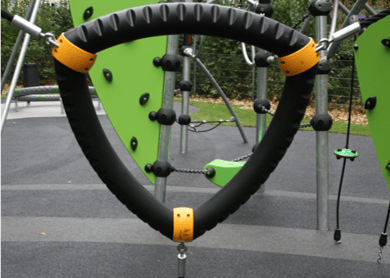
GALAXY climbing triangle with an outer soft layer of PUR and corner brackets of moulded nylon (PA6). The core consists of a powder-coated welded steel frame with integrated corner suspension points. Larger triangles are closed with an 18mm thick Ekogrip® panel that has a top layer of rubber with a non-skid effect.
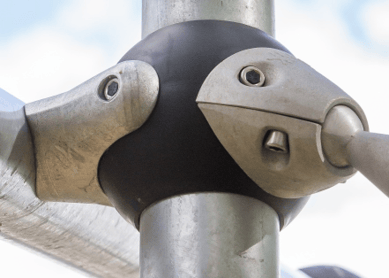
The unique designed GALAXY connection ball is produced with an inner circular core of aluminium surrounded by a shell of hard PP with an outer layer of soft TPV rubber. Flexible lead-free aluminium connectors allow for installation in variable angles.
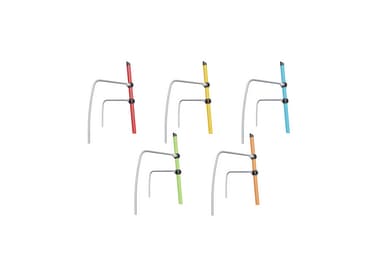
Galaxy products are available in different colour combinations with either hot-dip galvanised steel surface treatment or a powder-coated finish to selected steel components. Colours of the activities are adjusted to support the individual colour combination.
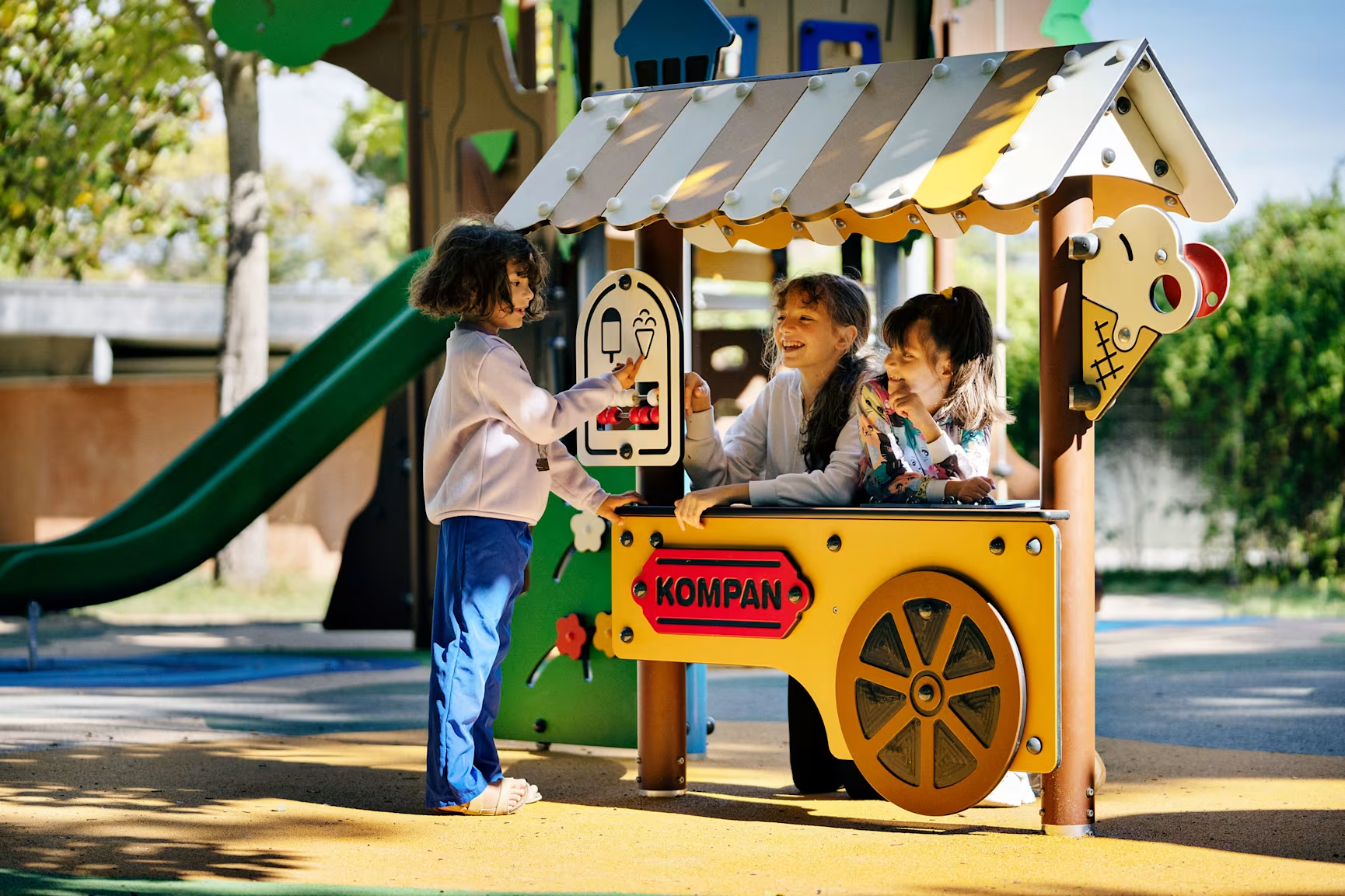
Play Activities

Balance
2

Climb
13

Hang in arms
3

Sensory
7

Socialise
4

Sway
2
Each play activity represents a type of play experience, such as balancing, social interaction, climbing, or sensory exploration. The number indicates how many opportunities the product offers for children to engage in that activity. Together, these activities help create a varied and developmentally rich play experience.
CO₂ emission
Sustainability Data
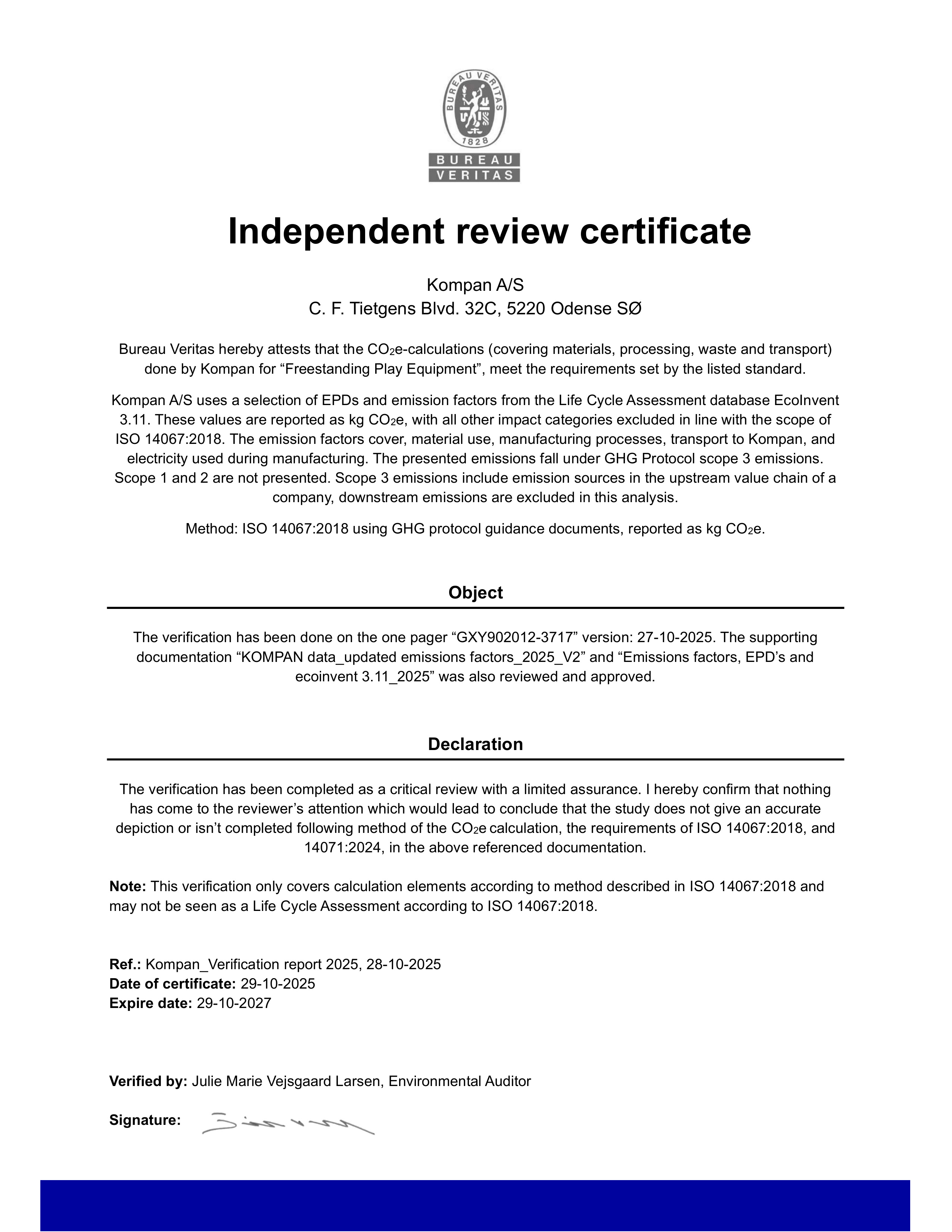
Our product and sustainability data validation help our clients make informed, sustainable buying choices based on methods validated by Bureau Veritas.
GXY939012-3717
2820
Total CO₂ emission (kg CO₂e)
6.81
CO₂e/kg (kg CO₂e/kg)
37.71%
Recycled materials
The overall framework applied for these factors is the Environmental Product Declaration (EPD), which quantifies "environmental information on the life cycle of a product and enables comparisons between products fulfilling the same function" (ISO, 2006). This follows the structure and applies a Life-Cycle Assessment approach to the entire Product stage, from raw material through manufacturing (A1-A3).