playground planning
How to design Inclusive Playgrounds
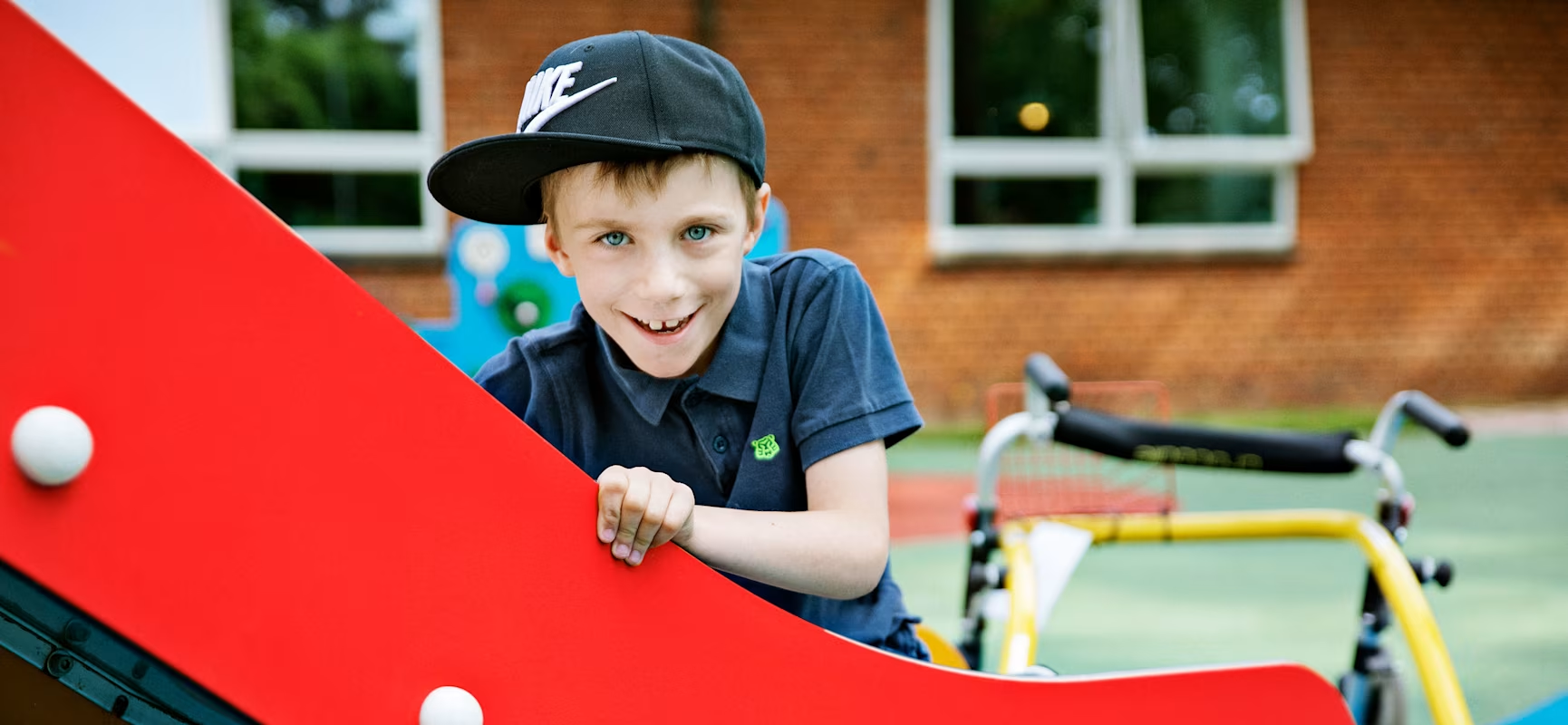
What makes a Public Playground Inclusive?
The secret behind the attraction of an inclusive playground lies in being mindful of the different needs and behaviours of playground users. It’s all about creating equity in access and use. Everyone can’t do everything, but everyone can do something. Following our universal playground design principles, you are well-equipped when planning and designing your inclusive park.
Our teams of play experts are here to help you and guide you in the right direction
Inclusive Playground Example
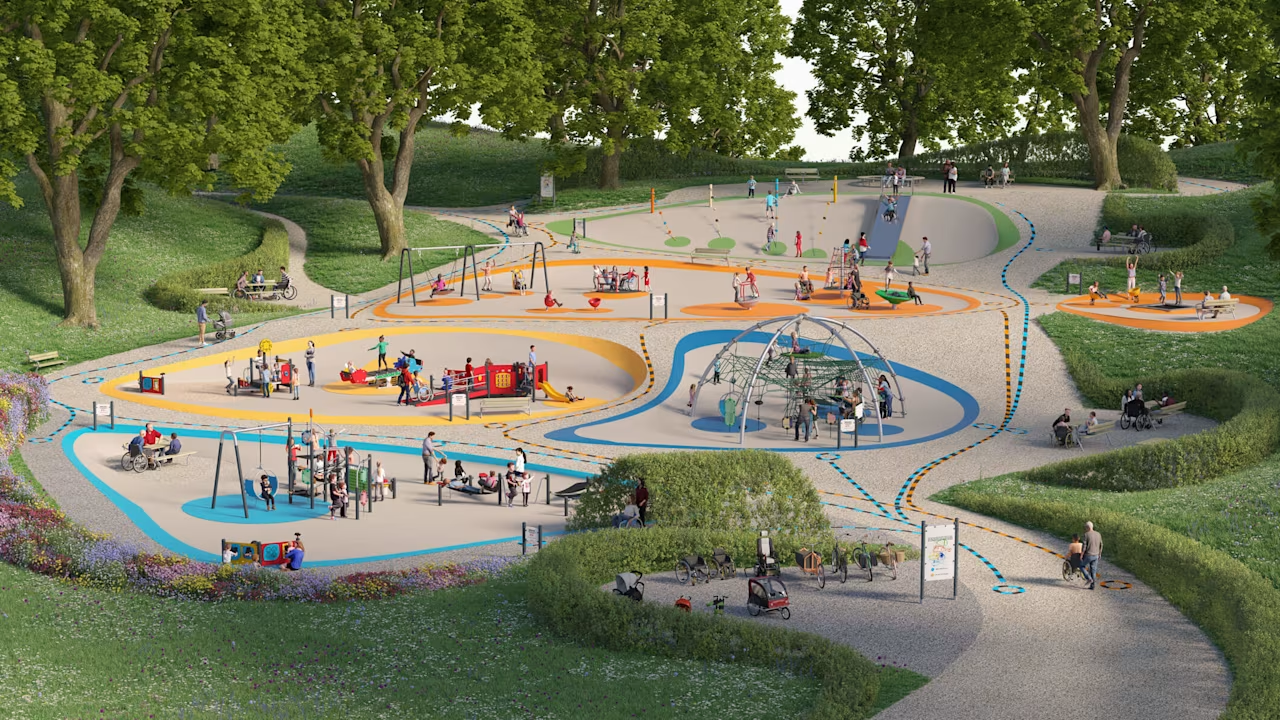
Inclusive playground design
Above is an example of a large playground, but no matter the size of your inclusive playground, have the following design features in mind.
Can users get around? Start by ensuring accessibility to the playground. Plan for easy access to parking, and wide enough entries for, e.g. wheelchair users to enter the playground.
Choose inclusive playground surfacing, that is easy to maneuver for users we mobility difficulties. Paths with guidance is helpful and will make it possible to get around and to equipment, and navigate the overall playground.
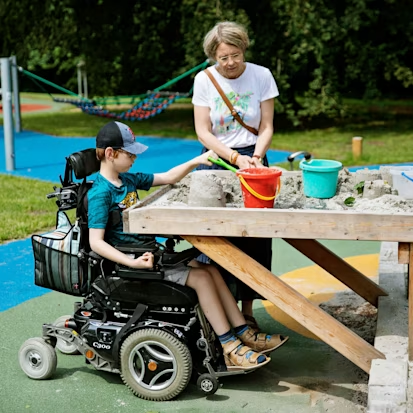
Include quiet areas with benches and shading for caregivers and children that gets easily overstimulated to withdraw to.
Design for both social and solitary play areas. Inclusive parks should offer both thrilling, social play options, but also quiet play with sensory playground equipment.
Make sure that elevated-level and ground-level play activities are accessible and usable for users with mobility difficulties, either by a ramp structure or easy-access surfacing material. Ramp structures provide access to levels of play otherwise not reachable by, e.g., wheelchair users.
Often you can apply for to help realising your playground project.
To help the planning process, we have created an easy overview of the best practices for designing inclusive playgrounds in an inclusive play design guide. Download your free copy below.
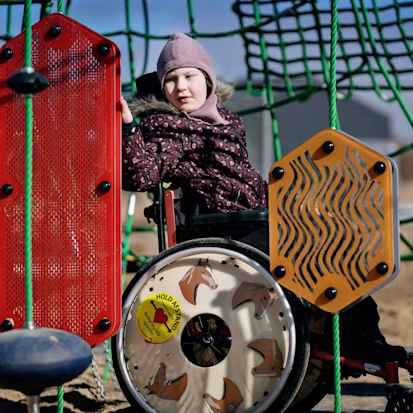
Sensory Play Events
Accessibility also means considering users with sensory or cognitive disabilities. Considering sensory play events in your inclusive playground design is a beautiful way of activating equal play opportunities. Factors to consider are tangible and visual textures, areas with equipment for soothing body pressure, auditive movement motivators, and sensory experiences, e.g., scented plants.
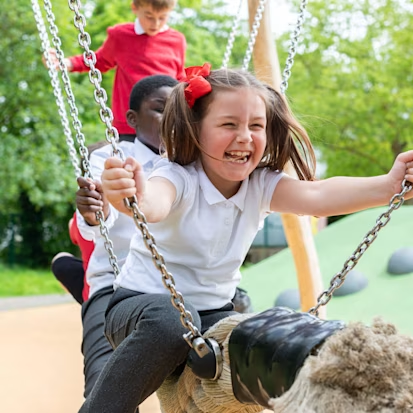
Challenging Play Opportunities
Varied play equipment is the main success criterium when planning inclusive and universal playgrounds—having a choice of physically challenging, thrilling and sensory stimulating activities that can be played in groups or individually will ensure playability. Choosing , swaying, , and for the physical thrill will ensure success. For sensory stimulation, a choice of and tactile, sound, and visual elements to play with, alone or together, will increase play retention.
Guiding Design Language
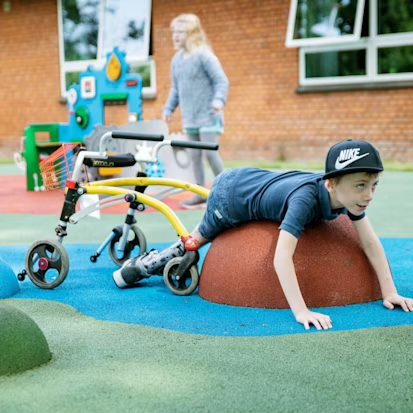
Create signal transitions in the playground and play area by using different textures and contrasting colours placed strategically in the . This will help users with vision impairments and a range of users with sensory disabilities navigate the playground.
Dramatic play elements such as will help many users connect and relate to the playground.
Individual Play and Breaks
Activities for Social Interaction
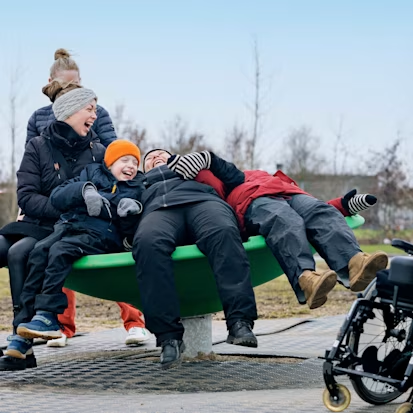
Social interaction is important for all of us. Therefore, an inclusive playground must also include play equipment and activities that stimulates social interactions; such as “two-of-each” parallel play options for training social skills. Placing side by side swings, or spinning devices is an amazing way to create a parallel play option.
Variety in Play Value
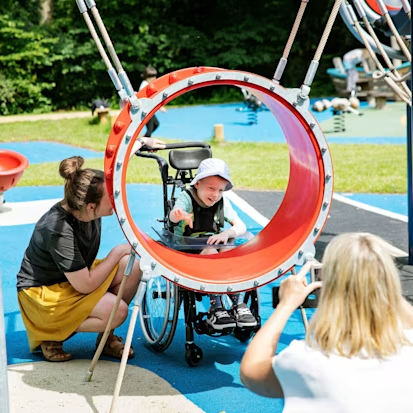
Variety in play opportunities is about creating a play space with wild and quiet activities. An inclusive playground should provide physical, social-emotional, cognitive-creative activities but also allow for breaks with seating and areas for retraction from play.
What are the benefits of inclusive playgrounds?
Creating equity in outdoor play opportunities is the primary obligation of communities because everyone benefits from playing together: across ages, genders, nationalities, and abilities.
Research shows that children with disabilities who play with typically developing children grow and develop their abilities and strengths, thus gaining a positive self-image.
Children with disabilities, just like all other kids, love the thrill and joy of playing with others.
Children’s physical, social-emotional, cognitive and creative development is not only supported by play, it is developed through play.
If you want to see more examples of inclusive playgrounds,
Why Choose KOMPAN? KOMPAN’s mission of creating truly inclusive, universal playgrounds has been part of our journey since the 1980s, and ADA playgrounds since the 1990s. We have more than 50 years of experience designing play solutions for all, including children with disabilities. Over the past years, the has intensified its observation studies and revisited the core insights of universal play.
Have questions about how to design an inclusive playground?
Please fill in your contact details, and we will get back to you as soon as possible.