NRC200101
Crooked Den
Age Group
2+ Years
Capacity
15
Inclusive
Yes
Product category
NRC200101
Crooked Den
Specifications
Crooked Den
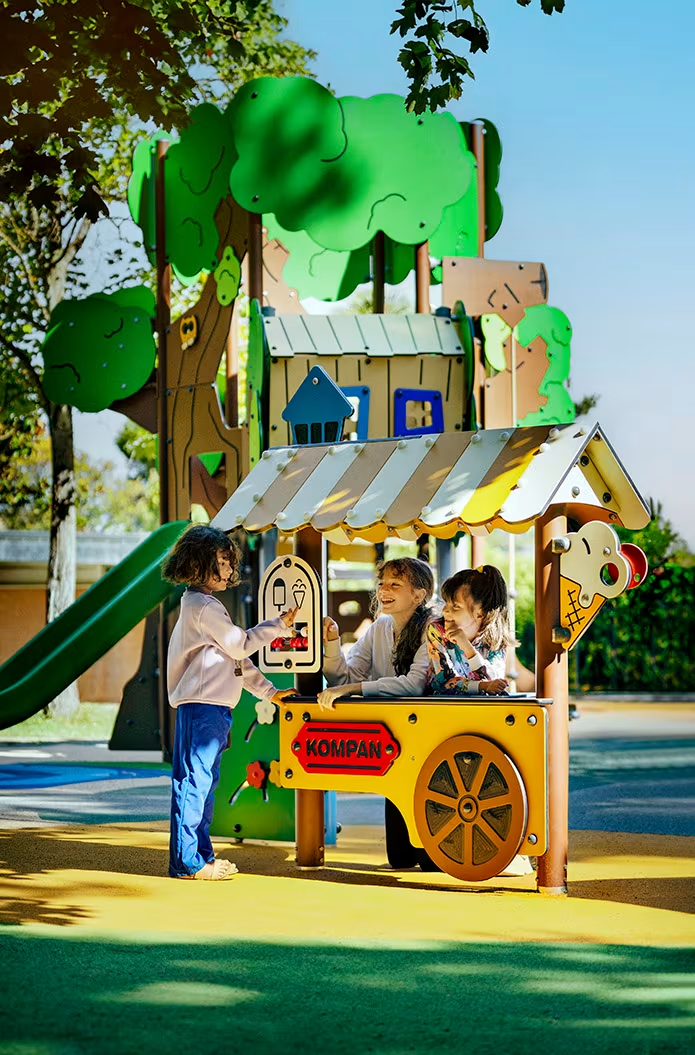
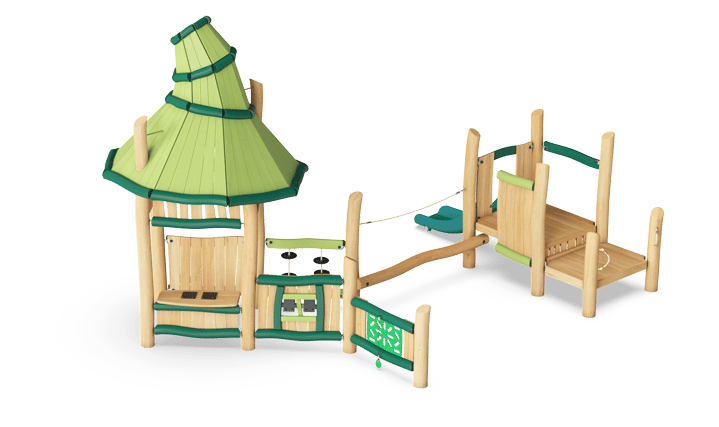
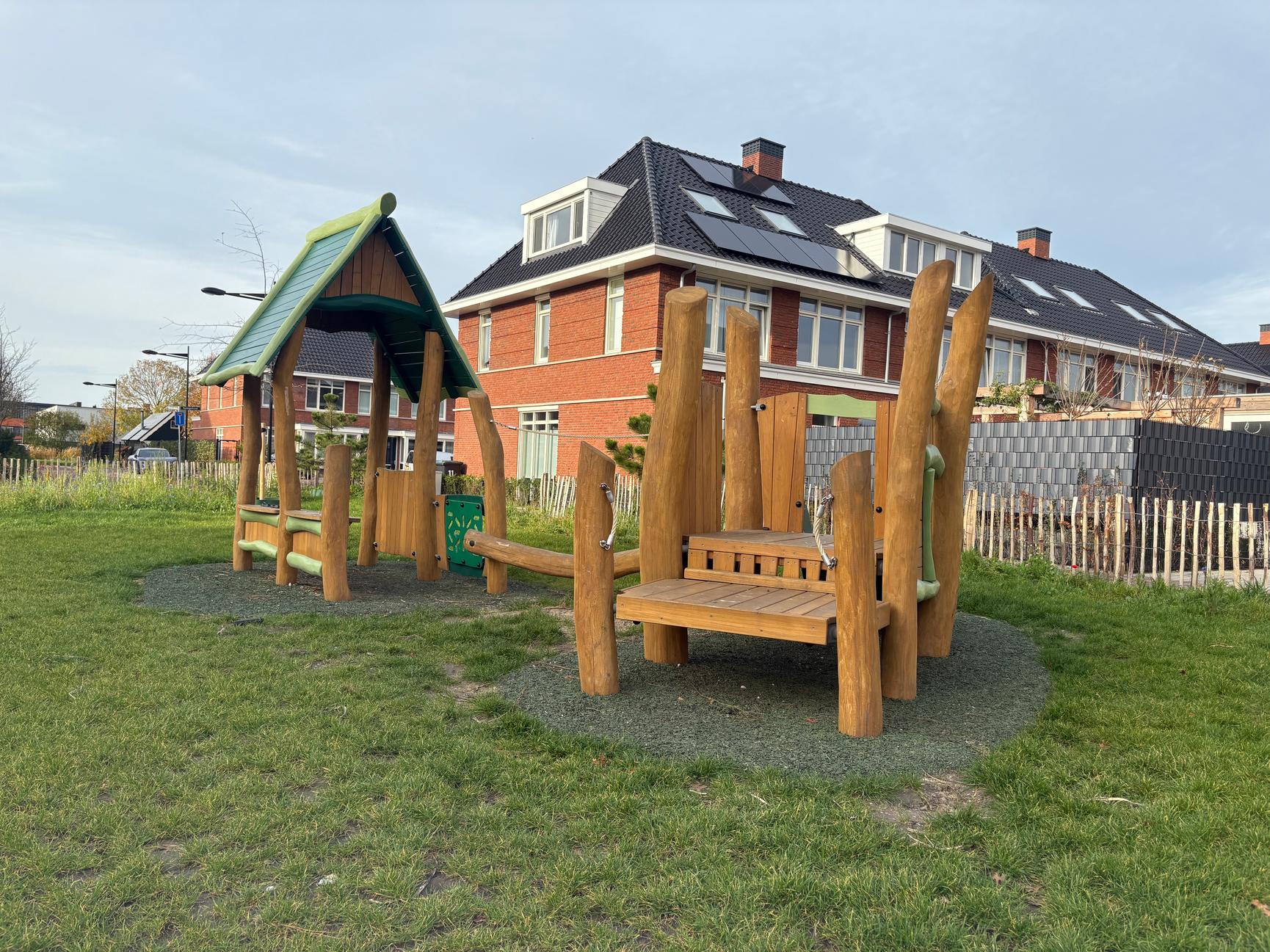
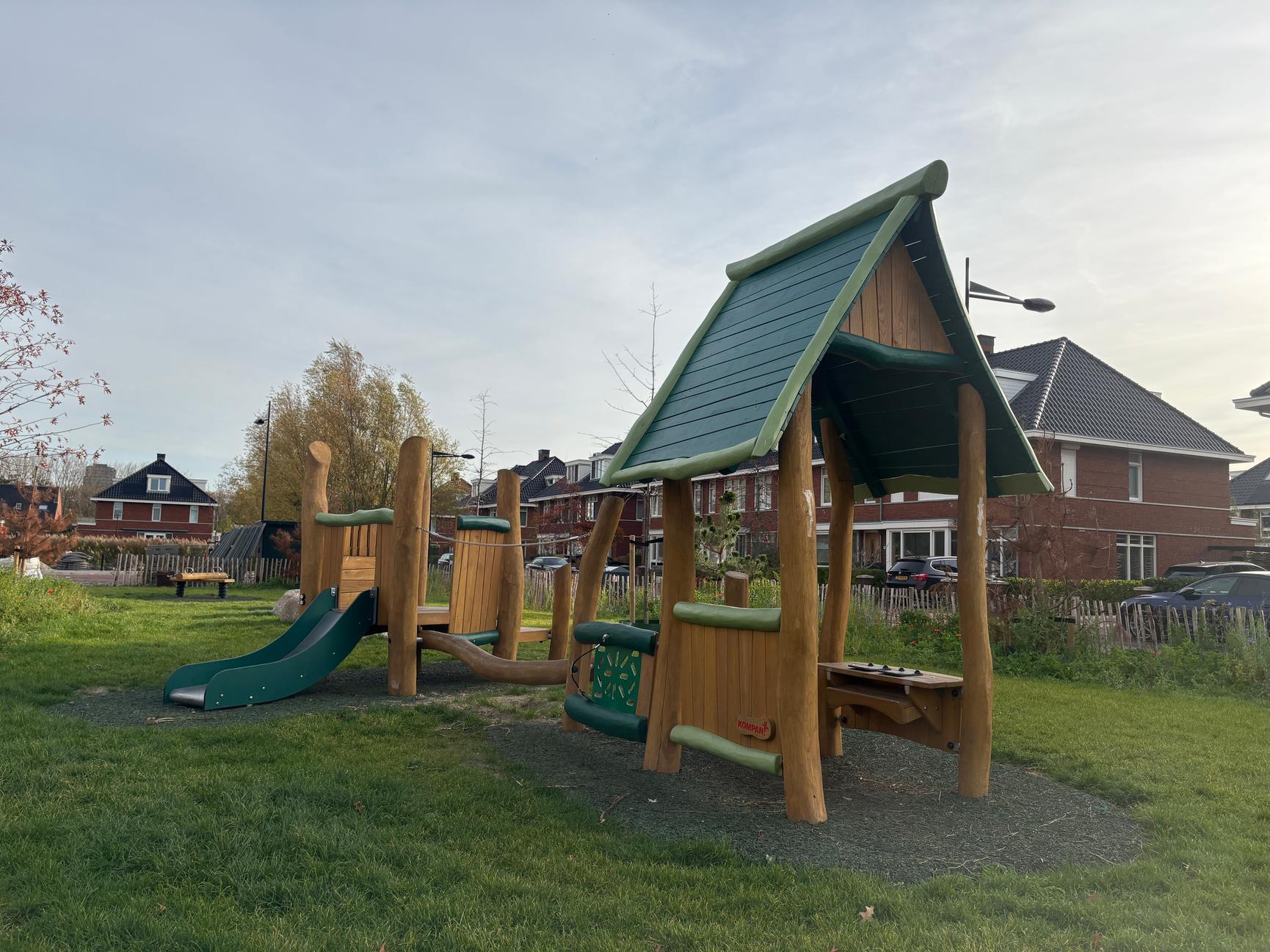
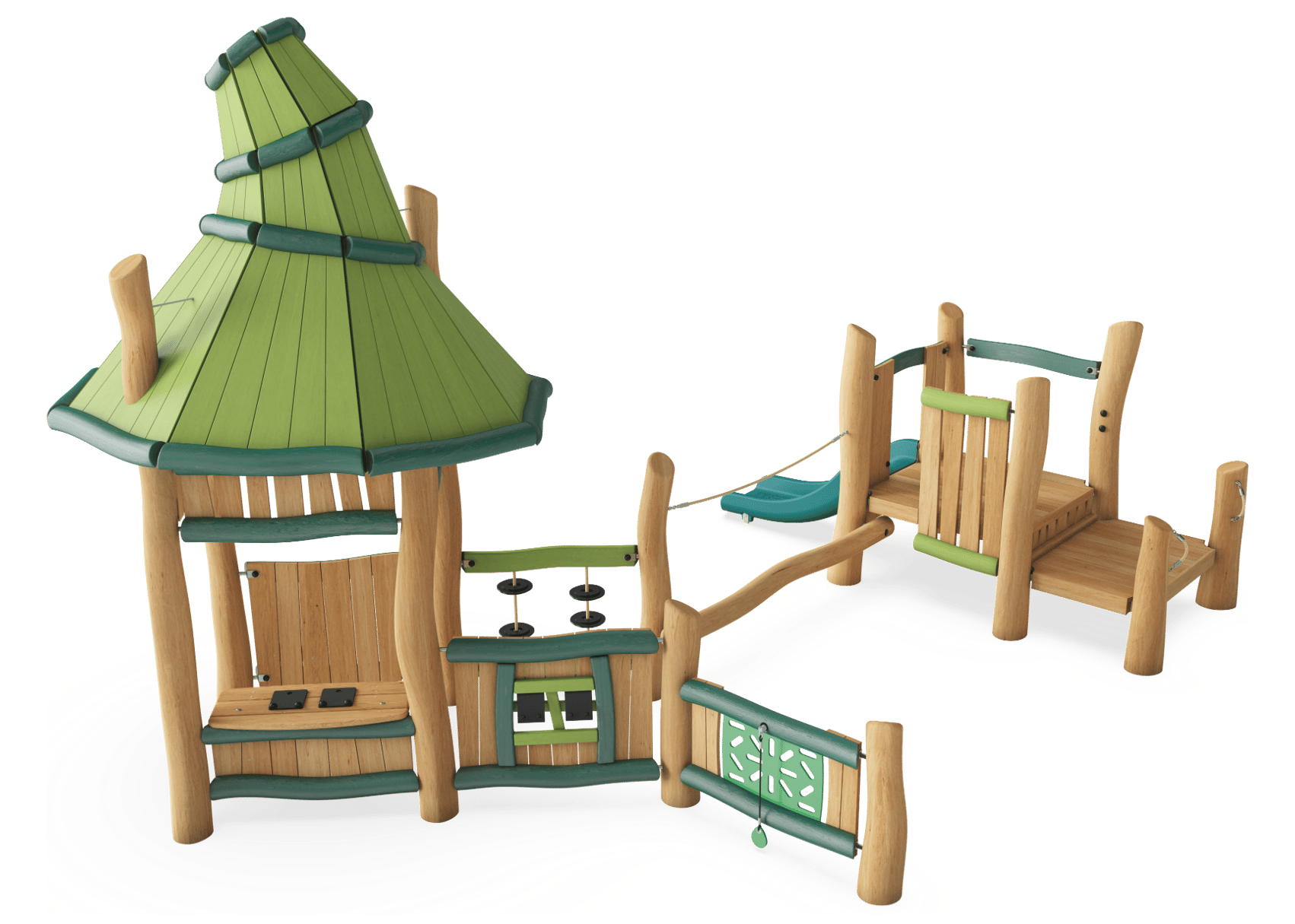
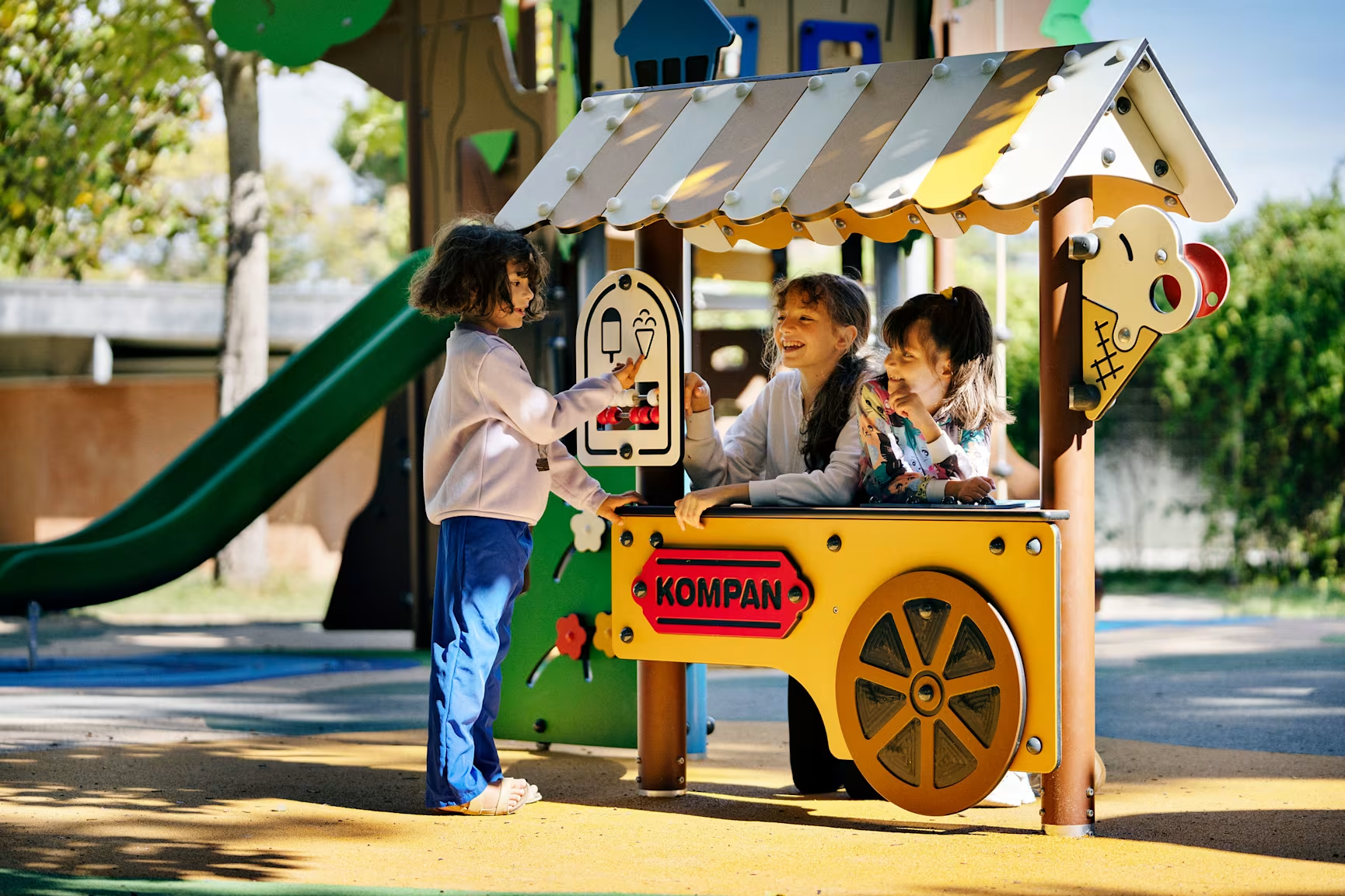
Amazing play choices await children in the Crooked Den and attract them to play repeatedly. A richly varied tactile and cognitive-creative play panel selection by a whimsical playhouse, which also invites social play. The wonderful play panels inspire logical thinking and creativity with their sewing and stapling activities and make children communicate and cooperate. A fine balance, meet and slide section stimulates physically active play for the youngest: accessible platforms lead to the slide, allowing for carers to assist. Looping the access, the balance beam, and the slide trains children's balance and cross-coordination. These motor skills are fundamental for movement stability, and they benefit children’s physical and social-emotional development: training balance and gaining confidence from attempting and succeeding.
This product, Crooked Den (NRC200101), is provided by KOMPAN Singapore.
Length
556 cm
Width
385 cm
Height
345 cm
Fall Space Length
902 cm
Fall Space Width
718 cm
Age Group
2+ Years
Key user group
2 - 6 Years
Capacity
15
Inclusive
Yes
Product category
Nature Playgrounds
Product line
Robinia Themed Play
Product Highlights
Quality that lasts
All Organic Robinia products by KOMPAN are made of Robinia wood from sustainable European sources. On request it can be supplied as FSC® Certified (FSC® C004450).
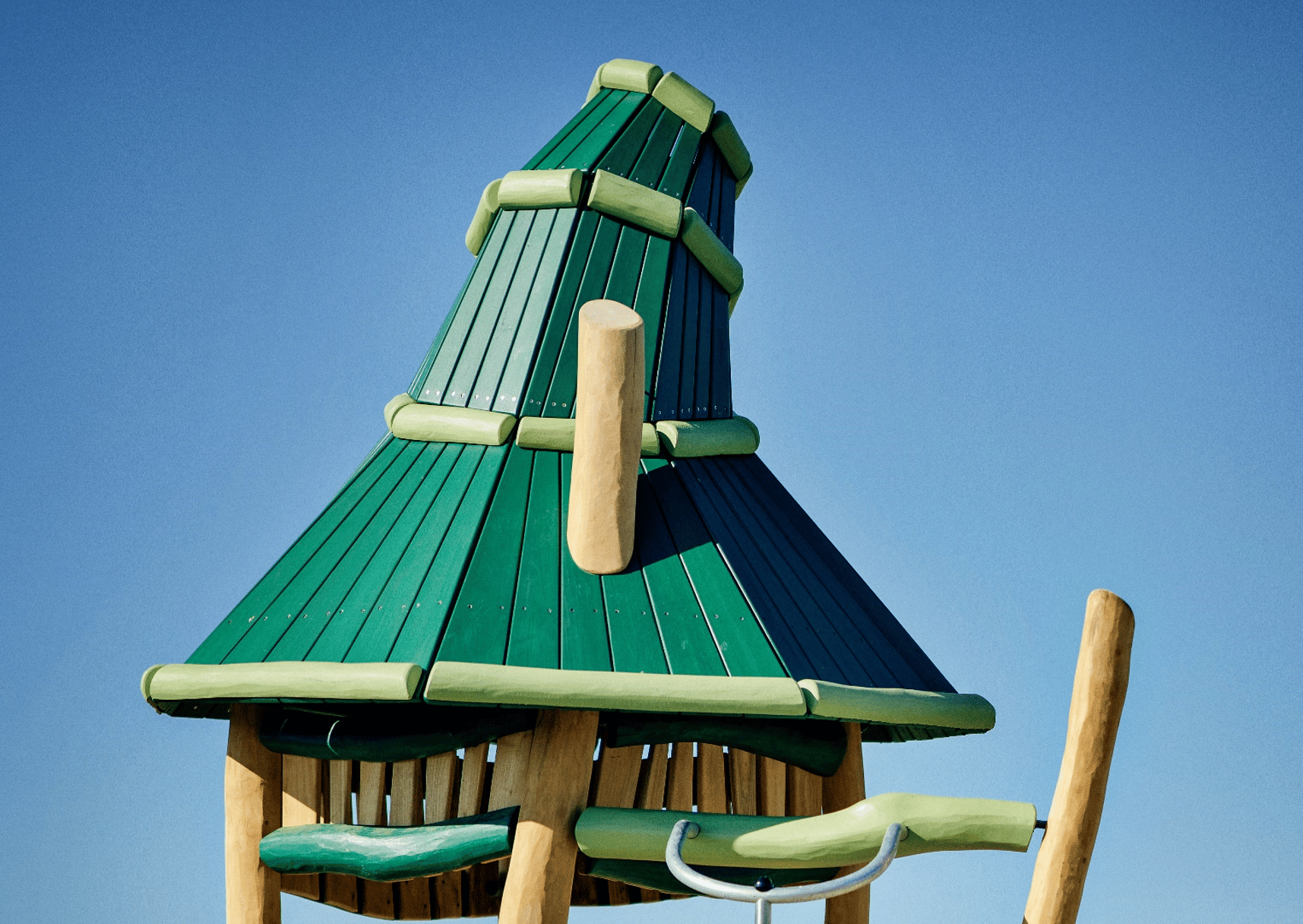
Transparent brown pigmented and colored parts, are coated with water-based paint and pigment that is environmentally friendly and with excellent UV resistance. The paint and pigment is in compliance with EN 71 Part 3.
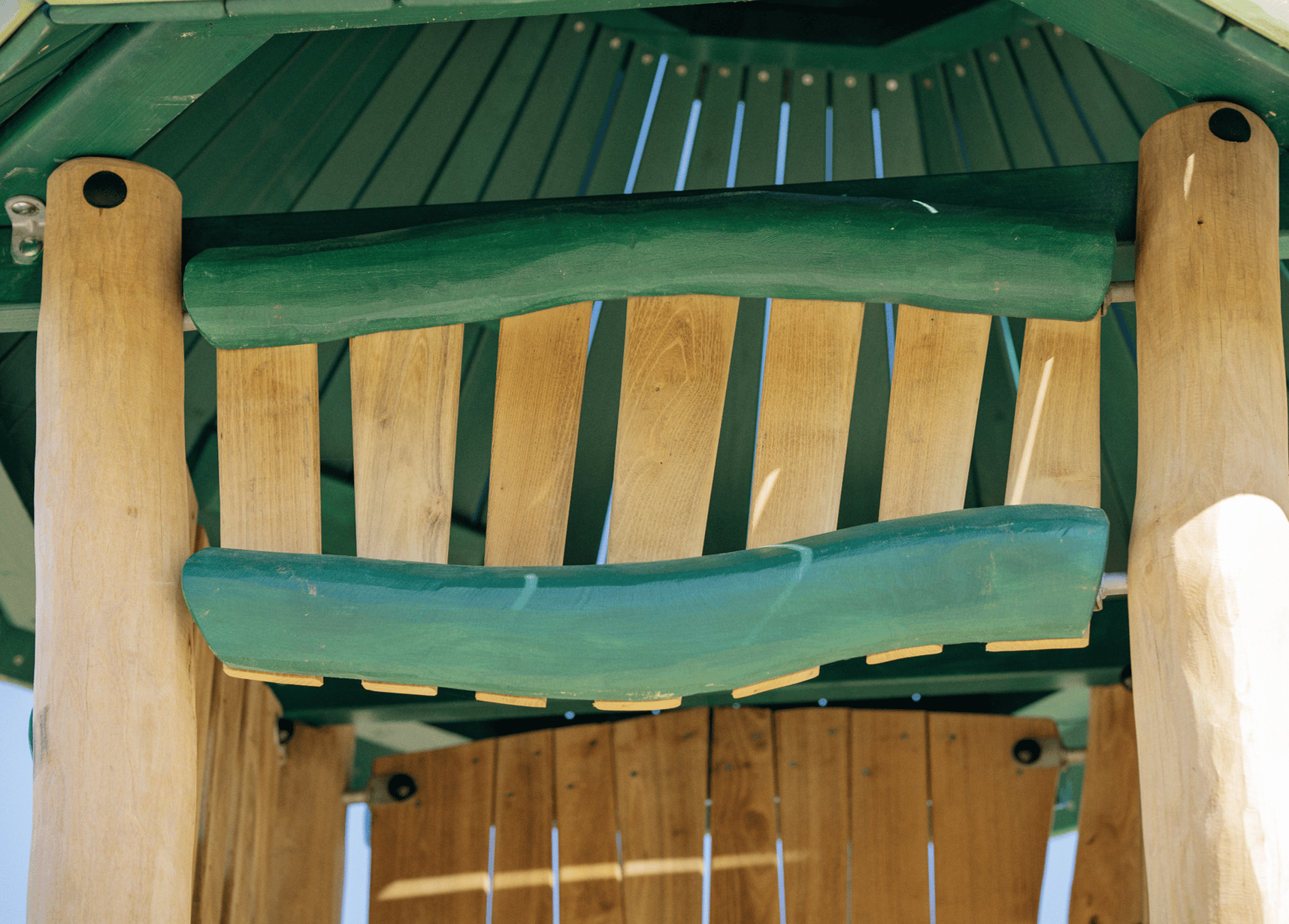
The products are preassembled from the factory to ensure all safety requirements are considered. Please note that each Robinia fantasy structure will have its own unique appearance because of the natural shape of the individual wood posts.
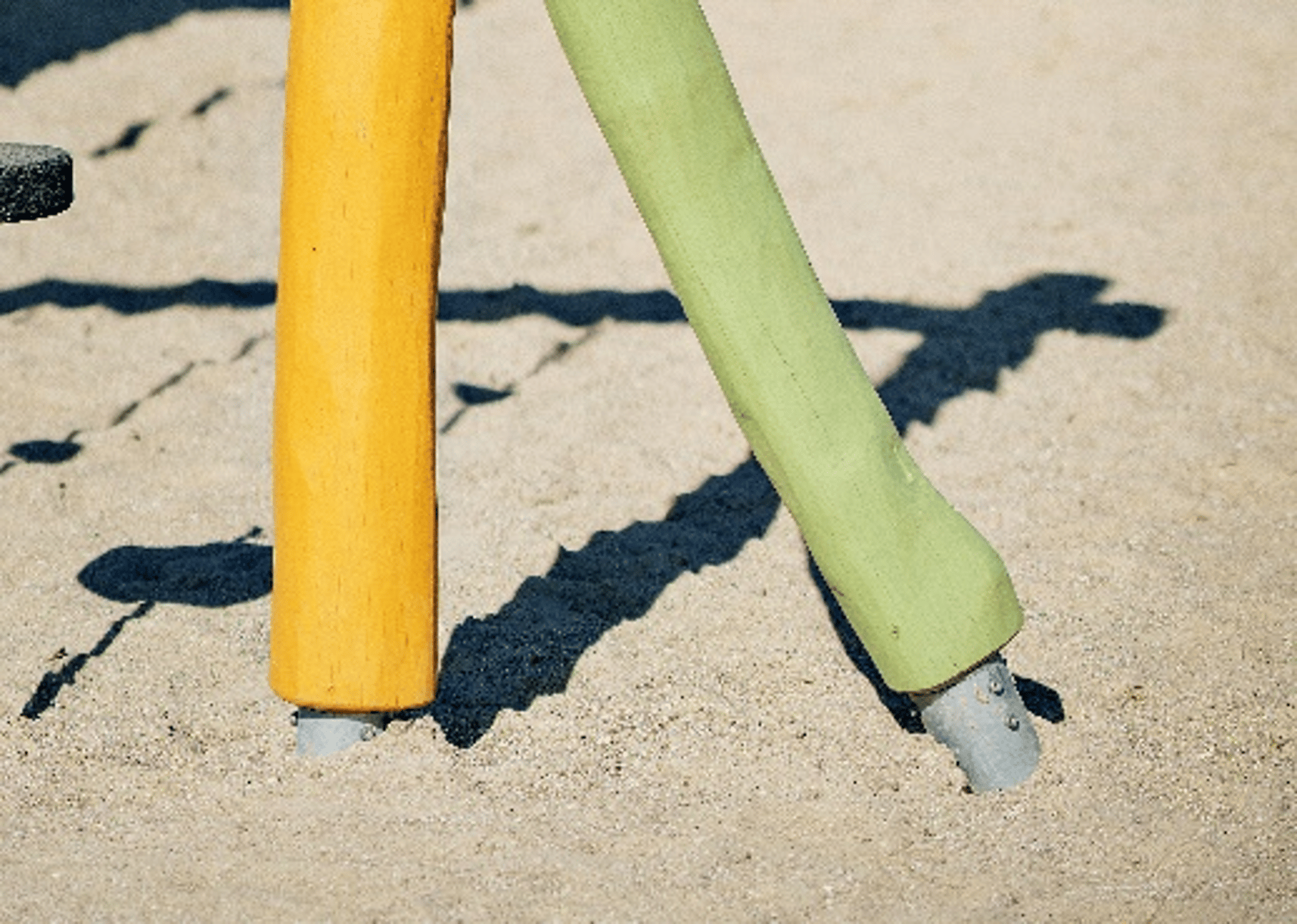
There are Multiple footing options for all products: Surface anchoring with steel footings and expansion bolts. Wood in-ground or steel in-ground footings.
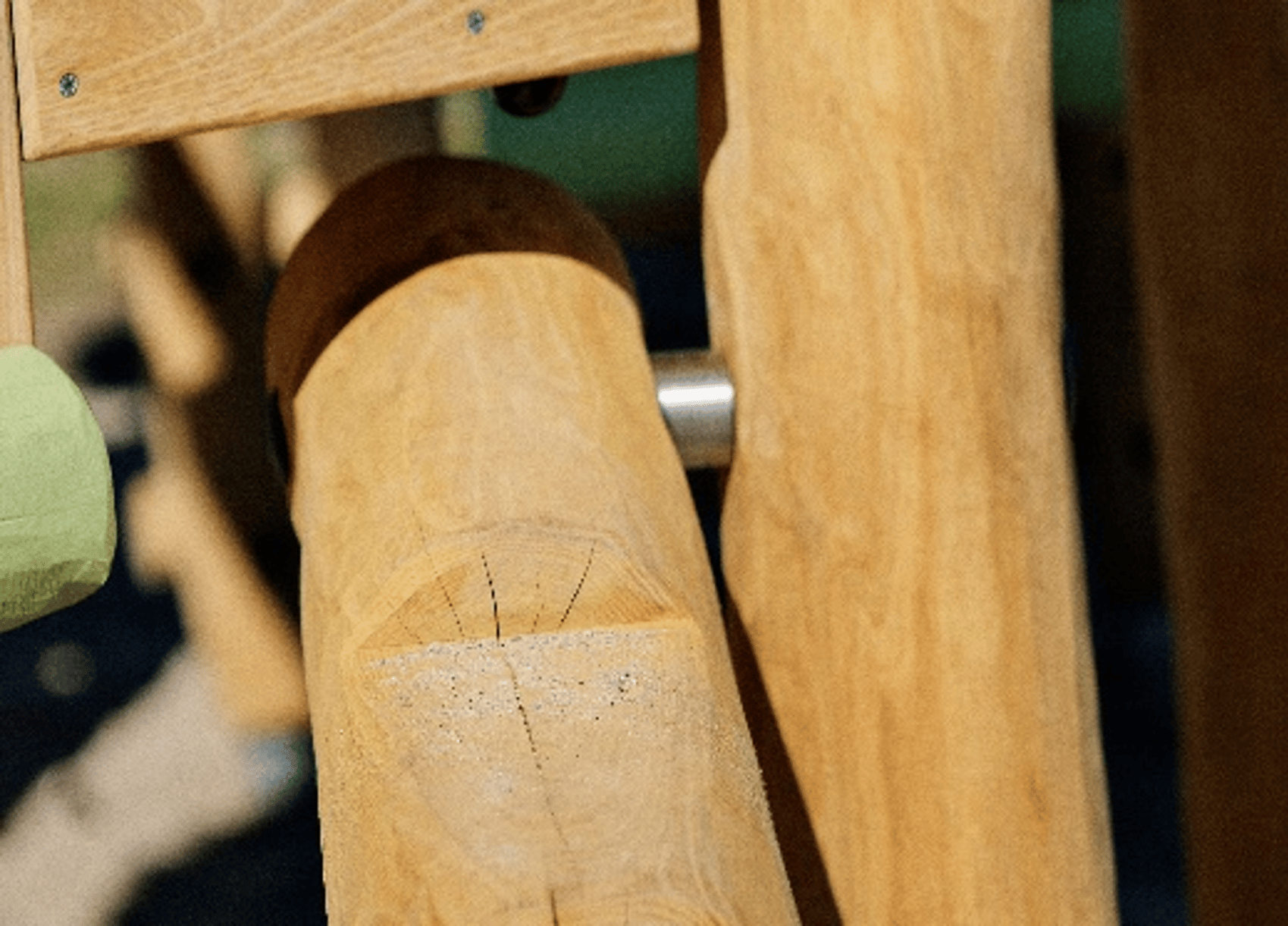
The hardware is made of stainless steel or galvanised steel to ensure durable connections with a high corrosion resistance.
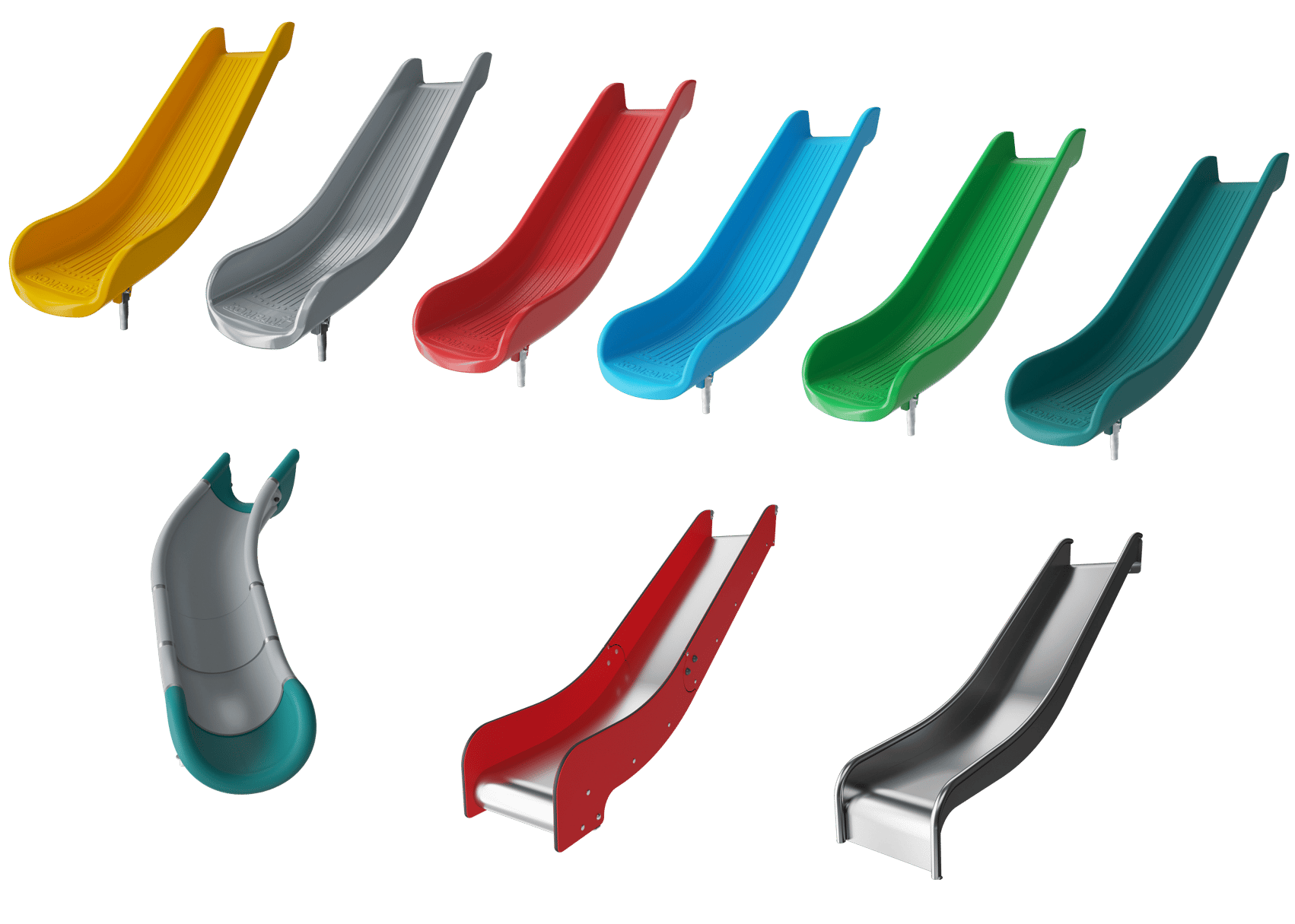
The slides can be chosen in six different colours and three materials: Straight or curved one-piece moulded PE slides, made from 33% recycled post-consumer materials in different colours. Combined CircularHDPE sides and stainless-steel. Full stainless steel in a one-piece design for greater vandalism resistance.
Play Activities

Climb
1

Balance
2

Construct
17

Hang in arms
1

Pull
2

Sensory
7

Slide
1

Socialize
7

Wonder
4

Rules play
1
Each play activity represents a type of play experience, such as balancing, social interaction, climbing, or sensory exploration. The number indicates how many opportunities the product offers for children to engage in that activity. Together, these activities help create a varied and developmentally rich play experience.
CO₂ emission
Sustainability Data
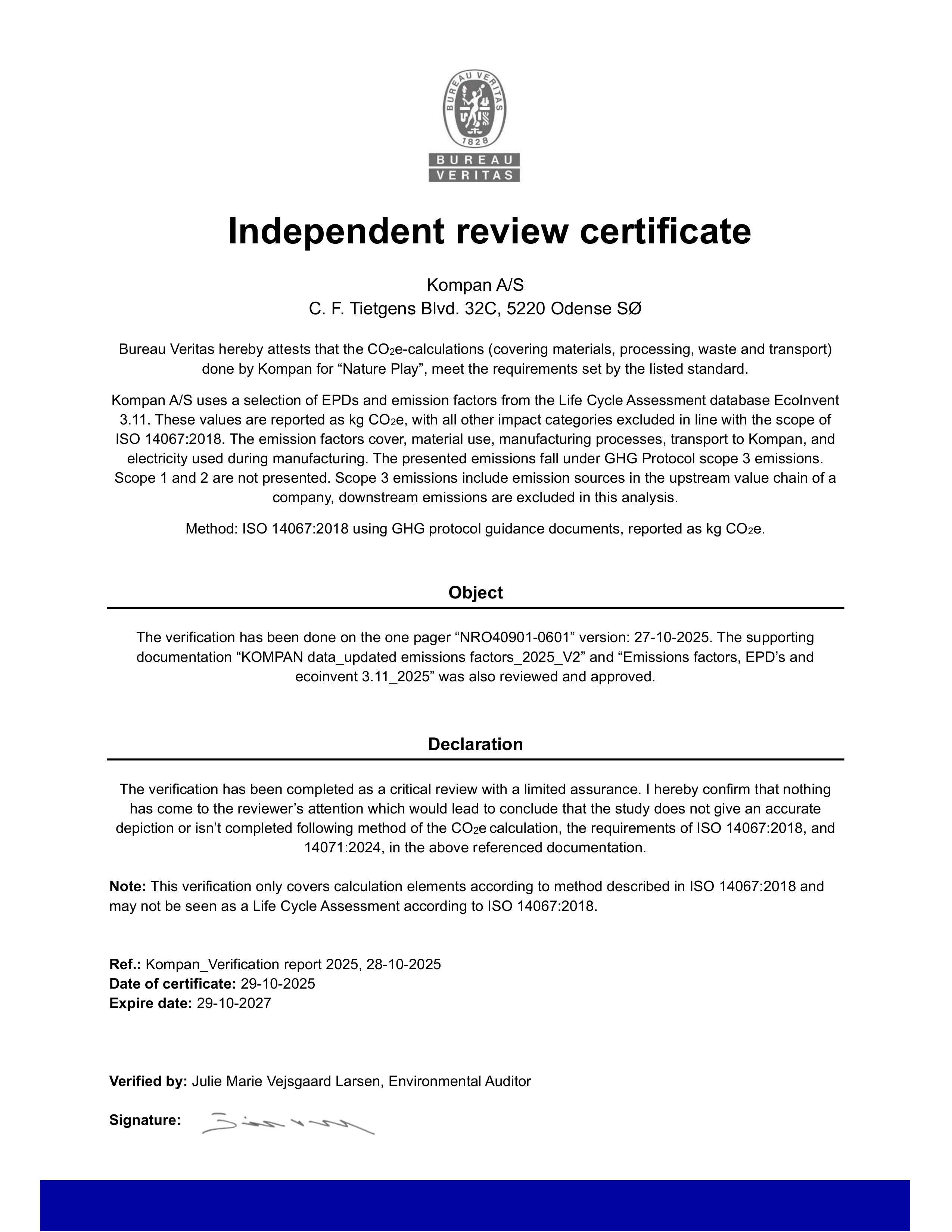
Our product and sustainability data validation help customers make informed sustainable buying choices based on methods validated by Bureau Veritas.
NRC200101-1021
682.02
Total CO₂ emission (kg CO₂e)
0.5
CO₂e/kg (kg CO₂e/kg)
1.79%
Recycled materials
The overall framework applied for these factors is the Environmental Product Declaration (EPD), which quantifies "environmental information on the life cycle of a product and enable comparisons between products fulfilling the same function" (ISO, 2006). This follows the structure and applies a Life-Cycle Assessment approach to the entire Product stage from raw material through manufacturing (A1-A3).