NRO815
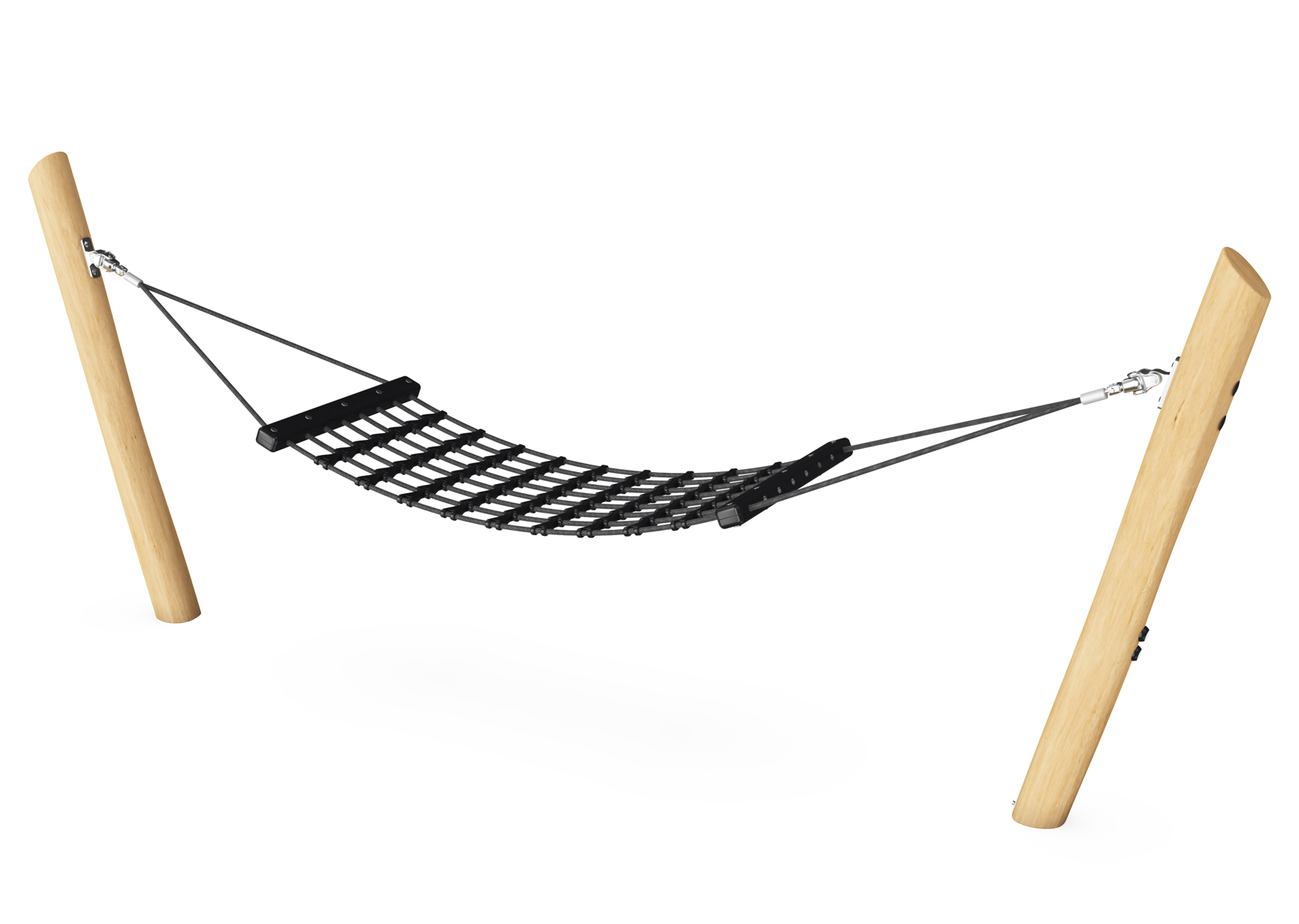
Hammock
Age Group
3+ Years
Capacity
2
Inclusive
Yes
Product category
NRO815
Hammock
Specifications
Hammock
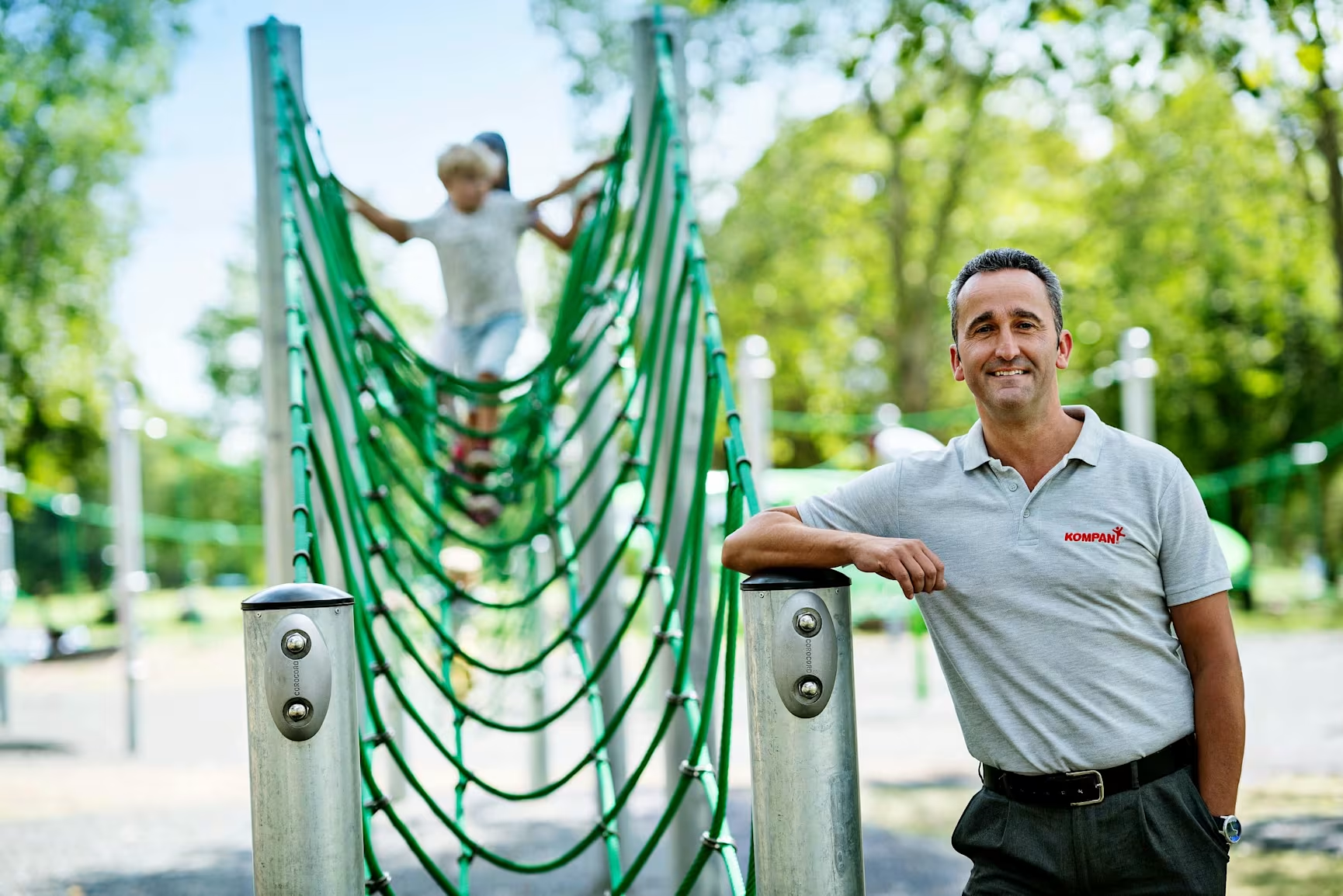
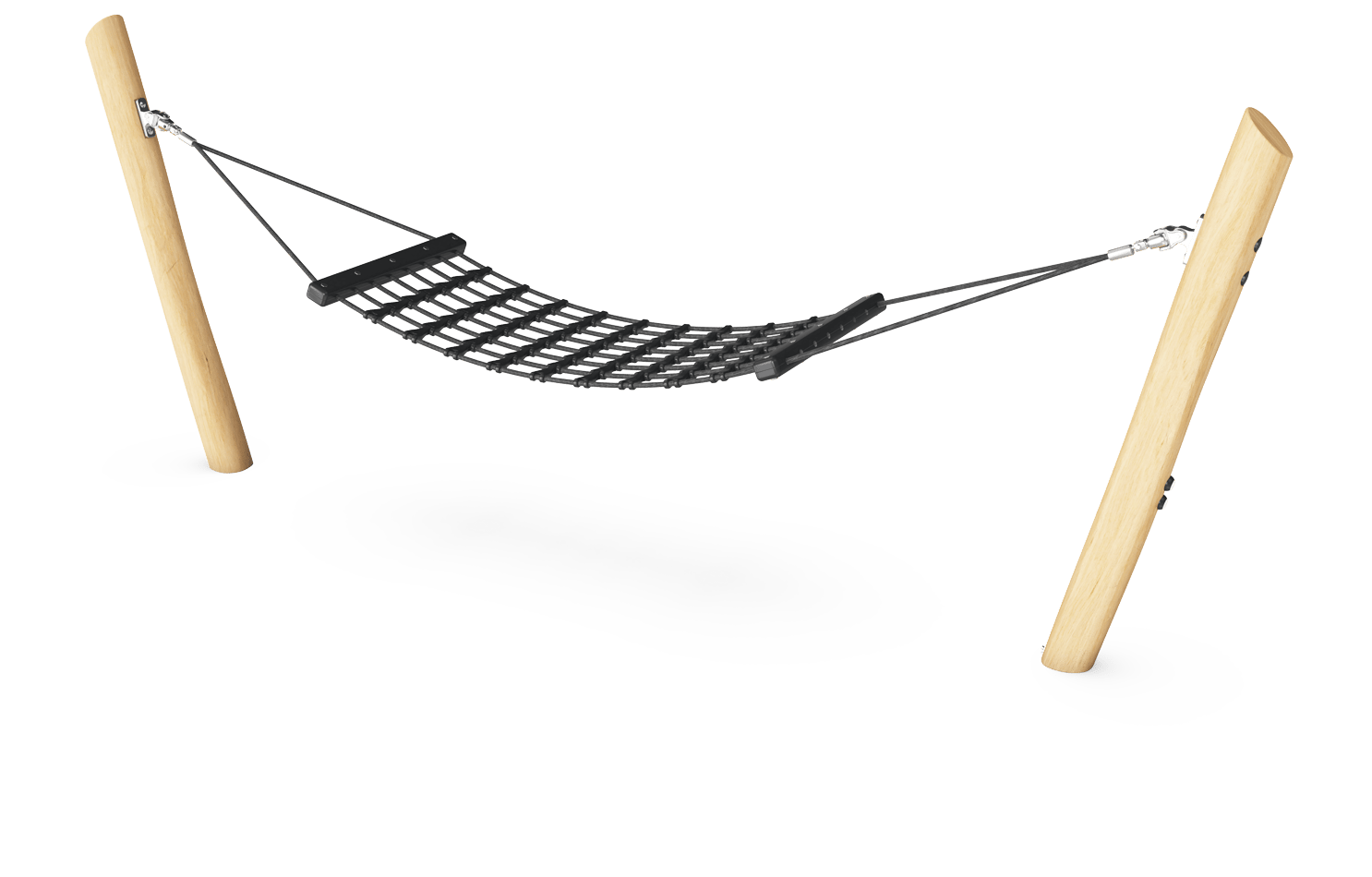
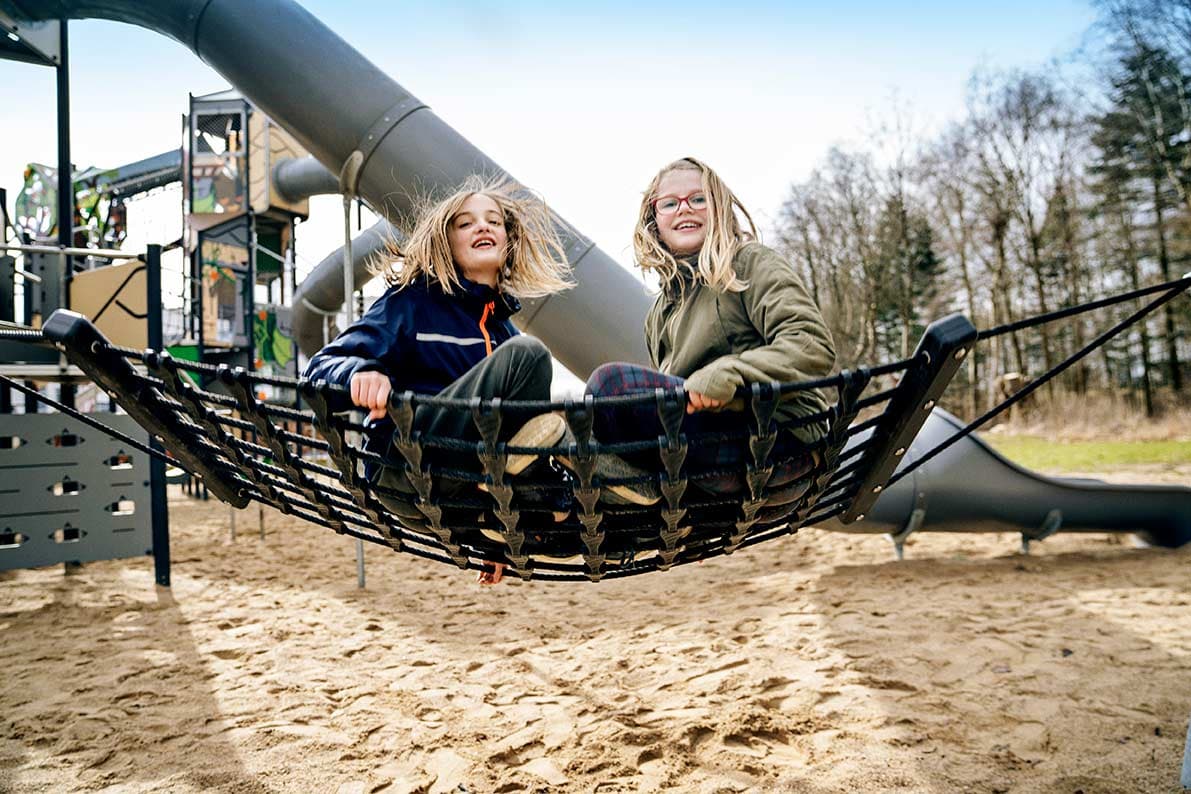
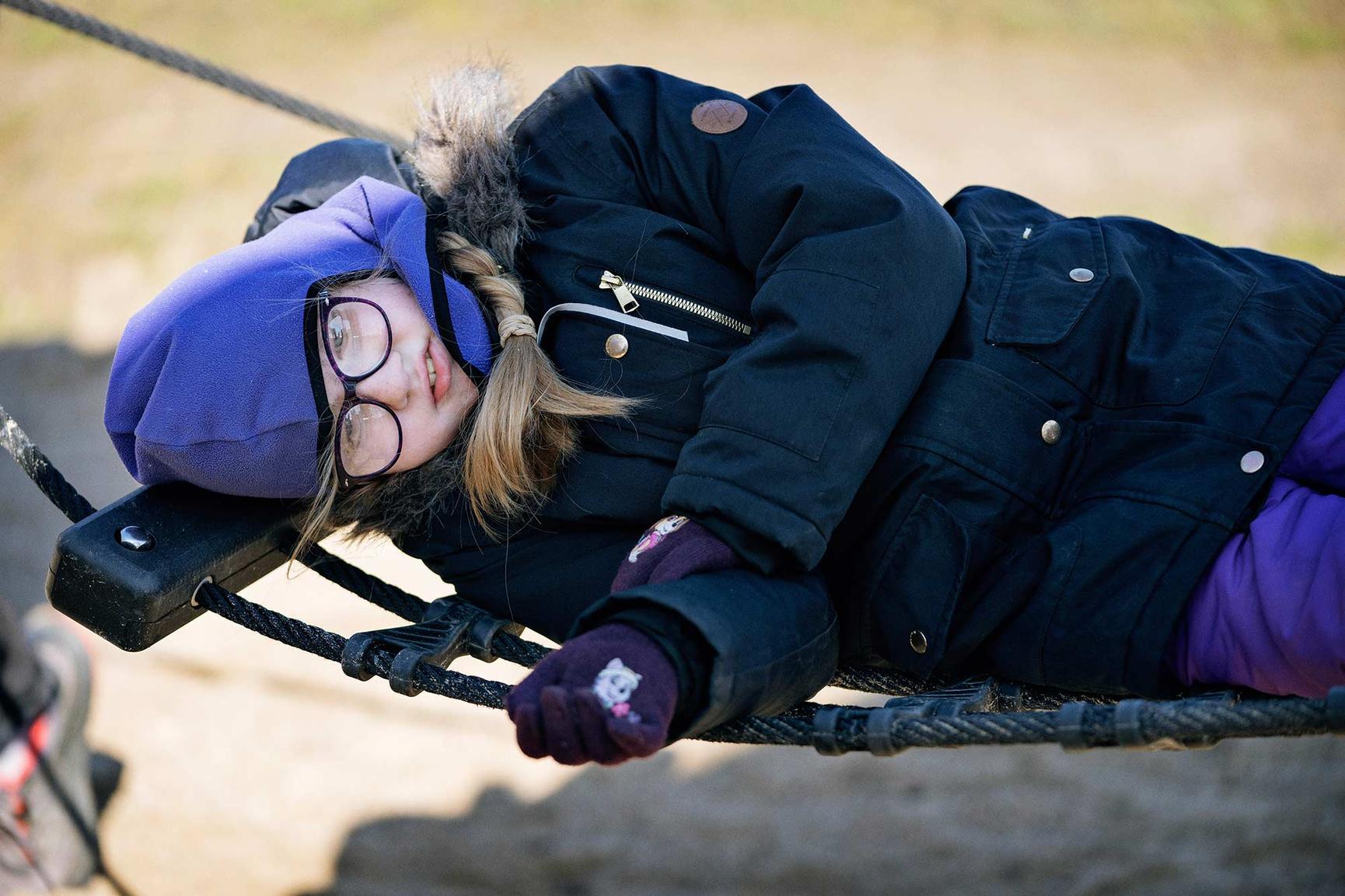
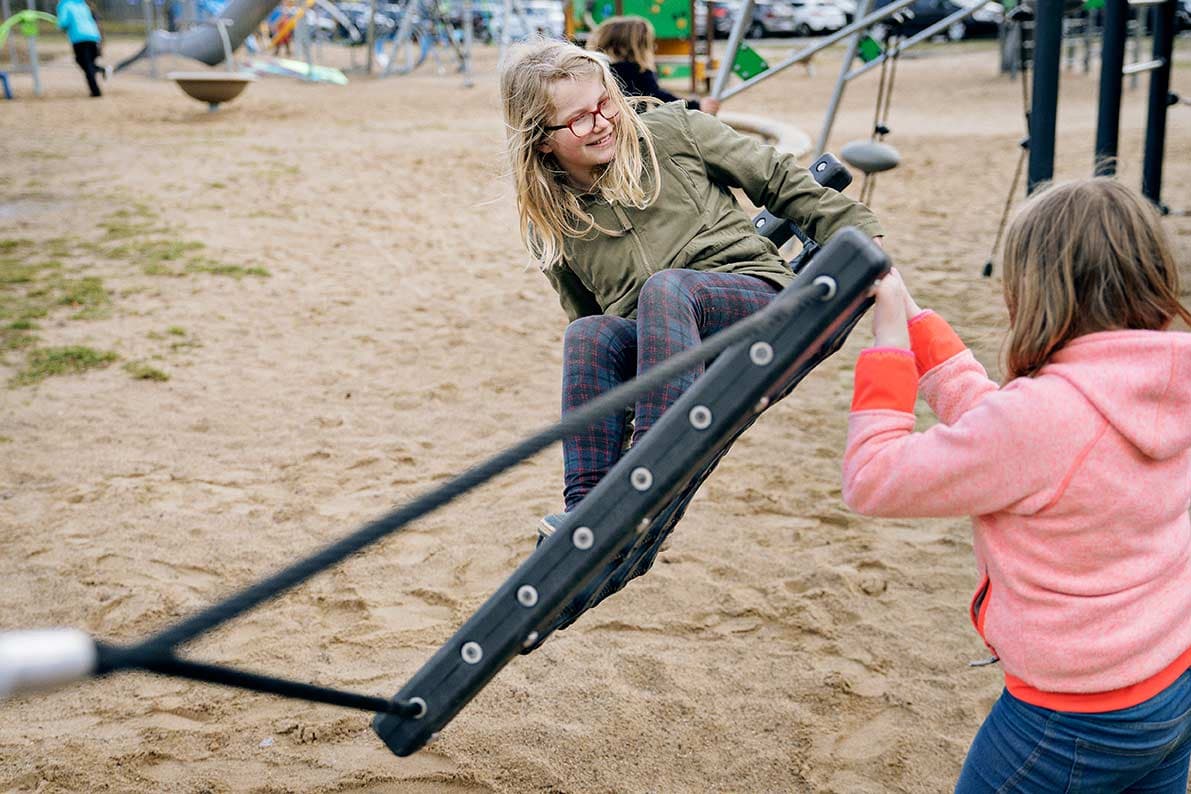
Children can sway gently or energetically, lay down, sit or stand in the Hammock creating an ultimate WOW experience at the playground, that children of all abilities will take joy in the responsiveness and social potential of time and time again. Pushing and pulling the friends in the hammock from side to side is fun and also trains arm strength. The swaying motion supports important motor skills such as the sense of balance and space. The swaying movements support the understanding of rhythm. In combination, these three skills assist the child's ability to navigate space securely, for instance when judging distances and speed in traffic. The sense of balance is fundamental for all other motor skills and helps the child's motor stability: preventing falls and being able to sit still for longer periods of time.
This product, Hammock (NRO815), is provided by KOMPAN International Sales.
Length
414 cm
Width
77 cm
Height
165 cm
Fall Space Length
715 cm
Fall Space Width
454 cm
Age Group
3+ Years
Key user group
3 - 12 Years
Capacity
2
Inclusive
Yes
Product category
Nature Playgrounds
Product line
Nature Freestanding Play Equipment
Product Highlights
Quality that lasts
All Organic Robinia products by KOMPAN are made of Robinia wood from sustainable European sources. On request it can be supplied as FSC® Certified (FSC® C004450).
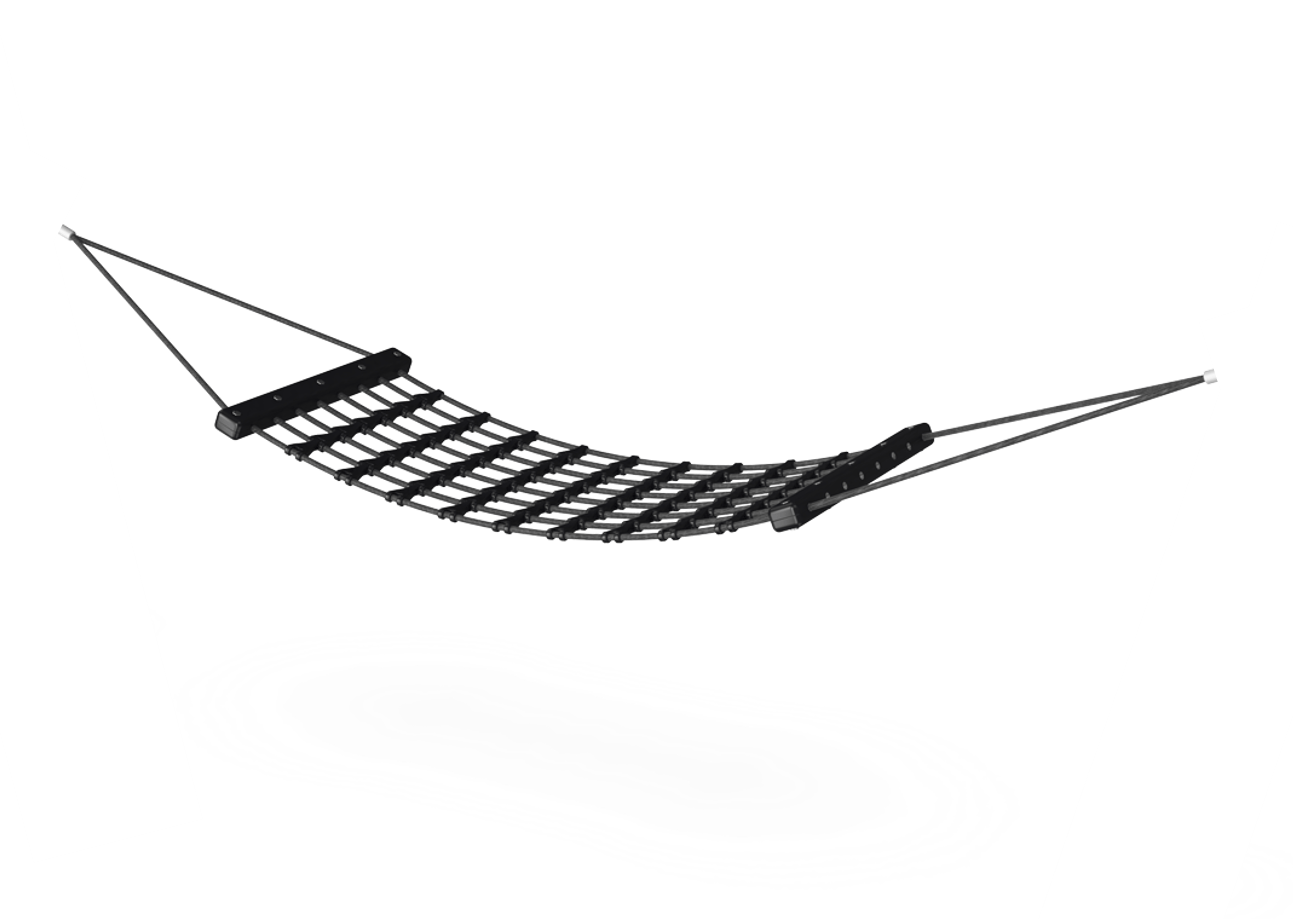
Hammock is made of steel reinforced single braided 16 mm UV-stabilized PES rope strands. The polyester yarn is made from +95% post-consumer materials and is inductively melted onto each strand. PES has high strength with excellent resistance to abrasion and UV radiation. The rope loops are connected by nylon (PA6) connectors providing a smooth and comfortable hammock.
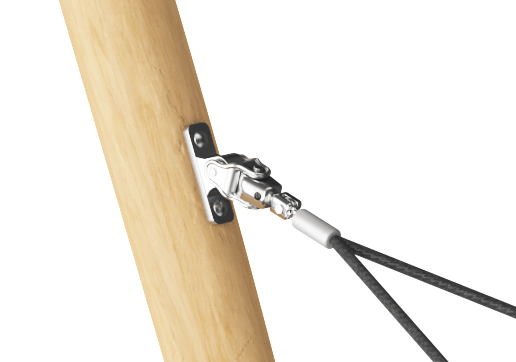
The swing hangers are made of stainless steel brackets and can move over two axis. The flange bearings are silicone enriched to make the suspension maintenance free. At the rope fixation there is a turnable anti twist functions that prevents winding up the ropes.
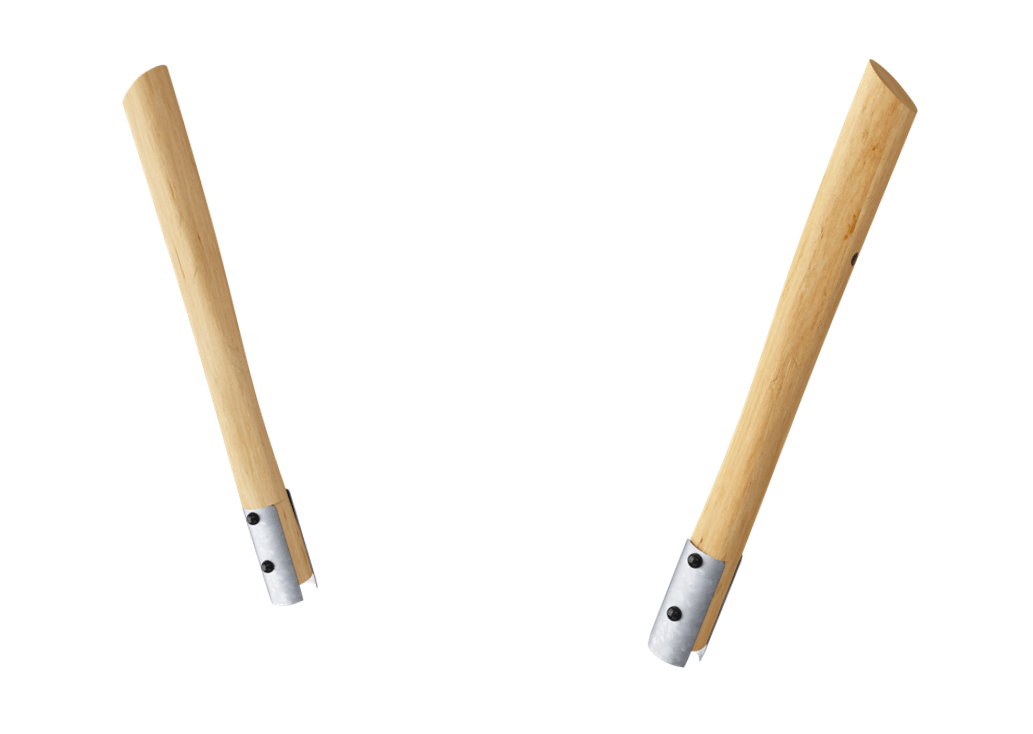
The robinia posts are available as wood in-ground anchoring or hot dip galvanized steel in-ground footings.
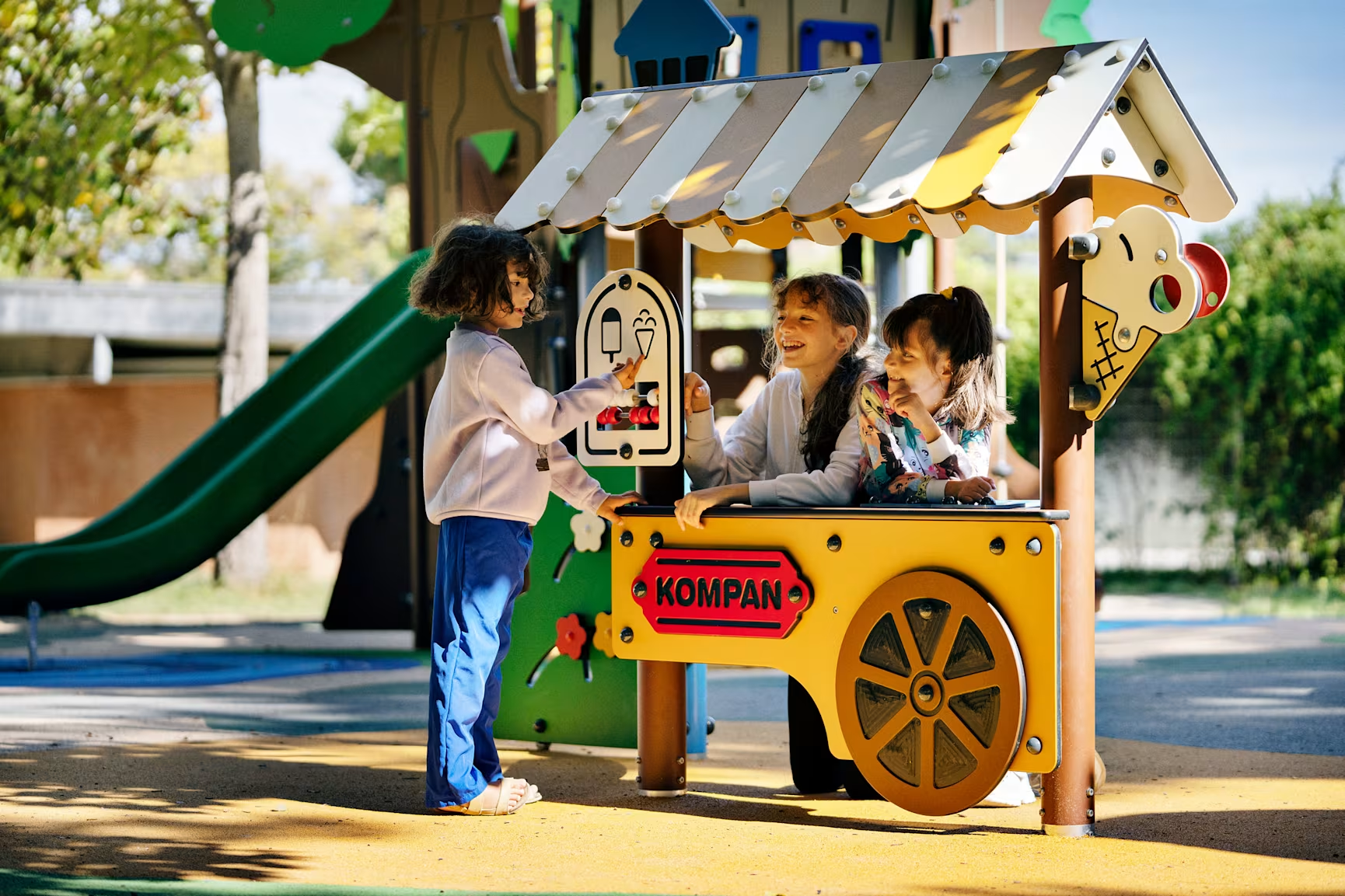
Play Activities

Balance
1

Pull
1

Push
1

Sensory
5

Socialize
1

Sway
1
Each play activity represents a type of play experience, such as balancing, social interaction, climbing, or sensory exploration. The number indicates how many opportunities the product offers for children to engage in that activity. Together, these activities help create a varied and developmentally rich play experience.
CO₂ emission
Sustainability Data
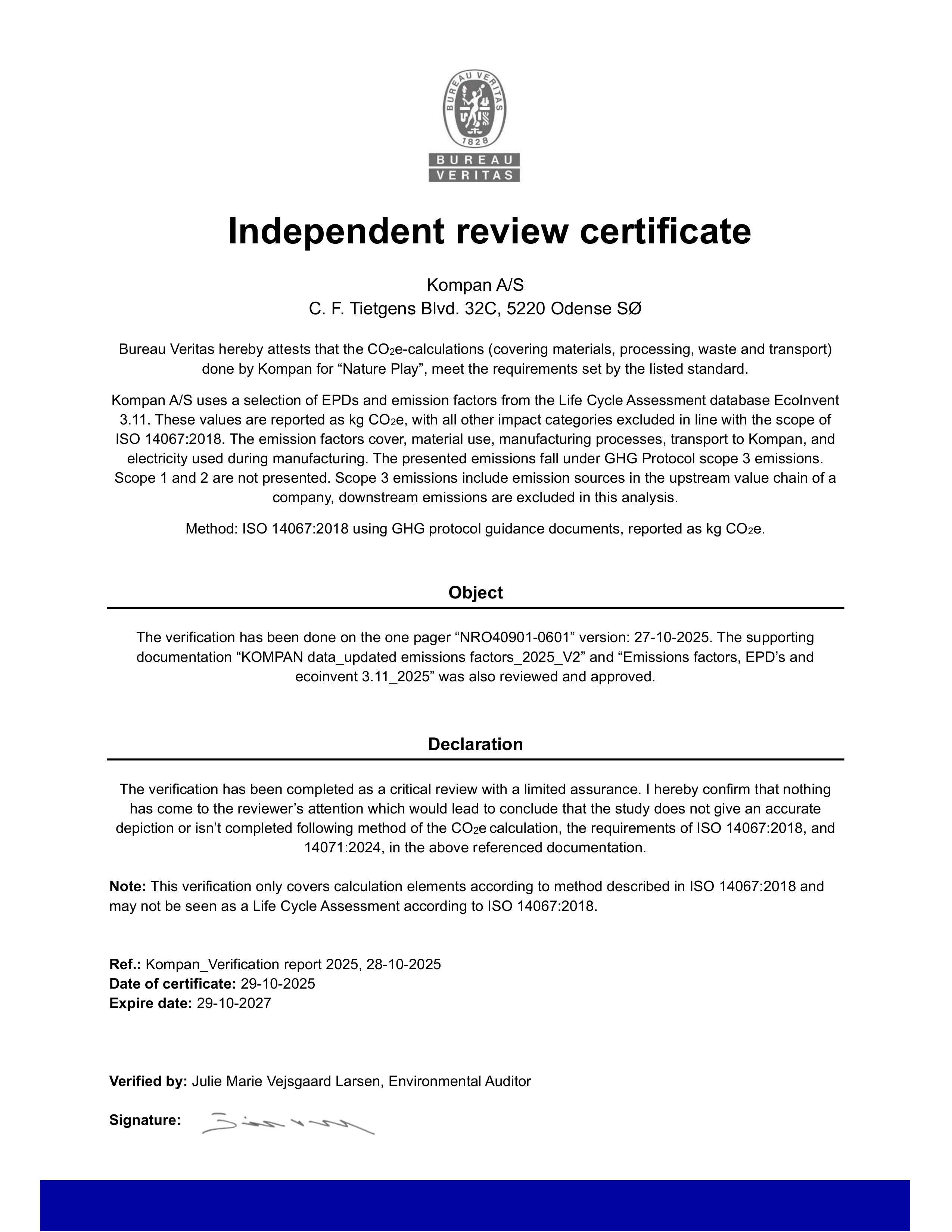
Our product and sustainability data validation help customers make informed sustainable buying choices based on methods validated by Bureau Veritas.
NRO815-1001
134.33
Total CO₂ emission (kg CO₂e)
1.24
CO₂e/kg (kg CO₂e/kg)
9.3%
Recycled materials
The overall framework applied for these factors is the Environmental Product Declaration (EPD), which quantifies "environmental information on the life cycle of a product and enable comparisons between products fulfilling the same function" (ISO, 2006). This follows the structure and applies a Life-Cycle Assessment approach to the entire Product stage from raw material through manufacturing (A1-A3).