Outdoor Playground Areas for Schools
A good school playground makes children happy, healthy, and improves their development. It's also a huge factor in bringing new students on board. KOMPAN's school outdoor play areas are made to help you match your wishes with reality: right play, right time, right budget - from first idea to final installation.
Every school day is full of competing pressures: limited budgets, tight timelines, safeguarding responsibilities and the constant drive to improve child well-being. The right school playground brings those aims together - boosting physical activity, supporting social and emotional learning, and making supervision simpler - all within a functional plan.
Order now
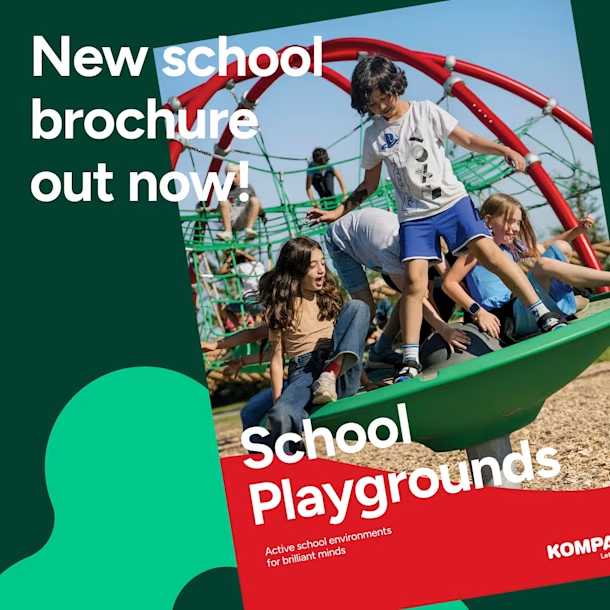
Our new School Playground Planning brochure is here
Planning a playground for a school or preschool?
This brochure is designed to support you from early ideas to better play environments.
Inside the brochure you’ll find:
Inspiring school and preschool cases
Practical playground planning guidance
Research on why great school playgrounds matter
Popular, proven play equipment
Complete solutions for different needs
From preschool to high school
From toddlers to teenagers, we create school playgrounds that fit all age levels and abilities throughout the school years.
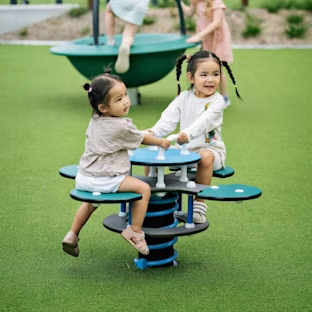
Preschools

Primary Schools
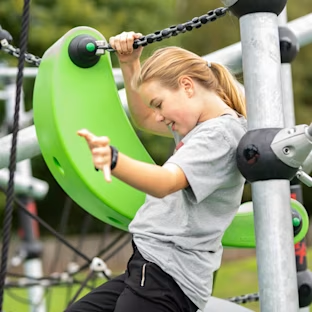
Secondary School
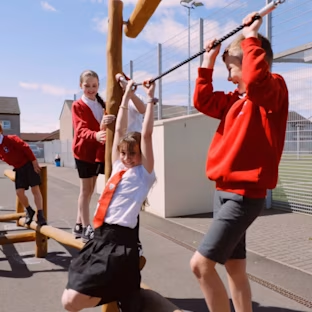
Special Education Needs

Educational Playground Equipment
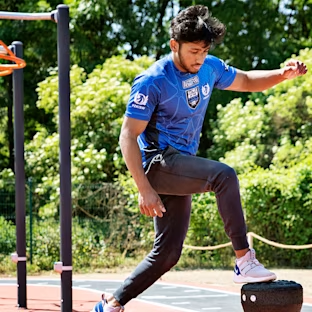
Colleges & Universities

Schools
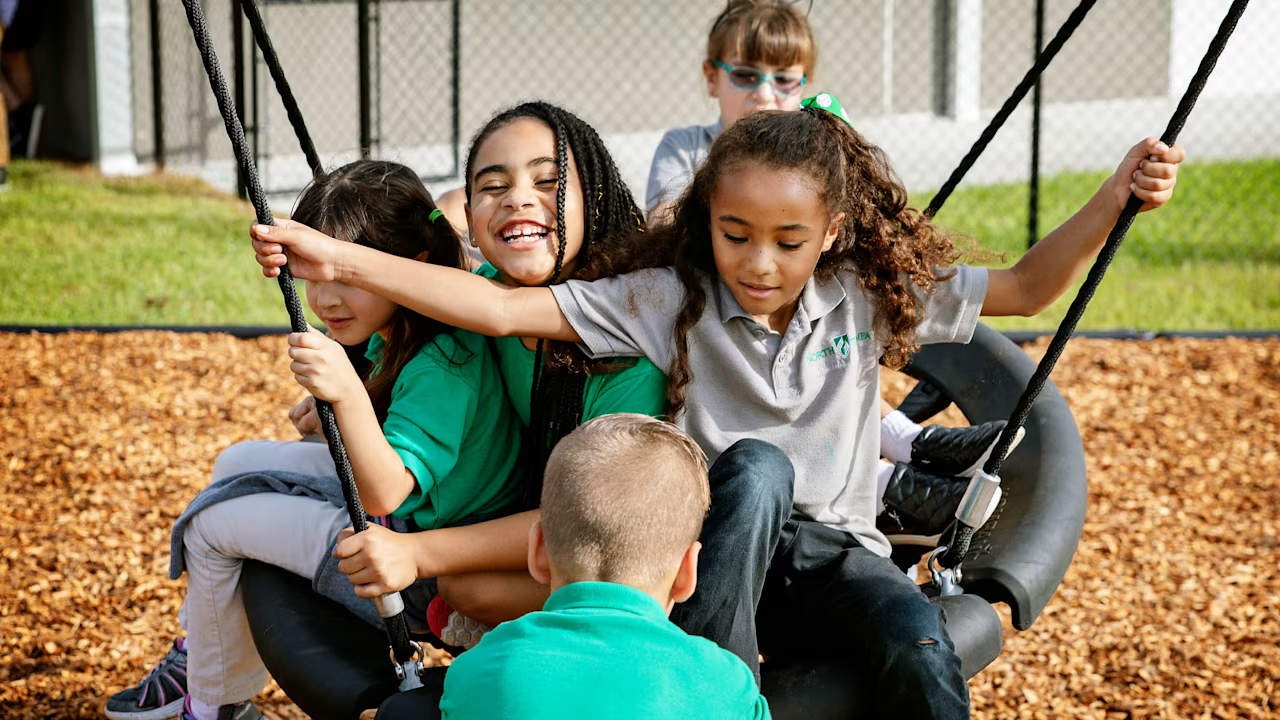
What to include in a modern outdoor school playground?
Start by choosing the primary structures, as they will influence the next steps of the planning process - they dictate what kind of safety zone and playground layout you need. For example, larger structures typically need thicker safety surfacing and more spacing between each playground element.
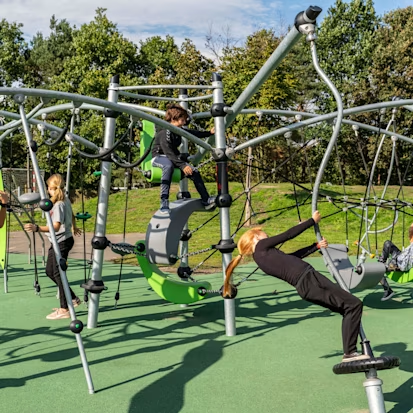
Climbers, nets, slides and modular towers provide progressive challenge and keep different age groups engaged. Well-planned playground structures for schools encourage cooperation and active play across zones. For busy lunch periods, multiple access points prevent bottlenecks and help staff supervise lines of sight.
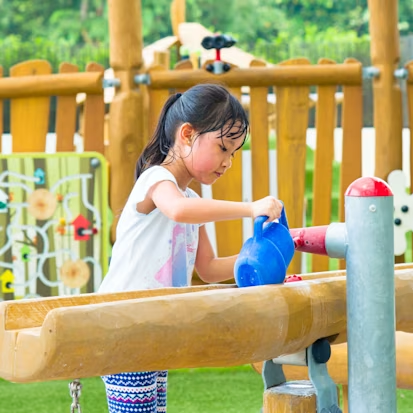
Having chosen your primary play structures, consider adding sensory elements such as sand and water tables, balance beams, or musical panels to ensure there is something for everyone.
Surfacing and zoning are your second-most important factors, as they have huge implications for your school playground project. Safety surfacing can take as high as 20% of your budget, and zoning will increase the installation complexity.
Regardless of the materials, plan forcritical fall height, fall zone clearances and local standards compliance. These are typically provided by your playground supplier at the start of your project once the structures have been chosen.
Poured-in-place (PIP) rubber, sometimes called poured rubber, requires very low maintenance and comes with a long life; There are higher upfront cost but it’s a preferred material for schools due to longevity and inclusivity compliance. Most maintenance includes the occasional need for spot repairs.
Rubber tiles/mats are modular replacements that manage seams and drainage carefully. But the seams between the tiles are also their weak points. They are less expensive than PIP rubber but also not as durable. Over time, they may warp or shift, especially due to installed properly.
Engineered wood fibre (EWF), ensures a lower upfront cost but requires top-ups and active maintenance. Many schools experience that during the wet season, their EWF surfacing gets washed away.
Synthetic turf gives consistent performance and a neat look, ensuring a shockpad and drainage design. They are, however, mostly used for school multi-use sport areas.
We recommend against using rubber mulch for school areas despite its low cost due to potential health and environmental concerns and inclusive limitations.
Building a school play area takes more than just the playground equipment. Consider the play area layout and where you’d add playground shading.
Rest areas and benches
Line of sight for teachers to easily monitor
Shade, seating & rest Benches, canopies and trees create cool-down spaces that support self-regulation and give staff natural supervision hubs.
Accessible routes, fencing & perimeter safety Ramps, transfer platforms and clear pathways ensure wheelchair users and mobility-impaired children can move freely, while well-planned fencing and borders create safe boundaries without closing off visibility.
More movement in the school day
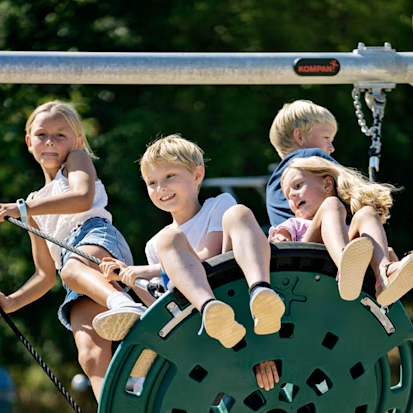
Up to 40% of children’s daily physical activity can be achieved during school recess when the school playground equipment is thoughtfully equipped and inviting. Well-equipped spaces consistently lift activity levels across age groups. Involving tweens (ages 9–12) in the planning process keeps them engaged for longer, reducing the drop-off in activity that often appears in this age group.
Social, emotional and cognitive benefits
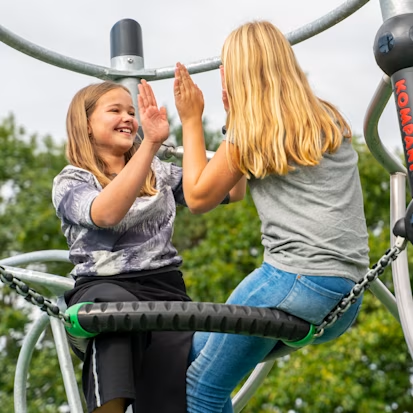
Great outdoor play equipment for schools goes far beyond fitness. It nurtures cooperation, communication and conflict resolution; it offers brain breaks that restore attention and executive function; and it supports inclusive peer interactions that carry back into the classroom.
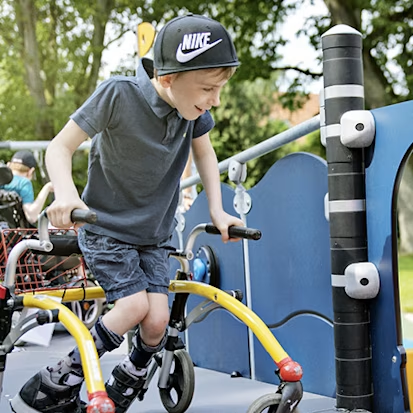
Inclusion and equity, by design
Universal design principles - ground-level play, accessible routes, transfer platforms, sensory play zones and quiet zones - ensure every child can join in safely and confidently. When inclusion is embedded from day one, playgrounds support behaviour, belonging and whole school well-being.
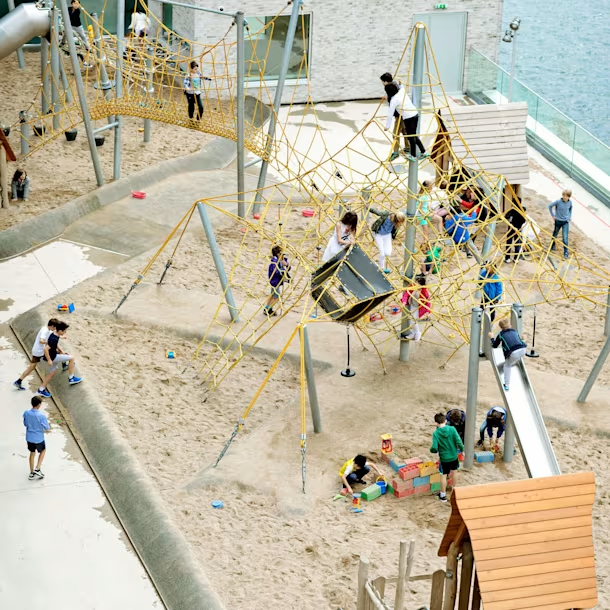
Design principles & standards schools can trust
Critical fall heights, safety zones and clearance: Specify by height, surface, and use zones to match the equipment and age.
Standards & compliance: Work to EN 1176 and local requirements and make documentation easy to share across stakeholders and procurement. All designs comply with relevant safety standards for peace of mind.
Supervision & sightlines: Design out blind spots; zone by age (e.g., Reception/KS1/KS2); create staff vantage points that reduce staffing strain. Good supervision layout with clear sightlines minimises blind spots.
Risk-benefit balance: Offer graduated challenge that builds confidence while meeting safety guidance - particularly important for tweens.
Universal design: Ground-level play, ramps, contrast surfacing and sensory options to welcome every ability.
"I would definitely suggest to anybody who is the head teacher of a school to do the same thing and to provide more equipment for children to play with, it has a huge impact on attendance, behaviour, confidence, friendship"
- Gayle MacDonald, Head Teacher at Corpus Christi Primary School, Glasgow, Scotland
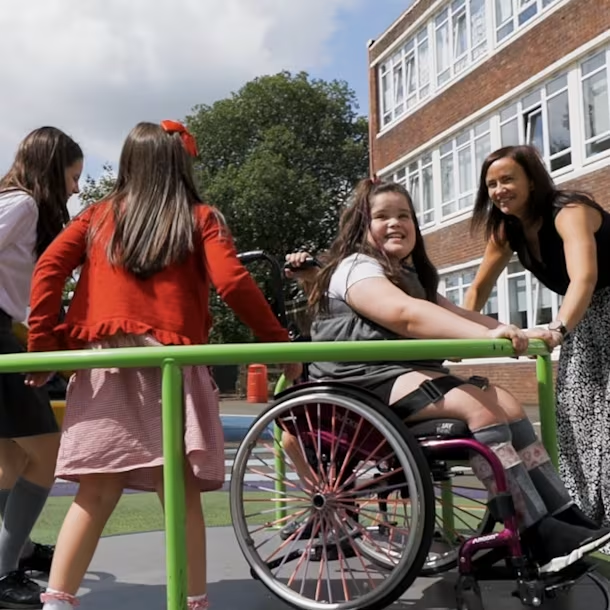
School customers from around the world
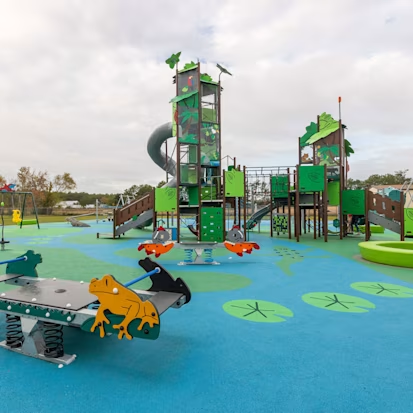
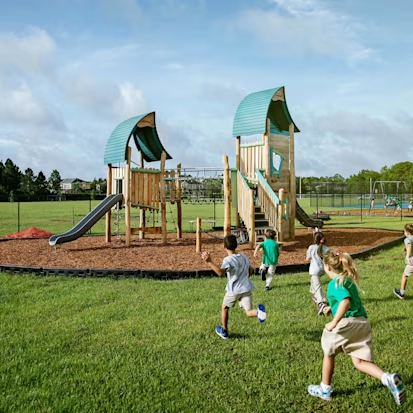
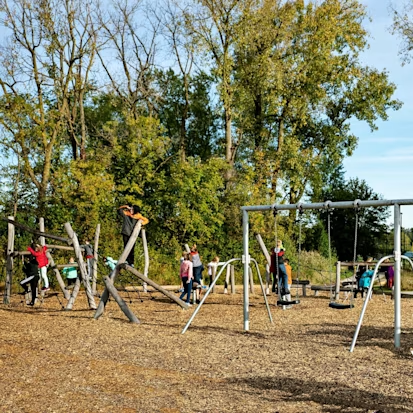
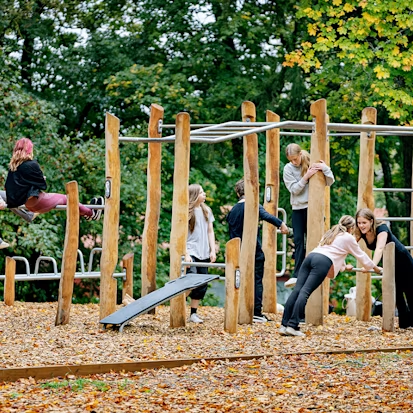
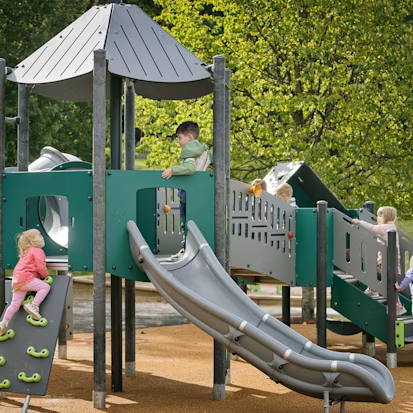

Getting started
Here's a little help to plan your school playground


Frequently Asked Questions
Adopt a layered approach: routine visual checks during the week, plus scheduled monthly and seasonal inspections aligned to manufacturer guidance and local standards. Keep a simple log for accountability.
Where budgets allow, poured-in-place rubber reduces daily maintenance and displacement and performs well in high traffic zones; wood fibre lowers upfront cost but needs regular top-ups and attention to drainage. Many schools choose hybrid solutions (rubber under climbers, fibre elsewhere).
Design in multiple access points and duplicate “hero” activities where possible; spread challenge levels across the yard so queues don’t form in one corner; and provide social “hangout” areas for tweens alongside active zones.