NRO10501
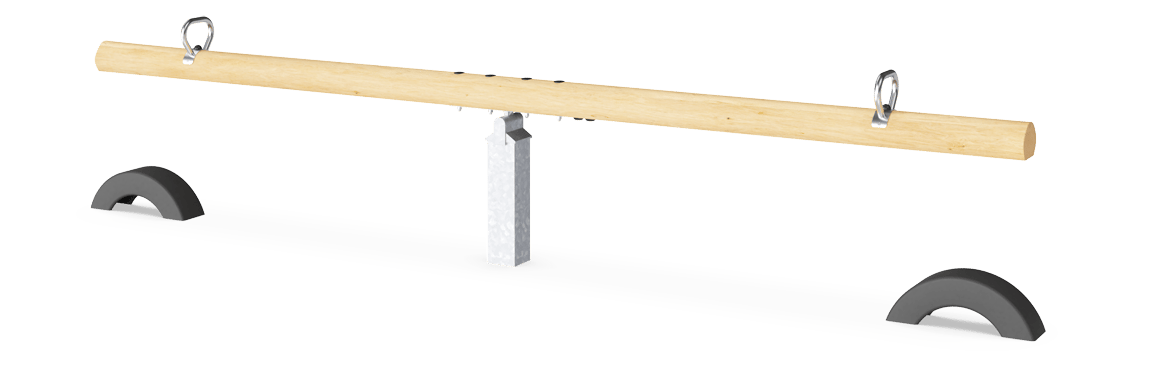
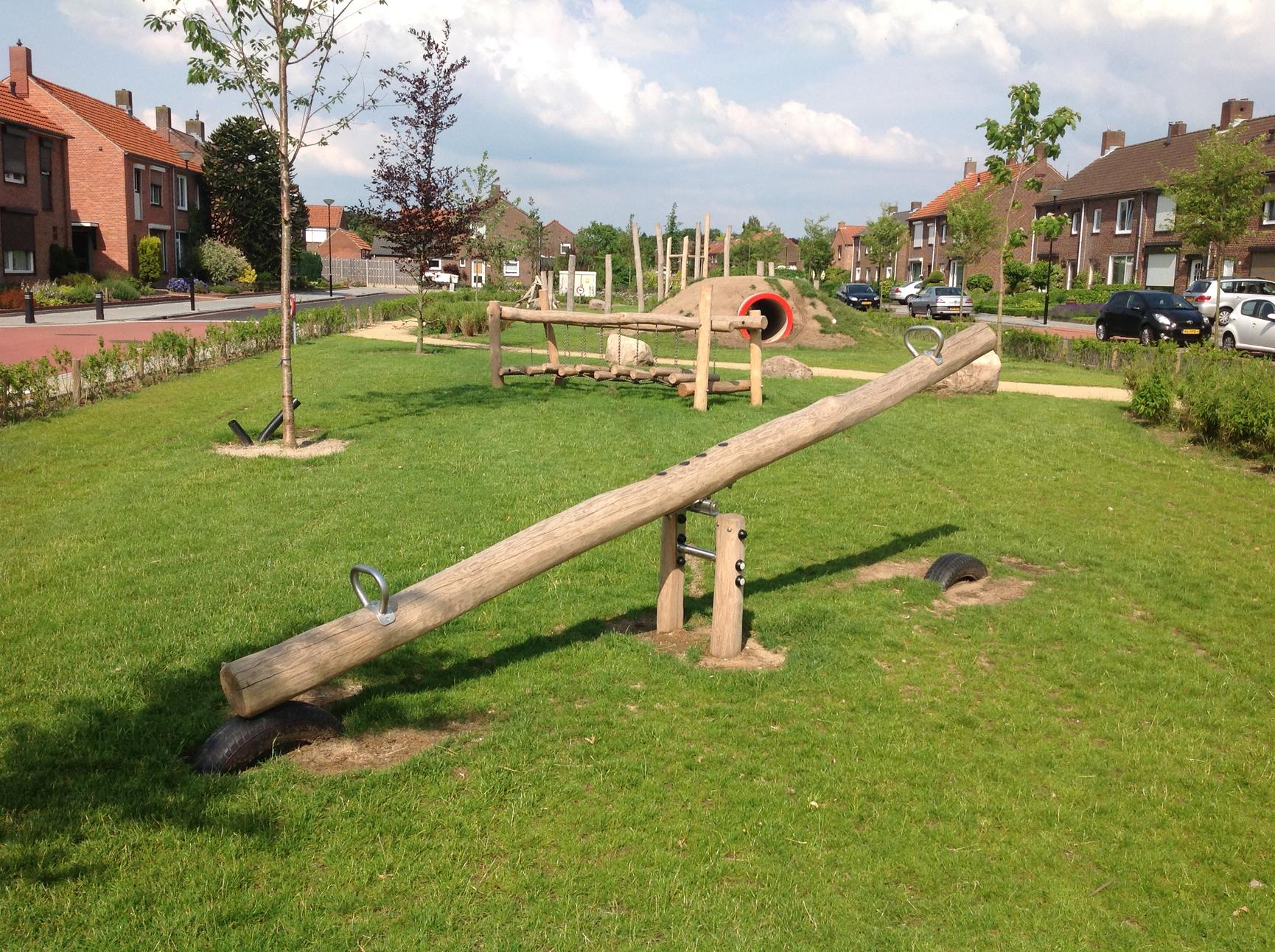
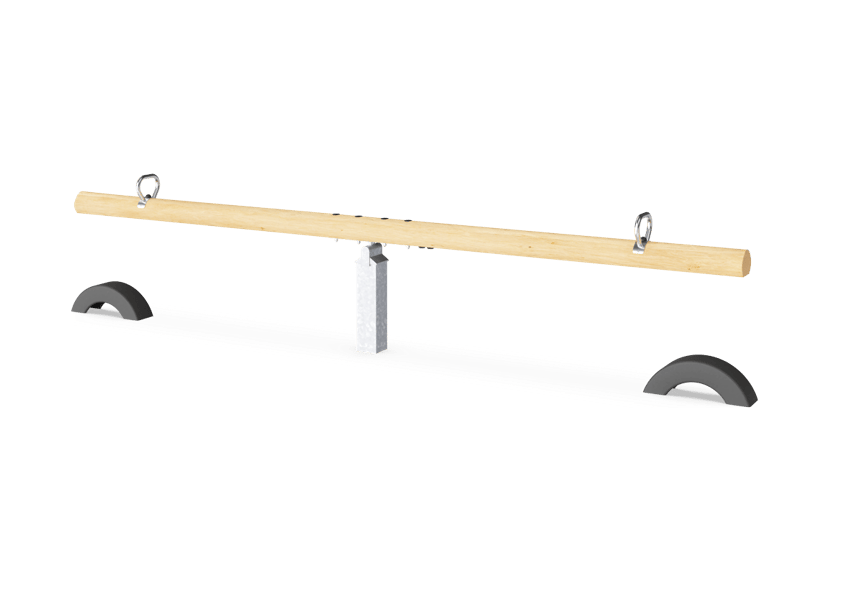
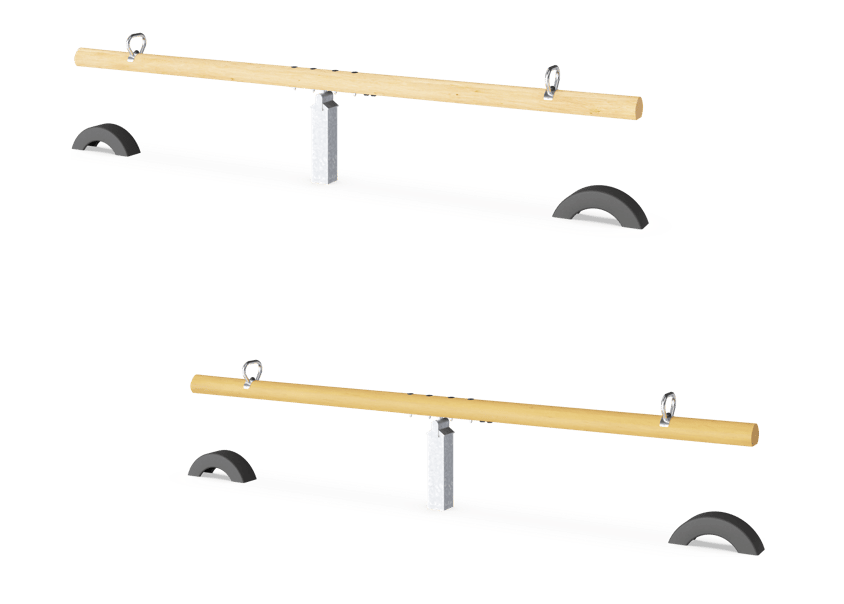
Seesaw, 2 persons
Age Group
4+ Years
Capacity
2
Inclusive
No
Product category
NRO10501
Seesaw, 2 persons
Specifications
Seesaw, 2 persons
The Seesaw is a playground classic. It still attracts players again and again, as it has for generations. The archaic play event is still with us for a reason: the thrill in the stomach when soaring up high and going down fast is eternally appealing. The Seesaw develops a sense of space, rhythm, and leg muscles in children. These are crucial motor skills that help children navigate the world securely, e.g. in the street when estimating time, movement and objects. The social dimension and degree of trust in your peer that is demanded when seesawing, is great training of social-emotional life skills such as turn- taking and cooperation. Empathy is trained as well, as players consider others' limits and limitations. Or as they are inspired to try out things they didn't dare to do before, because other children dare to.
This product, Seesaw, 2 persons (NRO10501), is provided by KOMPAN Ireland.
Length
415 cm
Width
21 cm
Height
117 cm
Safety Zone Length
615 cm
Safety Zone Width
215 cm
Age Group
4+ Years
Key user group
4 - 12 Years
Capacity
2
Inclusive
No
Product category
Nature Playgrounds
Product line
Nature Freestanding Play Equipment
Product Highlights
Quality that lasts
All Organic Robinia products by KOMPAN are made of Robinia wood from sustainable European sources. On request it can be supplied as FSC® Certified (FSC® C004450).
The Robinia wood can be supplied as untreated raw wood or painted with a brown coloured transparent pigment that maintains the golden wood colour of the wood.
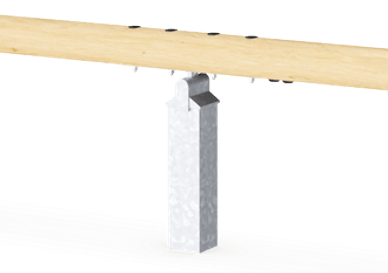
The steel surfaces are hot dip galvanised inside and outside with lead free zinc. The galvanisation has excellent corrosion resistance in outside environments and requires low maintenance.
Play Activities

Balance
2

Rock
1

Sensory
4

Socialize
1
Each play activity represents a type of play experience, such as balancing, social interaction, climbing, or sensory exploration. The number indicates how many opportunities the product offers for children to engage in that activity. Together, these activities help create a varied and developmentally rich play experience.
CO₂ emission
Sustainability Data
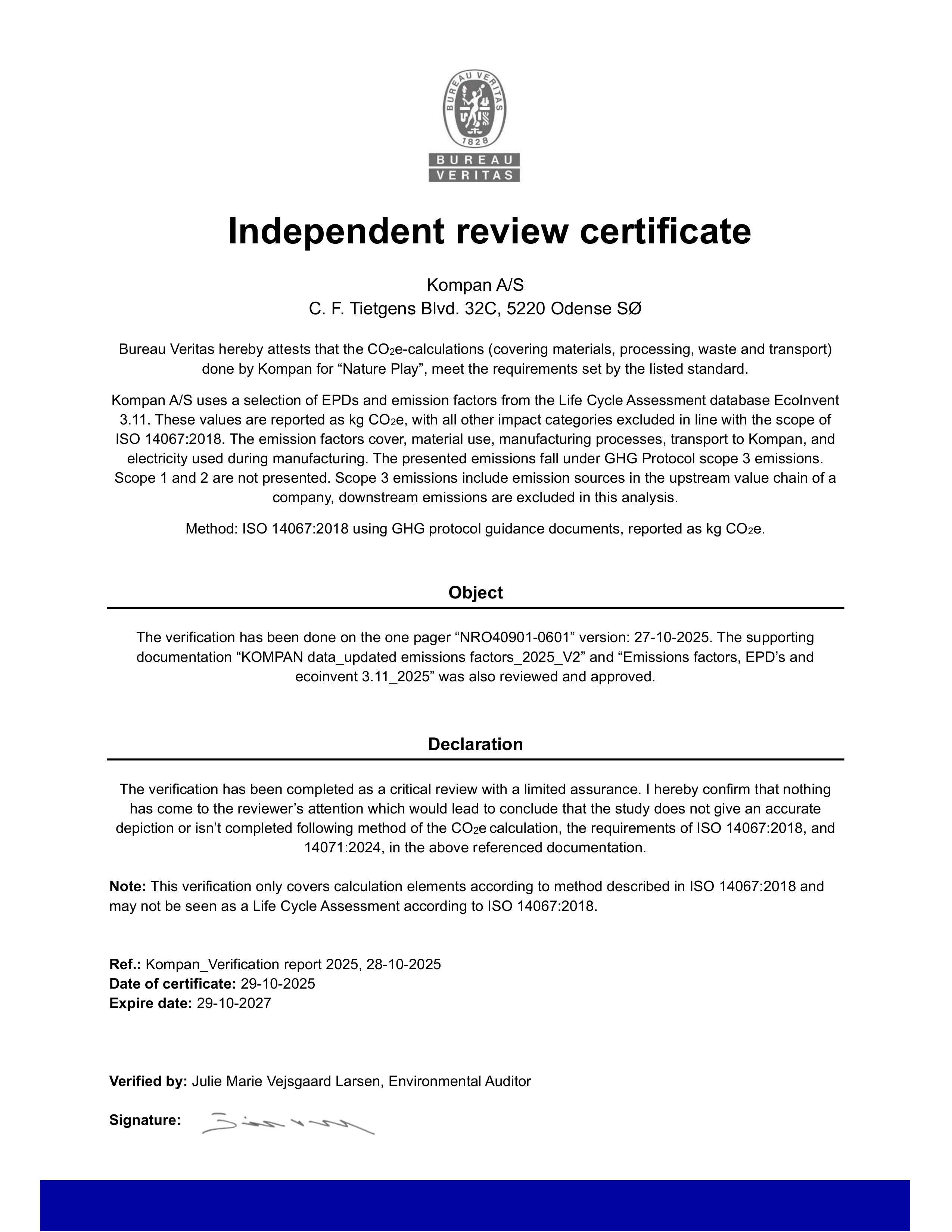
Our product and sustainability data validation help customers make informed sustainable buying choices based on methods validated by Bureau Veritas.
NRO10501-0501
135.68
Total CO₂ emission (kg CO₂e)
1.28
CO₂e/kg (kg CO₂e/kg)
33.32%
Recycled materials
The overall framework applied for these factors is the Environmental Product Declaration (EPD), which quantifies "environmental information on the life cycle of a product and enable comparisons between products fulfilling the same function" (ISO, 2006). This follows the structure and applies a Life-Cycle Assessment approach to the entire Product stage from raw material through manufacturing (A1-A3).