NRO915
CocoWave Swing
Age Group
6+ Years
Capacity
8
Inclusive
Yes
Product category
NRO915
CocoWave Swing
Specifications
CocoWave Swing
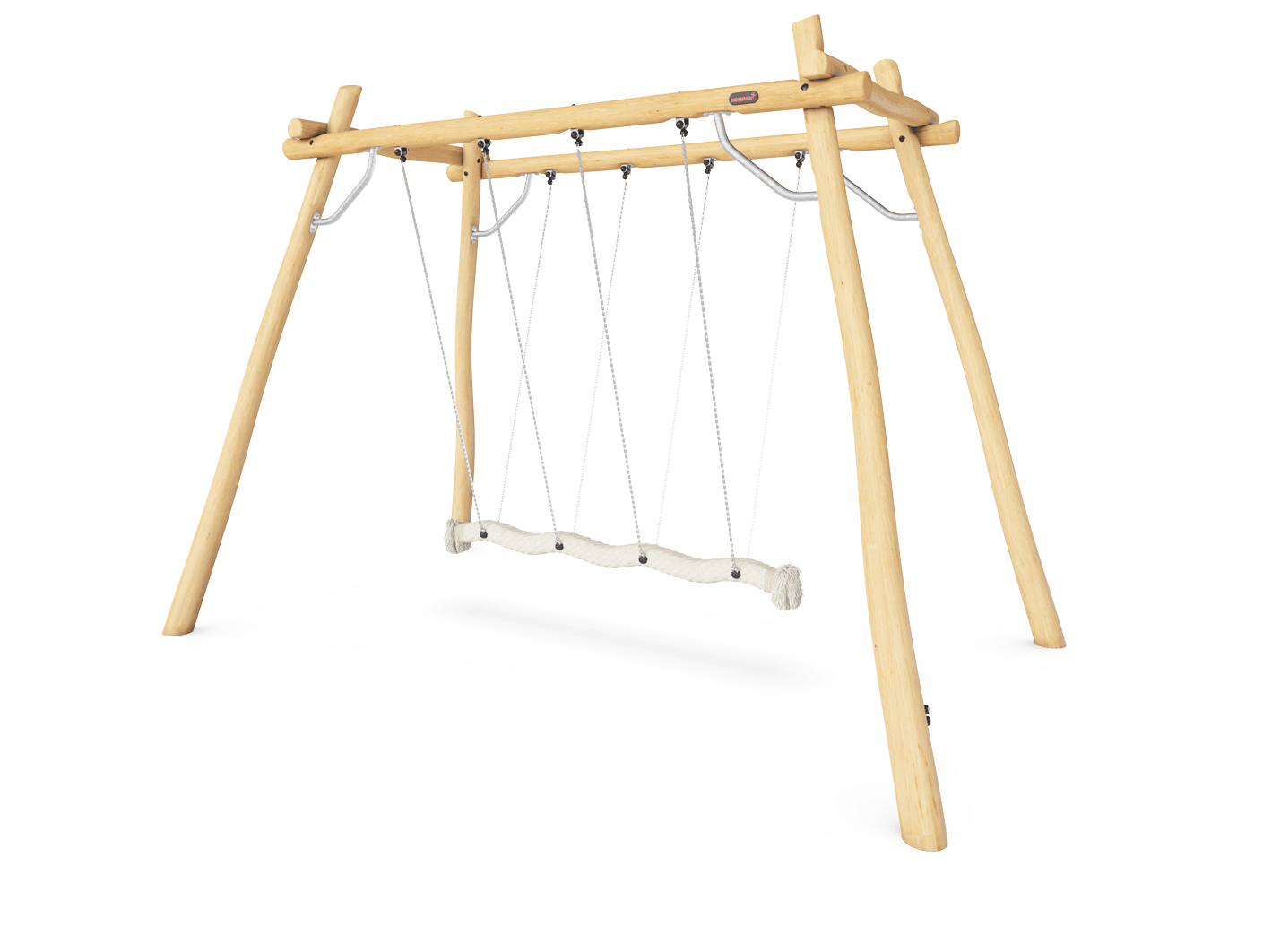
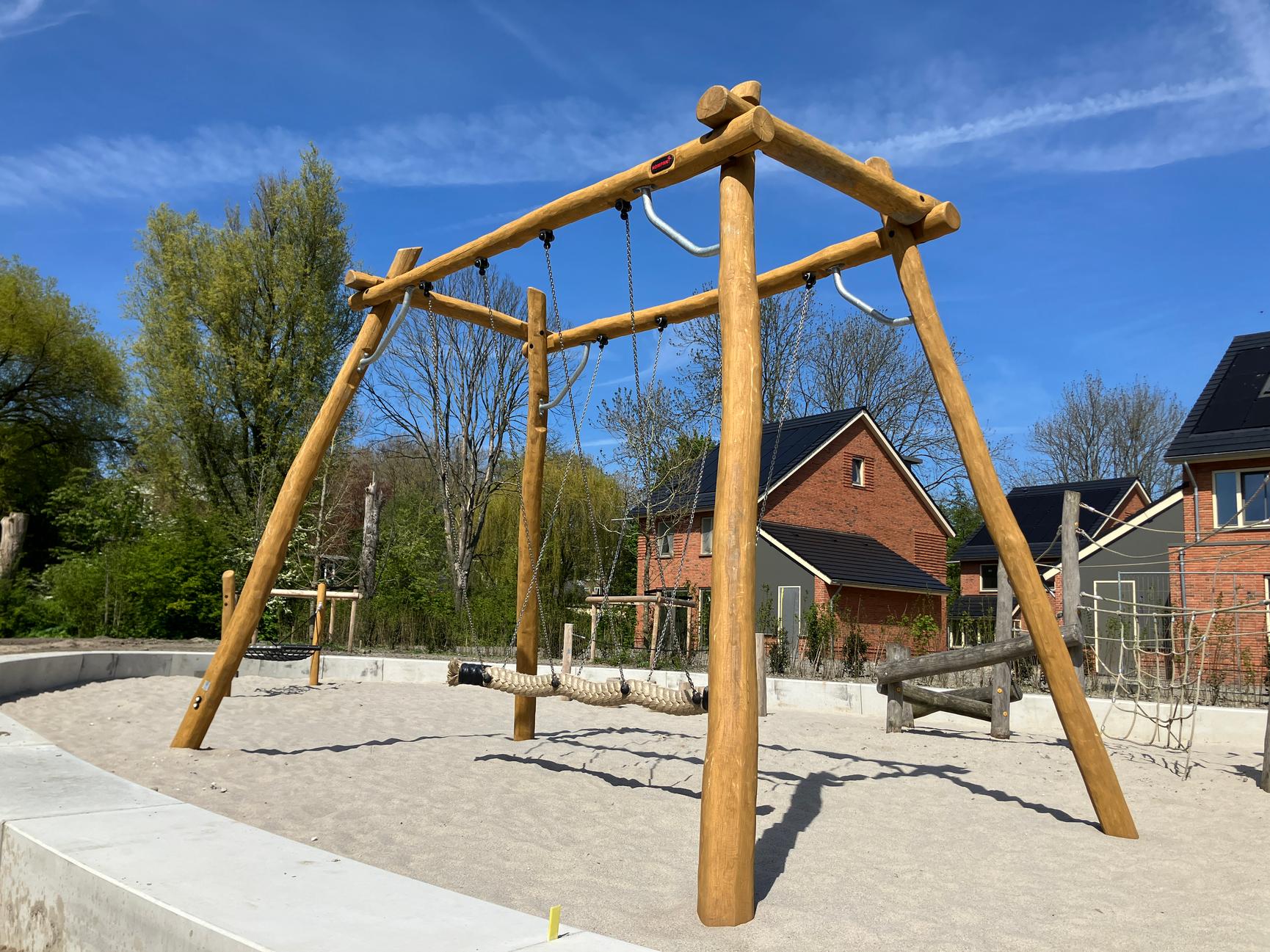
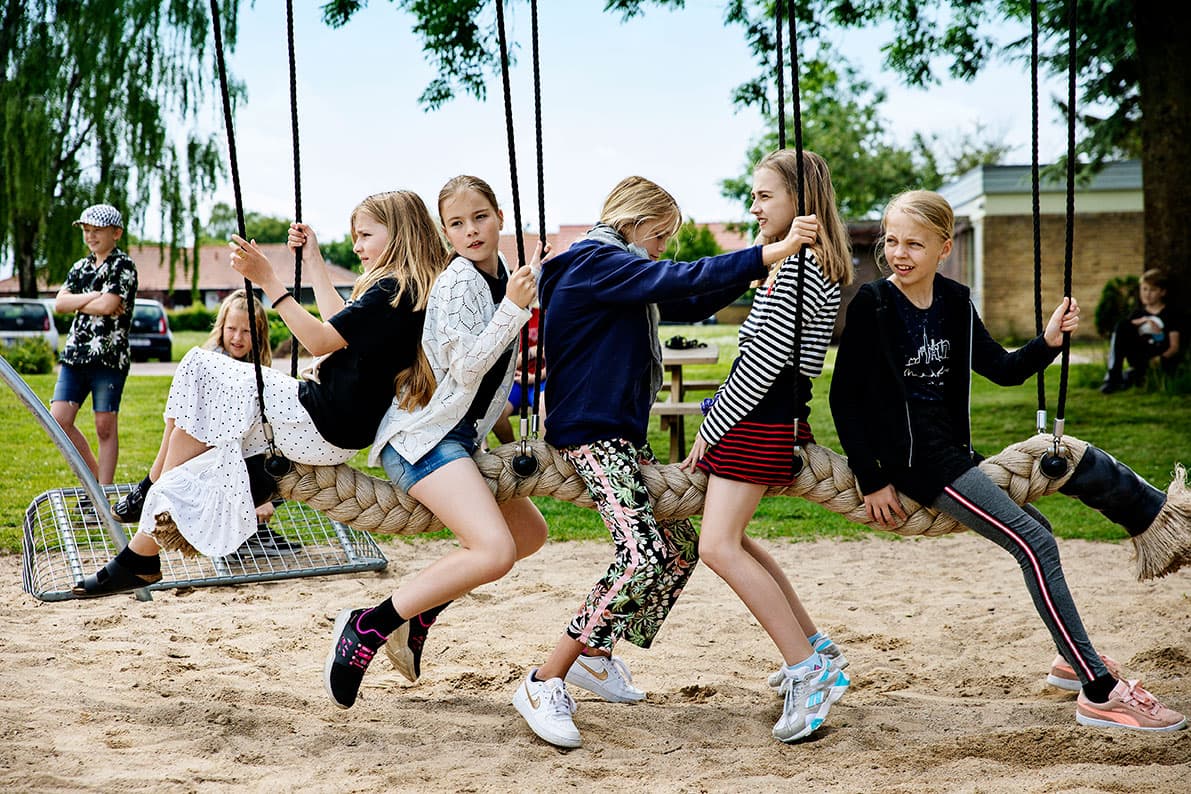
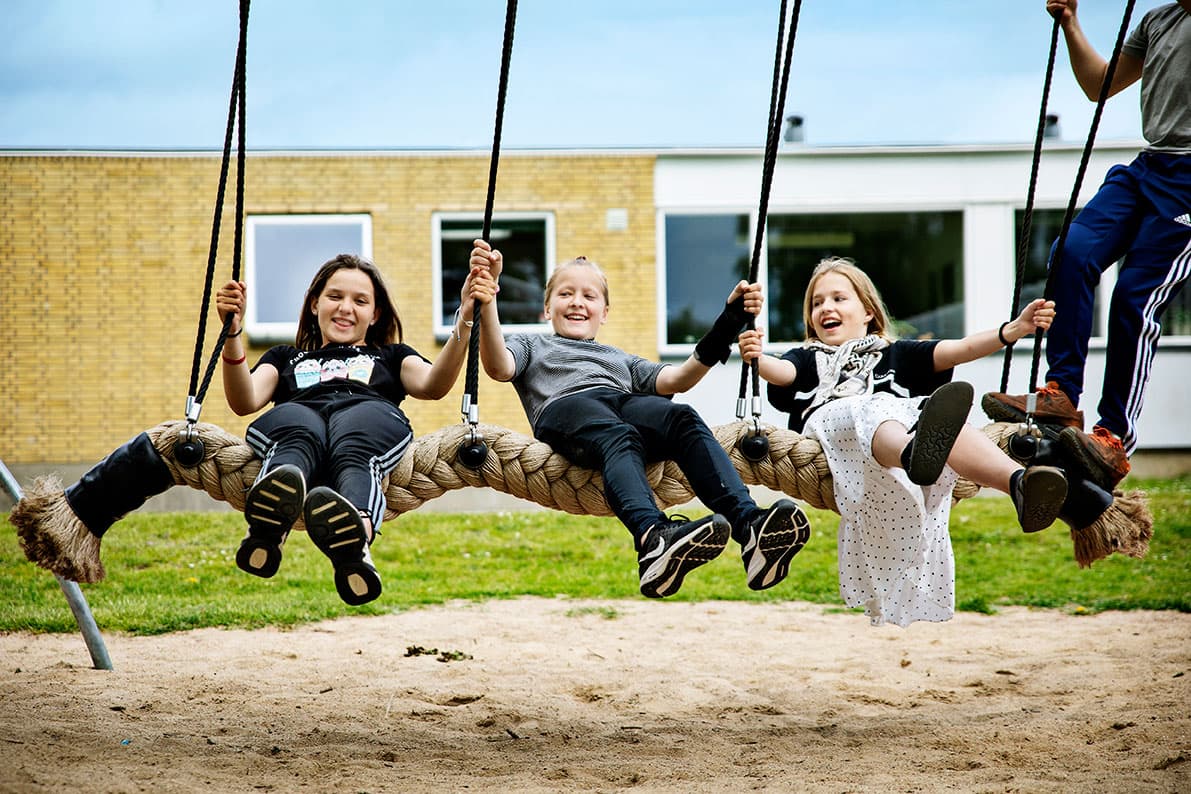
The size and appearance of the Robinia Cocowave Pendulum Swing is an irresistible invitation for all children to play. With its robust, oblong coconut rope, the Robinia Cocowave Pendulum Swing allows for swinging from a seated, lying or standing position. The thrill of swinging – mild or wild – is for bigger groups, of different sizes, ages and physical abilities. It takes teamwork to make the swing move, and this stimulates important social-motional skills. Apart from being fun, swinging on the Coco-wave swing also trains muscles and important motor skills, such as balance, coordination and sense of space. These are important to train vestibular skills that matter profoundly for e.g. navigating traffic safely. The challenging feeling of speed and height stimulates children's self esteem, risk management and other important social-emotional life skills.
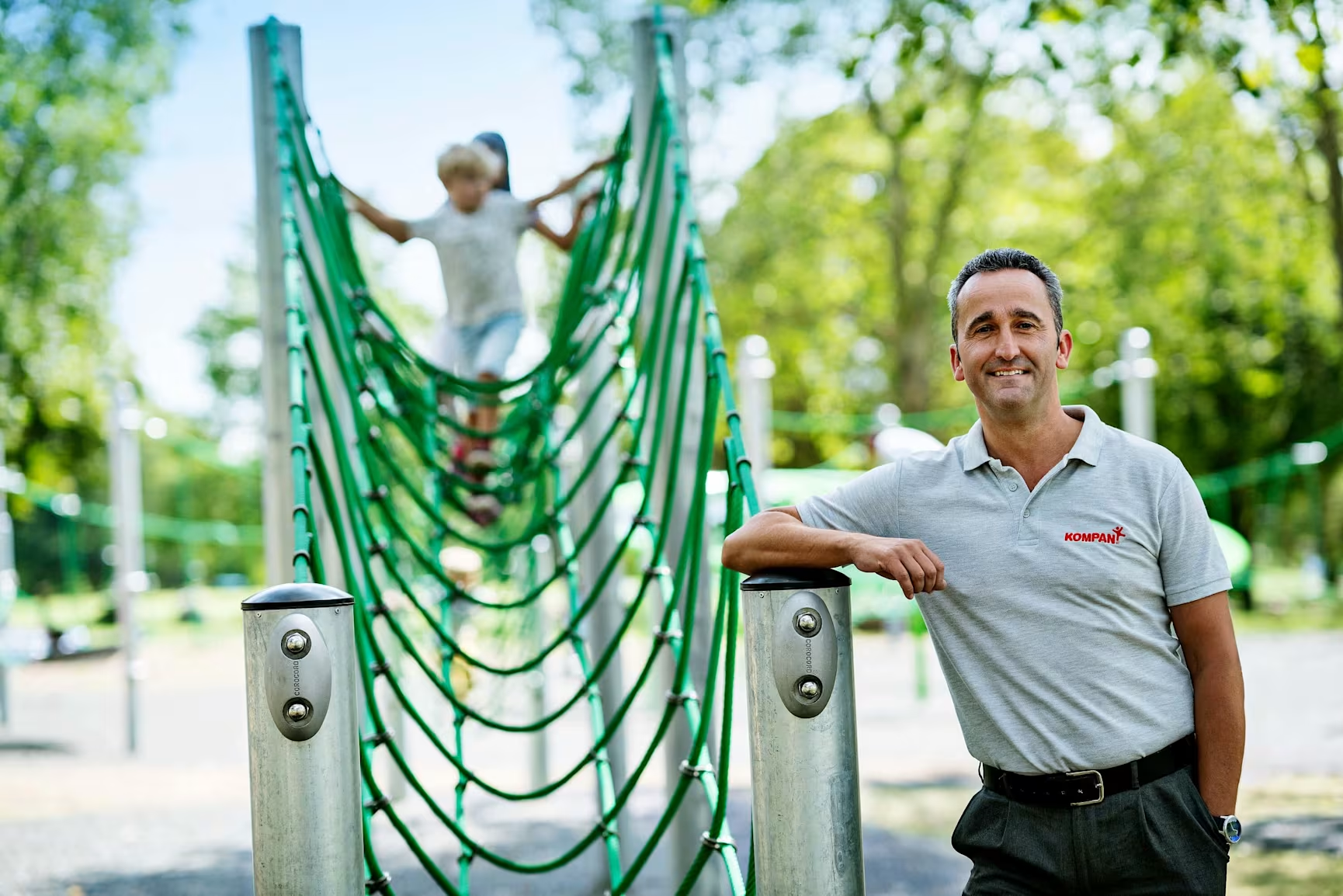
This product, CocoWave Swing (NRO915), is provided by KOMPAN International Sales.
Length
563 cm
Width
328 cm
Height
388 cm
Fall Space Length
1129 cm
Fall Space Width
175 cm
Age Group
6+ Years
Key user group
6 - 15 Years
Capacity
8
Inclusive
Yes
Product category
Nature Playgrounds
Product line
Nature Freestanding Play Equipment
Product Highlights
Quality that lasts
All Organic Robinia products by KOMPAN are made of Robinia wood from sustainable European sources. On request it can be supplied as FSC® Certified (FSC® C004450).
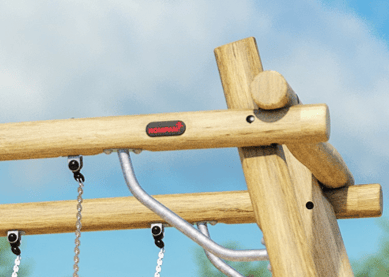
The paint used for coloured components is water based environmental friendly with excellent UV resistance. The paint is in compliance with EN 71 Part 3.
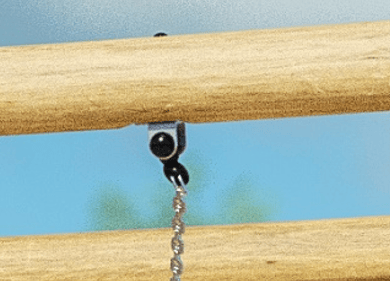
Unique designed swing hangers of stainless steel with anti-twist function. The hangers are attached to the cross beam by a bolt through connection to ensure high durability.
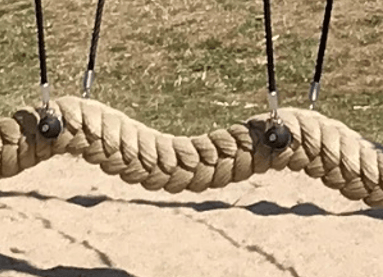
The rope of the pendulum swing is made of polypropylene (PP) rope in Coconut style with a square shape of 14x14cm. The ends of the Coconut rope are closed by a steel clamps and sealed by a glued-on shrinkable tubing. The last 10cm of the rope ends are cut open to make a tassel with bumper function to fulfill global safety requirements.
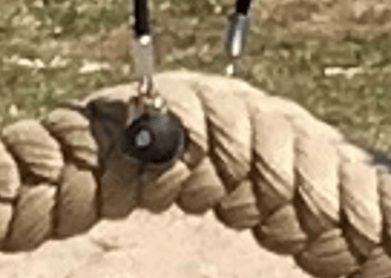
The chain/ropes are attached to the Coconut rope by KOMPAN swivel bushings made of stainless steel with bronze bearings. The swivels have an outside cover of black PUR. The usage of side mounted swivels provides frictionless movement, eliminates fingers and feet entrapments and enlarges the standing surface on top of the rope.
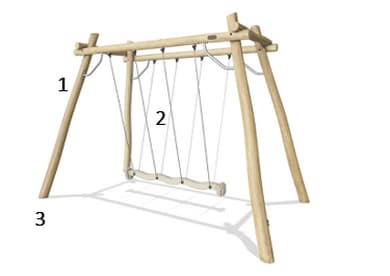
The Cocowave pendulum swing is available in multiple options: untreated Robinia wood, brown pigmented or green coloured version, rope or stainless steel chain suspensions, wood in-ground or steel footings.
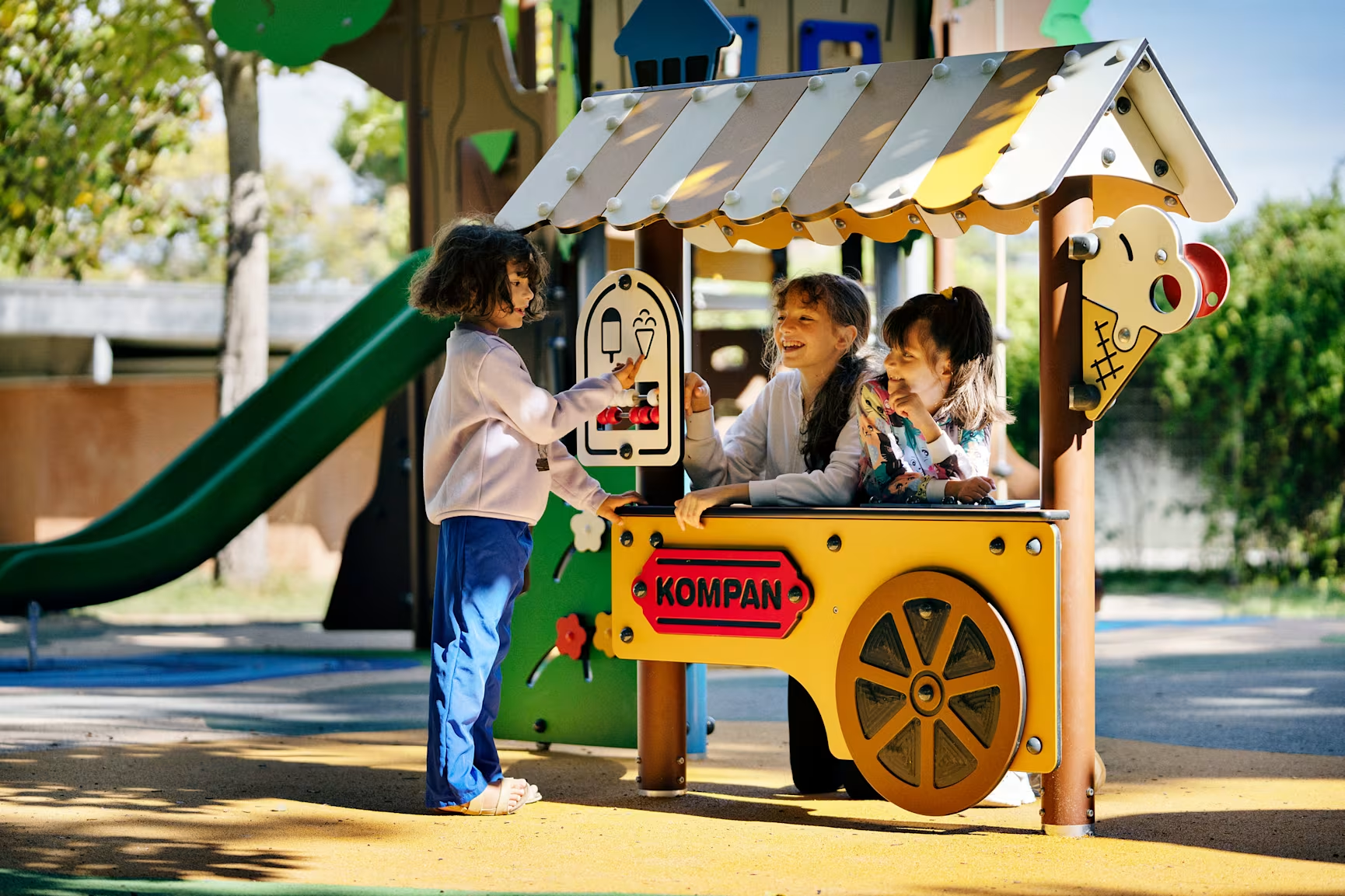
Play Activities

Balance
1

Jump
1

Sensory
4

Socialize
4

Swing
1
Each play activity represents a type of play experience, such as balancing, social interaction, climbing, or sensory exploration. The number indicates how many opportunities the product offers for children to engage in that activity. Together, these activities help create a varied and developmentally rich play experience.
CO₂ emission
Sustainability Data
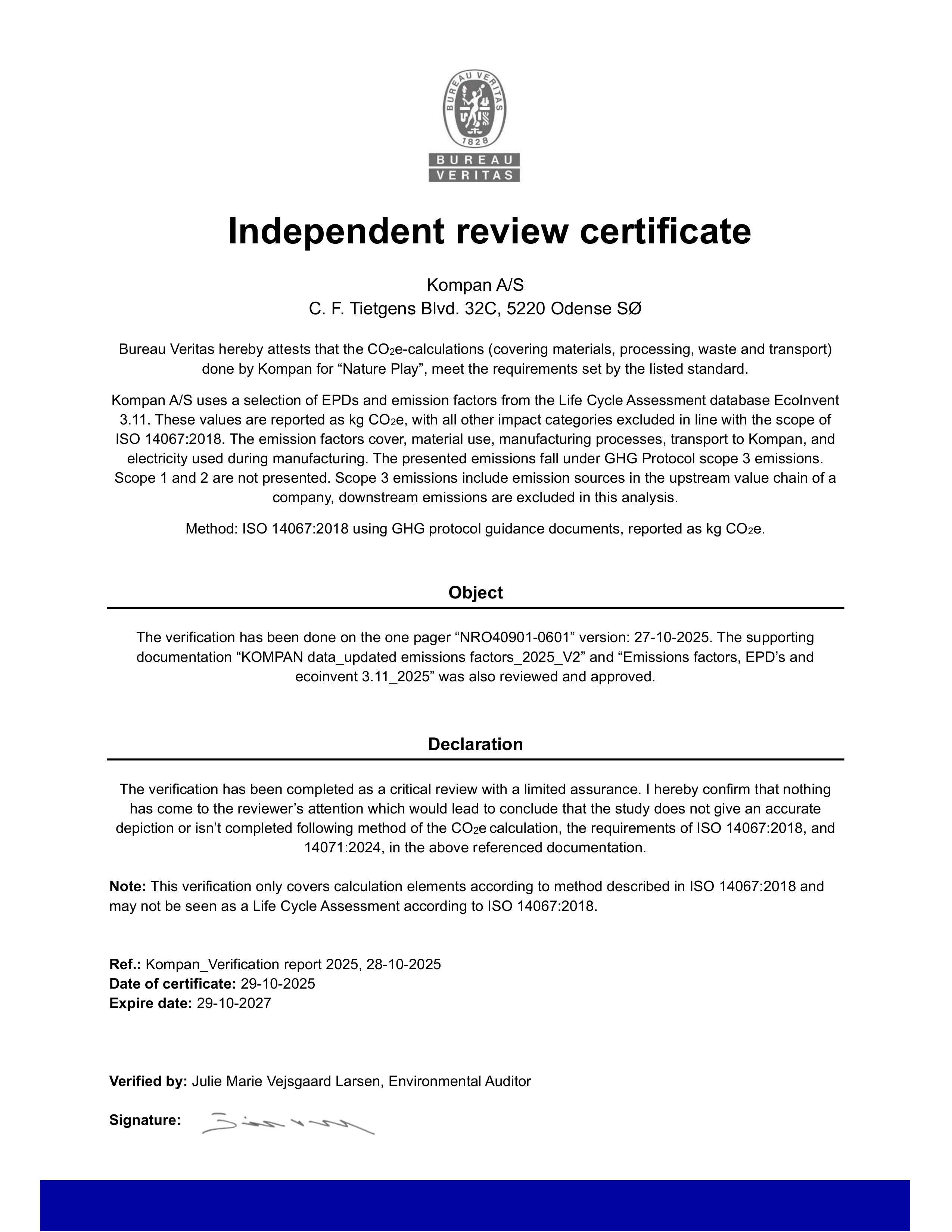
Our product and sustainability data validation help customers make informed sustainable buying choices based on methods validated by Bureau Veritas.
NRO915-1001
775.9
Total CO₂ emission (kg CO₂e)
1.23
CO₂e/kg (kg CO₂e/kg)
6.55%
Recycled materials
The overall framework applied for these factors is the Environmental Product Declaration (EPD), which quantifies "environmental information on the life cycle of a product and enable comparisons between products fulfilling the same function" (ISO, 2006). This follows the structure and applies a Life-Cycle Assessment approach to the entire Product stage from raw material through manufacturing (A1-A3).