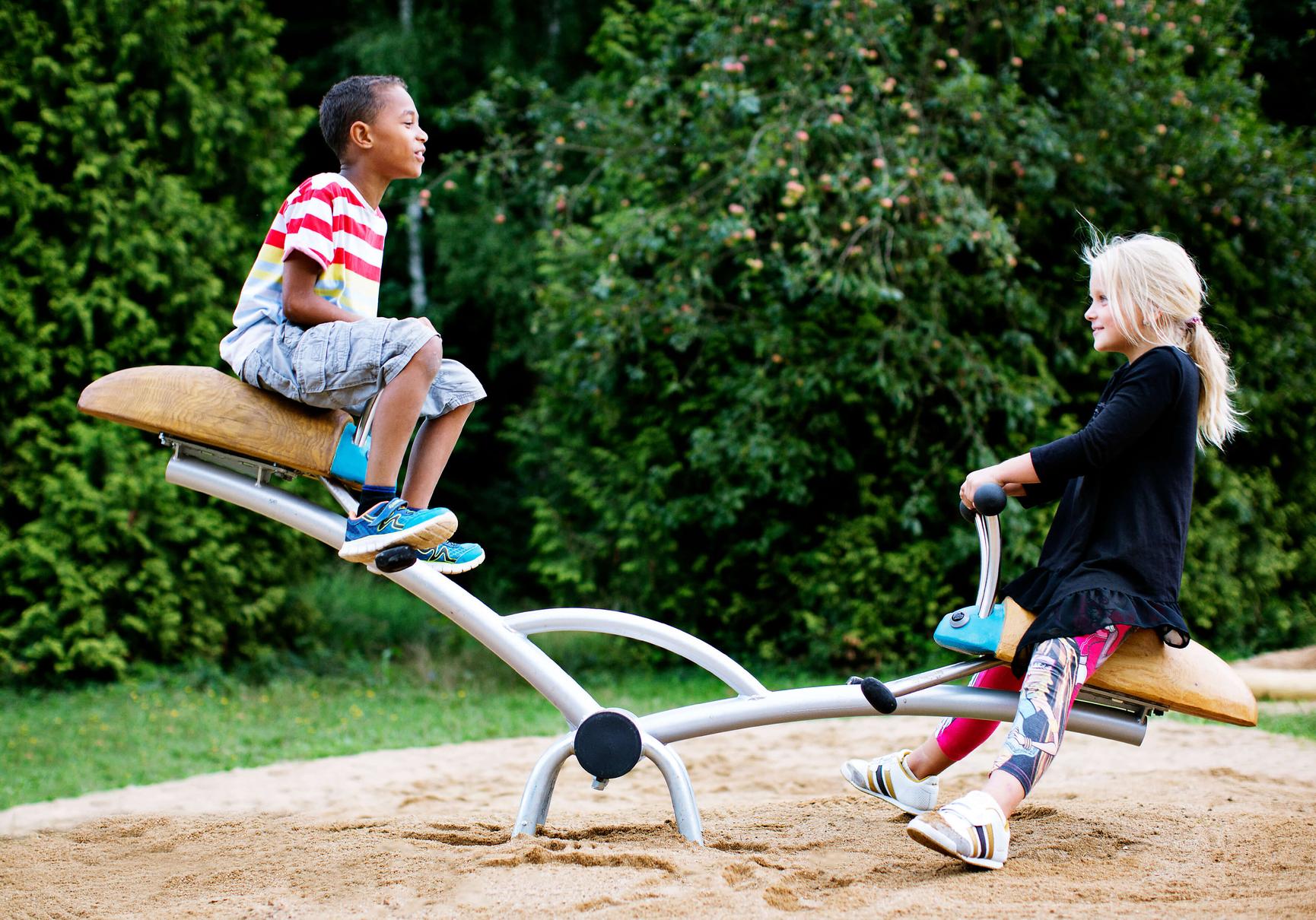
NRO117
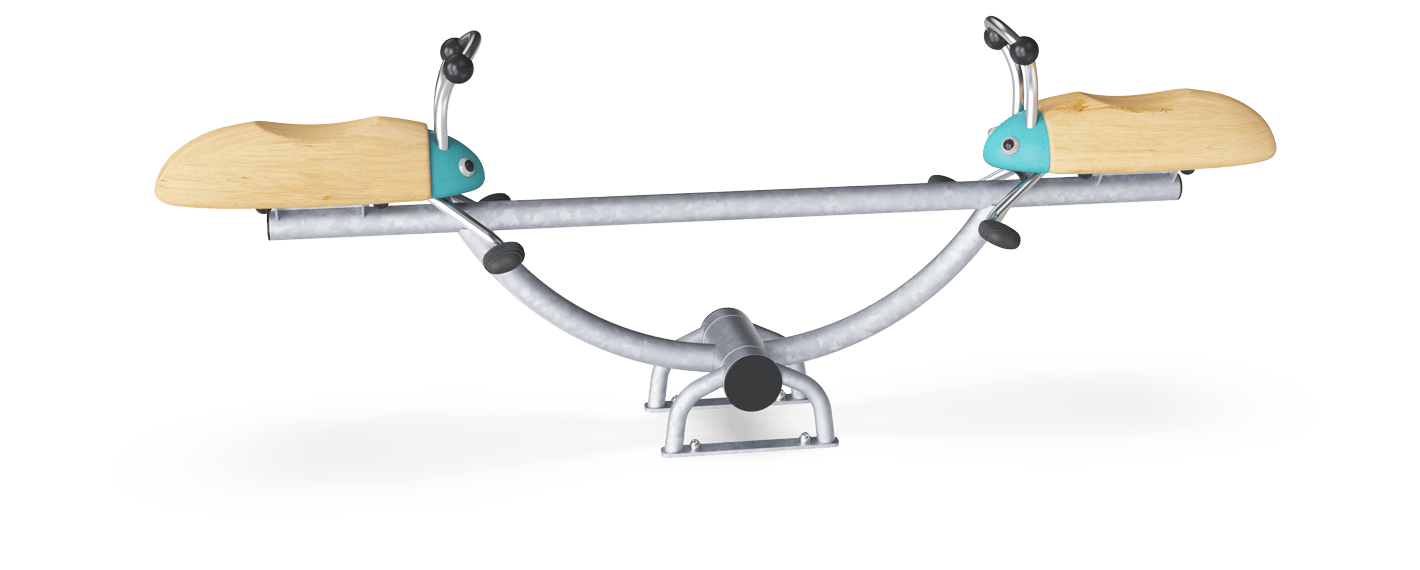
Forest Bugs Seesaw, Oak
Age Group
4+ Years
Capacity
2
Inclusive
No
Product category
NRO117
Forest Bugs Seesaw, Oak
Specifications
Forest Bugs Seesaw, Oak
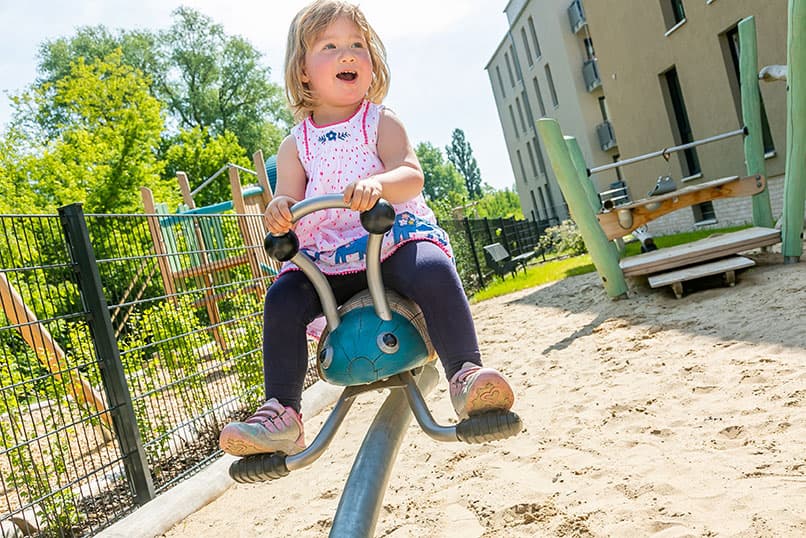
The Forest Bugs Seesaw offers a whimsical, gliding seesaw ride which will amaze children and keep them coming back again and again. The fun, social rocking intensely trains cooperation and empathy, training important social-emotional life skills. The soothing, rocking movement of the Forest Bugs Seesaw invites play, but additionally trains the senses of balance and space. These are both crucial for body confidence, e.g. in avoiding falling. A well-developed sense of balance is fundamental for the ability to sit still and concentrate. The rhythmic movement is necessary to make the seesaw work, and so is cooperation. The Forest Bugs Seesaw is a beautiful addition to young children's playgrounds, adding themed bugs. This inspires imaginative play and again stimulates cooperation and communication.
This product, Forest Bugs Seesaw, Oak (NRO117), is provided by KOMPAN International Sales.
Length
233 cm
Width
48 cm
Height
86 cm
Fall Space Length
442 cm
Fall Space Width
248 cm
Age Group
4+ Years
Key user group
4 - 10 Years
Capacity
2
Inclusive
No
Product category
Nature Playgrounds
Product line
Nature Freestanding Play Equipment
Product Highlights
Quality that lasts
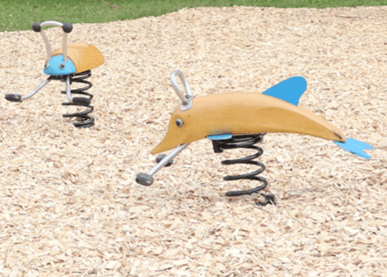
All Organic oak products by KOMPAN are made of oak wood from sustainable European sources. On request it can be supplied as FSC® Certified (FSC® C004450).
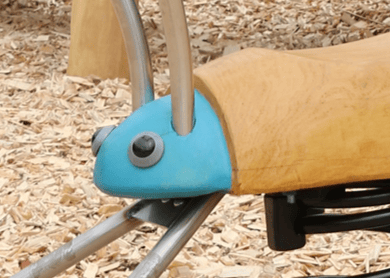
The paint used for coloured components is water based environmentally friendly with excellent UV resistance. The paint is in compliance with EN 71 Part 3.
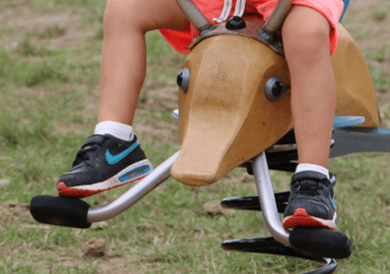
Handles and footrests are made of high-quality stainless steel and equipped with moulded on PUR handholds and footsteps. The PUR footrests are designed with groves to make the surface slip resistant.
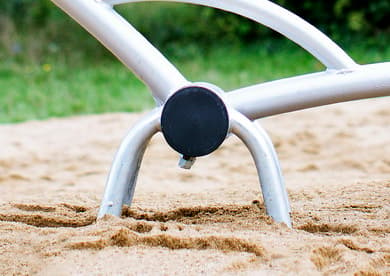
The steel surfaces are hot dip galvanised inside and outside with lead free zinc. The galvanisation has excellent corrosion resistance in outside environments and requires low maintenance.
Play Activities

Balance
2

Dramatic play
2

Rock
1

Sensory
5

Socialize
1
Each play activity represents a type of play experience, such as balancing, social interaction, climbing, or sensory exploration. The number indicates how many opportunities the product offers for children to engage in that activity. Together, these activities help create a varied and developmentally rich play experience.
CO₂ emission
Sustainability Data
Our product and sustainability data validation help customers make informed sustainable buying choices based on methods validated by Bureau Veritas.
NRO117-0621
333.15
Total CO₂ emission (kg CO₂e)
2.24
CO₂e/kg (kg CO₂e/kg)
20.34%
Recycled materials
The overall framework applied for these factors is the Environmental Product Declaration (EPD), which quantifies "environmental information on the life cycle of a product and enable comparisons between products fulfilling the same function" (ISO, 2006). This follows the structure and applies a Life-Cycle Assessment approach to the entire Product stage from raw material through manufacturing (A1-A3).