NRO826
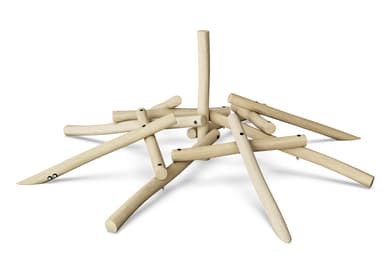
Crawling Pyramid
Age Group
4+ Years
Capacity
6
Inclusive
No
Product category
NRO826
Crawling Pyramid
Specifications
Crawling Pyramid
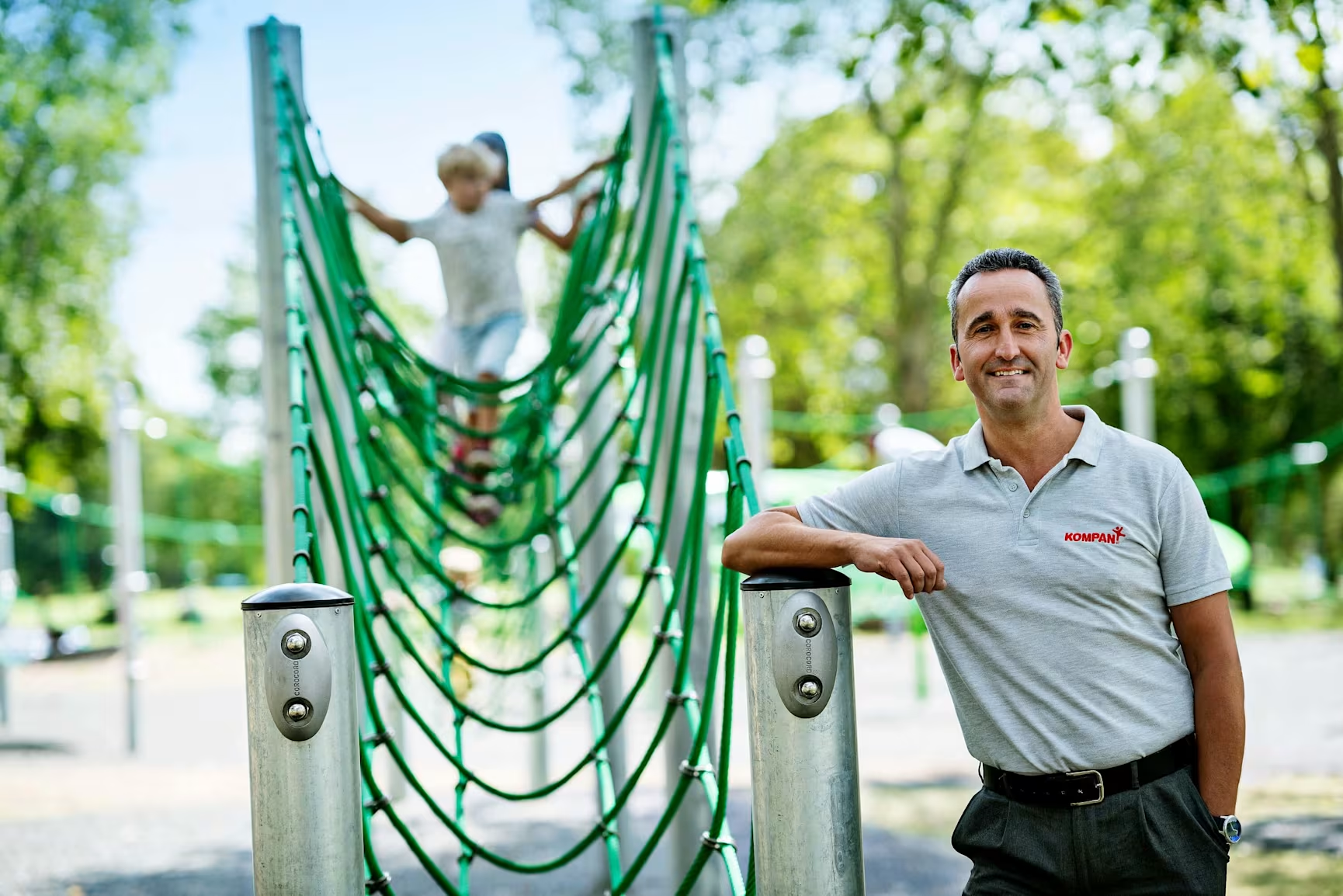
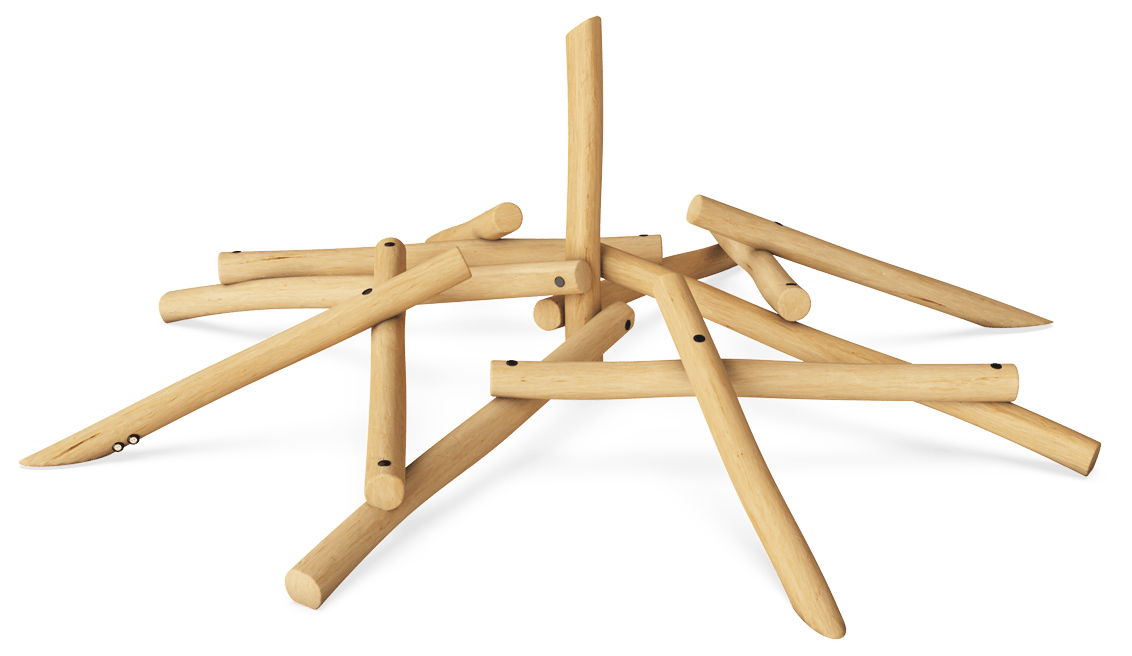
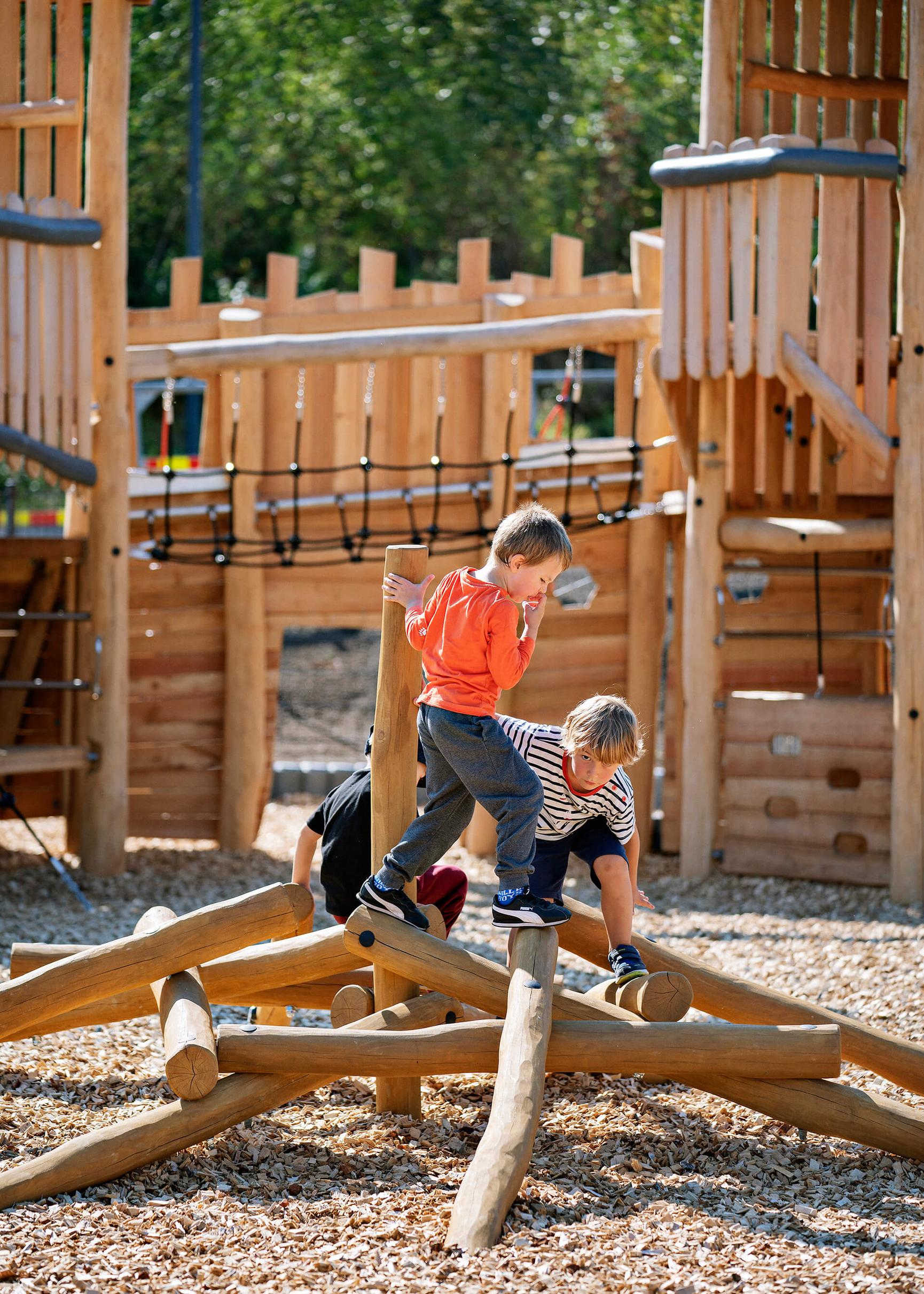
The Crawling Pyramid is a hit with children. The hap-hazardly placed beams is a magnet for their eagerness to climb and explore the unit. The inclined and horizontal beams invite a number of classic playground games, all cantered around balancing such as The Ground is Lava or tag. With its inclined layout, the Crawling Pyramid constantly challenges the sense of balance in children. The sense of balance is fundamental for all other senses. It makes it possible to run, to sit still, concentrate and learn, but it also gives children the confidence that they can manage the world and adjust, when they are at the edge of loosing balance. The many horizontal beams of the Crawling Pyramid invites a break and socializing. This is important for children's social-emotional skills and forming friendships.
This product, Crawling Pyramid (NRO826), is provided by KOMPAN Ireland.
Length
399 cm
Width
405 cm
Height
149 cm
Safety Zone Length
699 cm
Safety Zone Width
705 cm
Age Group
4+ Years
Key user group
4 - 12 Years
Capacity
6
Inclusive
No
Product category
Nature Playgrounds
Product line
Nature Freestanding Play Equipment
Product Highlights
Quality that lasts
All Organic Robinia products by KOMPAN are made of Robinia wood from sustainable European sources. On request it can be supplied as FSC® Certified (FSC® C004450).
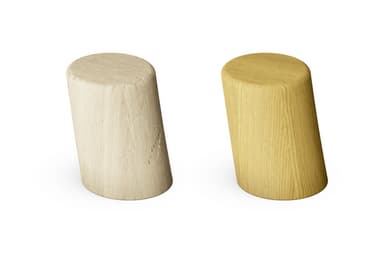
The Robinia wood can be supplied as untreated raw wood or painted with a brown coloured transparent pigment that maintains the golden wood colour of the wood.
Play Activities

Balance
12

Climb
1

Sensory
2

Socialize
4
Each play activity represents a type of play experience, such as balancing, social interaction, climbing, or sensory exploration. The number indicates how many opportunities the product offers for children to engage in that activity. Together, these activities help create a varied and developmentally rich play experience.
CO₂ emission
Sustainability Data
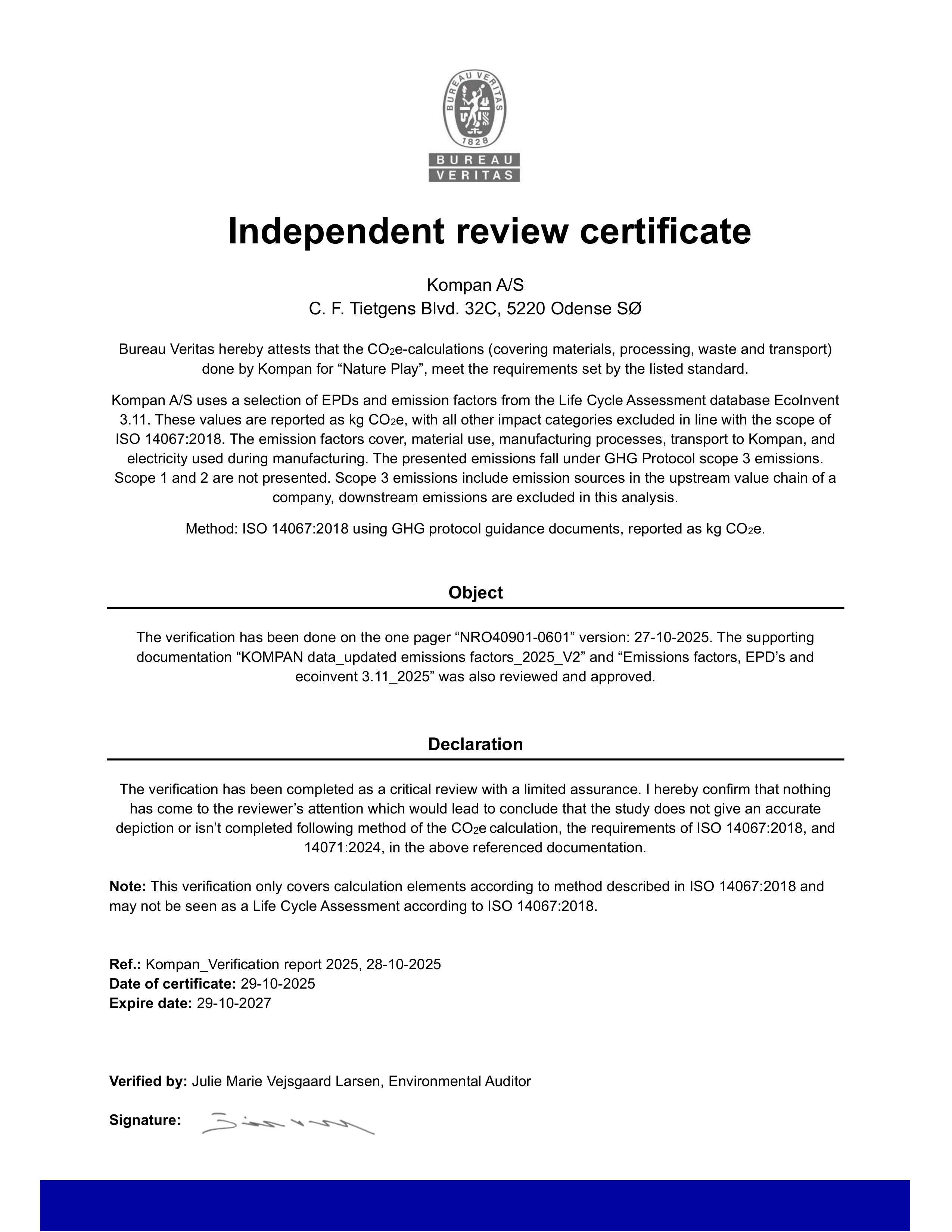
Our product and sustainability data validation help customers make informed sustainable buying choices based on methods validated by Bureau Veritas.
NRO826-0801
212.15
Total CO₂ emission (kg CO₂e)
0.59
CO₂e/kg (kg CO₂e/kg)
3.05%
Recycled materials
The overall framework applied for these factors is the Environmental Product Declaration (EPD), which quantifies "environmental information on the life cycle of a product and enable comparisons between products fulfilling the same function" (ISO, 2006). This follows the structure and applies a Life-Cycle Assessment approach to the entire Product stage from raw material through manufacturing (A1-A3).