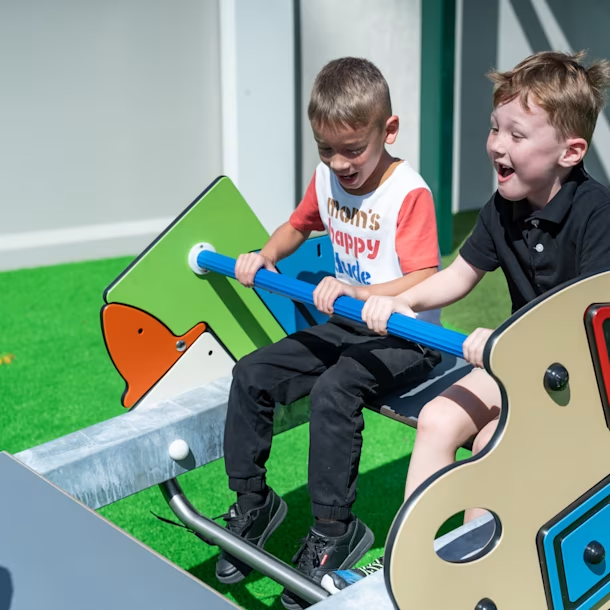
School Playgrounds
Designing a school playground involves balancing safety, creativity, and the needs of different age groups. Outdoor play helps support physical activity, social skills, and overall well‑being, and a thoughtful layout makes it easier for students to stay engaged throughout the day. At KOMPAN, we help schools plan spaces that feel welcoming, active, and suited to a wide range of learners.
From the first idea to installation, our team works closely with schools to bring their playground plans to life. Whether you’re upgrading an existing space or starting fresh, we support choices that fit your space, timeline, and budget. The result is a play area that’s easy to supervise, enjoyable for students, and designed to last.
Explore equipment options and browse helpful planning resources as you begin your project.
Order now
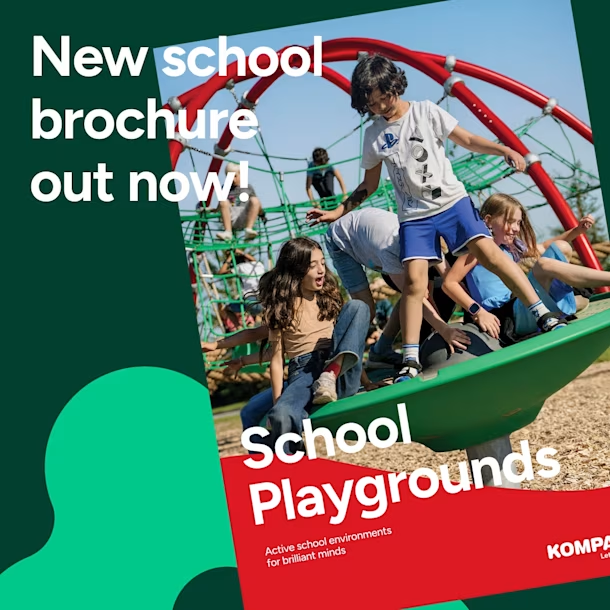
Our New School Playground Planning Brochure is Here
Planning a playground for a school or preschool? Our new brochure is designed to help you turn your vision into reality.
Inside the brochure you’ll find:
Inspiring school and preschool cases
Practical playground planning guidance
Research on why great school playgrounds matter
Popular, proven play equipment
Complete solutions for different needs
From Early Childhood to Secondary School
From toddlers to teenagers, we create school playgrounds that fit all ages, levels, and abilities throughout their school years.
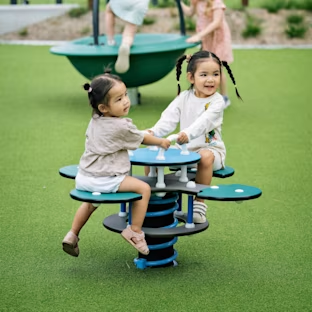
Early Childhood
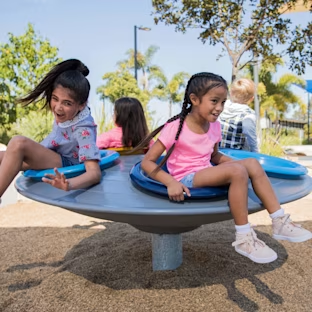
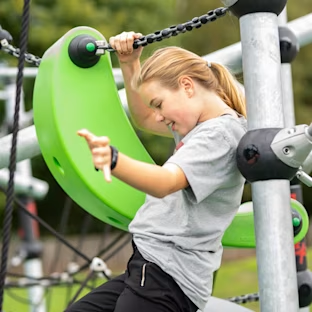
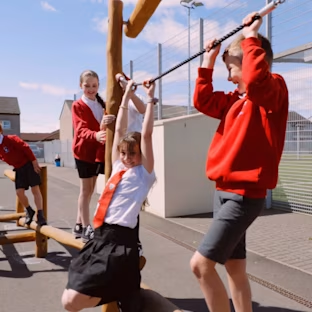
Elementary Schools
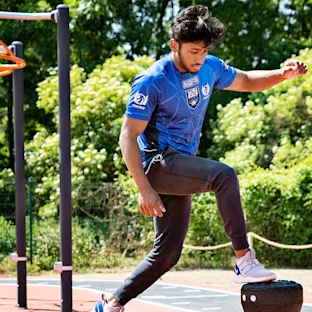
Middle & High Schools
Inclusive School Playground Equipment

Educational Playground Equipment
Colleges & Universities

Schools
What to Include in a School Playground
Primary play pieces set the tone for your playground layout and help determine safety needs like spacing and surfacing. A mix of towers, climbers, and nets gives students different types of challenges based on their age and confidence levels. Once those key structures are chosen, you can round out the space with sensory play, balancing features, or familiar favourites like swings and spinners.
Good surfacing is essential for safety and long-term performance. The type of equipment you choose will guide things like fall height, surfacing depth, and how much space each area needs. Options like poured rubber, tiles, turf, or wood fibre each offer different benefits for maintenance, comfort, and accessibility. Planning early helps everything work together smoothly.
Amenities help shape how a playground feels and functions. Shade, seating, and trees create places to rest and cool down. Open paths and clear sight lines make supervision easier throughout the day. Ramps, transfer points, and defined walkways help all students move between play areas, and simple boundaries like curbs or fencing support safety without closing off the space.
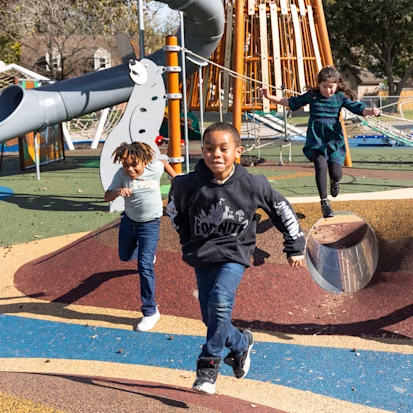
More Movement in the School Day
Outdoor play gives kids a chance to move, explore, and burn energy during the school day. When playground spaces offer variety and are designed with different age groups in mind, students tend to stay active longer—including older grades who sometimes lose interest without the right options.

Developmental Benefits
Playgrounds support much more than physical activity. They help kids practise communication, problem-solving, teamwork, and emotional regulation. Time outside also gives students a mental break that can help them refocus once they return to class.
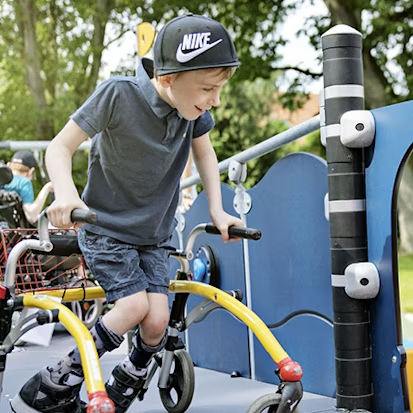
Inclusion & Equity, by Design
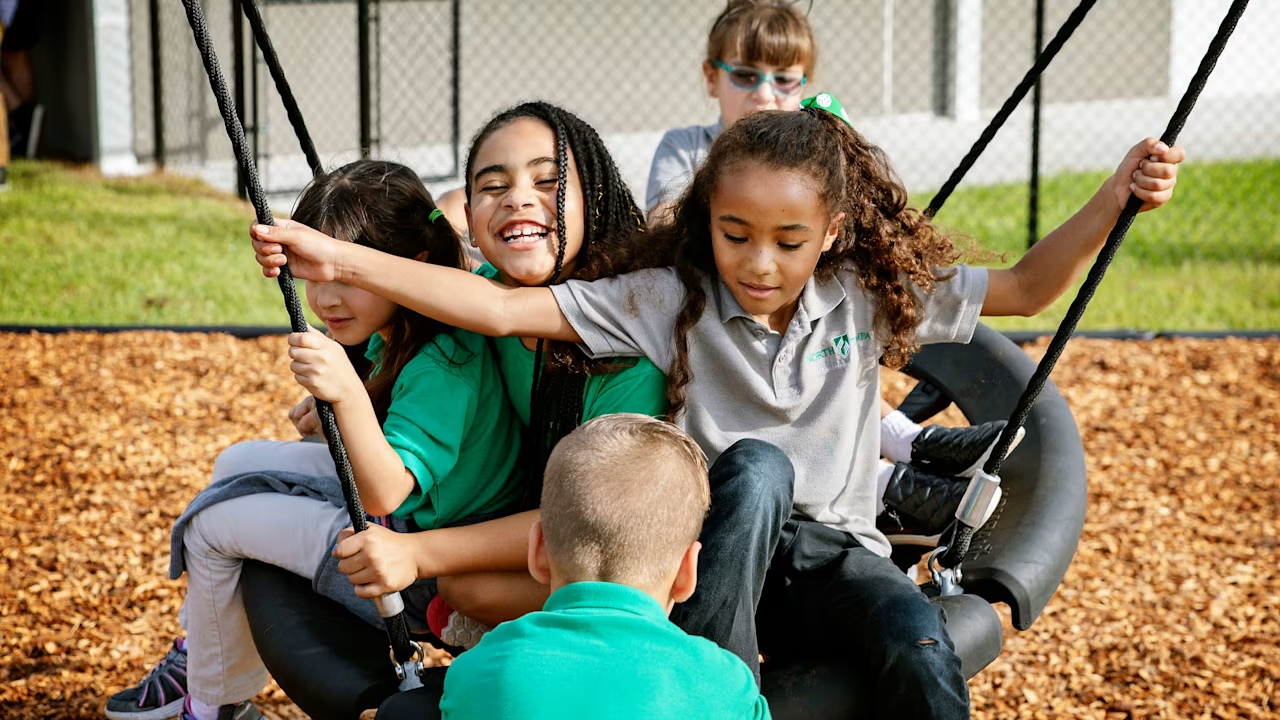
Inclusive design ensures every student can take part comfortably. Ground-level activities, accessible paths, sensory features, and quieter spaces make it easier for children with different needs and abilities to join the play in a way that feels safe and welcoming.
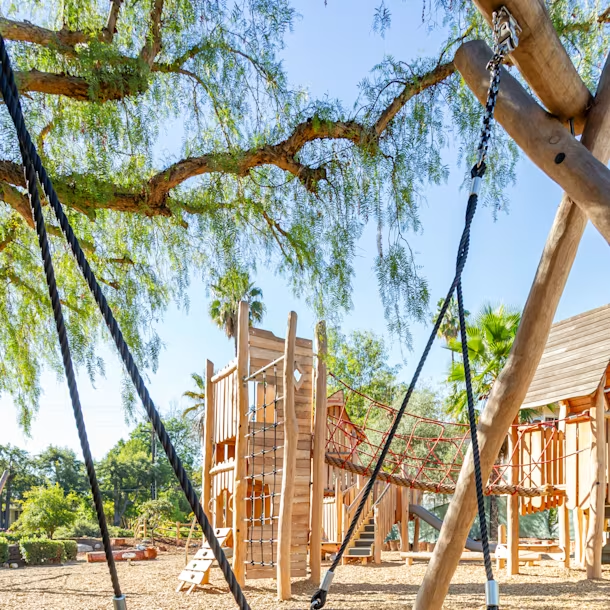
Design Principles & Standards Schools Can Trust
Critical Fall Heights, Safety Zones & Clearance
We help schools understand how equipment height and layout affect surfacing and spacing needs. This ensures the play area is safe, comfortable to navigate, and appropriate for different age groups and ability levels.
Standards & Compliance
Our designs follow the required safety standards and provide clear documentation to support school boards, procurement teams, and anyone involved in the approval process.
Supervision & Sightlines
We help shape layouts that reduce blind spots and make it easier for staff to monitor the playground. Simple decisions—like keeping pathways open—can make day‑to‑day supervision much smoother.
Risk–Benefit Balance
We support play experiences that offer the right amount of challenge while still meeting safety guidance. This helps students, especially older grades, build confidence in a safe environment.
Universal Design
We include ground‑level play, easy-to-navigate routes, sensory options, and quiet spaces so children with different needs and abilities can participate comfortably.
“At the Center for Creative Education and The Foundations School, every environment is intentionally designed. The Play Pitt is not an amenity, it is an extension of our educational model, where movement, creativity, and social development converge to advance student growth and academic achievement.”
- Jonathon Ortiz-Smykla, Chief Advancement Officer, Center for Creative Education, West Palm Beach, Florida

Customer Case
Center for Creative Education
When the Center for Creative Education explored new possibilities for an unused corner of their campus, they imagined an outdoor space that echoed the creativity inside its classrooms. That vision grew into a student‑shaped playground filled with countless opportunities to build physical, social‑emotional, cognitive, and creative skills.
And the impact has been clear:
"With this playground project, we committed to the idea that healthy minds and healthy bodies have to come together, and we've seen that come to life since we've opened the playground. We're seeing more cooperation, more collaboration, and greater self-esteem in and out of the classroom."
- Robert L. Hamon, President & CEO, Center for Creative Education
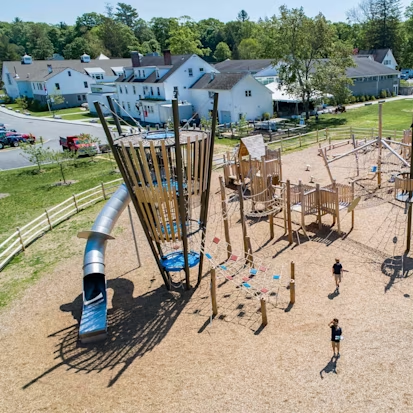
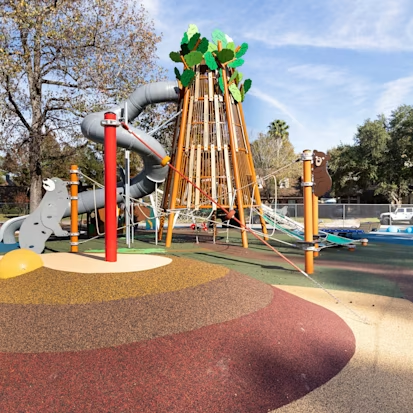
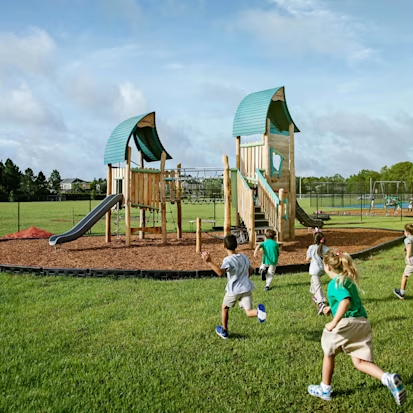
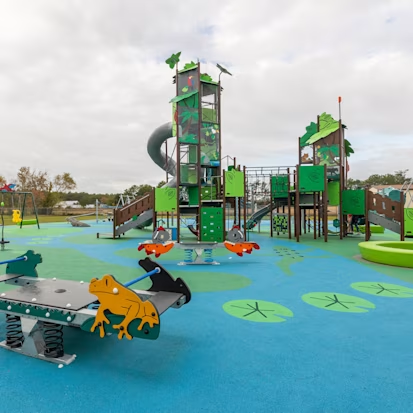
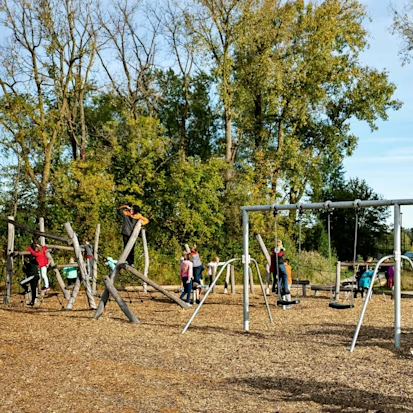
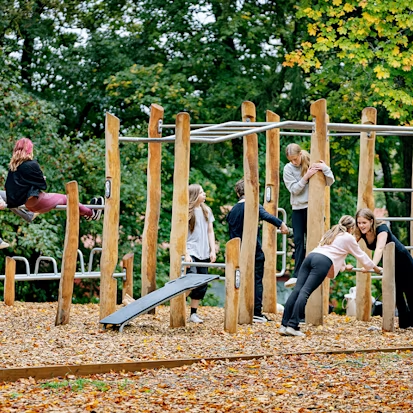
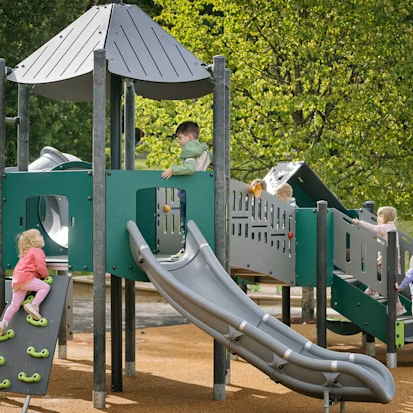
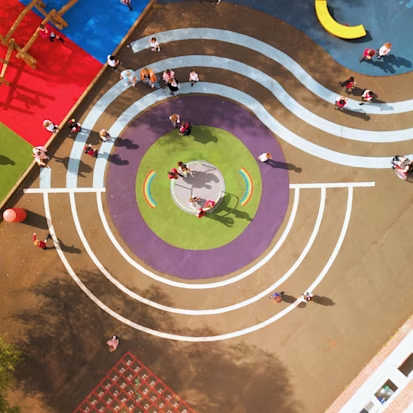
School Cases Around the World
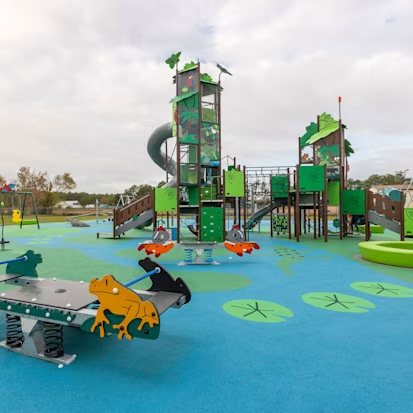
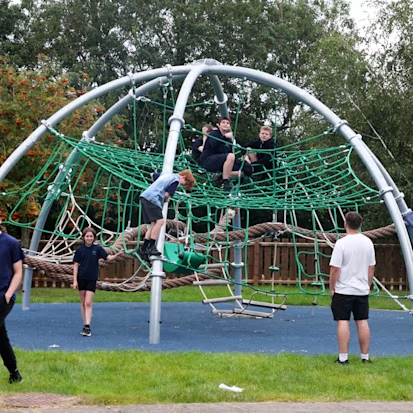
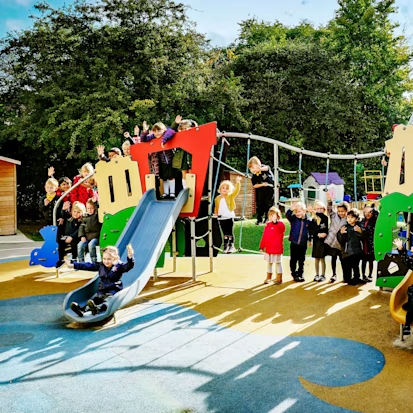
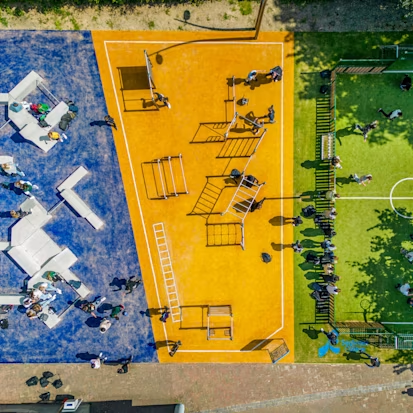
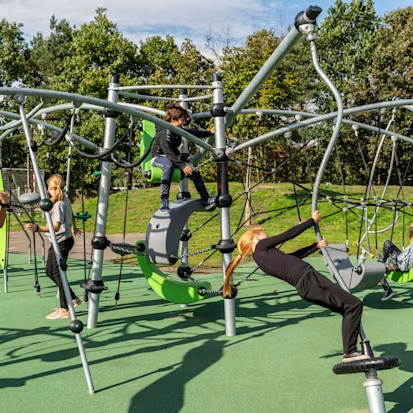

Getting Started
Here's a Little Help to Plan Your School Playground


Frequently Asked Questions
Regular inspections keep your playground safe. Quick checks during the week help catch small issues early, and more detailed monthly or seasonal reviews ensure equipment and surfacing stay in good condition.
Poured rubber and wood fibre each have advantages. Rubber needs less day‑to‑day care and stays in place, while wood fibre costs less upfront but needs regular refills. Some schools choose a mix to get the best of both.
To prevent bottlenecks, offer more than one way into popular play areas and spread challenges across the yard. Adding social hangout spots gives older kids alternatives when equipment is busy.