NRO108
Butterfly Seesaw
Age Group
3+ Years
Capacity
4
Inclusive
Yes
Product category
NRO108
Butterfly Seesaw
Specifications
Butterfly Seesaw
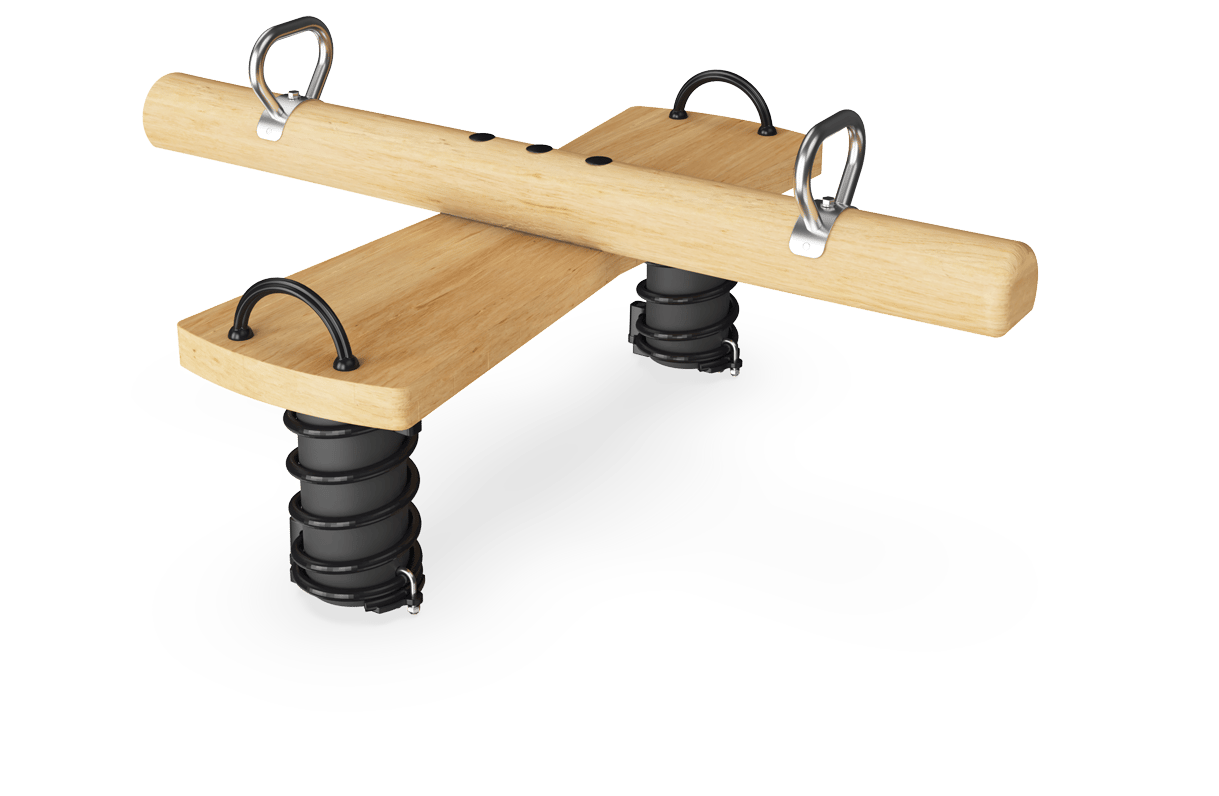
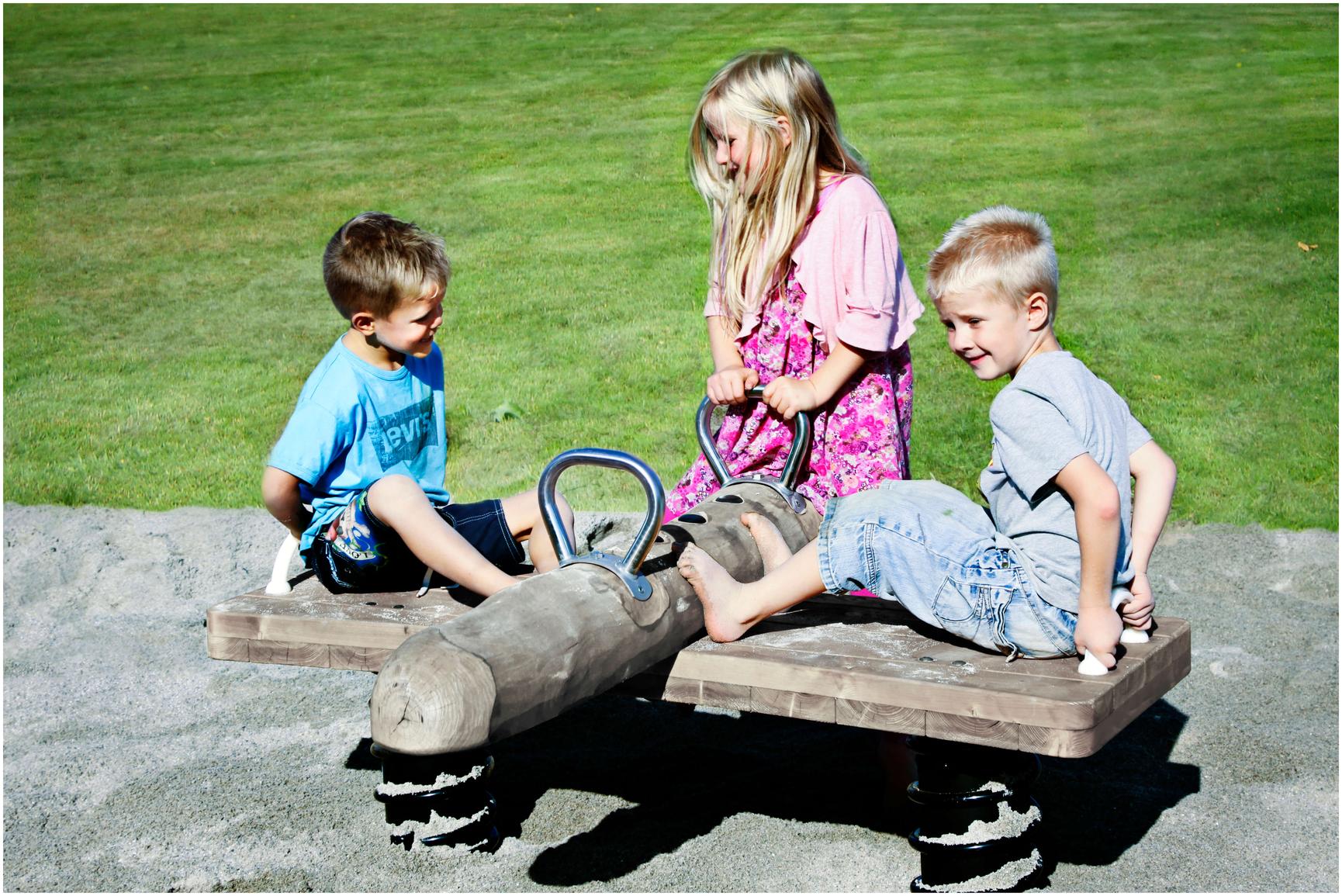
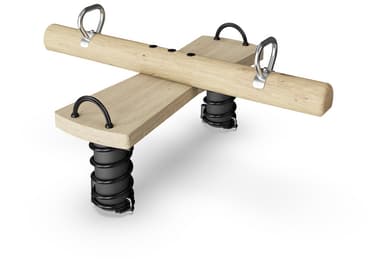
The Butterfly Seesaw takes the classic seesawing to new social heights: thanks to the springs, unequal numbers can play together. Children can even play this alone. That allows for varied play, a feature that will attract children again and again, for shorter or longer try-outs. The sense of space and rhythm and leg and arm strength of children is trained when they rock and seesaw. The two varied surfaces, a flat horizontal and a rounded horizontal, allows for more body positions: sitting, kneeling, lying. This accommodates a wider span of users, both age and ability-wise. Rocking trains the senses of balance and space. These are both crucial for body confidence, e.g. in avoiding falling. Doing this more children together develops important social-emotional skills such as turn- taking and cooperation.
This product, Butterfly Seesaw (NRO108), is provided by KOMPAN Middle East (MEA).
Length
160 cm
Width
140 cm
Height
70 cm
Fall Space Length
380 cm
Fall Space Width
340 cm
Age Group
3+ Years
Key user group
3 - 8 Years
Capacity
4
Inclusive
Yes
Product category
Nature Playgrounds
Product line
Nature Freestanding Play Equipment
Product Highlights
Quality that lasts
All Organic Robinia products by KOMPAN are made of Robinia wood from sustainable European sources. On request it can be supplied as FSC® Certified (FSC® C004450).
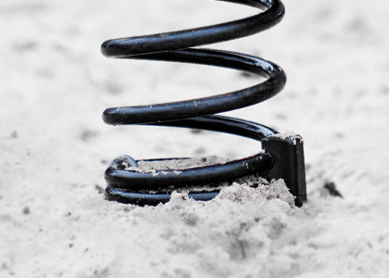
KOMPAN Springs are made of high quality spring steel according to EN10270. The springs are cleaned by phosphating before they are painted with an epoxy primer and a polyester powder coating as top finish. The springs are fixed by unique anti pinch fittings for maximum safety and long lifetime.
The Robinia wood can be supplied as untreated raw wood or painted with a brown coloured transparent pigment that maintains the golden wood colour of the wood.
Play Activities

Balance
4

Rock
1

Sensory
4

Socialize
1
Each play activity represents a type of play experience, such as balancing, social interaction, climbing, or sensory exploration. The number indicates how many opportunities the product offers for children to engage in that activity. Together, these activities help create a varied and developmentally rich play experience.
CO₂ emission
Sustainability Data
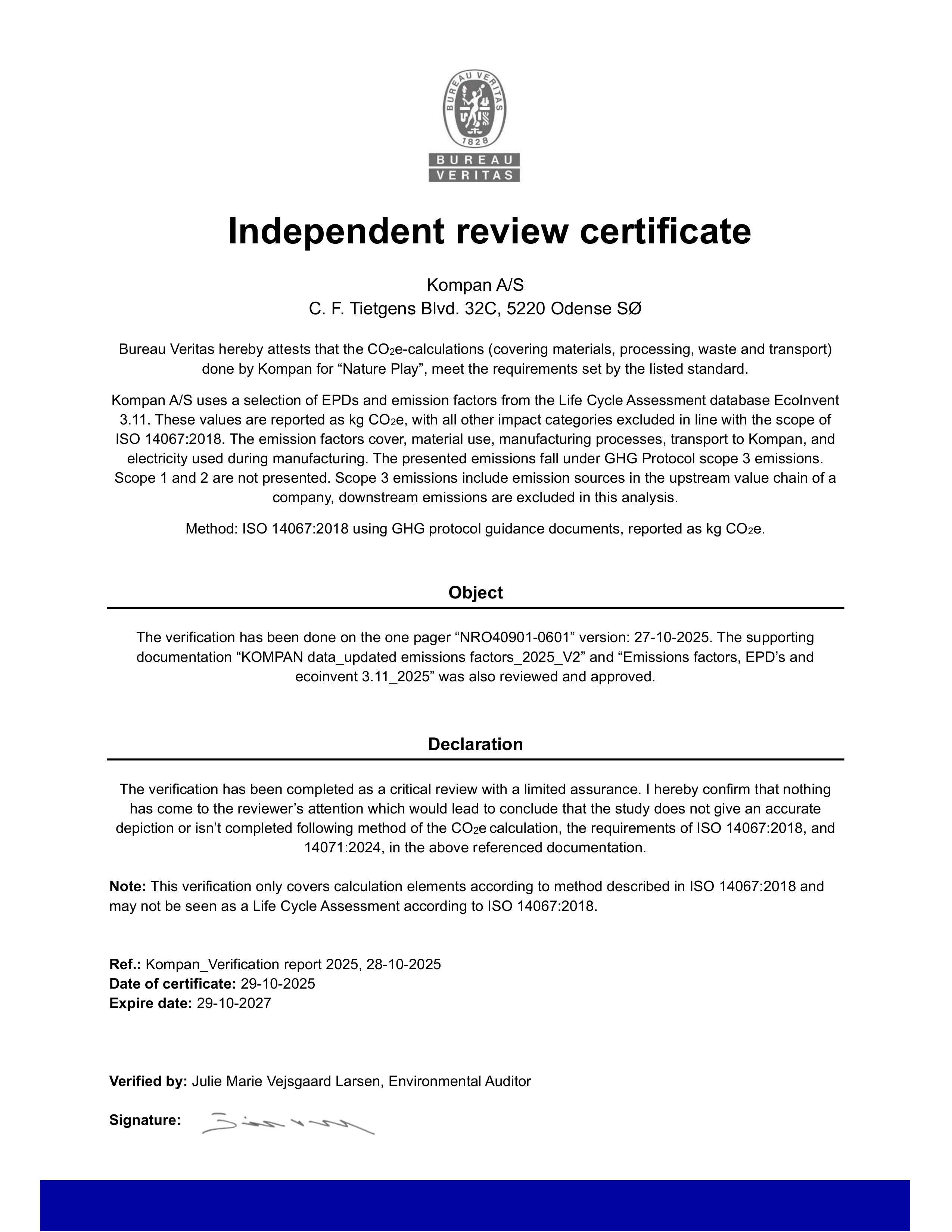
Our product and sustainability data validation help customers make informed sustainable buying choices based on methods validated by Bureau Veritas.
NRO108-0401
267.98
Total CO₂ emission (kg CO₂e)
2.44
CO₂e/kg (kg CO₂e/kg)
16.15%
Recycled materials
The overall framework applied for these factors is the Environmental Product Declaration (EPD), which quantifies "environmental information on the life cycle of a product and enable comparisons between products fulfilling the same function" (ISO, 2006). This follows the structure and applies a Life-Cycle Assessment approach to the entire Product stage from raw material through manufacturing (A1-A3).