From waste to play value
From waste to play value
Being a global manufacturer of playgrounds, approximately 80 percent of our carbon emissions come from the raw materials we produce and use. Consequently, we at KOMPAN are always on the lookout for ways to reduce our environmental footprint.
One of our numerous initiatives focuses on utilising materials with minimal impact on the environment, turning what was once considered waste into the building blocks of laughter and learning for children and childlike spirits.
We focus on utilising materials with minimal impact on the environment, turning what was once considered waste into the building blocks of laughter and learning for children and childlike spirits.
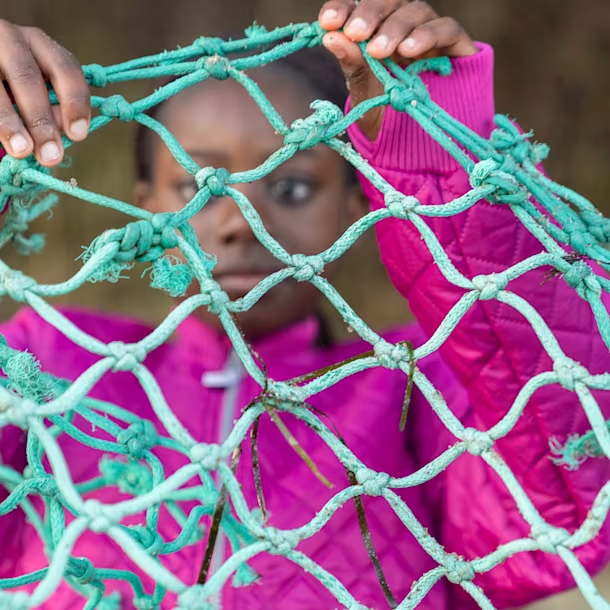
Outworn fishing nets
Annually, over 640,000 tons of fishing equipment are abandoned in the oceans. The amount of plastic in the oceans will surpass the total weight of all fish by 2050.
Fishing nets are primarily made of different kinds of plastic. Modern recycling methods are emerging, allowing the large amounts of fishing nets collected to be recycled in various ways, for example as nylon yarn for the fashion industry.
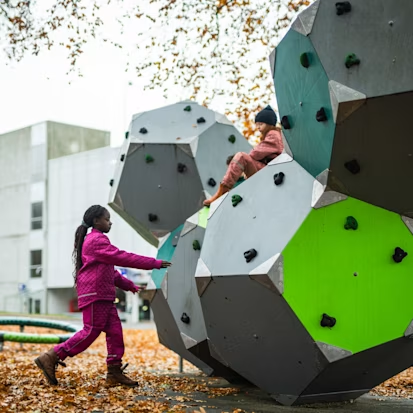
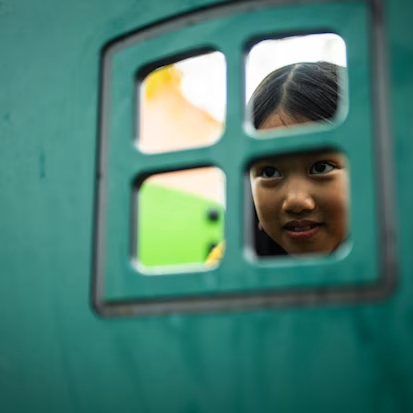
At KOMPAN, we use outworn fishing nets for different types of play equipment. An example is our panels, where the fishing nets are shredded into small pieces. Afterward, these are pelletised and transformed into climbing structures and panels.
Back in the day, all our panels were made from 100 percent virgin plastic. However, by replacing virgin plastic with ocean waste – – we reduce carbon emissions on the panels by 81.7 percent CO2e/kg.
By replacing virgin plastic with ocean waste – a post-consumer source – we reduce carbon emissions on the panels by 81.7 percent CO2e/kg.
Textile waste
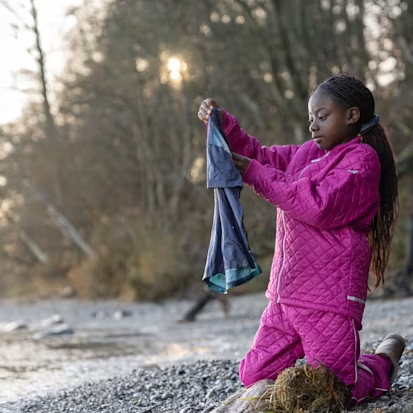
The world’s textile waste increased by more than 900 percent from 1960 to 2021, with recycled textile materials used in textile production accounting for only one percent.
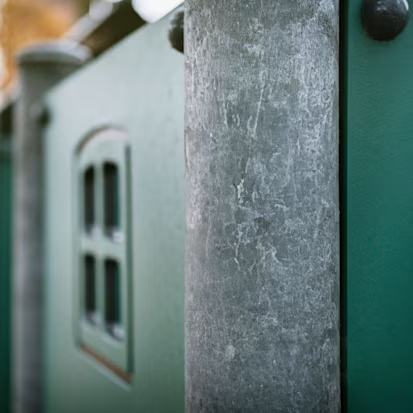
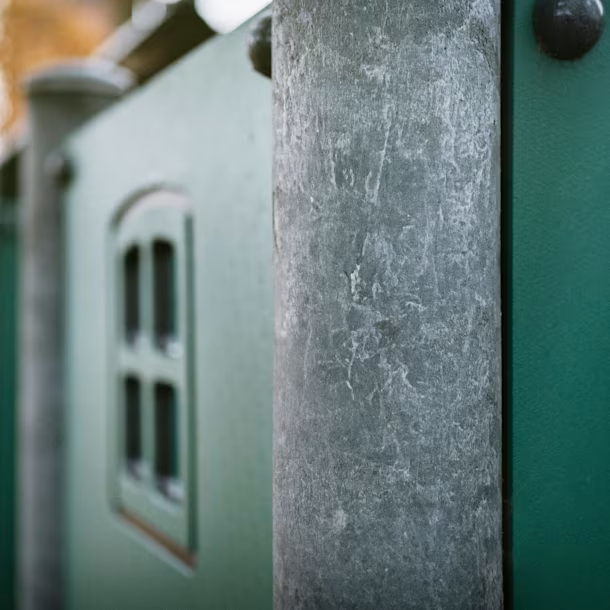
Fortunately, other industries have started to recognise the potential of textile waste. At KOMPAN, textiles have proven very useful for posts, where the textile is processed and combined with . We call this TexMadeTM.
With TexMadeTM, we have transformed our traditional steel posts so that now they are made from post-consumer textiles and post-consumer plastic bags. The outcome is a robust playground post with an 82 percent reduction in carbon emissions per kg, compared with a pre-galvanised steel post.
재활용 소재 관련 Q&A
신소재/신재생 소재를 대체할 수 있다면 모든 재활용 소재를 사용하는 것이 더 좋습니다. 그러나 산업 후 품질과 소비자 후 품질 중 하나를 선택할 때 소비자 후 품질이 훨씬 더 많은 CO2e를 절감합니다. 소비 후 품질을 사용하는 것은 더 어려운 작업입니다. 소비 후 품질을 사용하면 폐기물을 다시 사용하기 전에 수거, 분류 및 청소해야 합니다. 그러나 재료가 저장되어 다시 사용할 수 있으므로 새로운 재료가 유입되는 것을 막고 폐기물이 소각되거나 매립되는 것을 방지하여 환경을 보호할 수 있습니다.
한국중부발전은 중고 섬유, 어망, 식품 포장재 소비 후 폐기물 등 좁은 범위의 소비 후 폐기물을 사용하고 있습니다. 매우 광범위한 폐기물을 사용할 때보다 품질을 더 잘 관리할 수 있습니다. 생활 폐기물은 다양한 출처가 섞여 있을 수 있습니다.
저희는 최고 수준의 품질 기준을 갖춘 공급업체만 사용합니다. 고품질의 공급업체로부터 폐기물을 공급받는 것은 매우 중요합니다. 저희는 공급업체를 정기적으로 방문하여 긴밀한 관계를 유지하고 있습니다. 또한 고품질을 보장하기 위해 사용하는 모든 재료에 대한 테스트를 실시하고 있습니다. 높은 품질과 안전 기준을 타협하지 않으며, 이러한 기준은 재활용 자재의 품질에도 완벽하게 적용됩니다.
저희 제품에 사용되는 해양 폐기물은 유로파 및 북극해에서 발생합니다. 이는 어망, 밧줄, 트롤 등 해양 산업에서 수거된 소비 후 폐기물을 기반으로 합니다.
모든 재활용 소재에는 자외선 차단 기능이 추가됩니다. 라파의 일부 재활용 소재에는 색소가 첨가되지 않았으며, 어망 등에서 추출한 자연스러운 색상을 사용합니다. 색상은 다를 수 있습니다. 자외선 차단 기능만 추가하고 어망 등의 자연스러운 색상은 그대로 유지합니다.

탐색, 학습, 디자인: 친환경 놀이터
놀이터 구성 요소에 재활용 소재를 사용하는 방법에 대해 자세히 알아보세요.