NRO916
Robinia Flower Swing
Age Group
1+ Years
Capacity
1
Inclusive
Yes
Product category
NRO916
Robinia Flower Swing
Specifications
Robinia Flower Swing
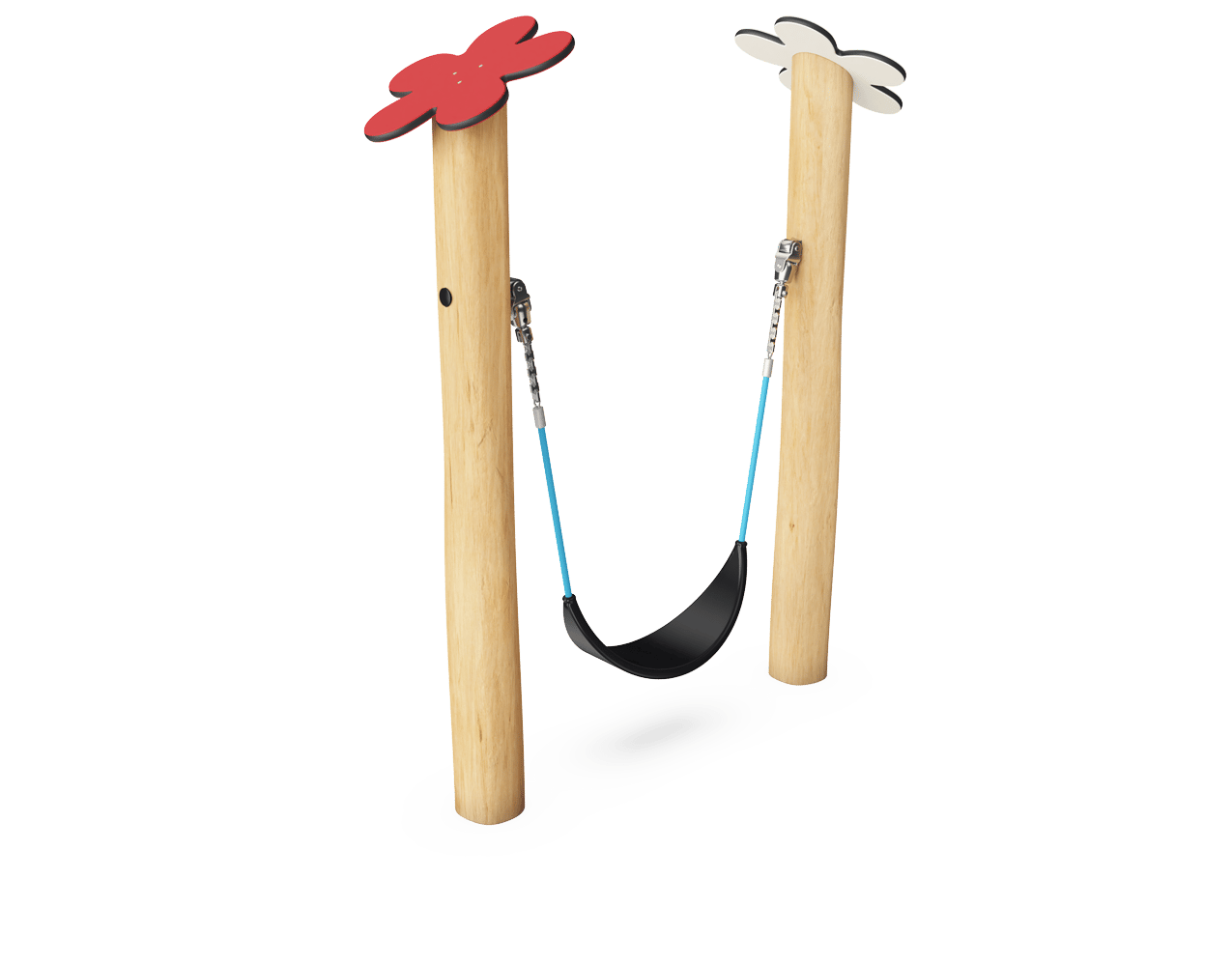
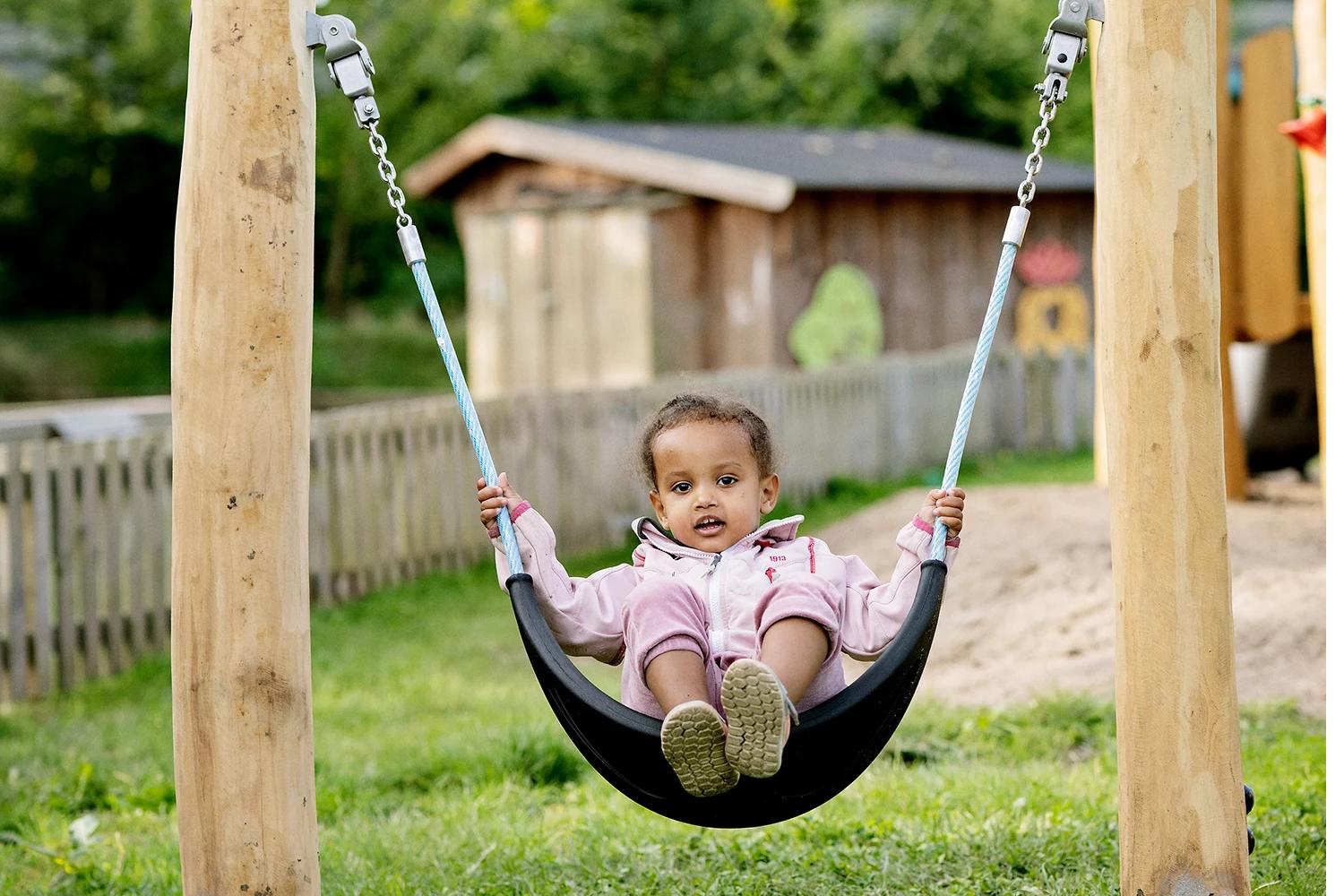
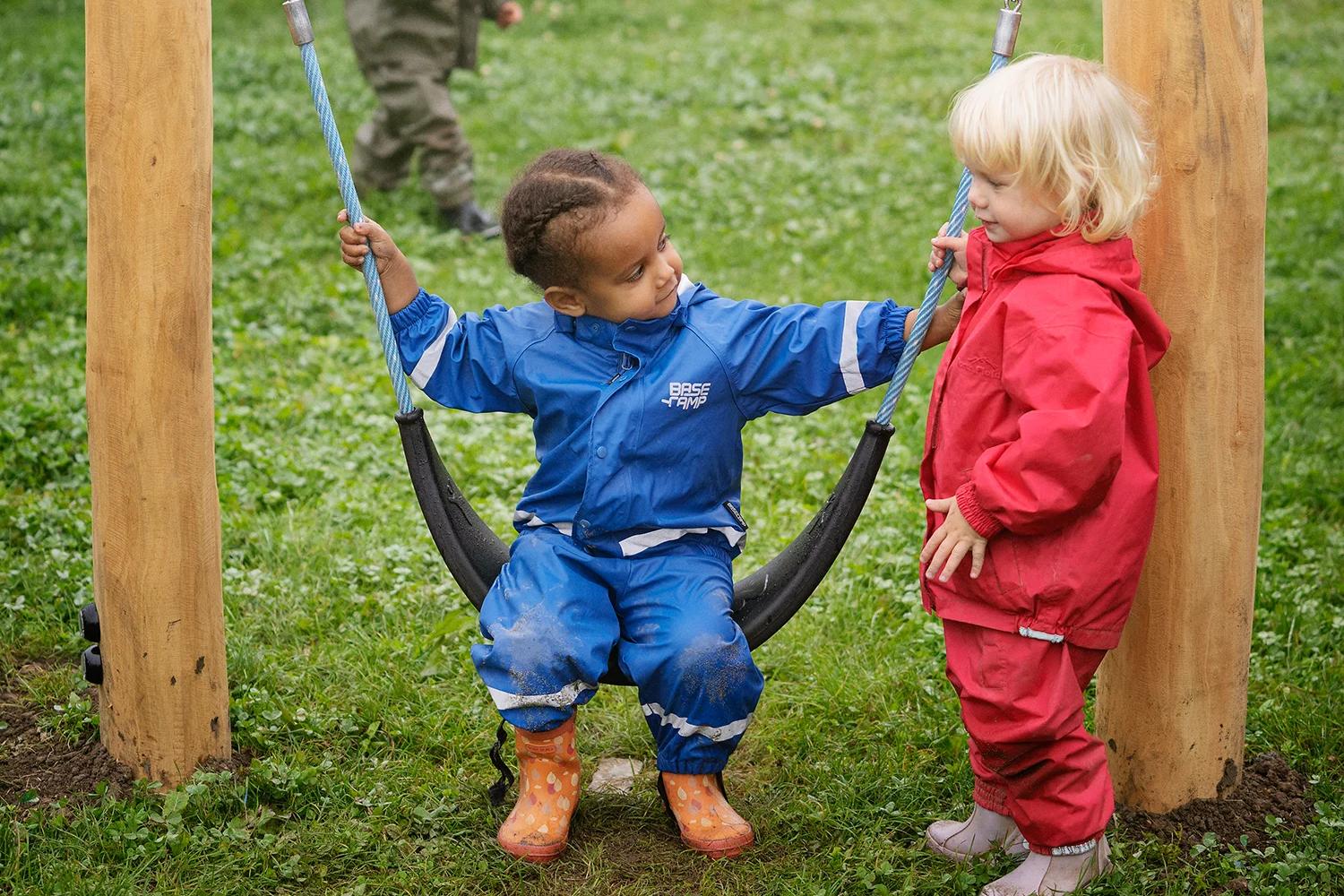
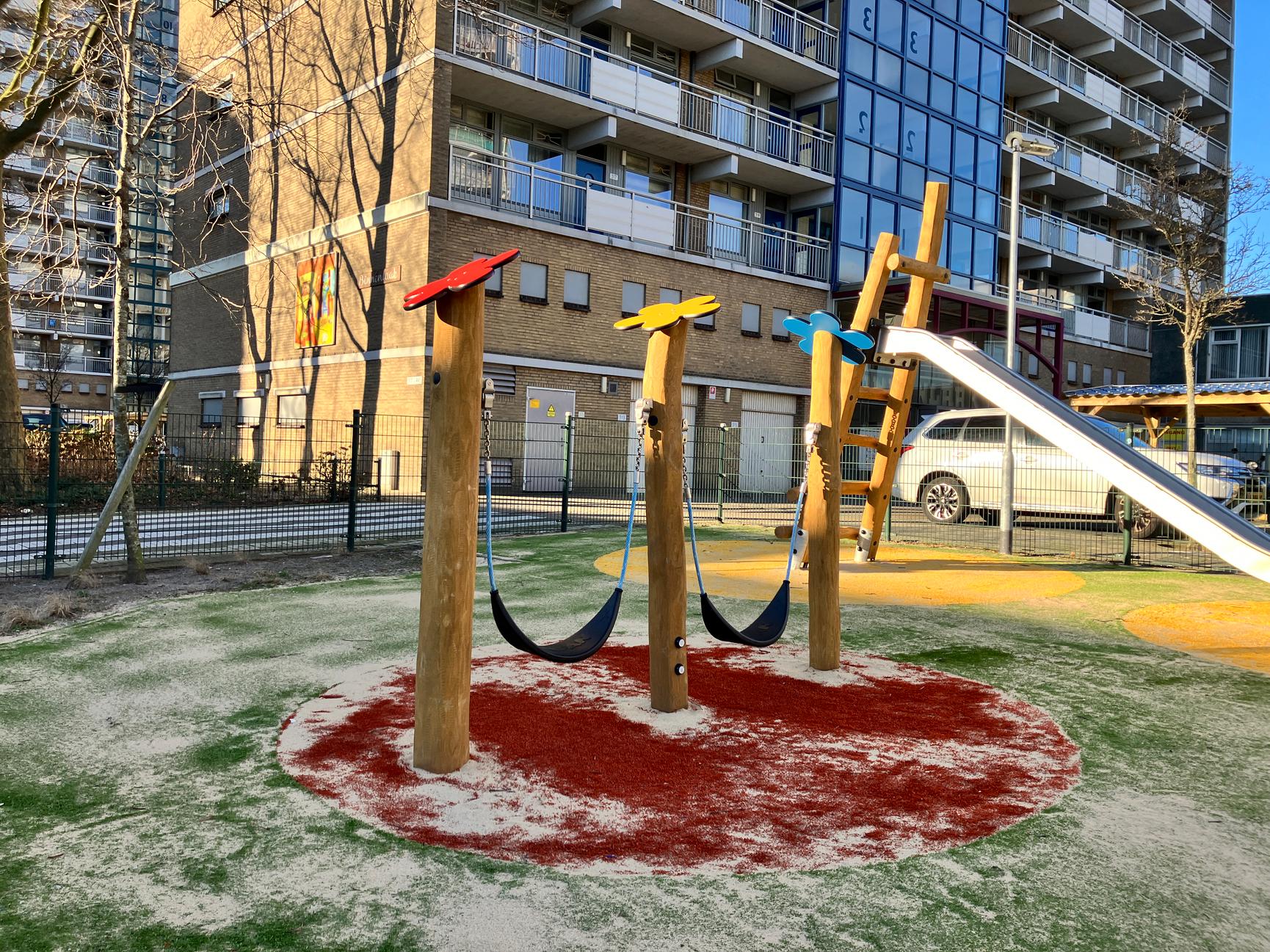
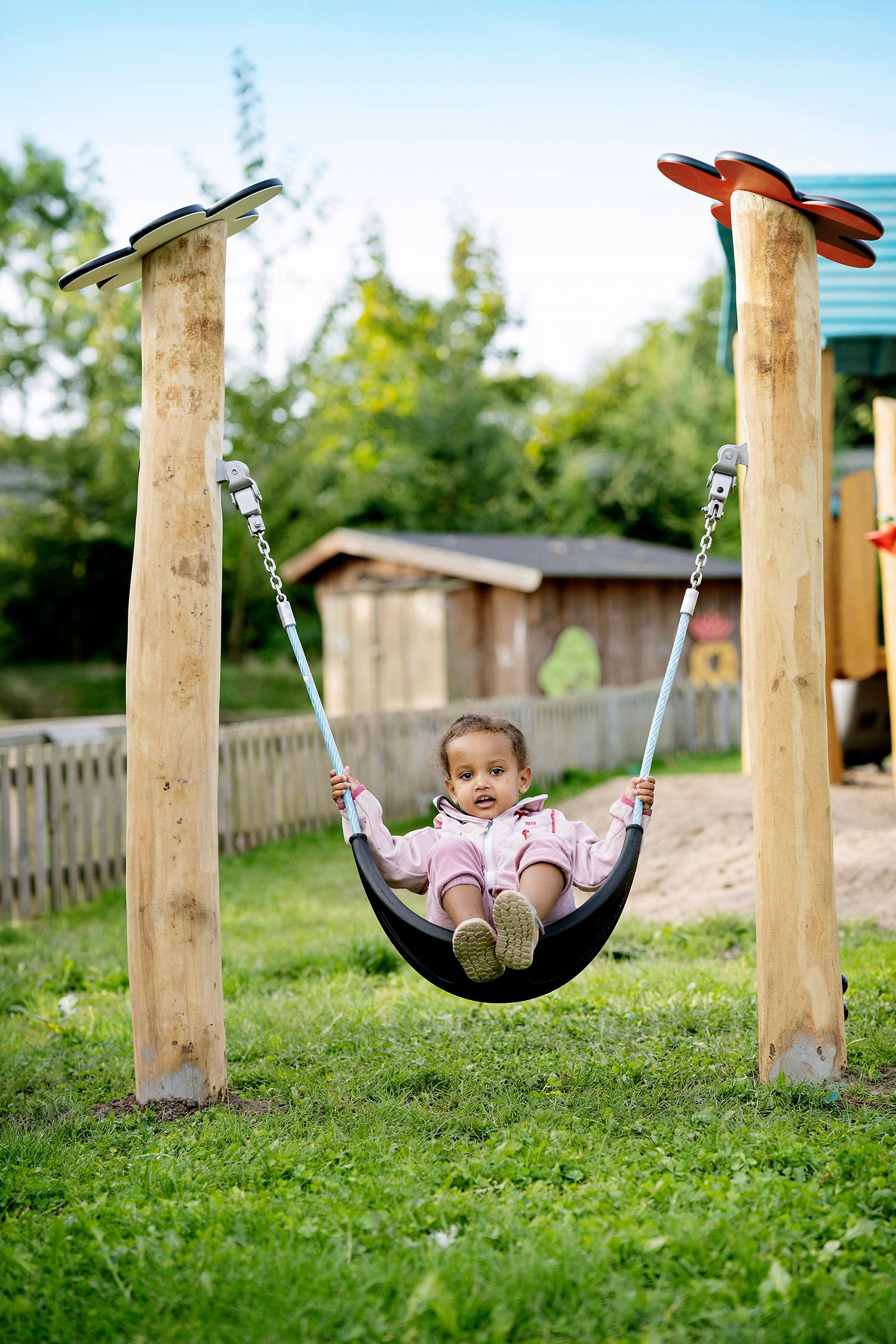
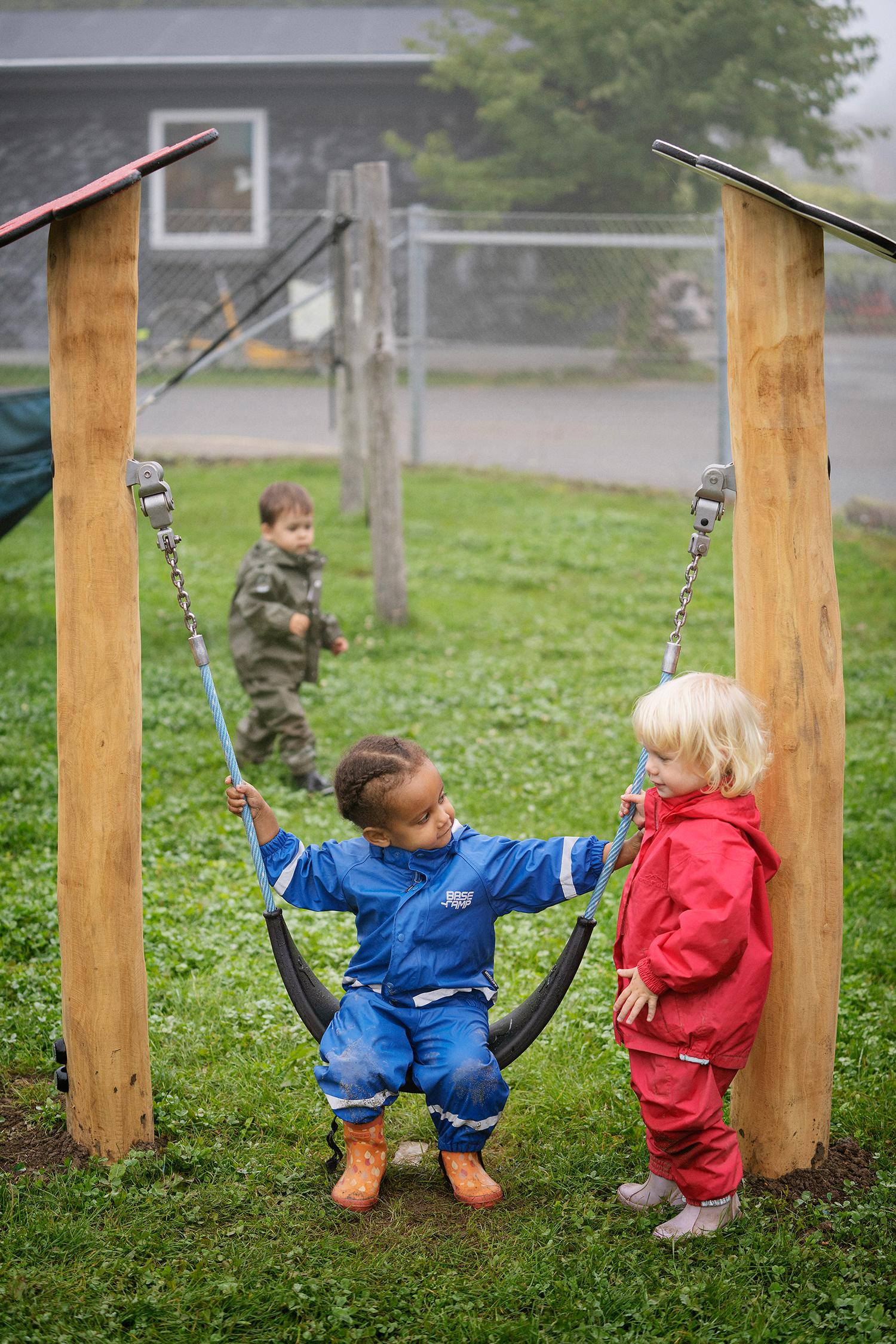
The daisies on the swing poles add a whimsical expression that radiates play to toddlers. The sturdy rubber seat is placed in the exact right height for a child to lean in and lie on the stomach. This serves two purposes: the child can swing and swing independently. When the child push with the feet, the swing movement starts and trains the child's motor skills, specifically the sense of balance and space. Furthermore, the understanding of cause and effect has a great impact on the thinking and cognitive skills of the child. The emotional value of being able to manage independently is priceless for toddlers and stimulates their self esteem and widens their physical comfort zone. Parents, older siblings and friends can easily join the fun.
This product, Robinia Flower Swing (NRO916), is provided by KOMPAN Middle East (MEA).
Length
147 cm
Width
47 cm
Height
173 cm
Fall Space Length
175 cm
Fall Space Width
480 cm
Age Group
1+ Years
Key user group
1 - 4 Years
Capacity
1
Inclusive
Yes
Product category
Nature Playgrounds
Product line
Nature Freestanding Play Equipment
Product Highlights
Quality that lasts
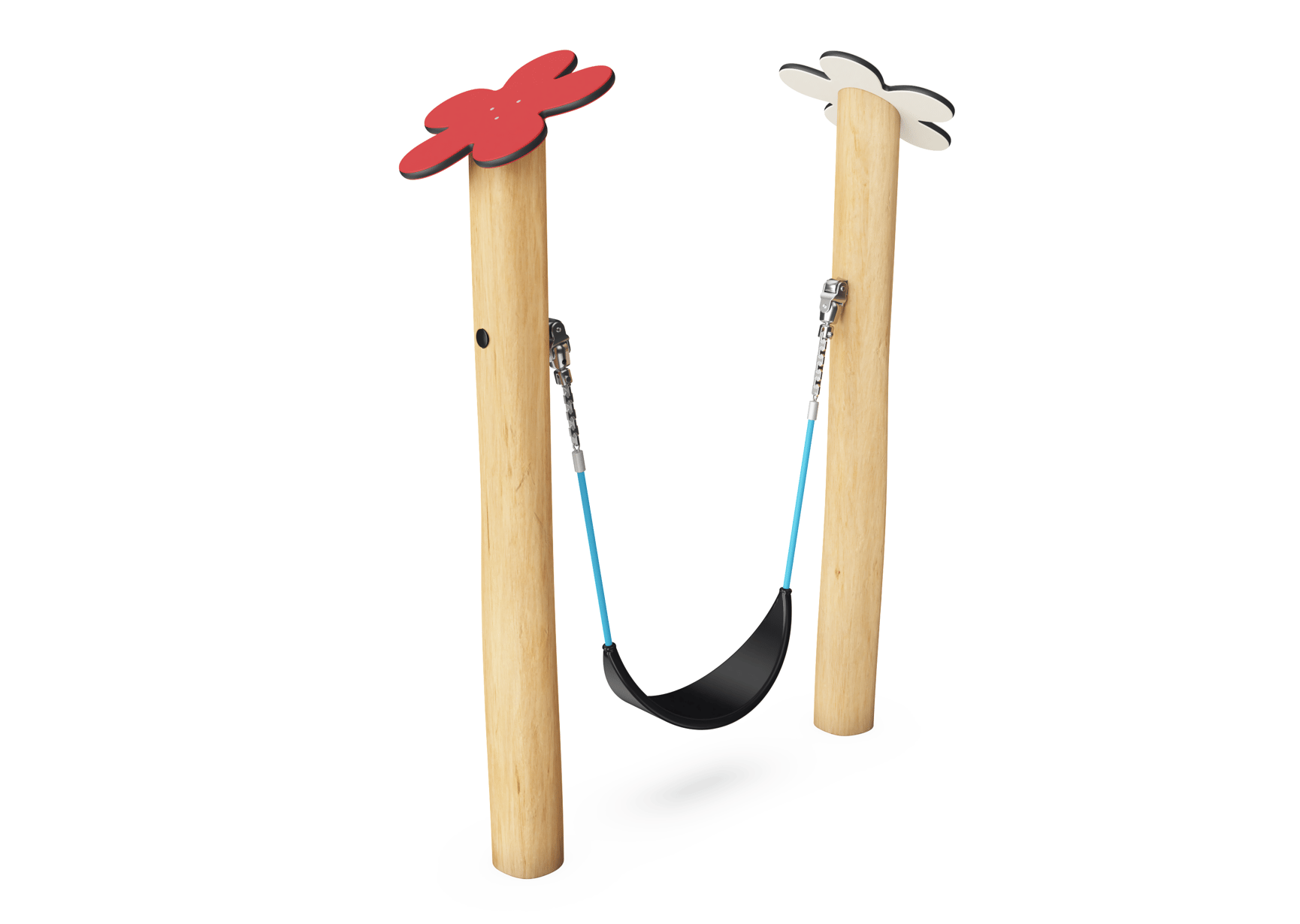
All Organic Robinia products by KOMPAN are made of Robinia wood from sustainable European sources. On request it can be supplied as FSC® Certified (FSC® C004450).
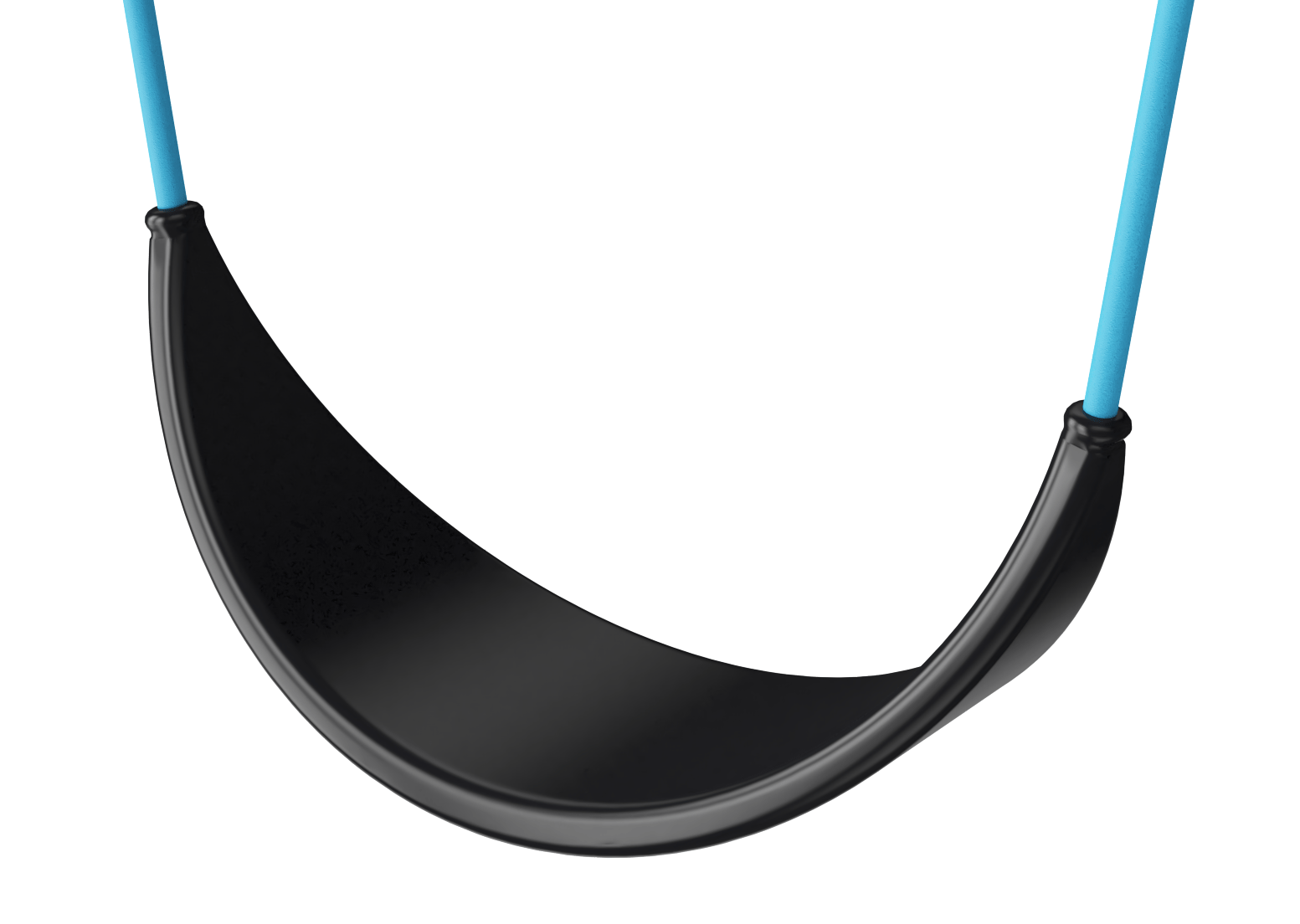
The belt seat is made of UV stabilized PUR. It retains its properties in the temperature range of -30°C to 60°C. The ropes are made of UV-stabilized PP rope with inner steel cable reinforcement and outside layer of transparent PUR.
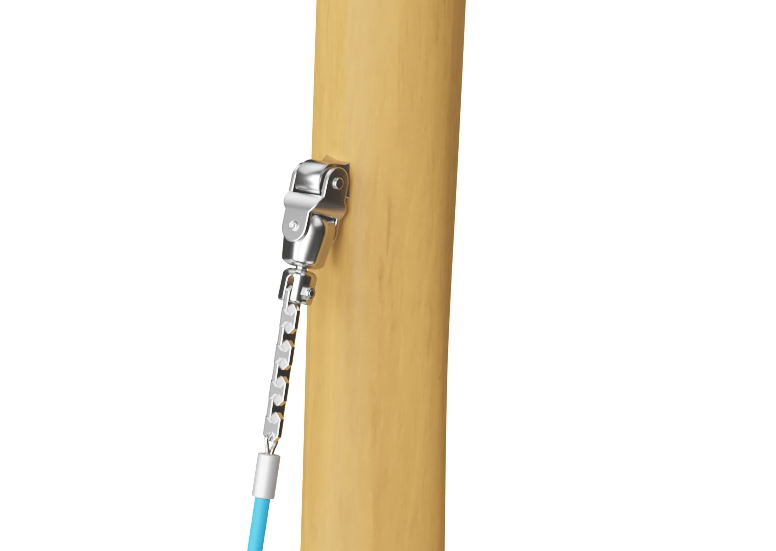
The swing hangers are made of stainless steel brackets and can move over two axis. The flange bearings are silicone enriched to make the suspension maintenance free. The connection to the rope is made with stainless steel chain.
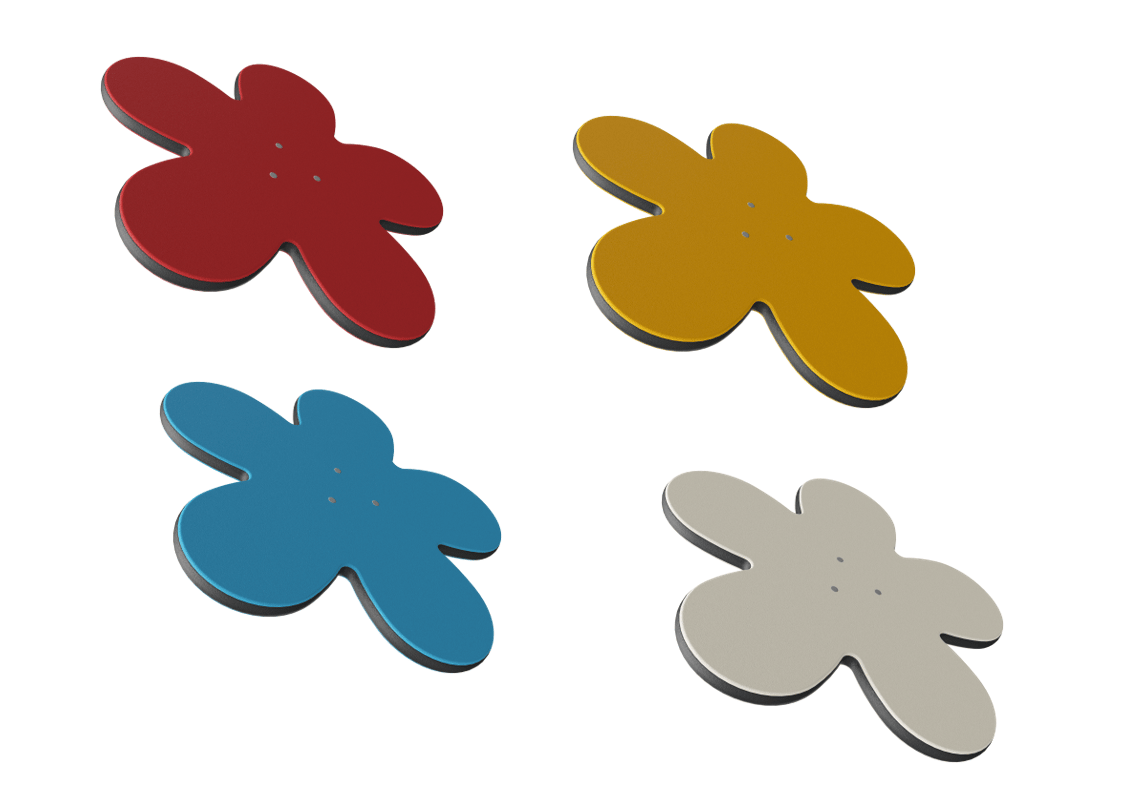
Flowers of 19mm CircularHDPE. CircularHDPE is a highly durable, eco-friendly material, which is not only recyclable after use, but also consists of material produced from +95% recycled post-consumer material from food packing waste.
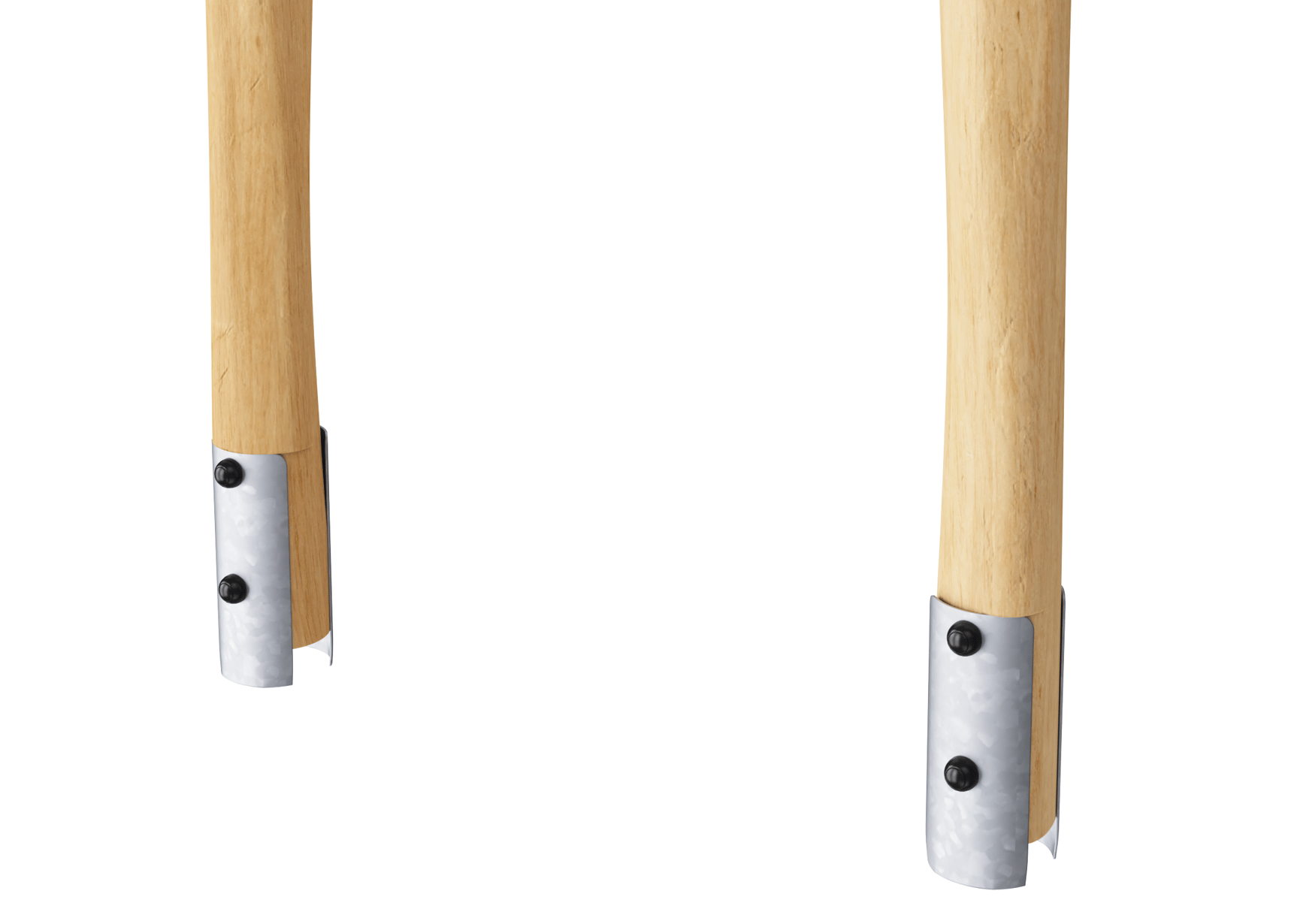
The robinia posts are available as wood in-ground anchoring or hot dip galvanized steel in-ground footings.
Play Activities

Balance
1

Jump
1

Sensory
6

Socialize
1

Swing
1
Each play activity represents a type of play experience, such as balancing, social interaction, climbing, or sensory exploration. The number indicates how many opportunities the product offers for children to engage in that activity. Together, these activities help create a varied and developmentally rich play experience.
CO₂ emission
Sustainability Data
Our product and sustainability data validation help customers make informed sustainable buying choices based on methods validated by Bureau Veritas.
NRO916-1001
66.62
Total CO₂ emission (kg CO₂e)
0.68
CO₂e/kg (kg CO₂e/kg)
6.32%
Recycled materials
The overall framework applied for these factors is the Environmental Product Declaration (EPD), which quantifies "environmental information on the life cycle of a product and enable comparisons between products fulfilling the same function" (ISO, 2006). This follows the structure and applies a Life-Cycle Assessment approach to the entire Product stage from raw material through manufacturing (A1-A3).