M188
Little Duckling
Age Group
1+ Years
Capacity
1
Inclusive
Yes
Product category
M188
Little Duckling
Specifications
Little Duckling
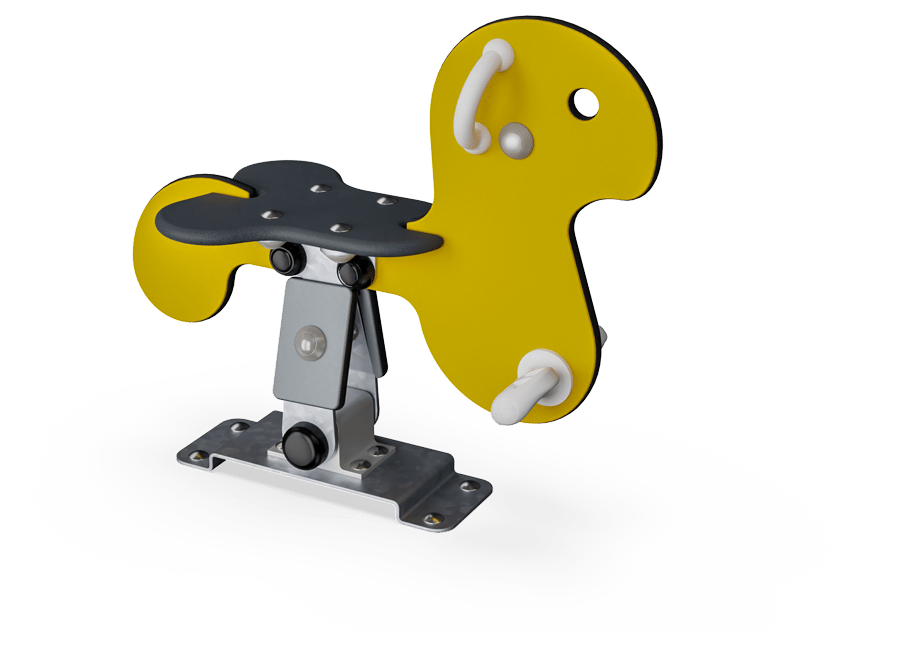
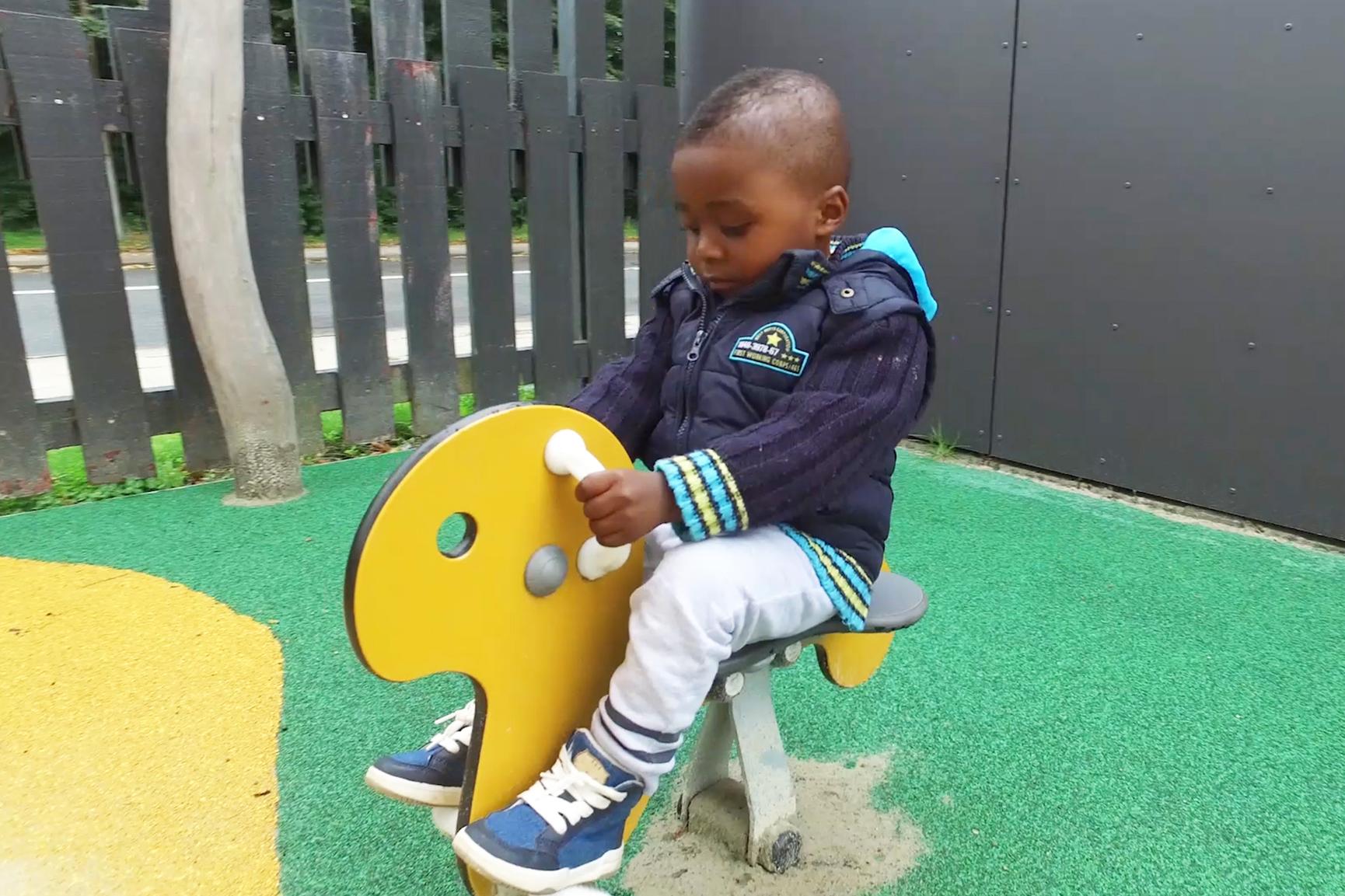
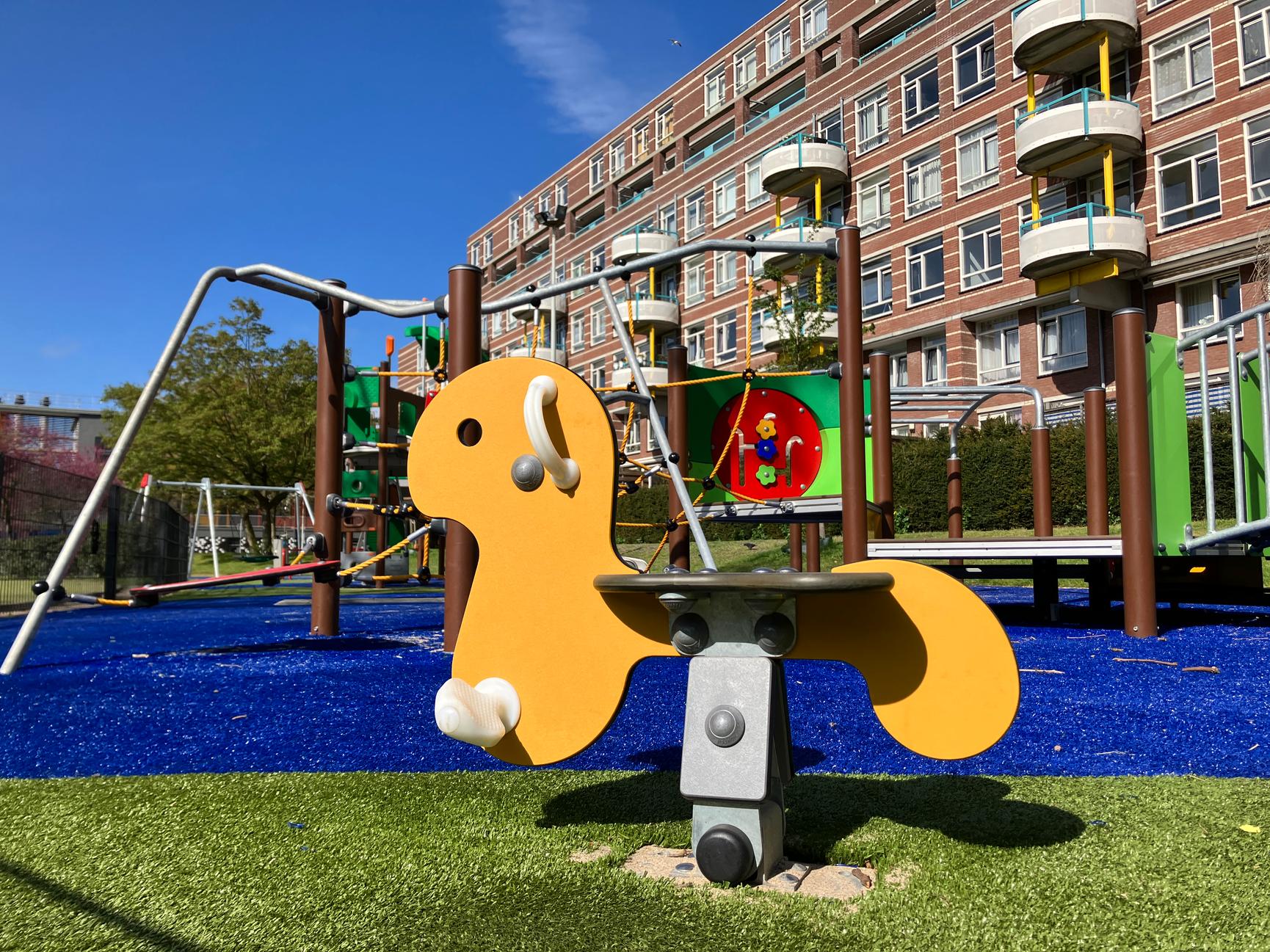
Wow! The whimsical bird-look of the Little Duckling is a play attractor. And it rocks! Rocking is a thrilling activity that attracts young children immensely. It is not only fun, but helps to build physical and cognitive skills as well. The rocking movements of the Little Duckling respond to the child's own forward and backward movements. This takes coordination and it develops spatial awareness and a sense of balance. These are fundamental motor skills that help the child move confidently as well as sit still on a chair. The trunk stability is trained, supporting that. The responsive movements also help children to be aware of cause and effect: When they move their body, it has an impact on the Little Duckling. This understanding widens the infant's world and builds a fundament for understanding logical thinking.
This product, Little Duckling (M188), is provided by KOMPAN Middle East (MEA).
Length
28 cm
Width
66 cm
Height
58 cm
Fall Space Length
228 cm
Fall Space Width
286 cm
Age Group
1+ Years
Key user group
1 - 4 Years
Capacity
1
Inclusive
Yes
Product category
Classic Playgrounds
Product line
Classic Freestanding Play Equipment
Product Highlights
Quality that lasts
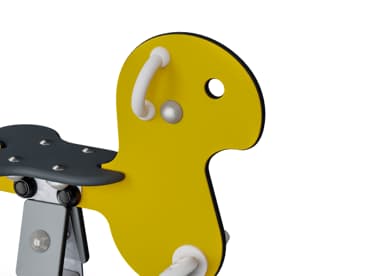
Panels of 19mm CircularHDPE. CircularHDPE is a highly durable, eco-friendly material, which is not only recyclable after use, but also consists of material produced from +95% recycled post-consumer material from food packing waste.
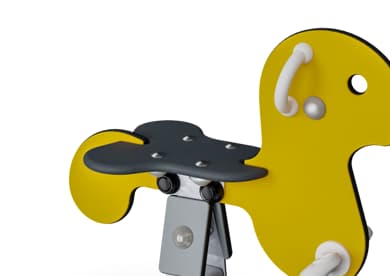
Seat is made of HPL with a thickness of 17.8mm with a very high wearing strength and a unique KOMPAN nonskid surface texture.
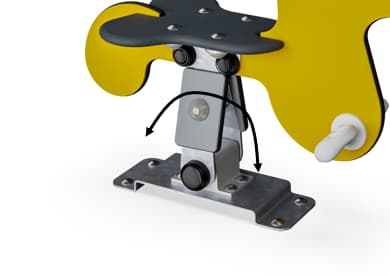
The rocking movement over axis is made by heavy duty scaled ROSTA torsion spring element. The ROSTA element works without any noise and requires low maintenance.
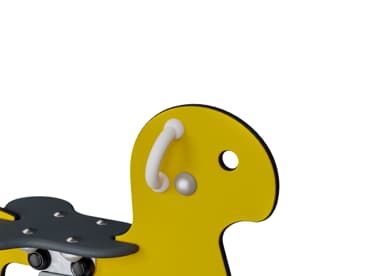
Handholds and footrests are made of injection moulded high quality nylon (PA6). PA6 has good wearing and impact strength.
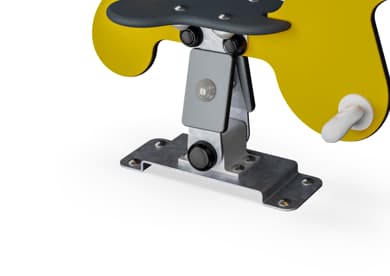
The steel surfaces are hot dip galvanised inside and outside with lead free zinc. The galvanisation has excellent corrosion resistance in outside environments and requires low maintenance.
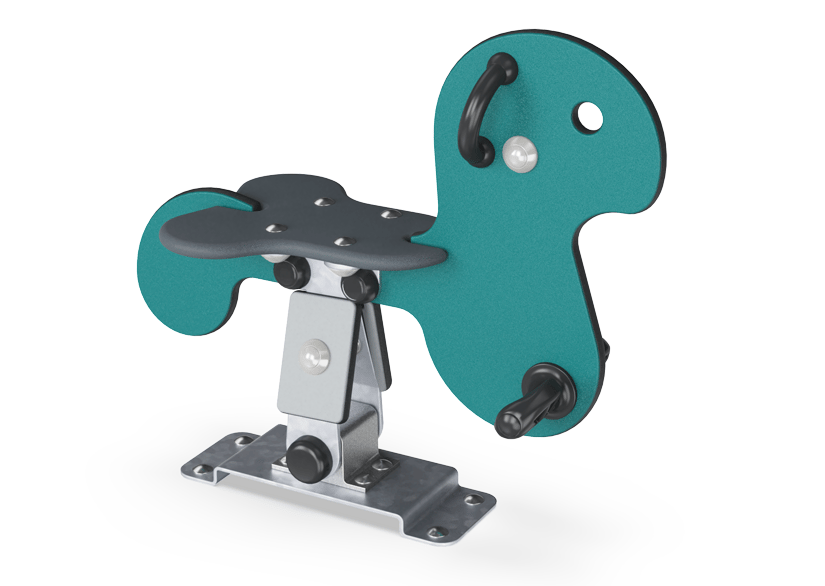
KOMPAN GreenLine versions are designed with the ultimate environmentally friendly materials, featuring the lowest possible CO2e emission factor, such as CircularHDPE panels made from +95% post-consumer recycled ocean waste.
Play Activities

Balance
1

Dramatic play
1

Rock
1

Sensory
5
Each play activity represents a type of play experience, such as balancing, social interaction, climbing, or sensory exploration. The number indicates how many opportunities the product offers for children to engage in that activity. Together, these activities help create a varied and developmentally rich play experience.
CO₂ emission
Sustainability Data
Our product and sustainability data validation help customers make informed sustainable buying choices based on methods validated by Bureau Veritas.
M18801-01P
79.4
Total CO₂ emission (kg CO₂e)
4.62
CO₂e/kg (kg CO₂e/kg)
41.04%
Recycled materials
The overall framework applied for these factors is the Environmental Product Declaration (EPD), which quantifies "environmental information on the life cycle of a product and enable comparisons between products fulfilling the same function" (ISO, 2006). This follows the structure and applies a Life-Cycle Assessment approach to the entire Product stage from raw material through manufacturing (A1-A3).