FSW215
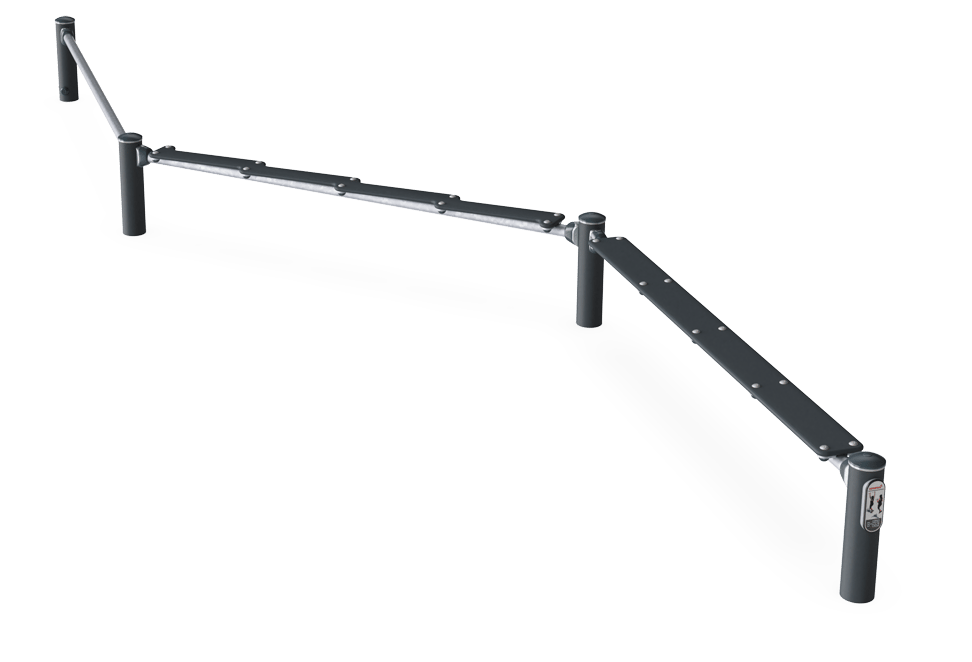
Balance Beam
- +9
13+ Years
28 m2
3 Users
Outdoor Obstacle Course Equipment for Adults
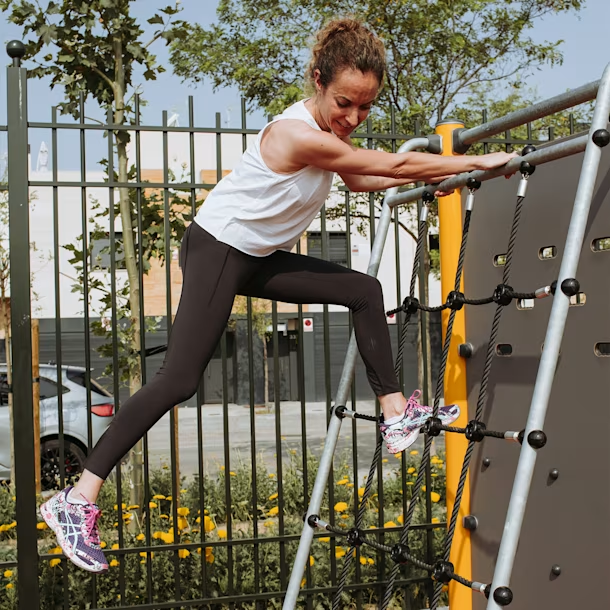
Obstacle courses bring dynamic movement into urban developments, townships, and public parks. They offer a structured way for residents and visitors to walk, run, climb, and navigate physical challenges within a clearly defined outdoor setting. A well‑designed obstacle course is never random. Each element is carefully planned to balance upper‑ and lower‑body effort, allowing users to progress through the course without overloading a single muscle group too early. Thoughtful sequencing supports smooth flow, safety, and repeat engagement across the full circuit. Modern outdoor obstacle courses can accommodate a wide range of ages and abilities, supporting both physical capability and mental focus. Adjustable difficulty levels and multiple route options allow beginners and more experienced users to train side by side while sharing a common start and finish. For projects that prioritise active play areas for children, obstacle courses can also be effectively combined with dedicated fitness playground concepts to create cohesive activity zones.
Our outdoor fitness equipment is divided into ten overall categories. Explore them below.
Fitness Packages
Cardio
Strength

Cross Training

Street Workout
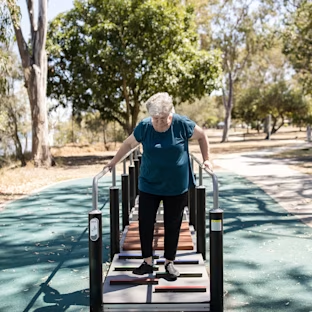
Mobility
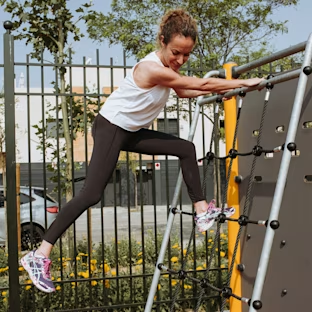
Obstacle Courses
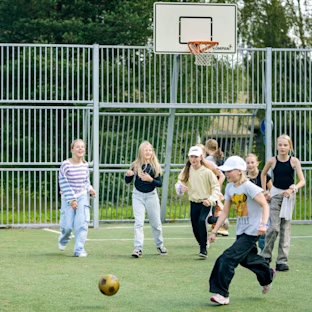
Multisport
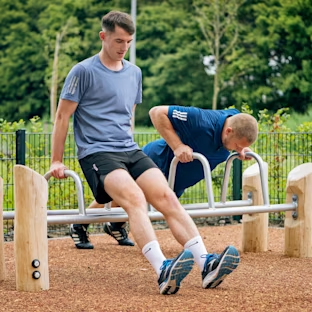
Wooden Fitness
Fitness Playgrounds
Signs & Accessories
FSW215
13+ Years
28 m2
3 Users
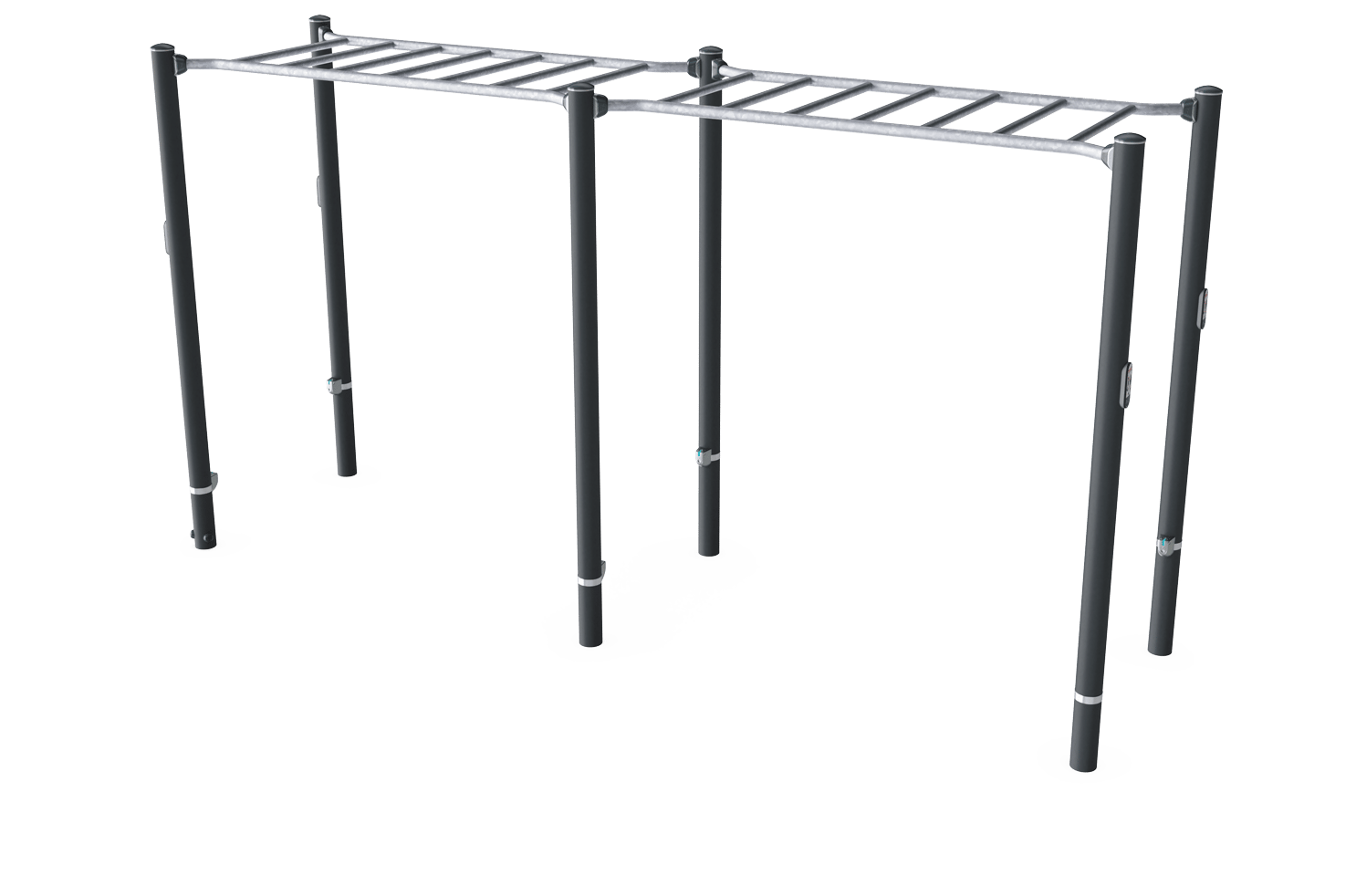
FSW221
13+ Years
12.2 m2
1 Users
FSW213
13+ Years
27.5 m2
4 Users
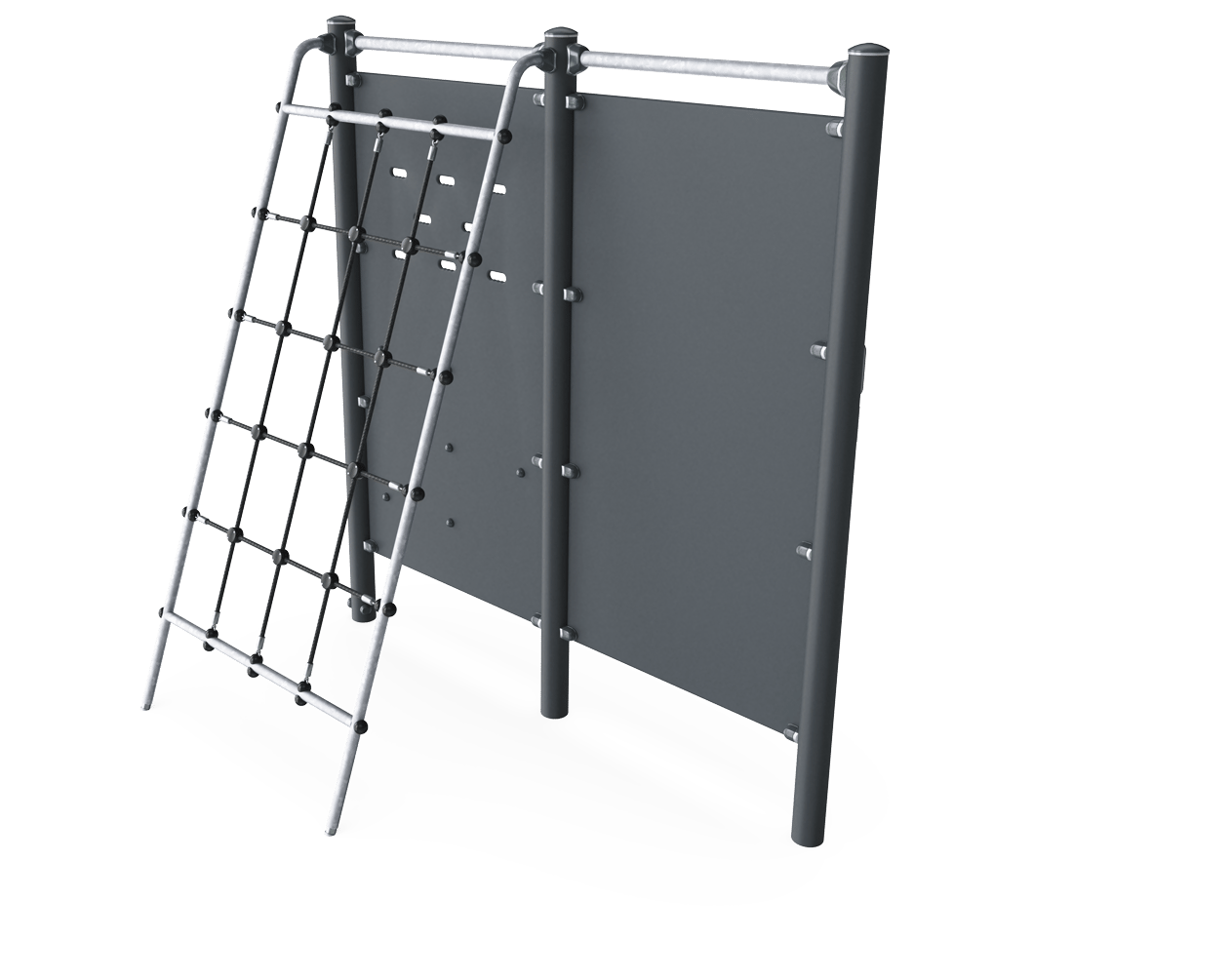
FSW216
13+ Years
19.6 m2
3 Users
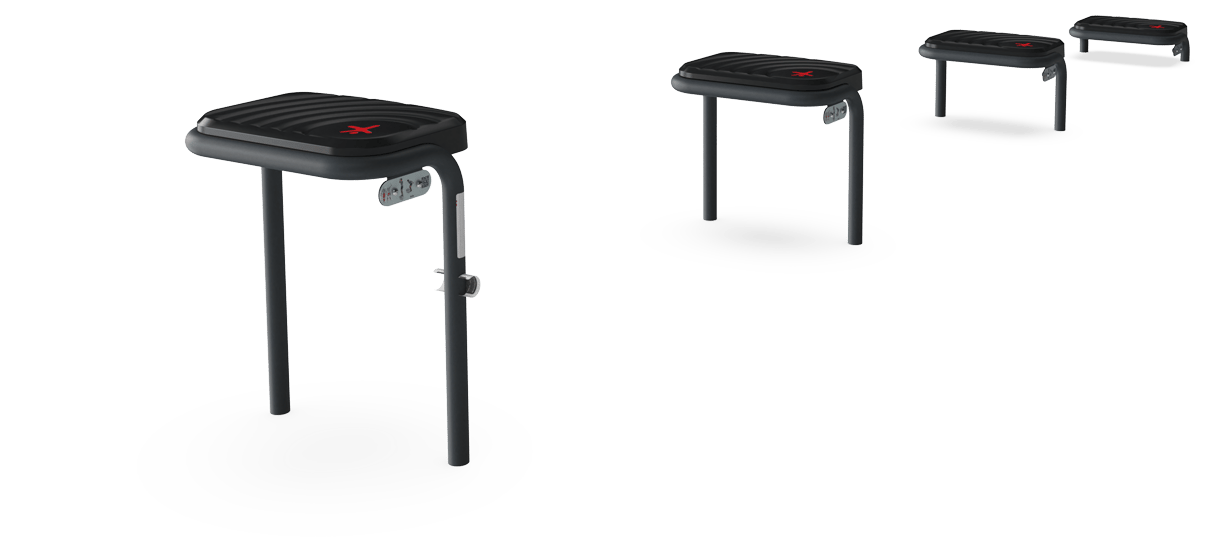
FSW219
13+ Years
31.4 m2
4 Users
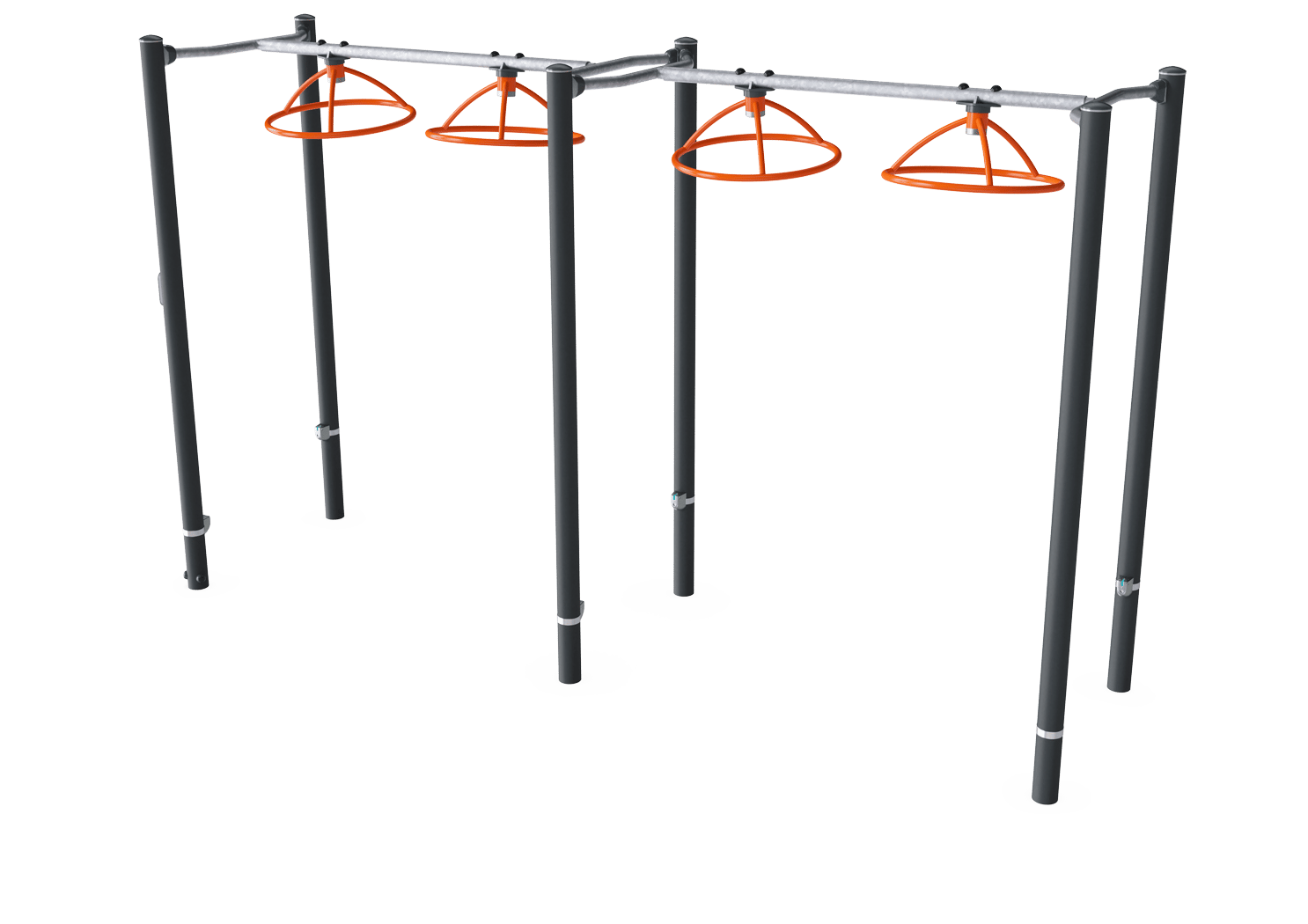
FSW212
13+ Years
27 m2
3 Users
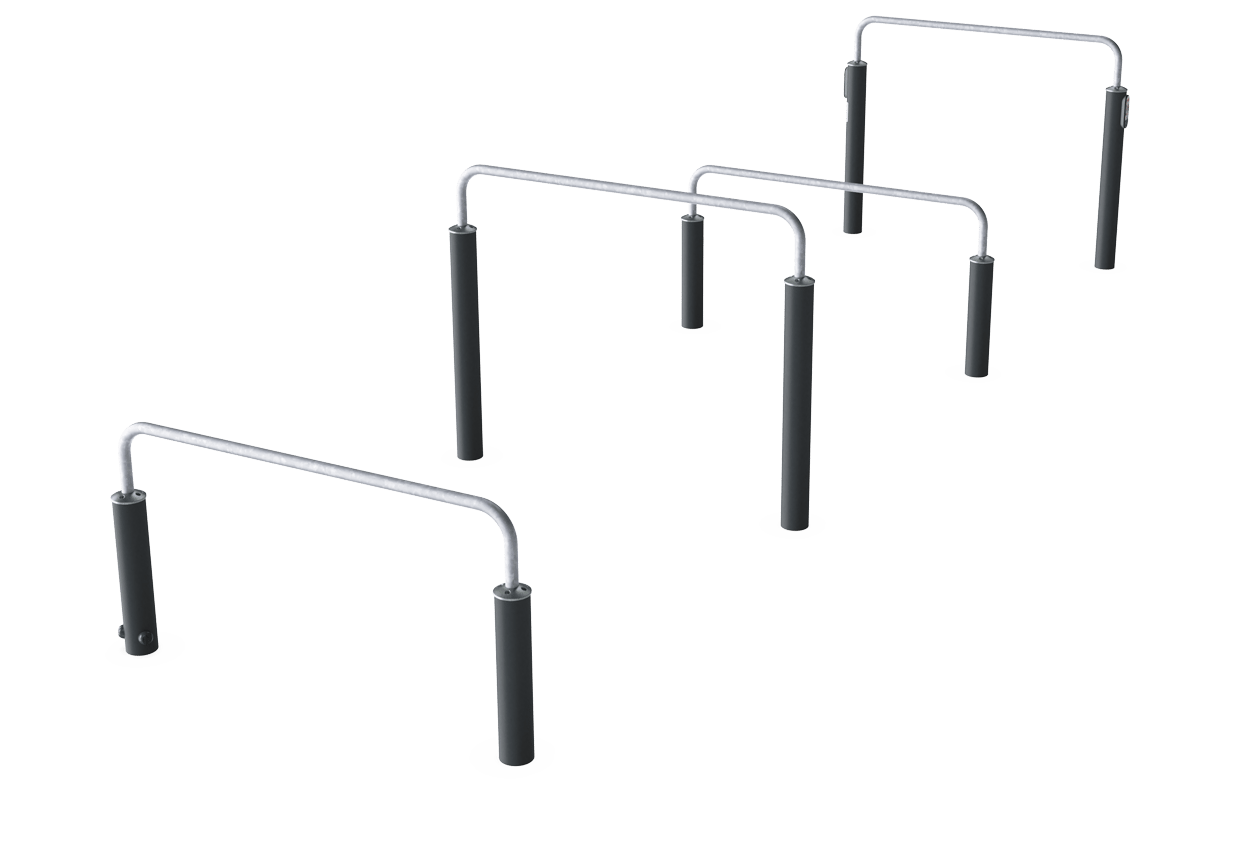
FSW214
13+ Years
35 m2
4 Users
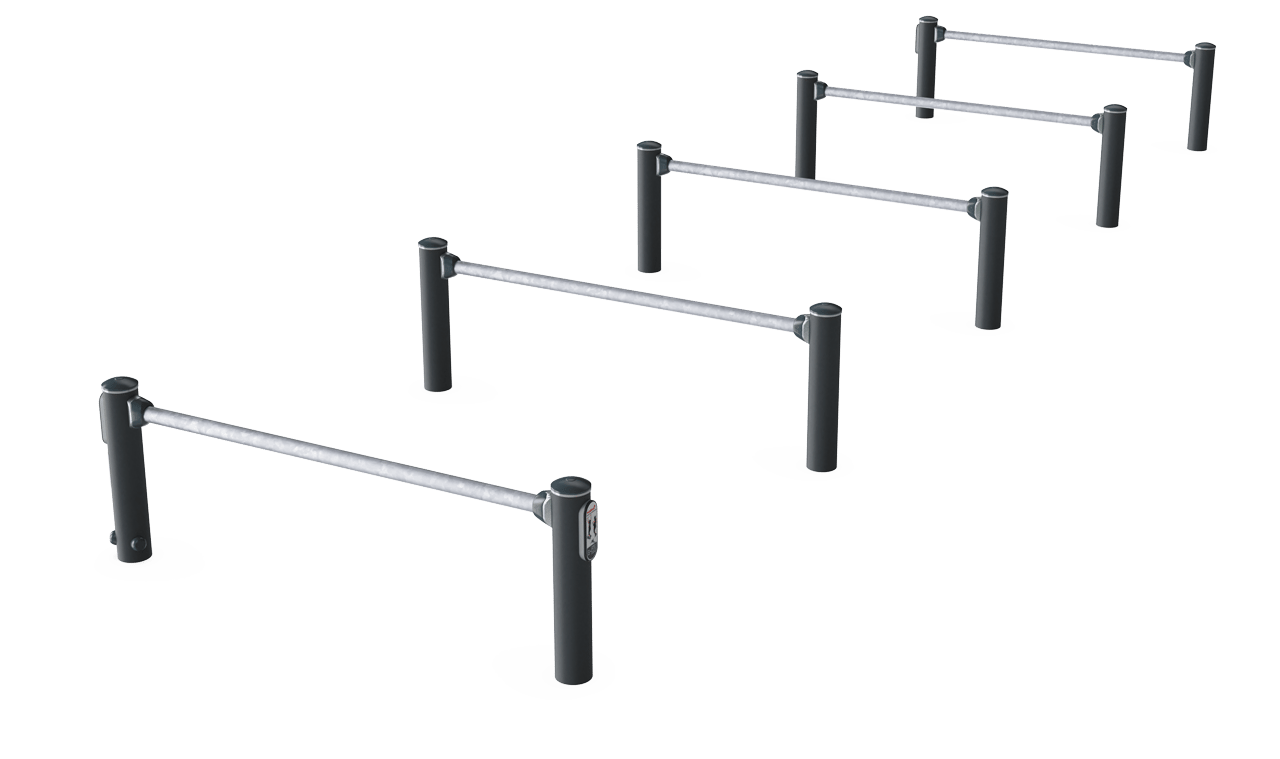
FSW211
13+ Years
41 m2
5 Users
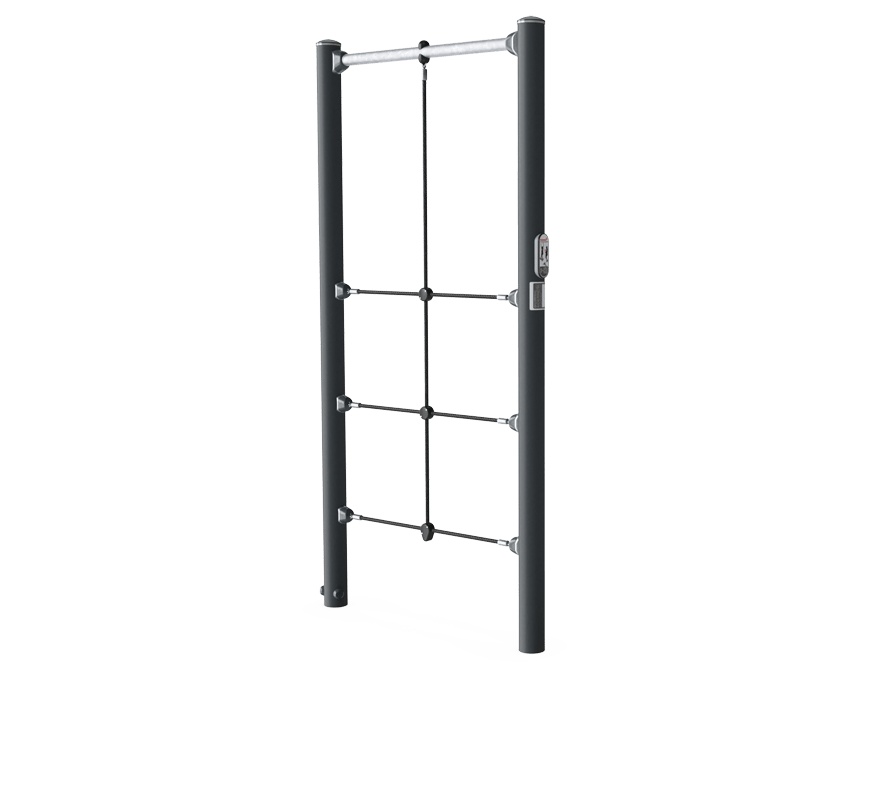
FSW207
13+ Years
18.5 m2
1 Users
Outdoor obstacle course equipment offers a compact, high‑impact way to activate public parks, condominiums, and commercial hubs within urban developments and townships. Well‑designed courses deliver a full‑body workout that builds strength, endurance, and agility. Users progress through rope climbs, walls, hurdles, and balance elements, engaging the whole body while staying motivated through varied movement challenges. Beyond physical benefits, obstacle courses also support mental focus and decision‑making. Participants continuously assess routes, choose movement strategies, and adjust their approach, helping build confidence and problem‑solving skills as they move through the course. As shared activity spaces, obstacle courses naturally encourage group training, informal challenges, and social interaction, strengthening community engagement among residents, employees, and visitors. When planning an obstacle course, start by identifying the primary user groups, such as working adults, families, or active older users and align difficulty levels, access points, and layout accordingly. Thoughtful placement and sequencing help ensure safe, continuous flow while integrating seamlessly into the wider masterplan. Partnering with KOMPAN provides planners, developers, and facility managers with a versatile range of outdoor fitness and obstacle course components to create distinctive, future‑ready activity zones that invite repeat use and long‑term engagement.
Want to know more about the planning phase or get inspiration from other outdoor gyms around the world? Explore your options below, or contact us if you have any questions.
This is very much up to you. It really depends on the number of features and fitness level and you can always go around two, three, four times. You can break away for a sprint or a short run and then return to the obstacles – it’s your choice. However, we recommend that, as with all training regimes, that you set a reasonable target that can be adjusted to find the perfect level for development.
You need to have five different activities to ensure you cover the basics. You'll require equipment to meet the challenges of balance, jumping, crawling, climbing and overhead exercises.
Regardless of its size, the obstacle course can accommodate numerous participants – you can stagger start times and as long as you agree which direction the challenge should be attempted, it should be a smooth operation.
Of course you can set your own individual challenge, but exercise is generally more enjoyable when it is shared with others.