Surfacing Guide
Sand Playground Surfacing
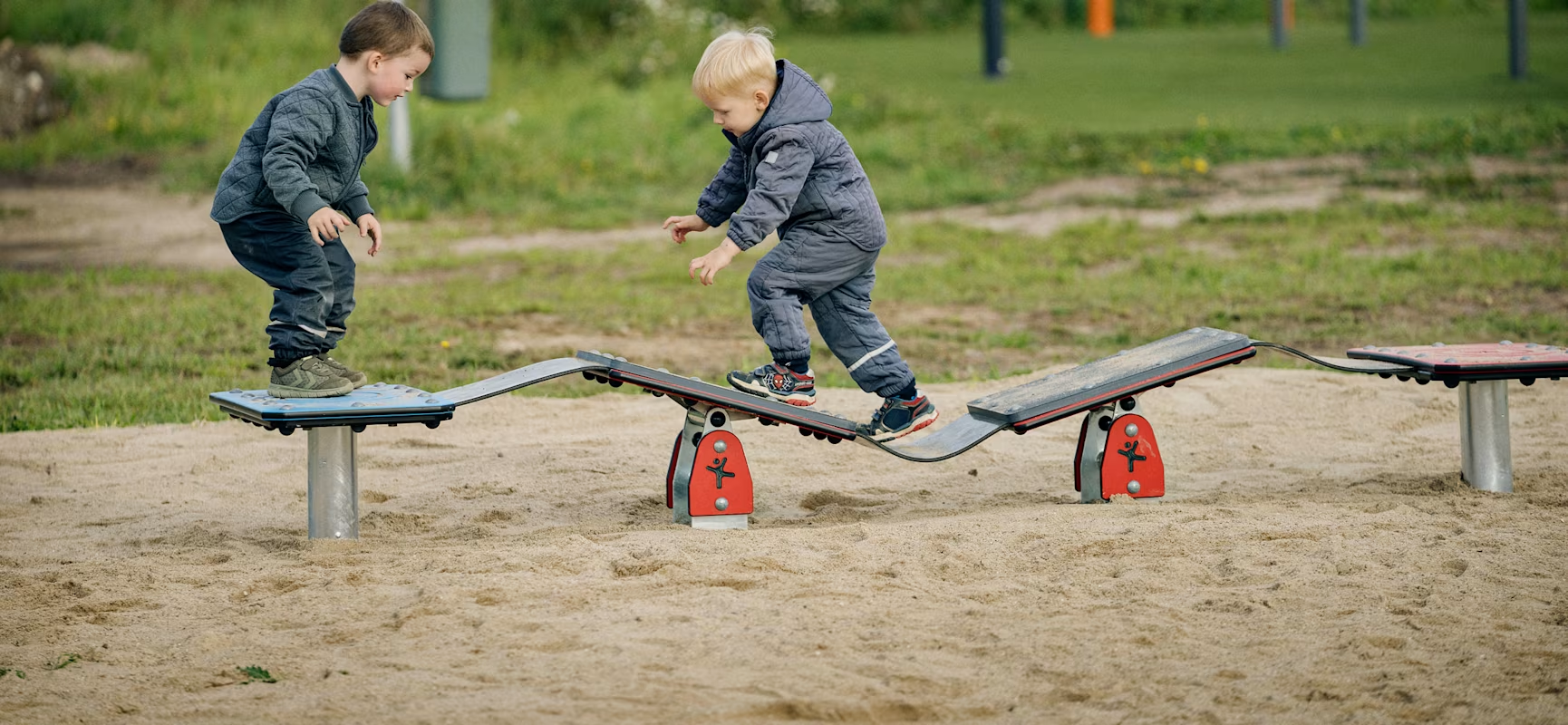
Natural, Sensory-Rich Playground Surfacing
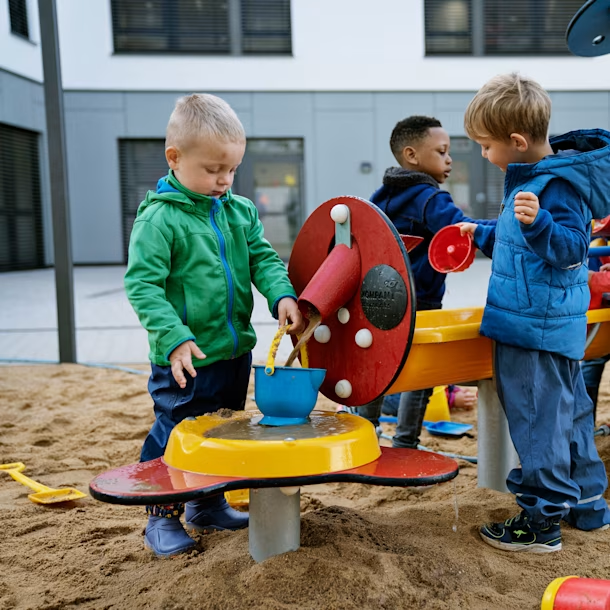
Sand is a natural, loose-fill surfacing solution that creates a hands-on, sensory-rich play experience while contributing to a more organic look and feel. Its shifting surface invites children to dig, shape, and explore, while also providing reliable impact absorption when installed at the proper depth. With a lower upfront cost than many unitary surfaces, sand offers a flexible, budget-friendly option for a wide range of playgrounds.
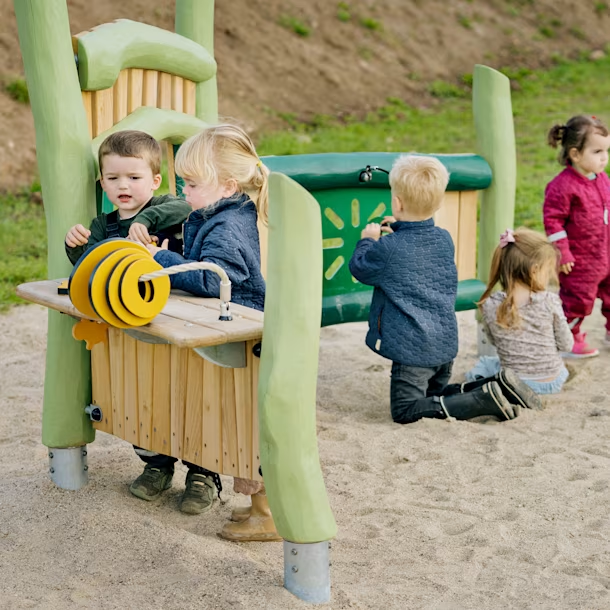
Where does sand surfacing work best?
Sand playground surfacing is well suited for a wide range of play environments, including:
Early childhood and preschool environments
Nature-based and landscape-integrated play spaces
Areas designed for open-ended, imaginative play
Projects seeking a simpler, lower-lift installation approach
It is particularly effective in dedicated play zones where digging, shaping, and hands-on interaction are encouraged. Sand also pairs well with , creating opportunities for younger children to build, explore, and play independently.
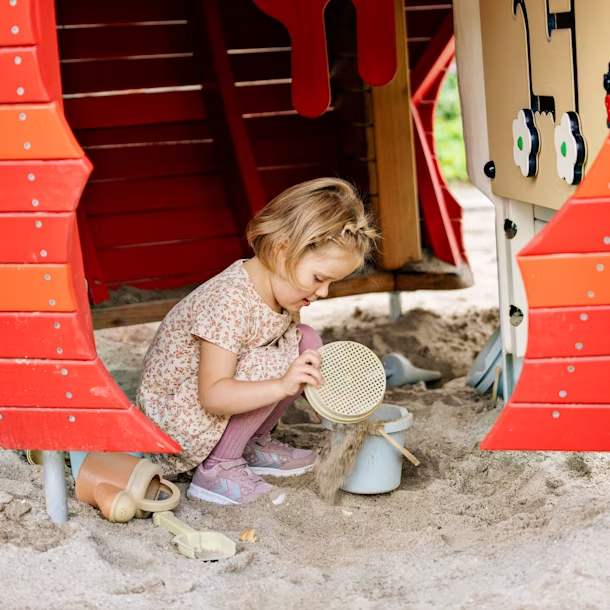
How does sand compare to other playground surfacing options?
Playground surfacing is rarely a one-size-fits-all decision. Many playgrounds use a combination of surfacing materials, with each one selected to support specific activities, performance requirements, and budget considerations. Here are some key differences between sand and other common playground surfacing options:
Sand vs. Rubber Surfacing
Rubber surfacing provides a stable, highly accessible surface with consistent impact attenuation and extensive design flexibility through custom colors, graphics, and pathways. Sand offers a more natural look and feel while supporting sensory-rich play. Poured-in-place rubber typically costs more to install but requires less maintenance, while sand is more budget-friendly upfront but requires ongoing replenishment and upkeep.
Sand vs. Hybrid Grass
Both sand and hybrid grass can create a natural-looking play environment, but they serve different purposes. Sand supports sensory and imaginative play, while hybrid grass provides a firmer, more stable, and accessible surface. Hybrid grass is often used in high-traffic areas and along popular routes throughout the playground, such as beneath slides or along zipline runouts, where a more consistent surface is preferred.
Sand vs. Artificial Grass
Artificial grass offers a durable, uniform surface that can withstand heavy use while maintaining a consistent appearance. Sand is generally better suited for dedicated play zones where children are encouraged to dig, build, and interact directly with the surface, while artificial grass is often preferred for active recreation areas and multipurpose spaces.
The most suitable solution depends on your playground's intended use, accessibility goals, maintenance expectations, safety requirements, and budget. In many cases, combining multiple surfacing types can help create a play environment that balances performance, play value, and long-term durability.
Pros and Cons of Sand Playground Surfacing
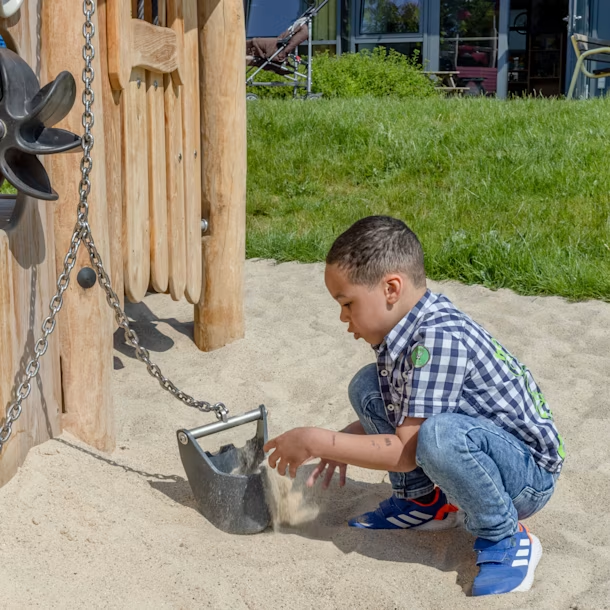
Benefits
Natural appearance that complements landscape-integrated play spaces
Impact-absorbing when installed and maintained at the proper depth
Supports sensory, creative, and open-ended play experiences
Lower upfront installation costs than many unitary surfacing options
For projects where a natural look is important and use intensity is moderate, sand surfacing can be an effective and budget-friendly choice.
Limitations & Considerations
Requires regular maintenance, including raking and replenishment
Can be displaced through play, weather, and foot traffic
Limited accessibility compared to firm, stable surfacing options
Less suitable for high-traffic areas that require a consistent surface
Depending on your specific site and goals, these factors may make sand most effective as part of a broader surfacing strategy rather than a single site-wide solution.
Installation and Maintenance Considerations
Sand can be a more budget-friendly playground surfacing option upfront, but it also requires ongoing maintenance that should be considered during the planning process.
Choosing the Right Playground Surfacing
There is no single surfacing solution that fits every playground. Sand playground surfacing is one of several options and works best when selected deliberately based on how the space will be used.
Many playgrounds benefit from combining multiple surfacing types to achieve the right balance of play value, safety, durability, accessibility, and maintenance. For example, sand may be used in dedicated play areas where children can dig, build, and explore, while can provide a durable surface for active recreation spaces. is often selected for primary circulation routes and heavily used play areas where accessibility and consistent performance are priorities.
The most effective surfacing strategy considers the unique needs of each play zone, helping create a playground that supports a wide range of activities and users.
Frequently Asked Questions
Sand can be a safe playground surfacing option when installed and maintained at the appropriate depth for the equipment's fall height. As a loose-fill surface, it provides impact absorption that can help reduce the severity of fall-related injuries and is commonly used in playgrounds, schools, and early childhood environments.
Sand requires regular maintenance to maintain its appearance, performance, and safety as a playground surfacing material. This typically includes raking, leveling, and replenishing sand as it becomes displaced over time due to play, weather, and general use.
Sand can be a suitable surfacing option for public playgrounds and schools when ongoing maintenance is planned. It is commonly used in early childhood environments, nature-based play spaces, and playgrounds that prioritize sensory exploration, imaginative play, and hands-on learning.
Sand surfacing can present challenges for accessibility and inclusive playground design. As a loose-fill material, it is more difficult to navigate with wheelchairs, mobility devices, and strollers than firm, stable surfacing options. For this reason, sand is often:
Combined with accessible surfacing along primary routes and entry points
Used in designated play zones rather than throughout the entire playground
This approach helps balance the sensory and play benefits of sand with broader accessibility goals.