PCW110321
Track Ride Tower
Age Group
6+ Years
Capacity
4
Inclusive
No
Product category
PCW110321
Track Ride Tower
Specifications
Track Ride Tower
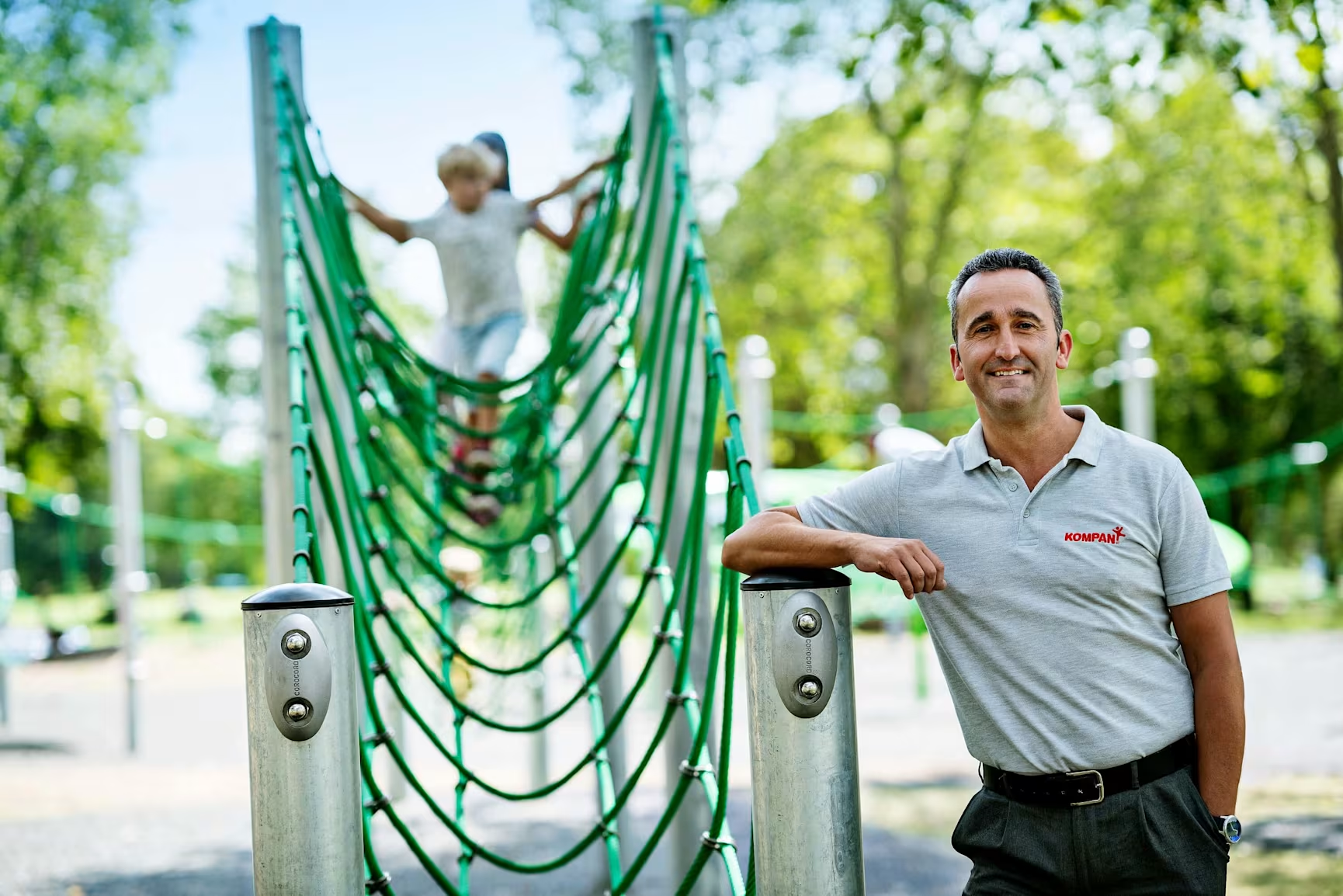
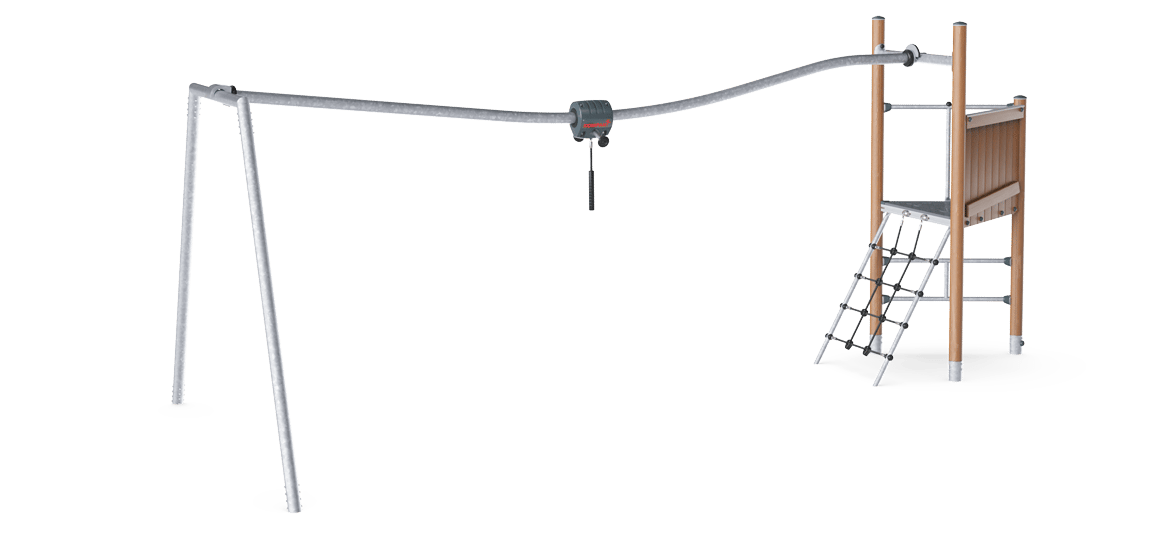
The Track Ride Tower is a great play item that responds to the children's movement and urge for a thrill. This is the recipe for play success and will make children return for play again and again. The track ride glides down from the tower. Trained users will be able to flip their legs up to the top beam at the end and pushing themselves all the way back to the platform. This trains muscles, proprioception and timing, all important abilities in sports and life. To other users, jumping off at the end or half back will train bone density. The handhold allow them to hand over the glider. The children train their arm, leg and core muscles. They greatly train their social-emotional skills, training turn-taking and empathy when helping others to succeed. Thrilling, fun play that trains the school age child's social and physical life skills.
This product, Track Ride Tower (PCW110321), is provided by KOMPAN Middle East (MEA).
Length
617 cm
Width
301 cm
Height
260 cm
Fall Space Length
961 cm
Fall Space Width
418 cm
Age Group
6+ Years
Key user group
6 - 12 Years
Capacity
4
Inclusive
No
Product category
Nature Playgrounds
Product line
Countryside Play Structures
Product Highlights
Quality that lasts
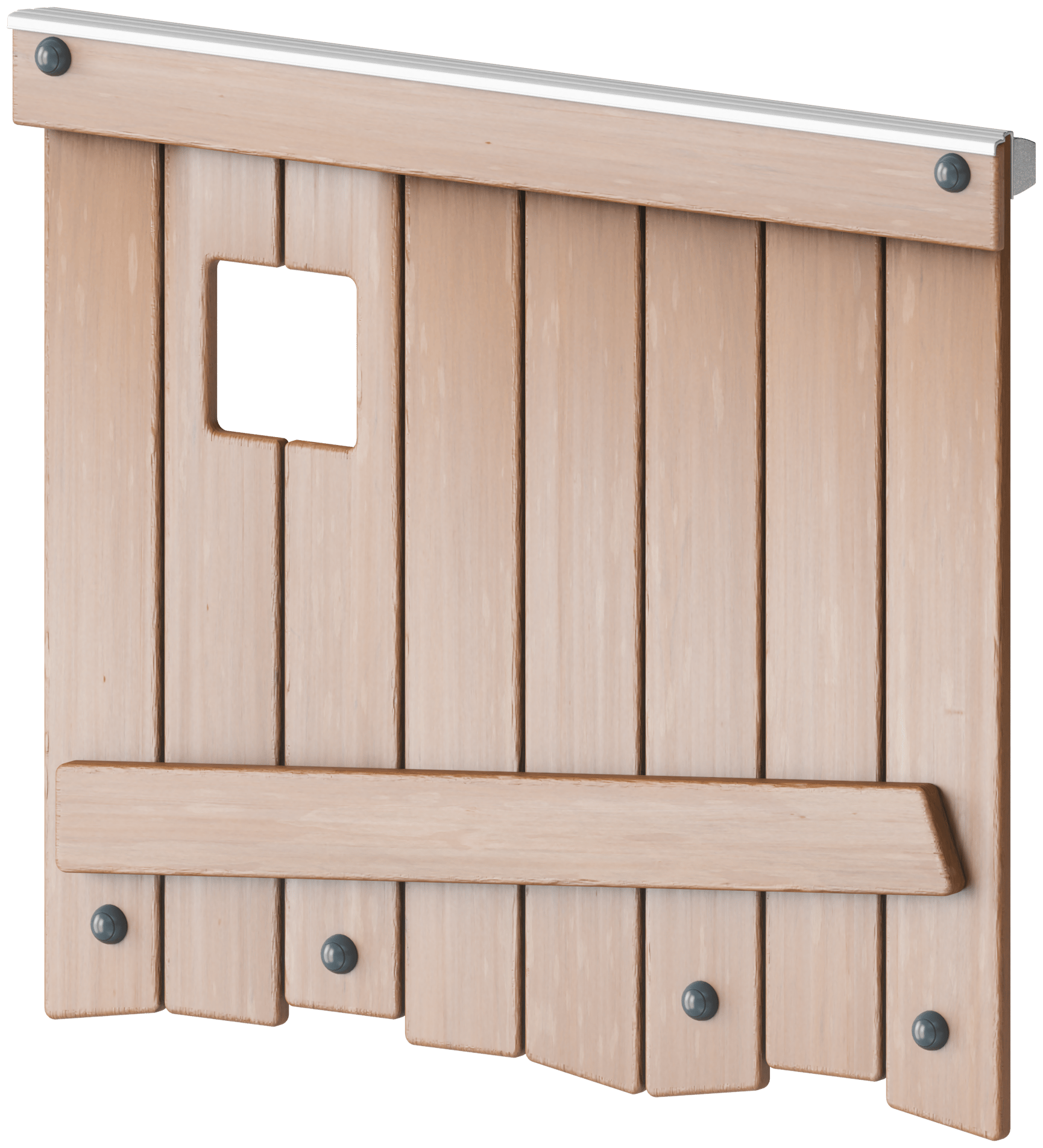
Panels of FSC®-certified (FSC®C004450) pine wood with pressure-impregnated base treatment and a brown painted top finish. Vertical boards and top ends are protected by a unique aluminium profile for high outdoor durability.
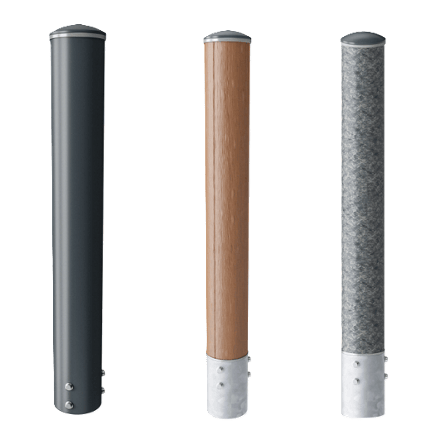
Main posts of pressure impregnated pine wood with hot-dip galvanised steel footing. Available in different materials: Pre-galvanised steel, inside and outside, with powder-coated top finish. Lead-free aluminium with colour-anodised top finish. Greenline TexMade posts of 95% post-consumer recycled PE and textile waste.
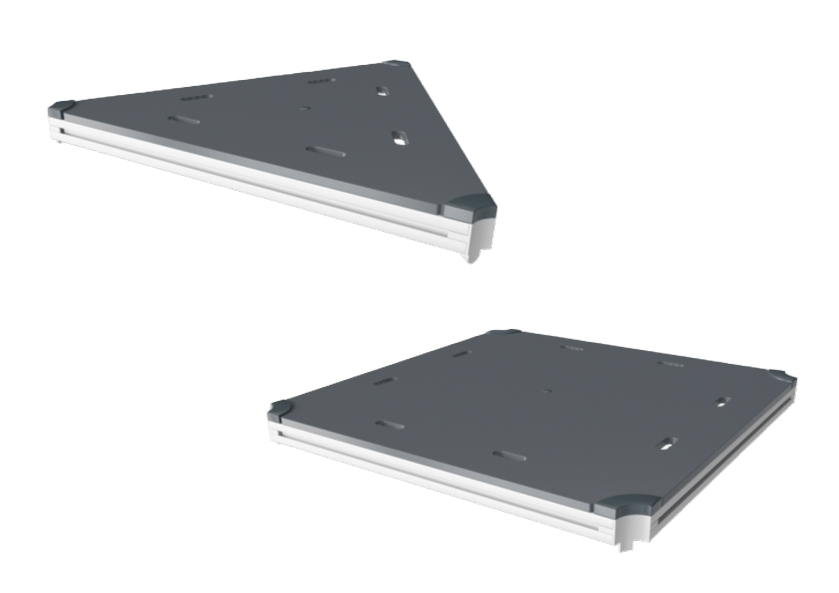
All decks are supported by unique designed low-carbon aluminum profiles with multiple attachment options. The grey colored molded decks are made of 75% post-consumer waste PP material with a non-skid pattern and texture surface.
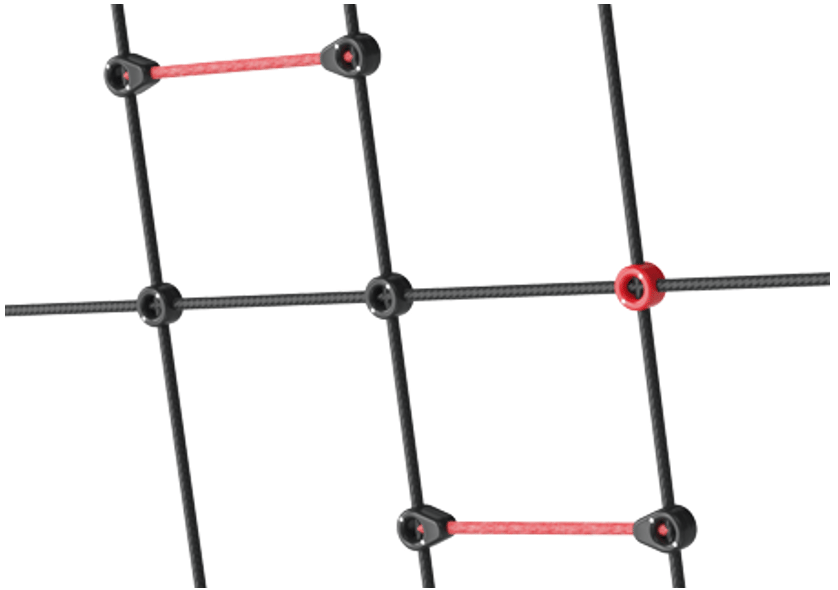
Ropes of UV-stabilized PES rope strands with inner steel cable reinforcement. The polyester yarn is made from +95% post-consumer materials and is inductively melted onto each strand.
Play Activities

Climb
2

Glide
1

Hang in arms
1

Jump
1

Pull
1

Sensory
7

Socialize
2
Each play activity represents a type of play experience, such as balancing, social interaction, climbing, or sensory exploration. The number indicates how many opportunities the product offers for children to engage in that activity. Together, these activities help create a varied and developmentally rich play experience.
CO₂ emission
Sustainability Data
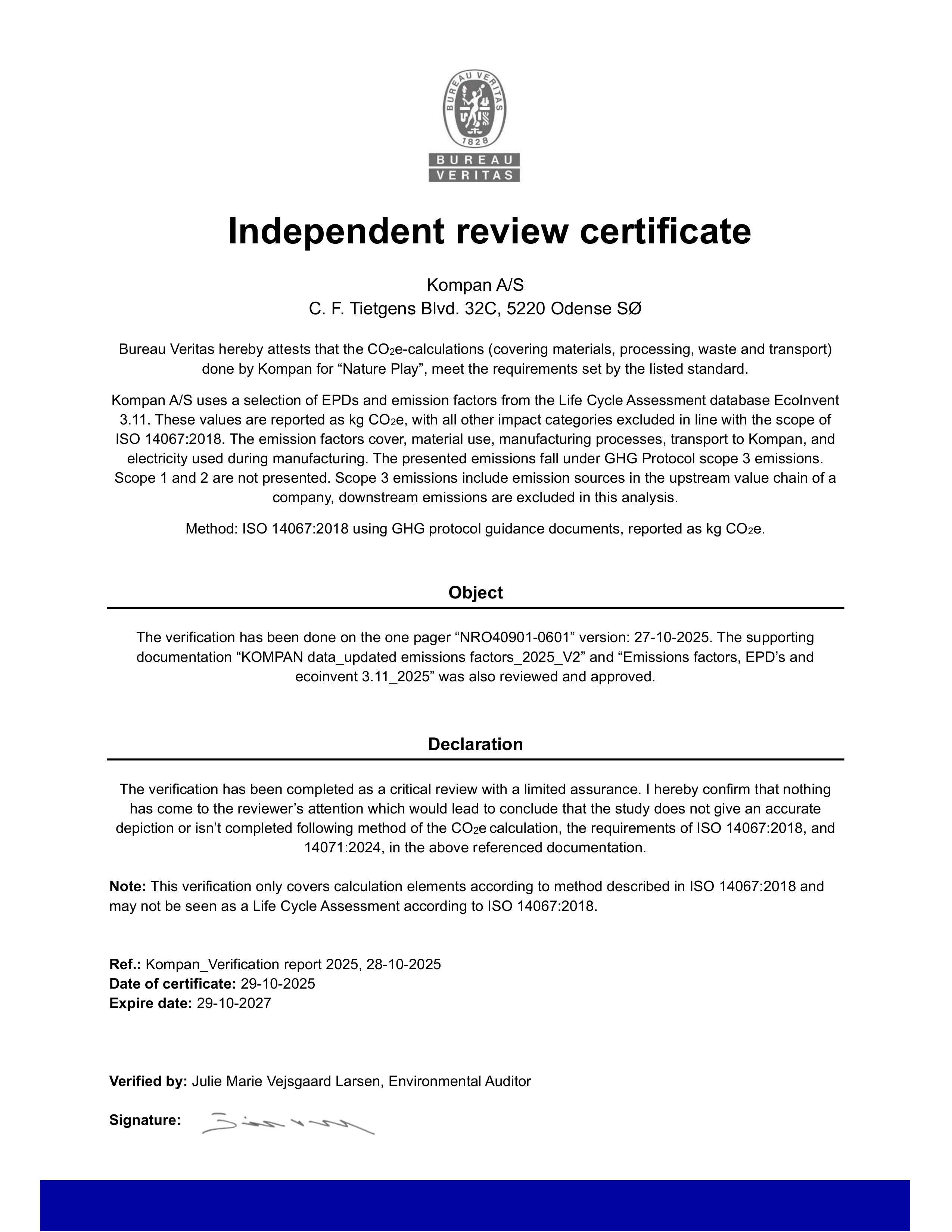
Our product and sustainability data validation help customers make informed sustainable buying choices based on methods validated by Bureau Veritas.
PCW110321-0906
924.62
Total CO₂ emission (kg CO₂e)
4.04
CO₂e/kg (kg CO₂e/kg)
38.15%
Recycled materials
The overall framework applied for these factors is the Environmental Product Declaration (EPD), which quantifies "environmental information on the life cycle of a product and enable comparisons between products fulfilling the same function" (ISO, 2006). This follows the structure and applies a Life-Cycle Assessment approach to the entire Product stage from raw material through manufacturing (A1-A3).