PCW100121
Play Tower
Age Group
2+ Years
Capacity
6
Inclusive
No
Product category
PCW100121
Play Tower
Specifications
Play Tower
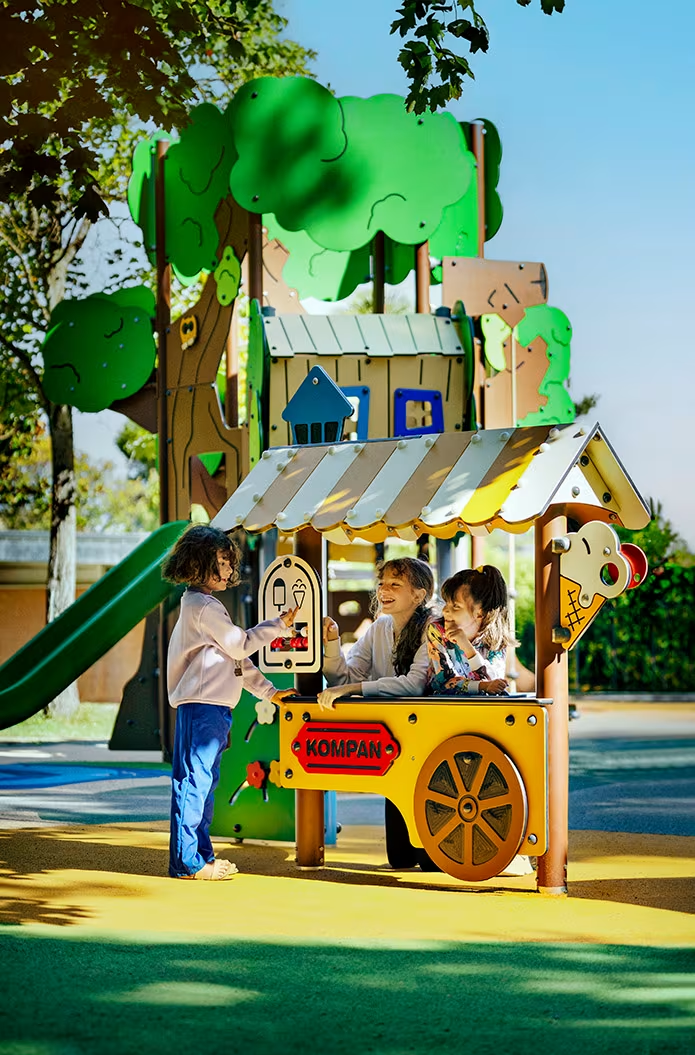
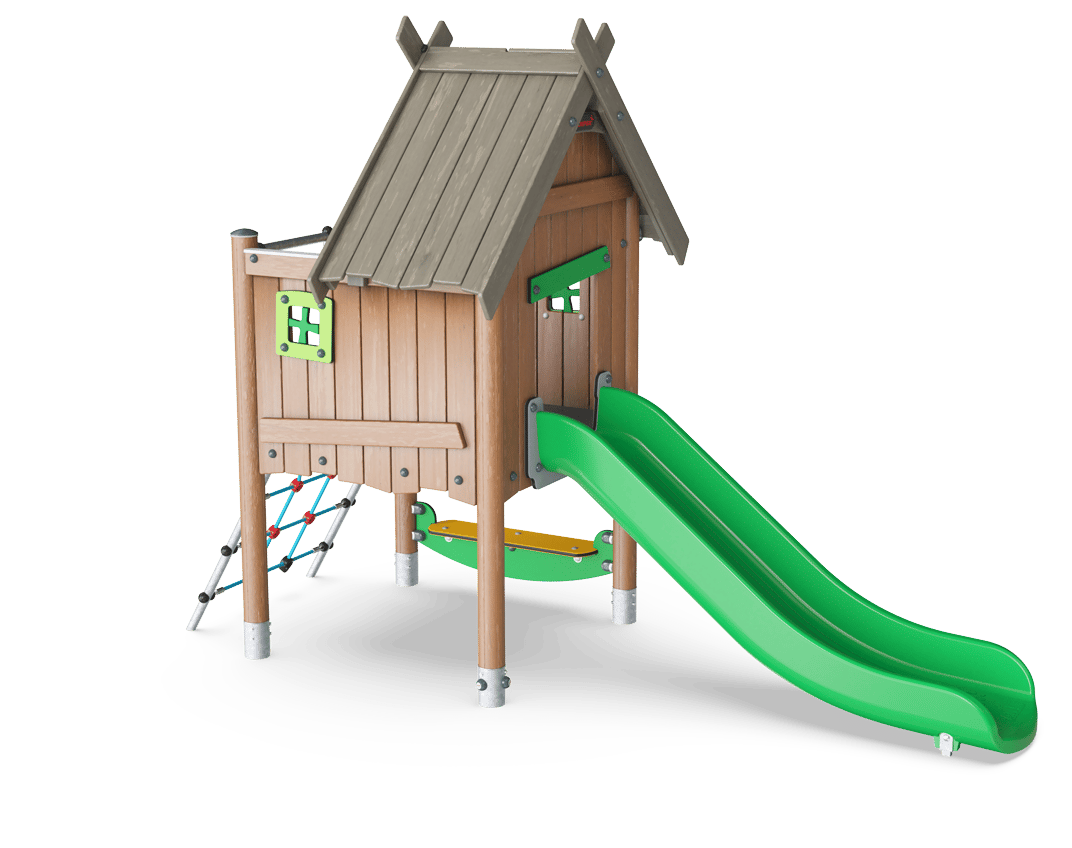
This fantastic play tower will inspire young children to play actively, using their muscles to climb to the top and slide to the ground, again and again. The net climber provides an age-appropriate challenge to help develop cross-coordination skills. Strengthening cross-coordination skills enhances children's abilities to use both sides of their brain. This cross-modal perception enables e.g. reading. The playhouse also offers a space for social play. The windows encourage children to seek out their friends from on top of the tower. The sturdy desk on the side of the structure is an additional place for meetings. Sliding supports posture and balance, important skills for young children as they grow, and great fun for active physical play. nixa
This product, Play Tower (PCW100121), is provided by KOMPAN Middle East (MEA).
Length
341 cm
Width
163 cm
Height
250 cm
Fall Space Length
641 cm
Fall Space Width
424 cm
Age Group
2+ Years
Key user group
2 - 8 Years
Capacity
6
Inclusive
No
Product category
Nature Playgrounds
Product line
Countryside Play Structures
Product Highlights
Quality that lasts
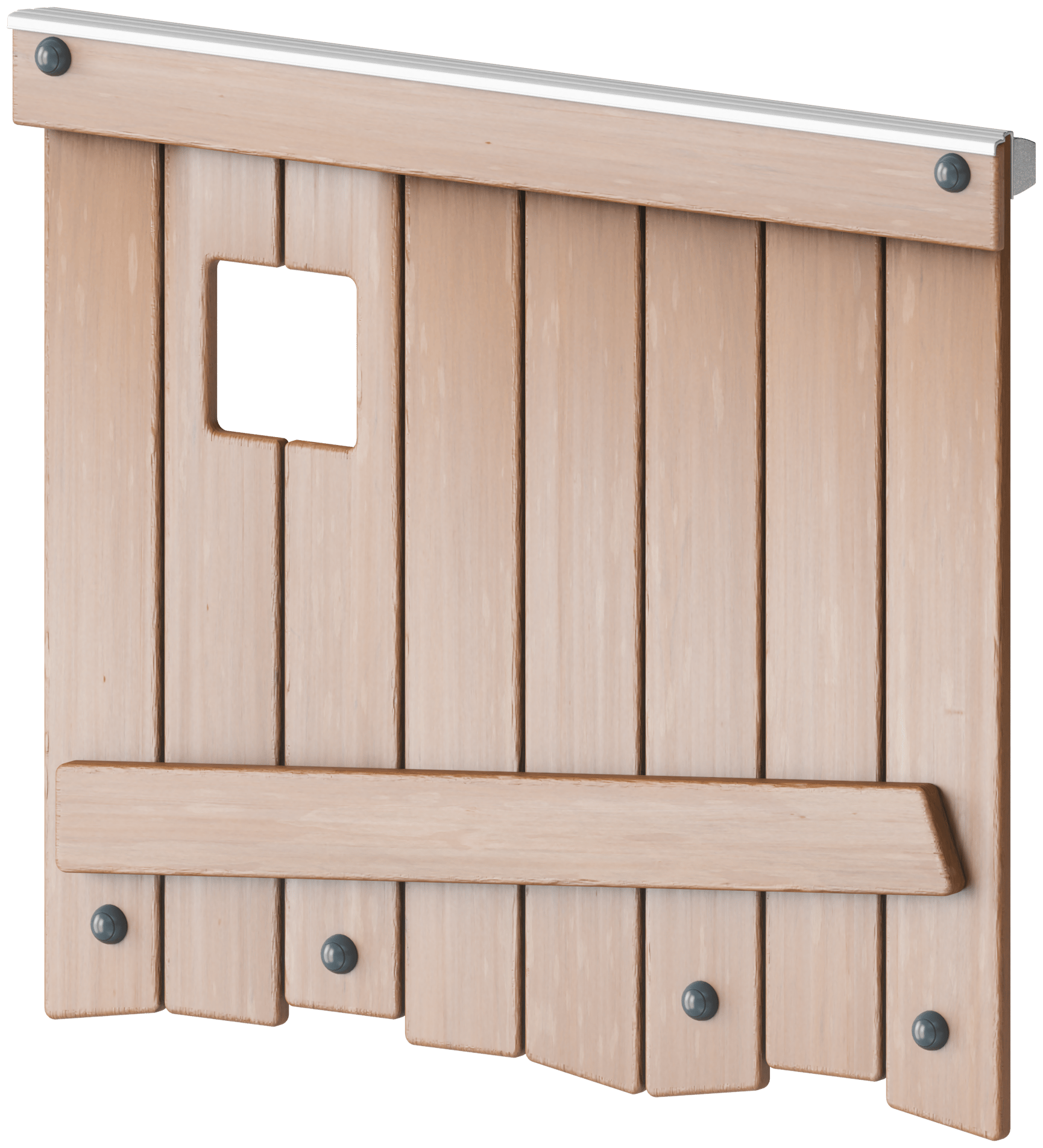
Panels of FSC®-certified (FSC®C004450) pine wood with pressure-impregnated base treatment and a brown painted top finish. Vertical boards and top ends are protected by a unique aluminium profile for high outdoor durability.
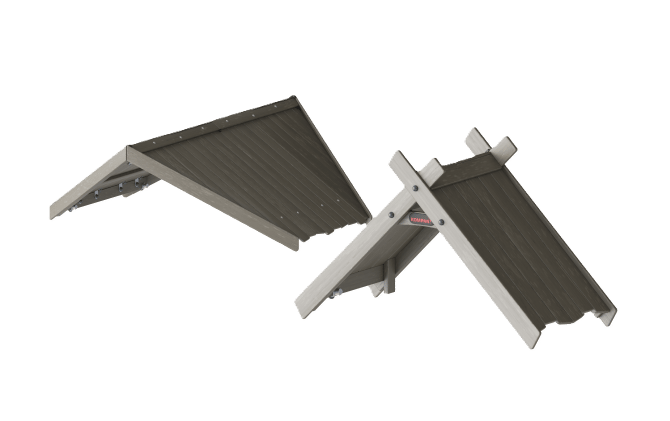
Roof of FSC®-certified (FSC®C004450) pine wood with pressure-impregnated base treatment and a grey painted top finish.
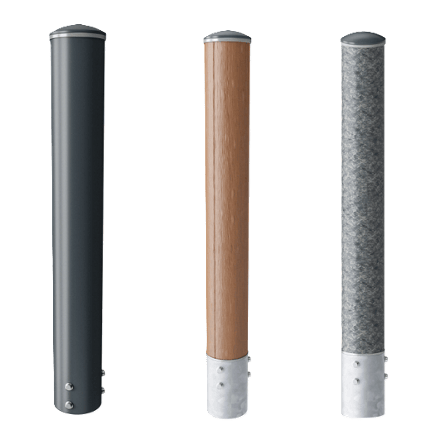
Main posts of pressure impregnated pine wood with hot-dip galvanised steel footing. Available in different materials: Pre-galvanised steel, inside and outside, with powder-coated top finish. Lead-free aluminium with colour-anodised top finish. Greenline TexMade posts of 95% post-consumer recycled PE and textile waste.
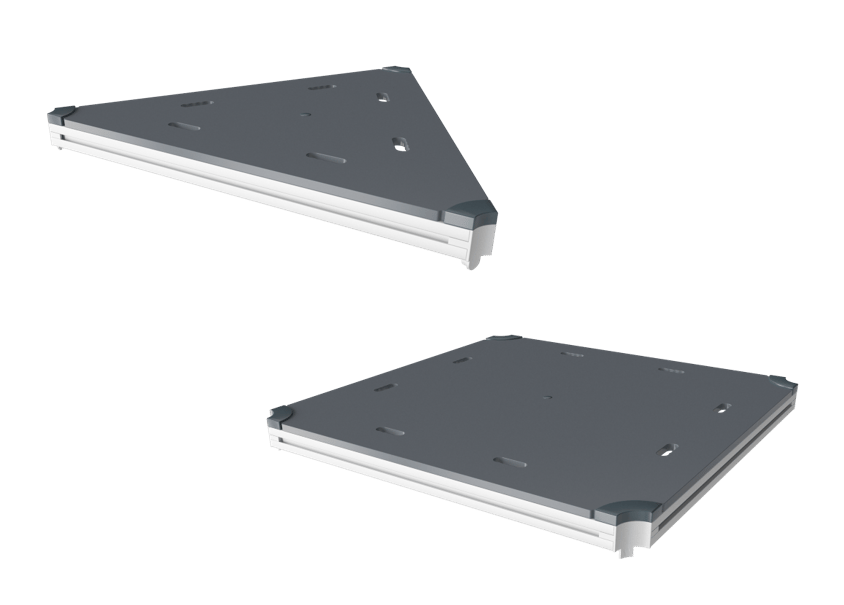
All decks are supported by unique designed low-carbon aluminum profiles with multiple attachment options. The grey colored molded decks are made of 75% post-consumer waste PP material with a non-skid pattern and texture surface.
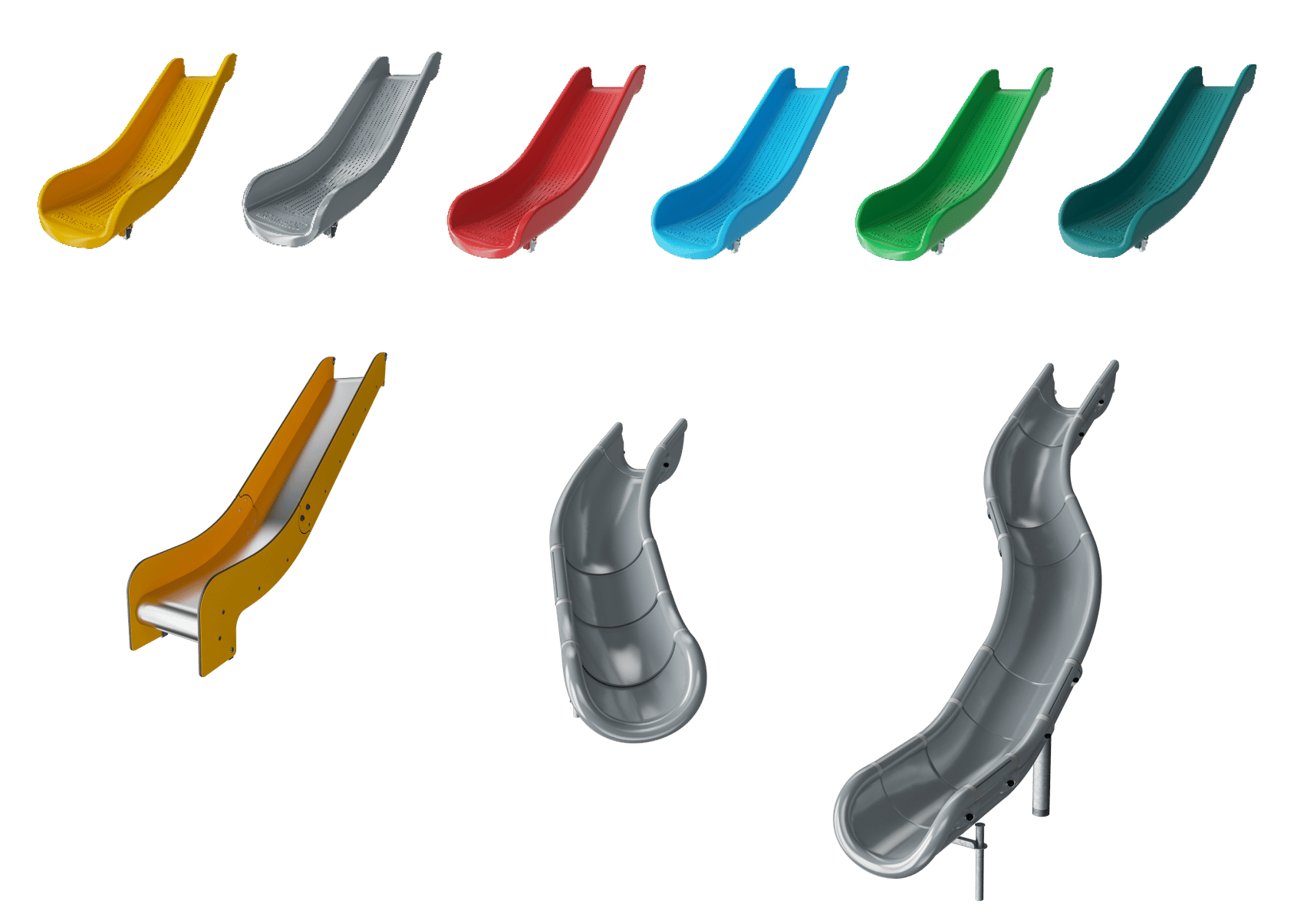
The slides can be chosen in six different colours and three materials: Straight or curved one-piece moulded PE slides, made from 33% recycled post-consumer materials in different colours. Combined CircularHDPE sides and stainless-steel. Full stainless steel in a one-piece design for greater vandalism resistance.
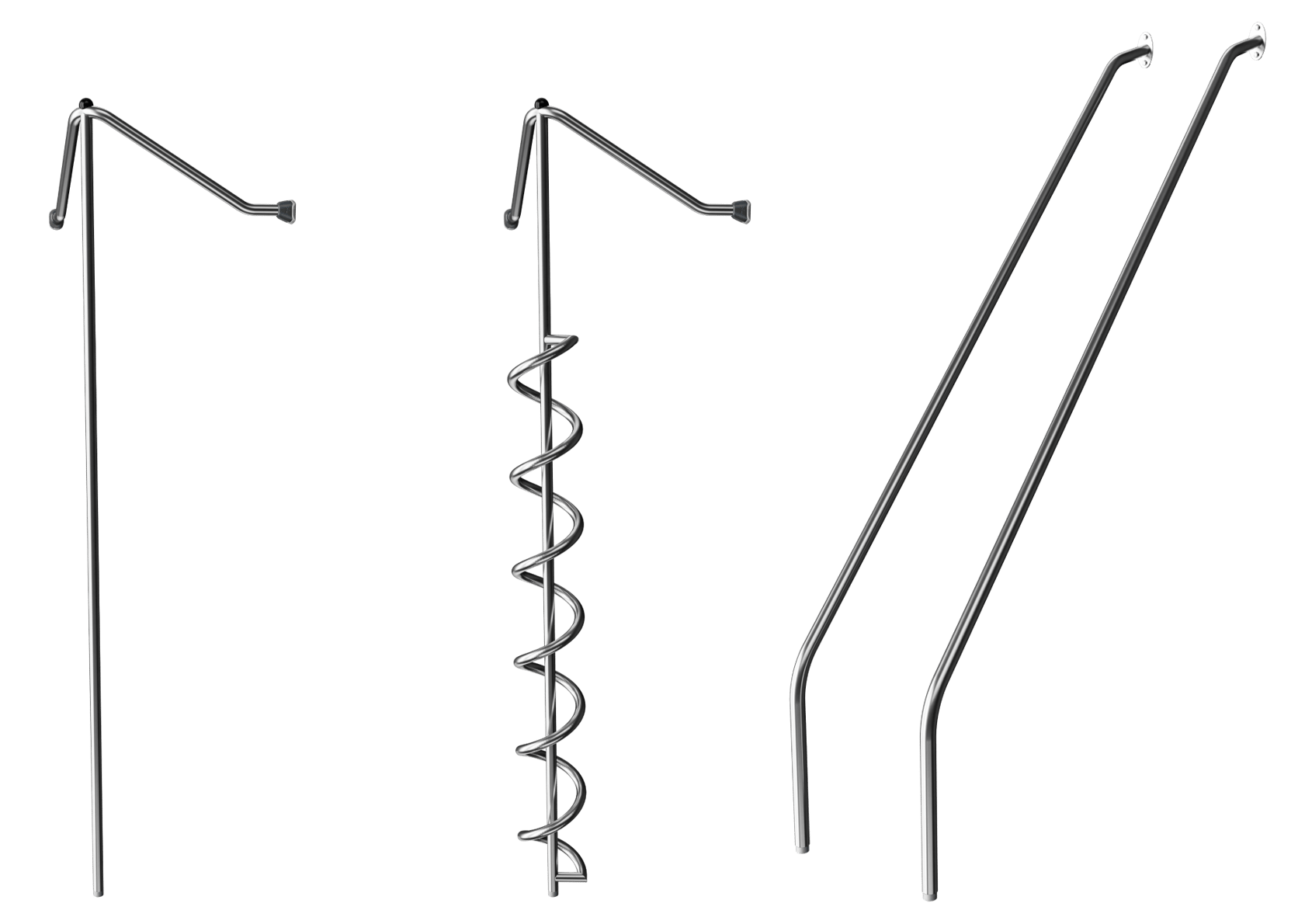
The stainless-steel activities are made of high-quality stainless steel. The steel is cleaned by a total pickling process after manufacturing to ensure a smooth and clean gliding surfaces.
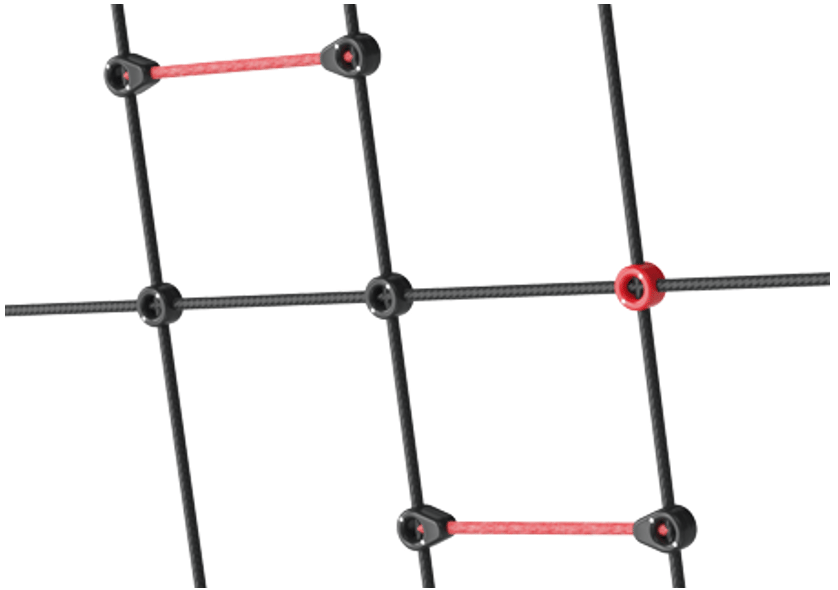
Ropes of UV-stabilized PES rope strands with inner steel cable reinforcement. The polyester yarn is made from +95% post-consumer materials and is inductively melted onto each strand.
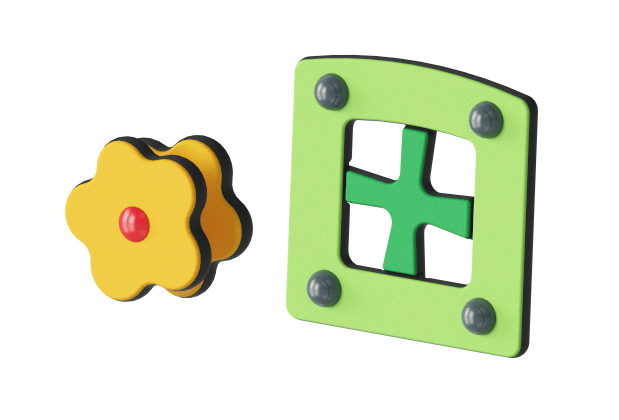
Add-ons of 19mm CircularHDPE, a highly durable, eco-friendly material that is not only recyclable after use but also made from >95% recycled post-consumer food-packaging waste.
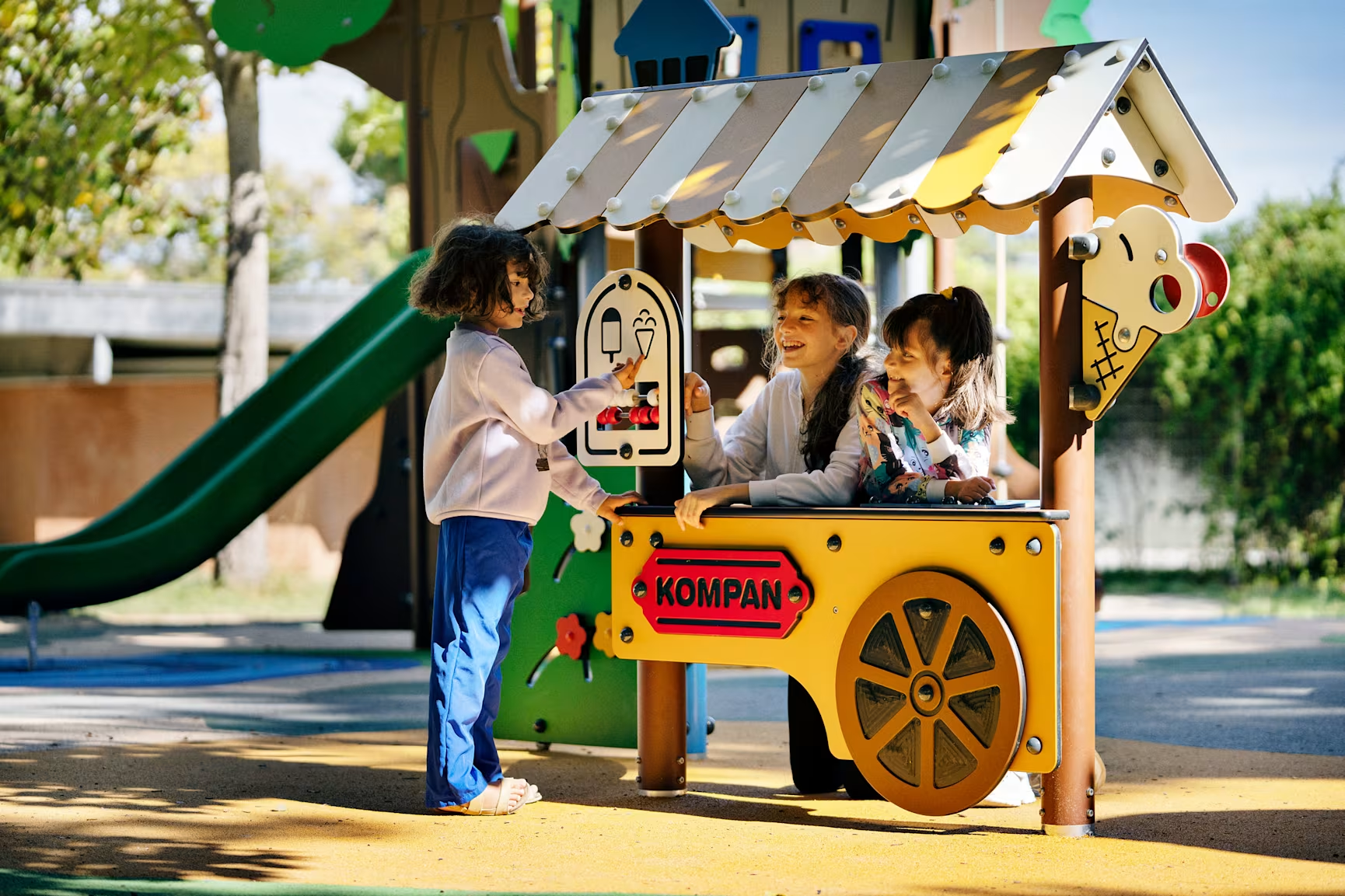
Play Activities

Balance
1

Climb
1

Dramatic play
1

Sensory
6

Slide
1

Socialize
3
Each play activity represents a type of play experience, such as balancing, social interaction, climbing, or sensory exploration. The number indicates how many opportunities the product offers for children to engage in that activity. Together, these activities help create a varied and developmentally rich play experience.
CO₂ emission
Sustainability Data
Our product and sustainability data validation help customers make informed sustainable buying choices based on methods validated by Bureau Veritas.
PCW100121-0906
681.49
Total CO₂ emission (kg CO₂e)
2.7
CO₂e/kg (kg CO₂e/kg)
23.68%
Recycled materials
The overall framework applied for these factors is the Environmental Product Declaration (EPD), which quantifies "environmental information on the life cycle of a product and enable comparisons between products fulfilling the same function" (ISO, 2006). This follows the structure and applies a Life-Cycle Assessment approach to the entire Product stage from raw material through manufacturing (A1-A3).