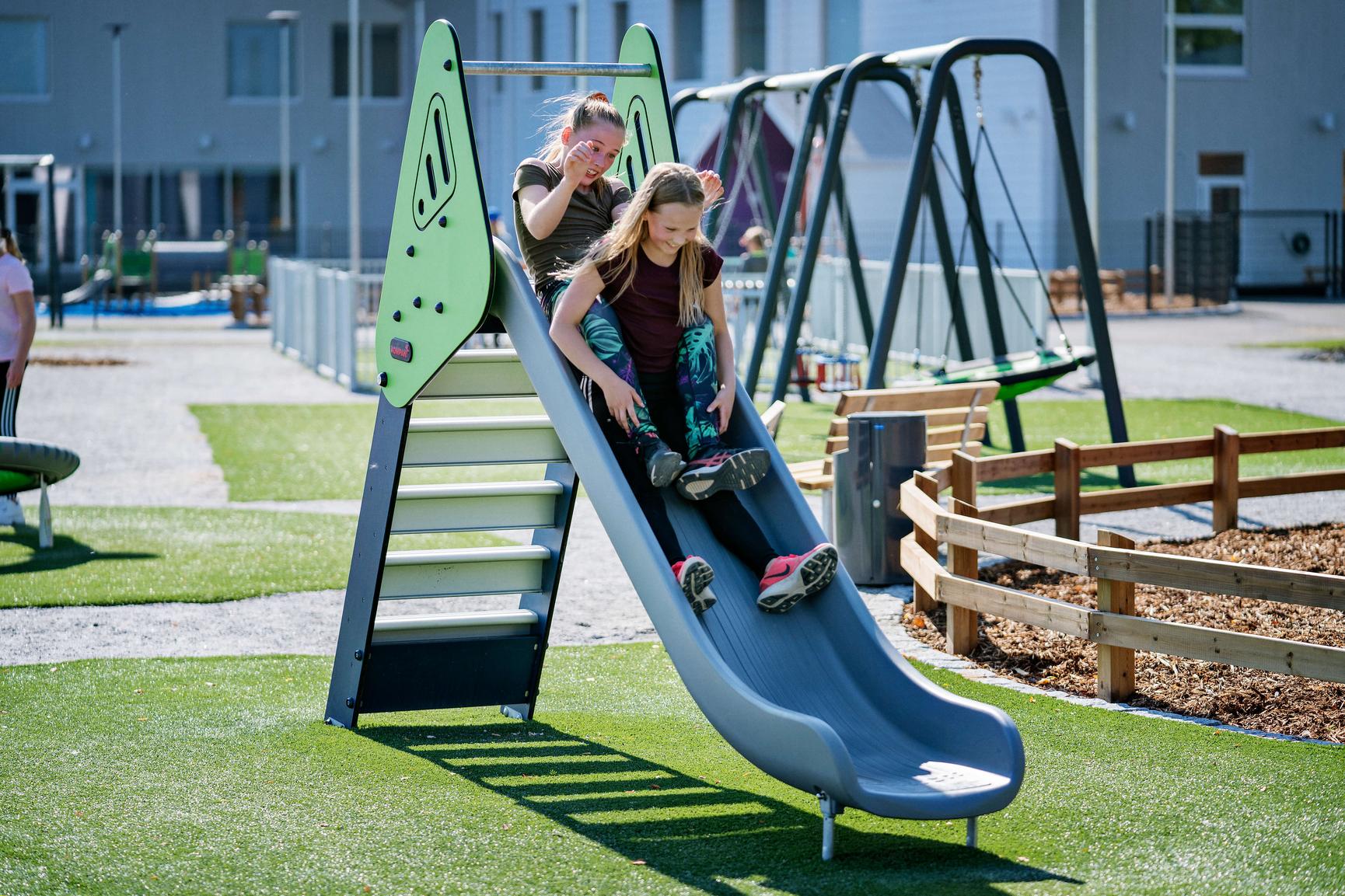
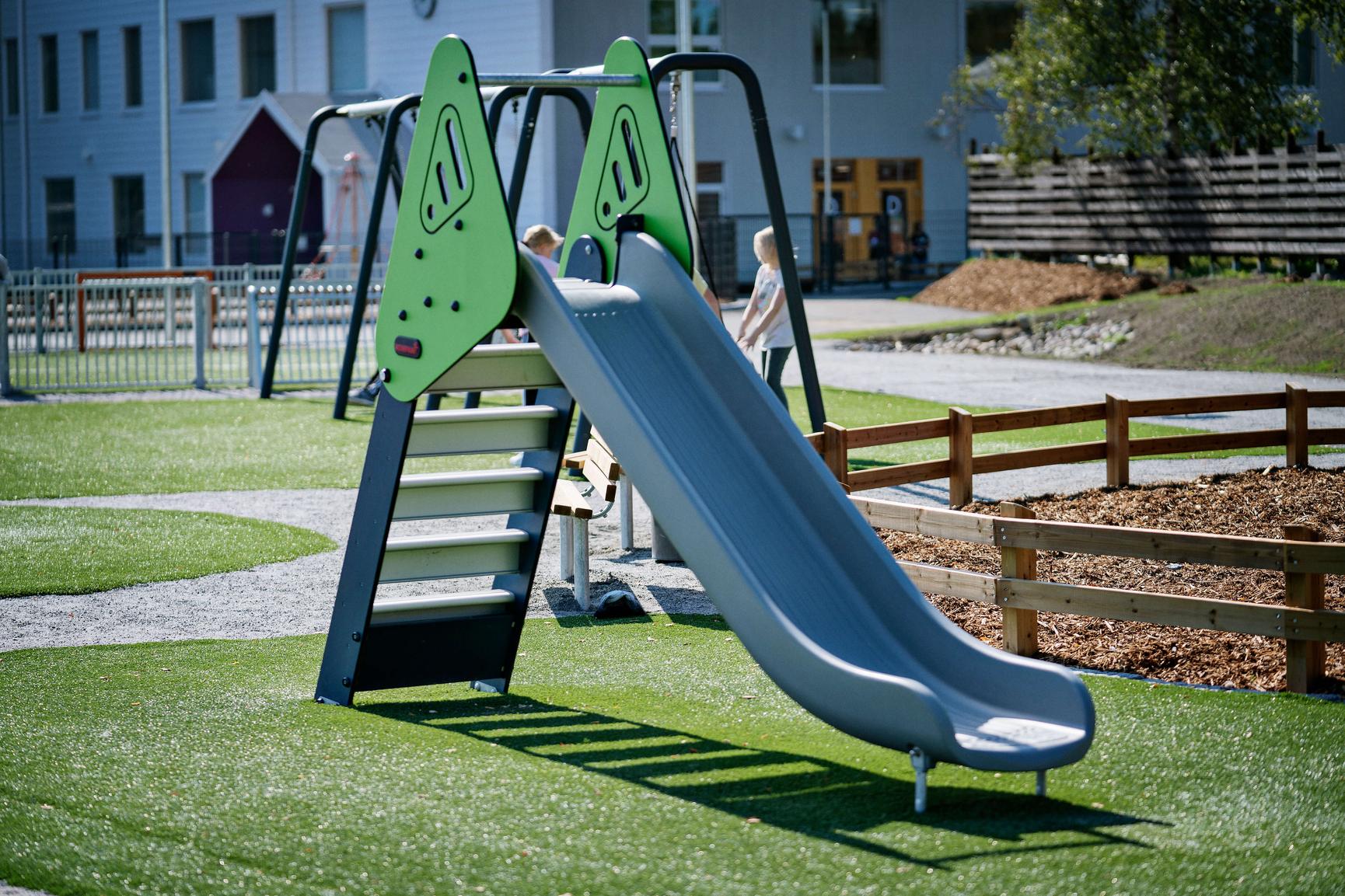
PCM301
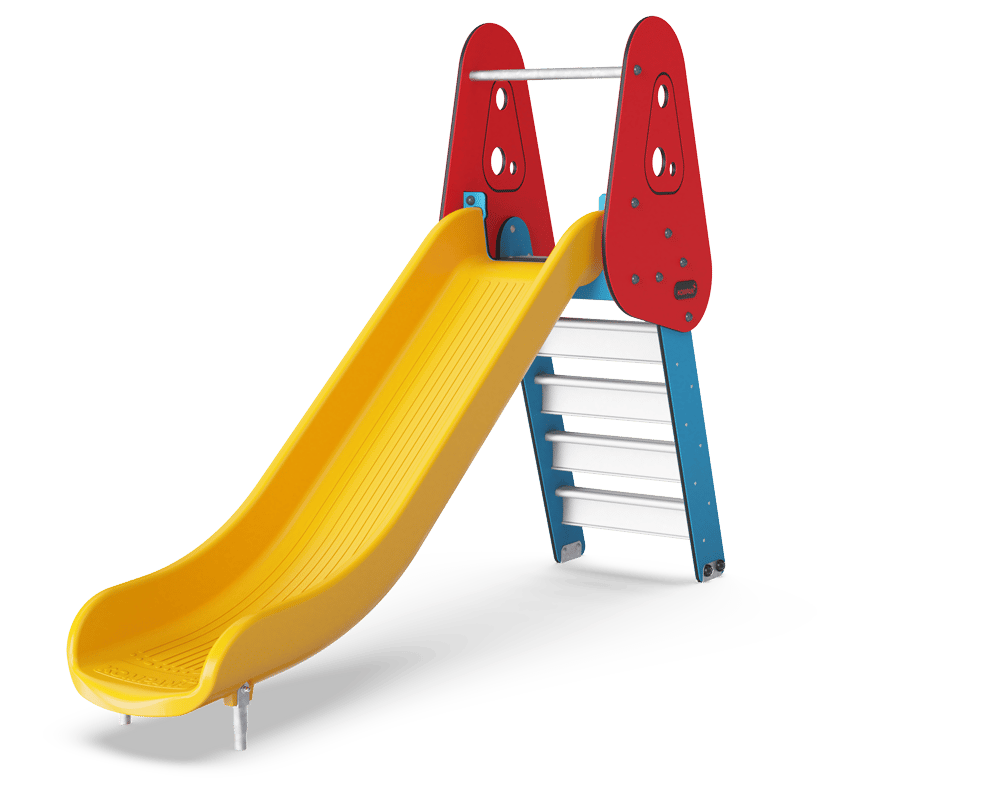
Slide, 1.2m high
Age Group
2+ Years
Capacity
2
Inclusive
No
Product category
PCM301
Slide, 1.2m high
Specifications
Slide, 1.2m high
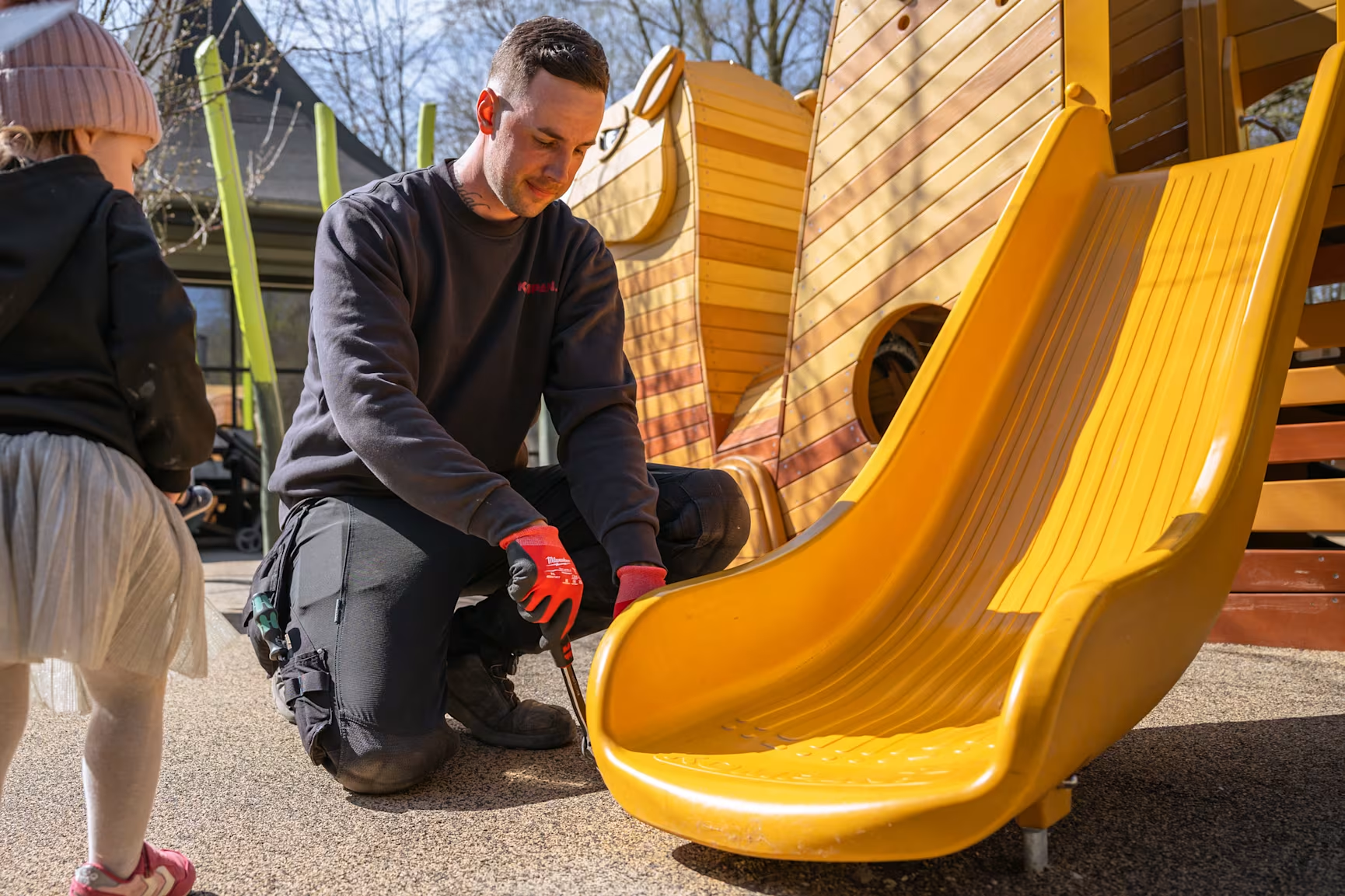
Sliding is a favorite playground activity that attracts children to being active and playful in a thrilling way. This sturdy slide will delight children and encourage them to be brave and enthusiastic on the playground, for hours of imaginative and active play. When children slide they train their core muscles, sitting upright while sliding down. This stimulates their trunk stability, important for avoiding back and neck pains – a growing problem in children due to sedentary lifestyles. Sliding additionally trains the child's sense of balance and spatial understanding. These skills are important in navigating the world securely. They are the fundament of all motor skills and thus a fundament in physical confidence in the child. The steps of the stair are ergonomically appropriate for little hands, adding a feeling of confidence to the climb.
This product, Slide, 1.2m high (PCM301), is provided by KOMPAN Middle East (MEA).
Length
65 cm
Width
296 cm
Height
199 cm
Fall Space Length
365 cm
Fall Space Width
592 cm
Age Group
2+ Years
Key user group
2 - 6 Years
Capacity
2
Inclusive
No
Product category
Classic Playgrounds
Product line
Classic Freestanding Play Equipment
Product Highlights
Quality that lasts
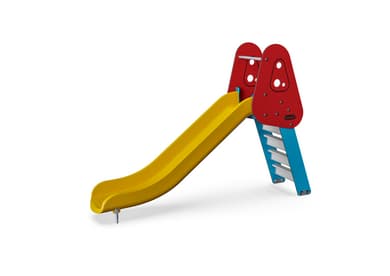
Panels of 19mm CircularHDPE. CircularHDPE is a highly durable, eco-friendly material, which is not only recyclable after use, but also consists of material produced from +95% recycled post-consumer material from food packing waste.
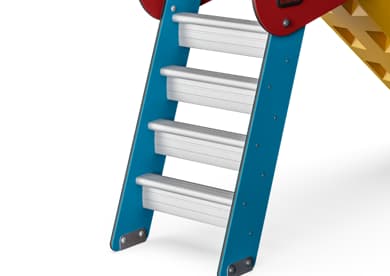
Steps are made of extruded aluminium with a non-skid surface. Aluminium has high corrosion resistance and ensures durability of the product.
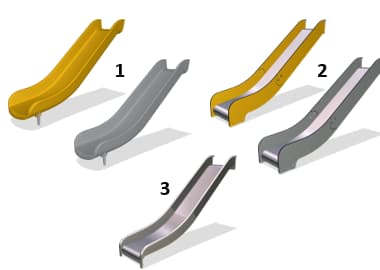
Slides are available in three different materials: moulded on piece PE slides made from 33% post-consumer materials, Combined CircularHDPE sides and stainless steel slide bed t=2mm. Full stainless steel AISI304 t=2mm.
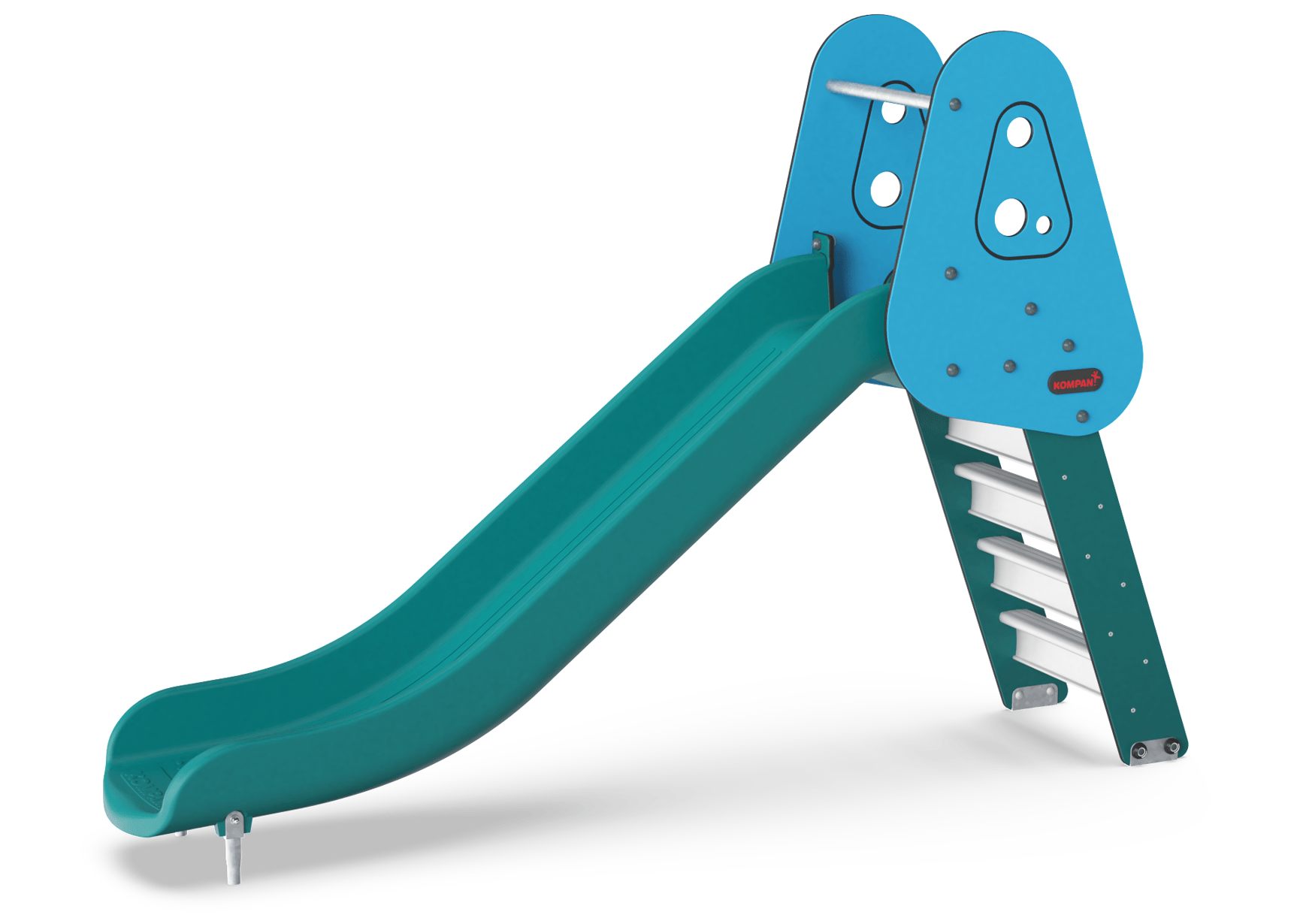
GreenLine versions in teal color are designed with molded PE parts which consist of 33% recycled post-consumer ocean waste. Ocean waste is collected from the maritime industry, such as fishing nets, ropes and trawls.
Play Activities

Balance
1

Climb
1

Sensory
4

Slide
1

Socialize
1
Each play activity represents a type of play experience, such as balancing, social interaction, climbing, or sensory exploration. The number indicates how many opportunities the product offers for children to engage in that activity. Together, these activities help create a varied and developmentally rich play experience.
CO₂ emission
Sustainability Data
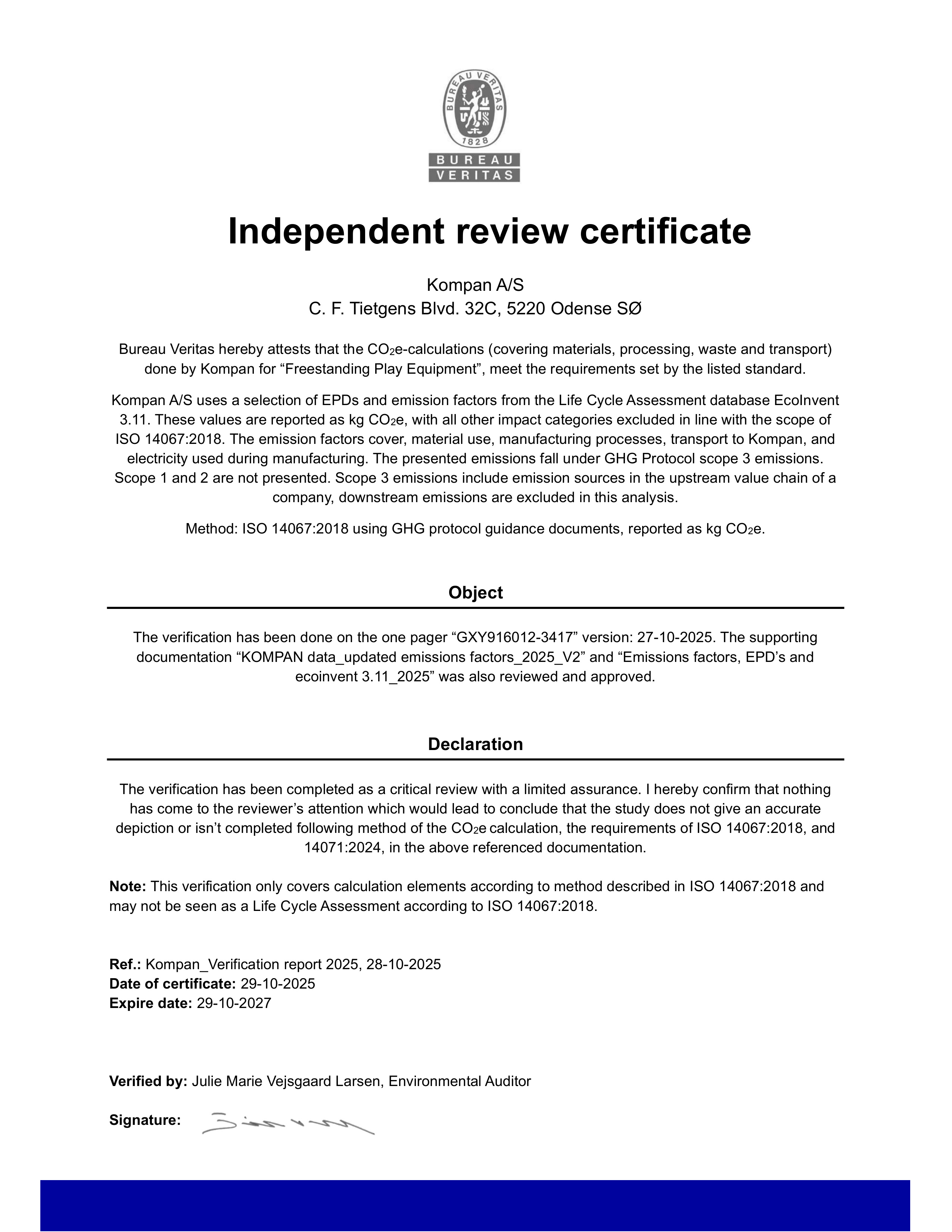
Our product and sustainability data validation help customers make informed sustainable buying choices based on methods validated by Bureau Veritas.
PCM301-0901
260.52
Total CO₂ emission (kg CO₂e)
2.98
CO₂e/kg (kg CO₂e/kg)
54.89%
Recycled materials
The overall framework applied for these factors is the Environmental Product Declaration (EPD), which quantifies "environmental information on the life cycle of a product and enable comparisons between products fulfilling the same function" (ISO, 2006). This follows the structure and applies a Life-Cycle Assessment approach to the entire Product stage from raw material through manufacturing (A1-A3).