NRO906
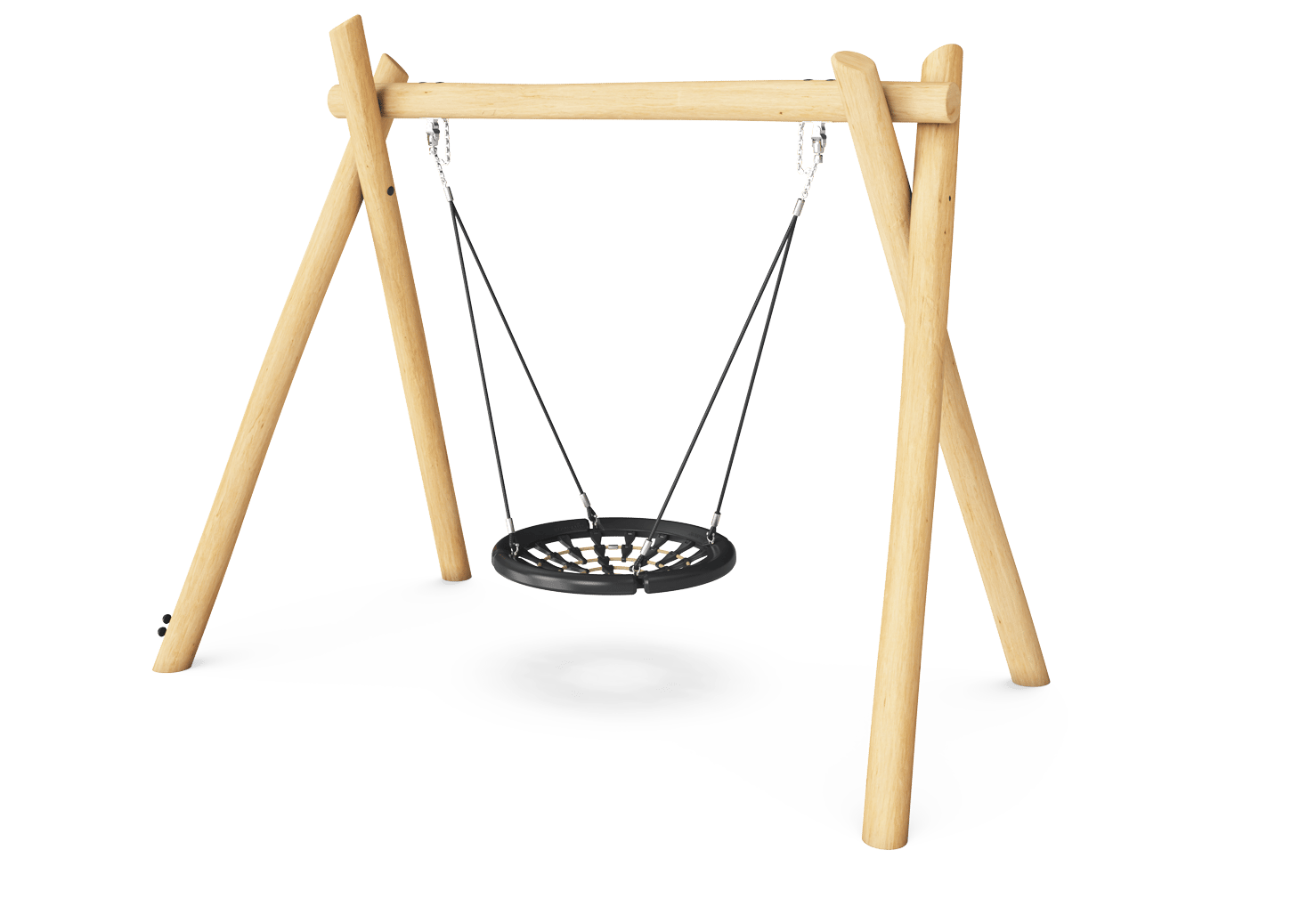
Bird Nest Swing
Age Group
2+ Years
Capacity
6
Inclusive
Yes
Product category
NRO906
Bird Nest Swing
Specifications
Bird Nest Swing
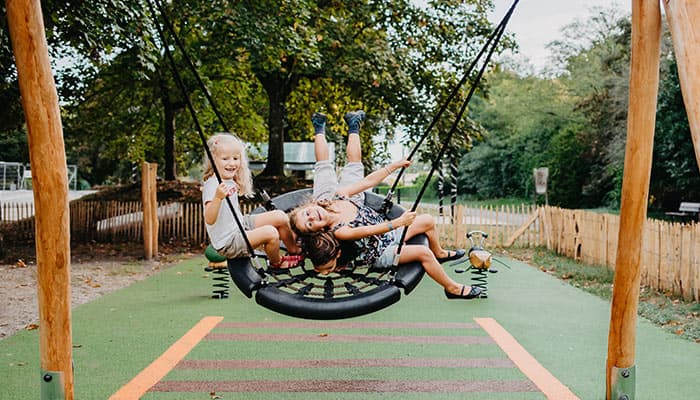
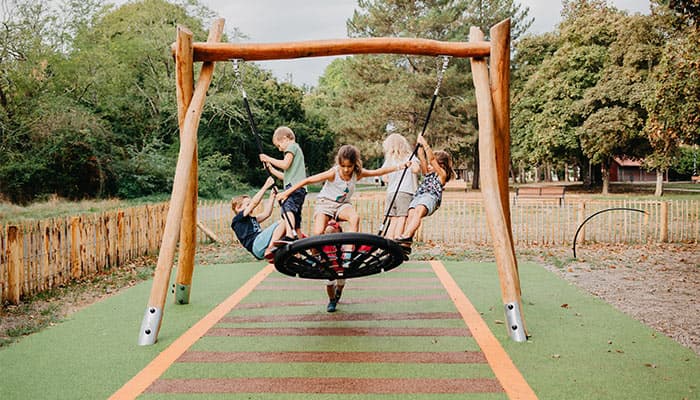
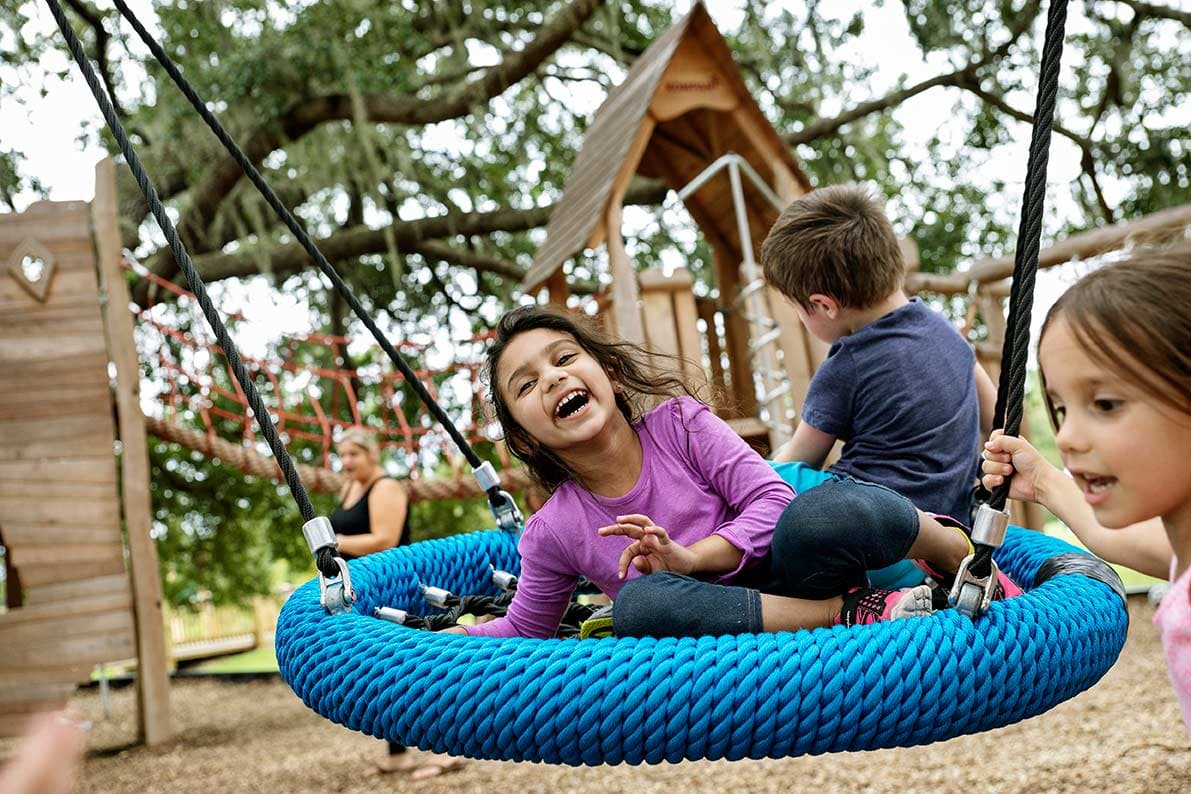
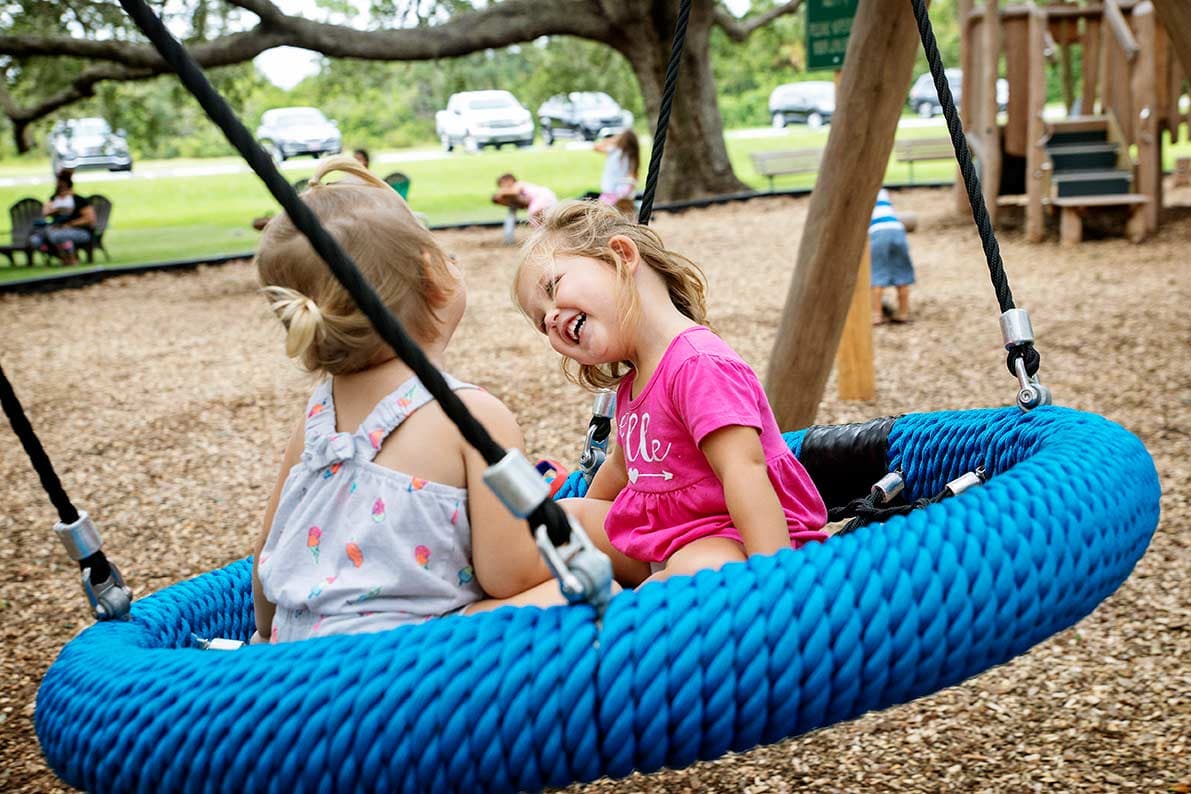
The bird's nest swing is a playground favourite, children love it! The nest swing seat can fit multiple users at once, making it a very sociable and fun experience, as well as teaching children to take it in turns and cooperate, the seat can also be used individually for a more relaxing swing. The seat caters all abilities and most ages meaning swinging can be a common experience. Swinging trains the children's ABC: agility, balance and coordination, as well as their spatial awareness. The Bird Nest seat allows for standing sitting, lying and jumping off. All these activities support the development of arm, leg and core muscles and building bone density – the majority of which is built up during the first years of life.
This product, Bird Nest Swing (NRO906), is provided by KOMPAN Middle East (MEA).
Length
363 cm
Width
205 cm
Height
284 cm
Fall Space Length
225 cm
Fall Space Width
771 cm
Age Group
2+ Years
Key user group
2 - 15 Years
Capacity
6
Inclusive
Yes
Product category
Nature Playgrounds
Product line
Nature Freestanding Play Equipment
Product Highlights
Quality that lasts
All Organic Robinia products by KOMPAN are made of Robinia wood from sustainable European sources. On request it can be supplied as FSC® Certified (FSC® C004450).
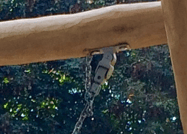
Swing hangers for Robinia wood crossbeams are made of stainless steel brackets and can move over two axis. The flange bearings are silicone enriched to make the suspension maintenance free.
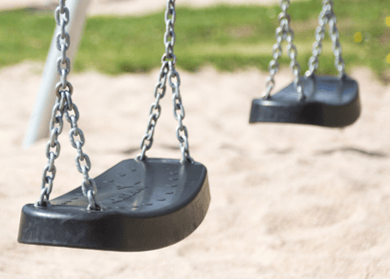
The standard seats of KOMPAN swings is engineered for maximum safety and durability. The two component seat with a PP inner core and outside rubber is produced in one operation. The seats are available with swing chains of either hot dip galvanised steel or stainless steel for all swings heights.
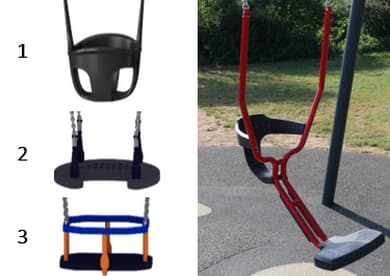
Unique designed seats for toddles: Baby seat of rubber. Toddler seat of PUR with four chain suspension for easy movement. Cradle seat. You & Me swing seat for adult/child or children of different ages to swing together while facing each other.
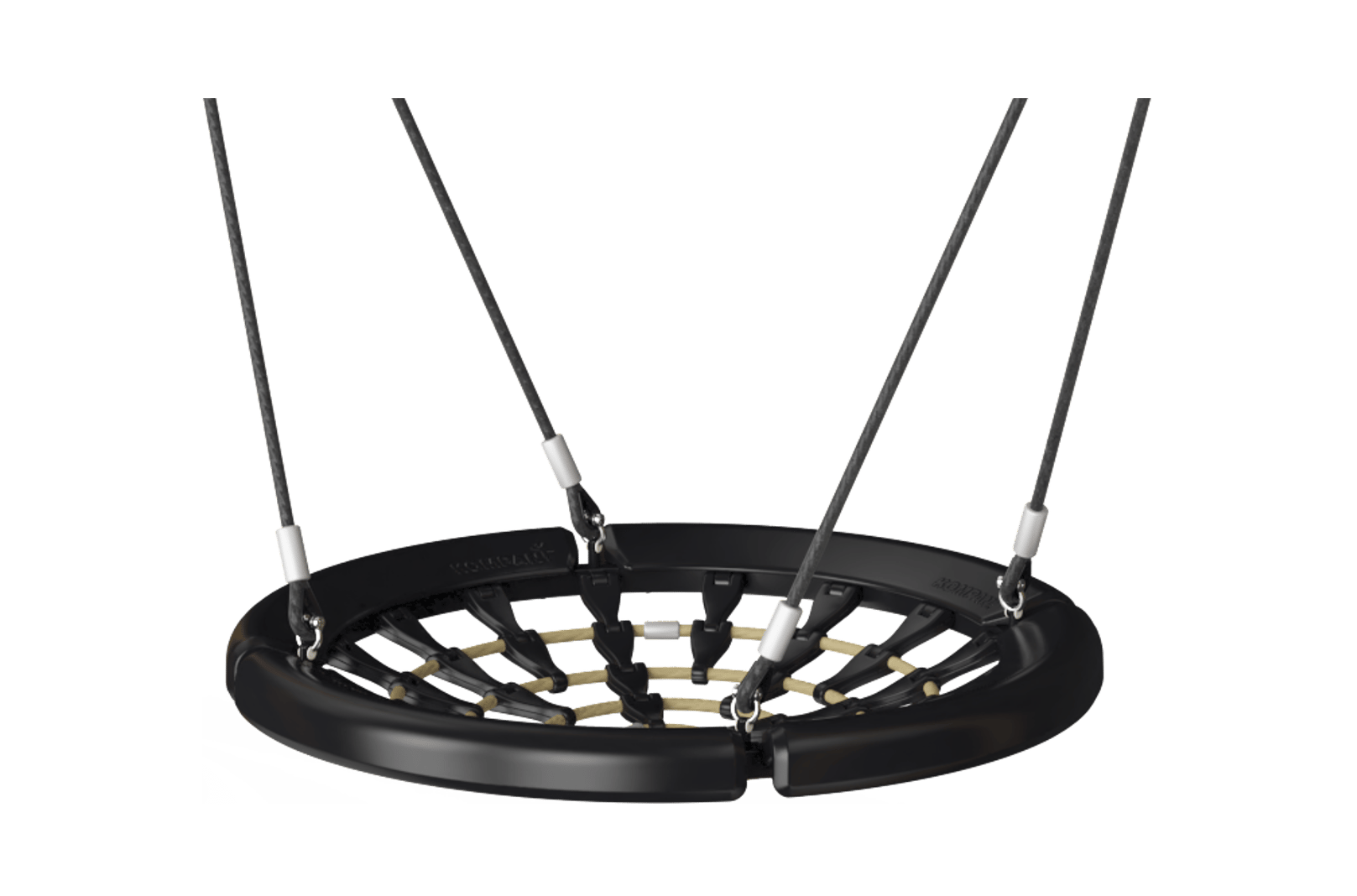
KOMPAN designed the bird's nest seats to be light in weight and in compliance with global safety standards. The soft, shock absorbent bumpers with non-slip surface makes the swing seat extremely user friendly. Choose between a rope version with reinforced PA rope or a moulded PE version. Both equipped with soft rubber bumpers.
Play Activities

Balance
1

Jump
1

Sensory
5

Socialize
1

Swing
1
Each play activity represents a type of play experience, such as balancing, social interaction, climbing, or sensory exploration. The number indicates how many opportunities the product offers for children to engage in that activity. Together, these activities help create a varied and developmentally rich play experience.
CO₂ emission
Sustainability Data
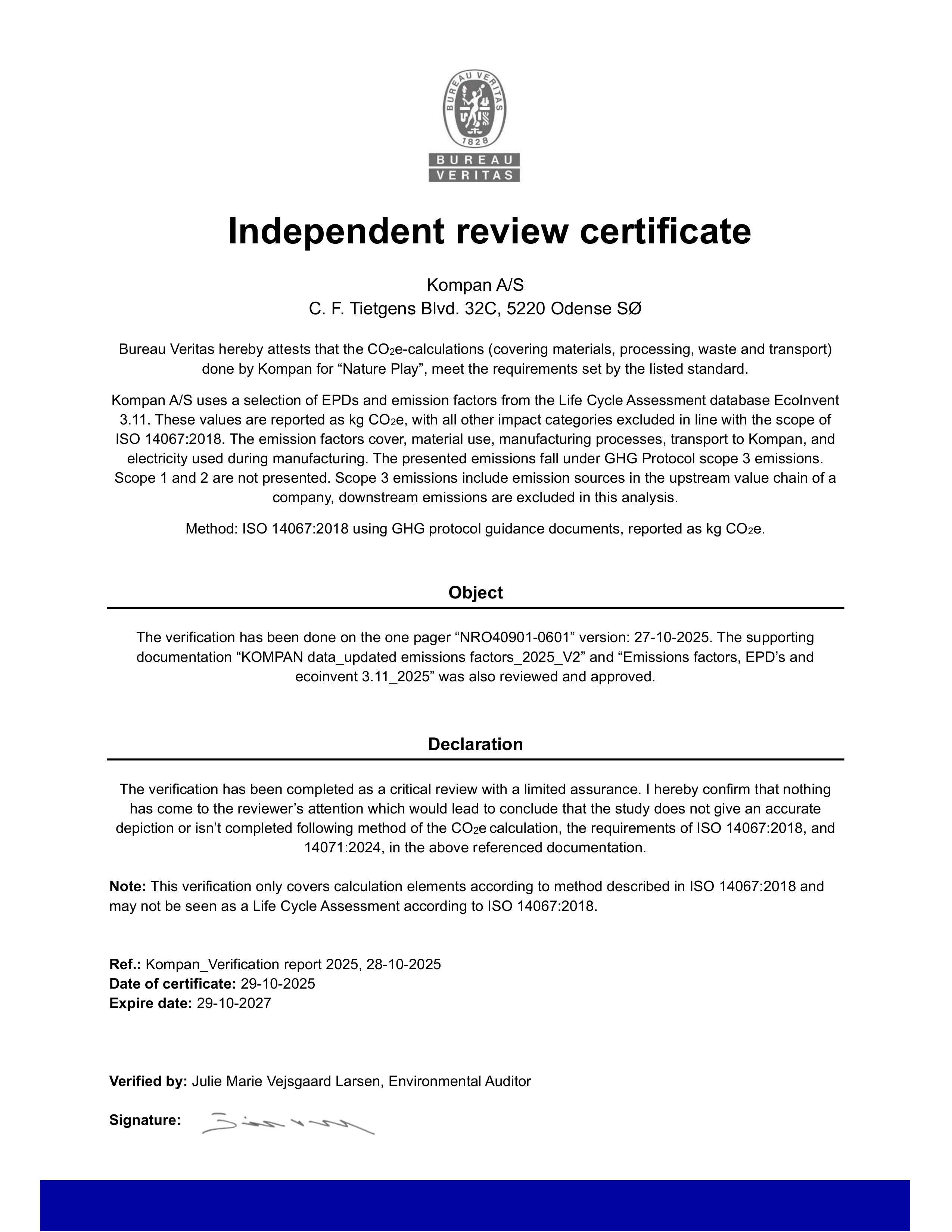
Our product and sustainability data validation help customers make informed sustainable buying choices based on methods validated by Bureau Veritas.
NRO906-1101
299.9
Total CO₂ emission (kg CO₂e)
0.87
CO₂e/kg (kg CO₂e/kg)
3.15%
Recycled materials
The overall framework applied for these factors is the Environmental Product Declaration (EPD), which quantifies "environmental information on the life cycle of a product and enable comparisons between products fulfilling the same function" (ISO, 2006). This follows the structure and applies a Life-Cycle Assessment approach to the entire Product stage from raw material through manufacturing (A1-A3).