NRO510
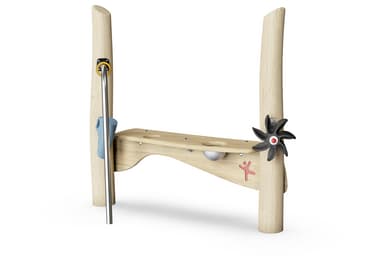
Sand Desk
Age Group
1+ Years
Capacity
5
Inclusive
Yes
Product category
NRO510
Sand Desk
Specifications
Sand Desk
This lovely sand desk invites hours of explorative play with its sand wheel, sand scoop and little sand holders in the counter. All of these items, with their varied textures and functionalities provide great tactile stimulation of the fine motor skills. They also provide an understanding of cause and effect: when I pour sand over the sand wheel, it turns. This contributes to thinking skills and general cognitive development. The sand play unit can cater for smaller groups of children providing, sorting or selling materials they have found or created in the playground. These explorative and dramatic play scenarious support children's negotiation and communication skills, as well as their language skills. This is a fundamental part of children's cognitive-creative development.
This product, Sand Desk (NRO510), is provided by KOMPAN Middle East (MEA).
Length
163 cm
Width
60 cm
Height
135 cm
Fall Space Length
445 cm
Fall Space Width
361 cm
Age Group
1+ Years
Key user group
2 - 6 Years
Capacity
5
Inclusive
Yes
Product category
Nature Playgrounds
Product line
Nature Freestanding Play Equipment
Product Highlights
Quality that lasts
All Organic Robinia products by KOMPAN are made of Robinia wood from sustainable European sources. On request it can be supplied as FSC® Certified (FSC® C004450).
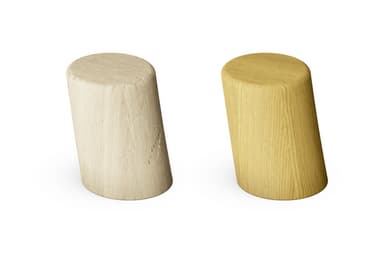
The Robinia wood can be supplied as untreated raw wood or painted with a brown coloured transparent pigment that maintains the golden wood colour of the wood.
Play Activities

Construct
3

Sensory
5

Socialize
3
Each play activity represents a type of play experience, such as balancing, social interaction, climbing, or sensory exploration. The number indicates how many opportunities the product offers for children to engage in that activity. Together, these activities help create a varied and developmentally rich play experience.
CO₂ emission
Sustainability Data
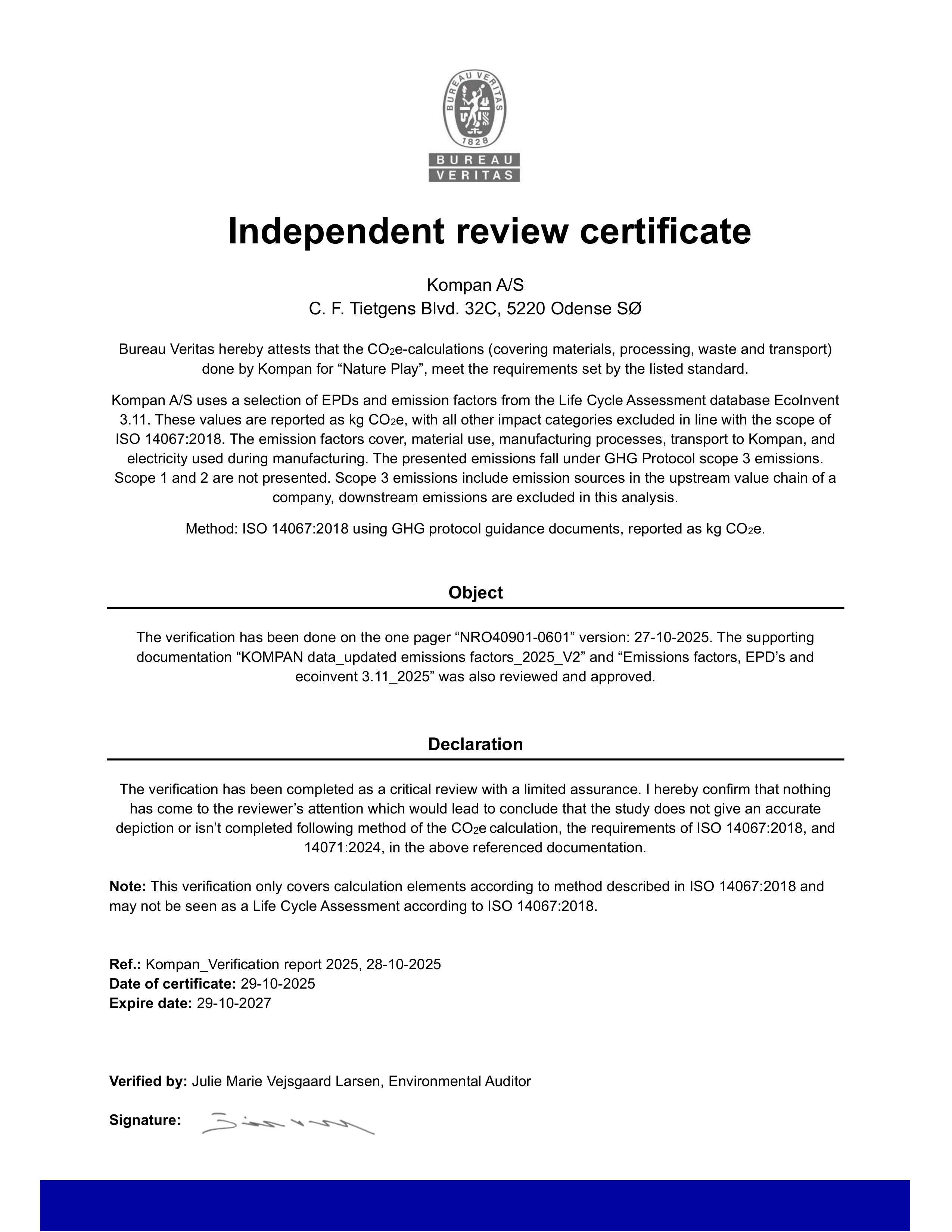
Our product and sustainability data validation help customers make informed sustainable buying choices based on methods validated by Bureau Veritas.
NRO510-0601
98.24
Total CO₂ emission (kg CO₂e)
0.93
CO₂e/kg (kg CO₂e/kg)
4.68%
Recycled materials
The overall framework applied for these factors is the Environmental Product Declaration (EPD), which quantifies "environmental information on the life cycle of a product and enable comparisons between products fulfilling the same function" (ISO, 2006). This follows the structure and applies a Life-Cycle Assessment approach to the entire Product stage from raw material through manufacturing (A1-A3).