NRO200801
The Witch's Tower ADA
Age Group
4+ Years
Capacity
20
Inclusive
No
Product category
NRO200801
The Witch's Tower ADA
Specifications
The Witch's Tower ADA
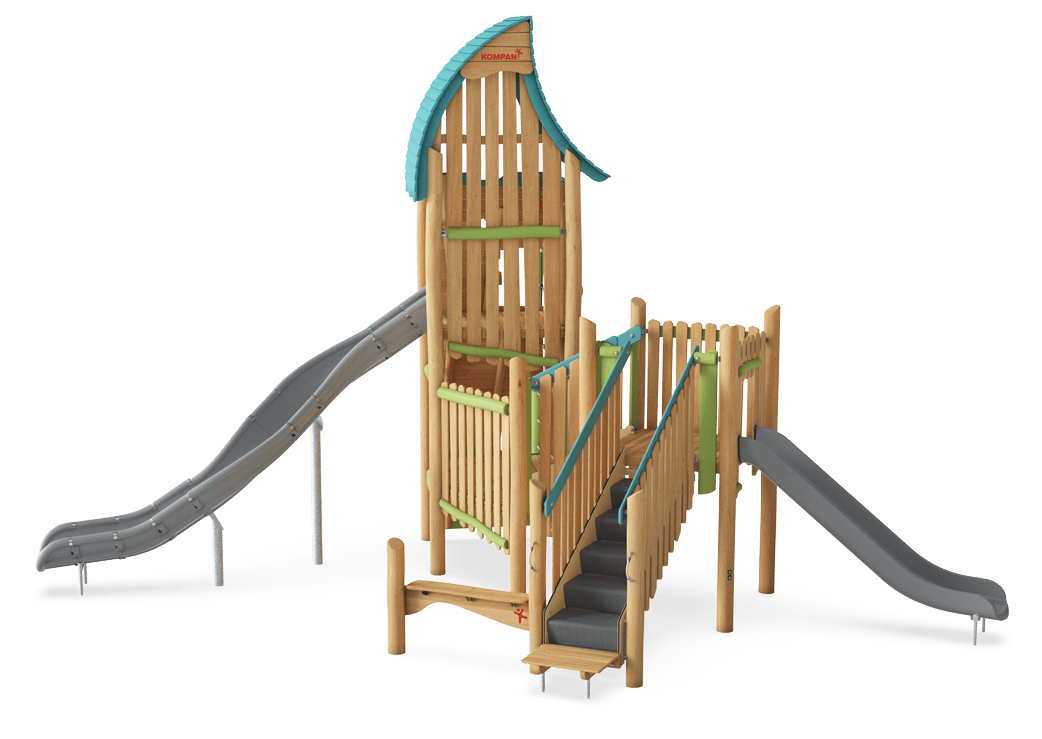
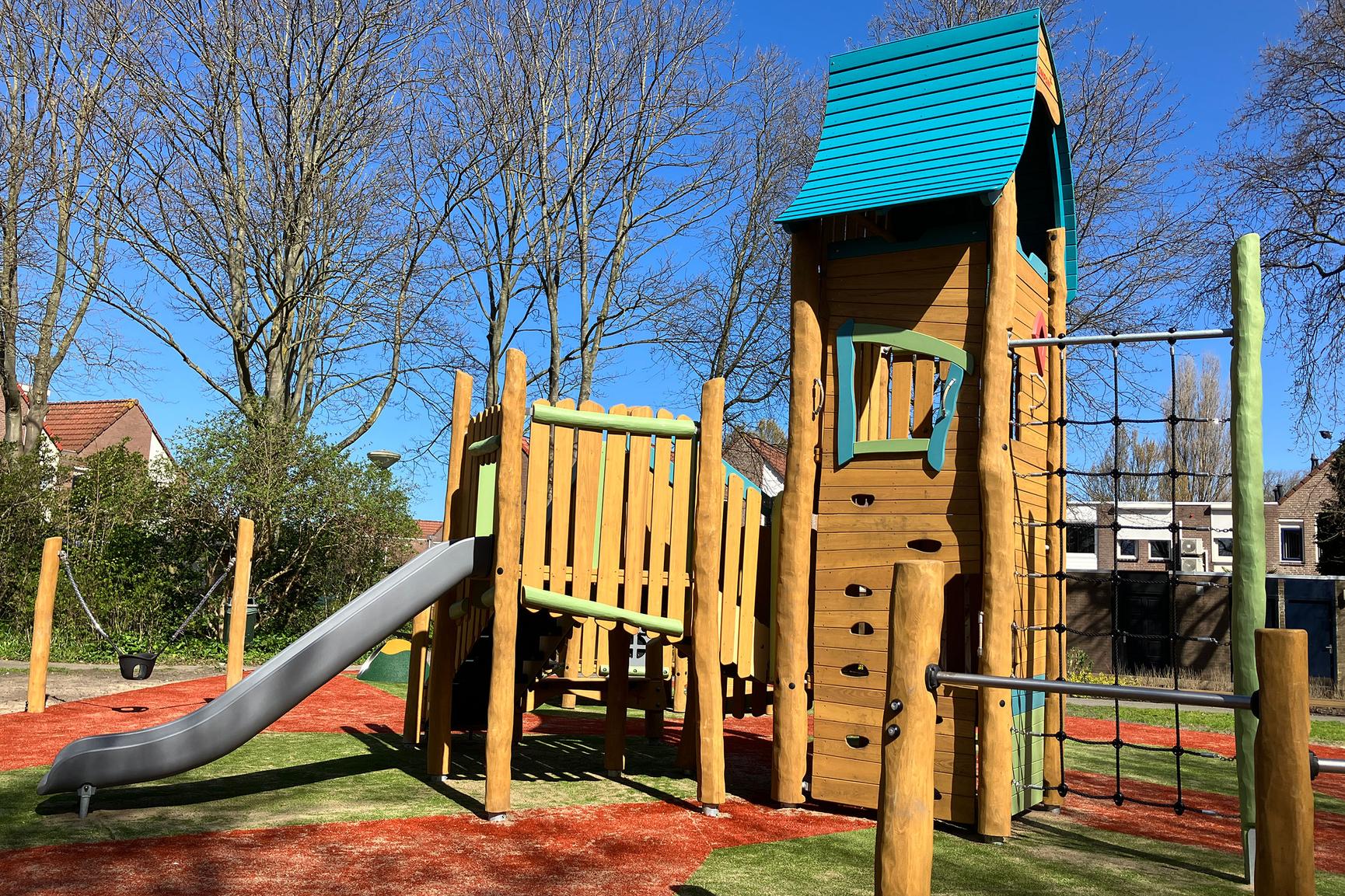
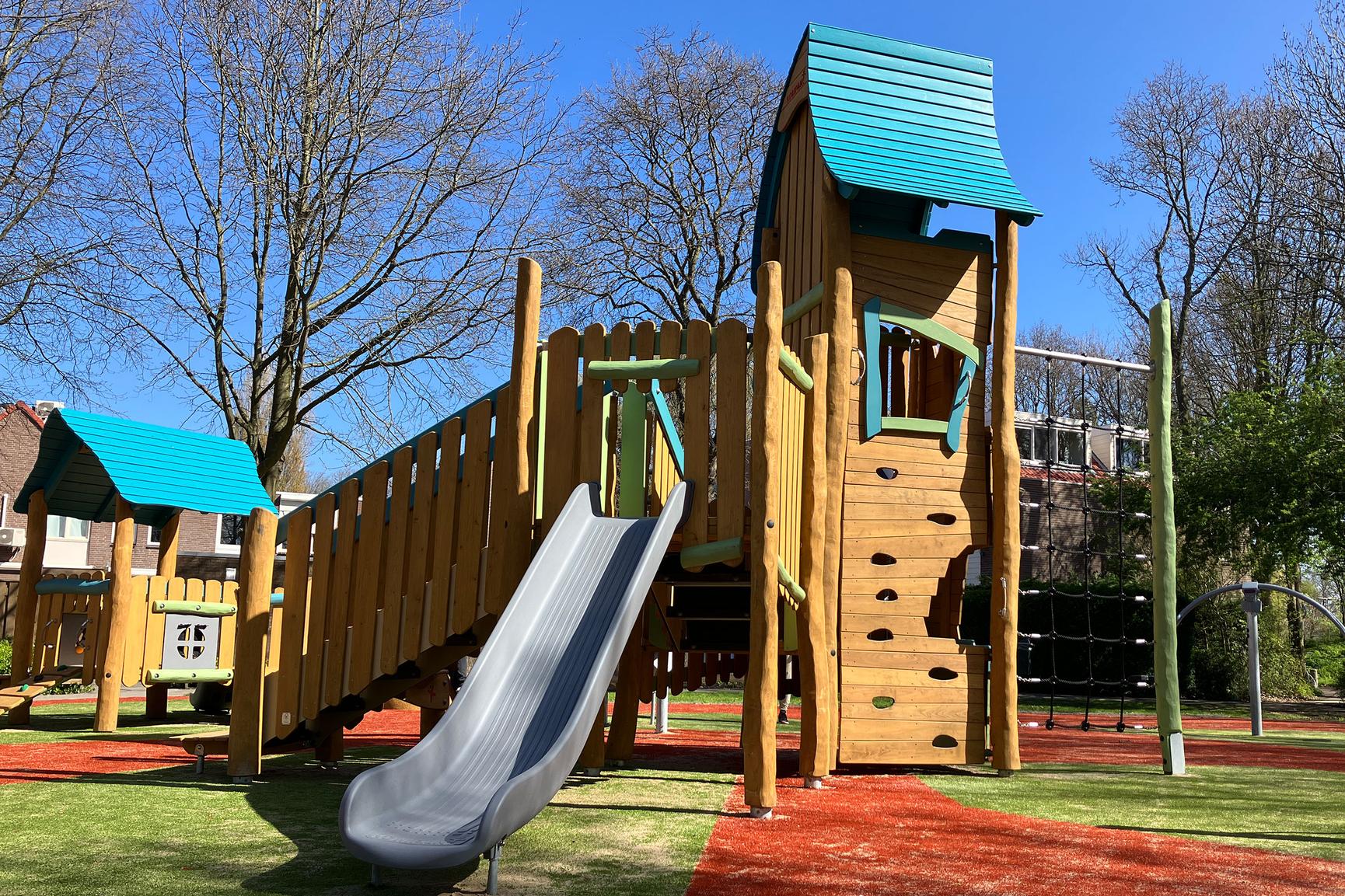
The Witch's Tower is a fabulous play motivator for children. The fun, varied selection of scaled play challenges and meeting points stimulate children to play for a long time, again and again. The accessible stairway leads to a lower slide, finishing a practical loop for those with assistive devices or assistants. A play desk adds a ground level destination and a place to socialise. The tower can be climbed in multiple ways: via the stair, the vertical climbing wall with window openings to decks, or the net. Climbing trains major muscle groups and cross-coordination. This again stimulates cross-modal perception which is necessary e.g. in reading. Sliding, apart from being joyful, is training of the sense of balance. This is fundamental for all other motor skills and navigating the world confidently and securely.
This product, The Witch's Tower ADA (NRO200801), is provided by KOMPAN Middle East (MEA).
Length
872 cm
Width
595 cm
Height
534 cm
Fall Space Length
1261 cm
Fall Space Width
993 cm
Age Group
4+ Years
Key user group
4 - 12 Years
Capacity
20
Inclusive
No
Product category
Nature Playgrounds
Product line
Robinia Village Play Structures
Product Highlights
Quality that lasts
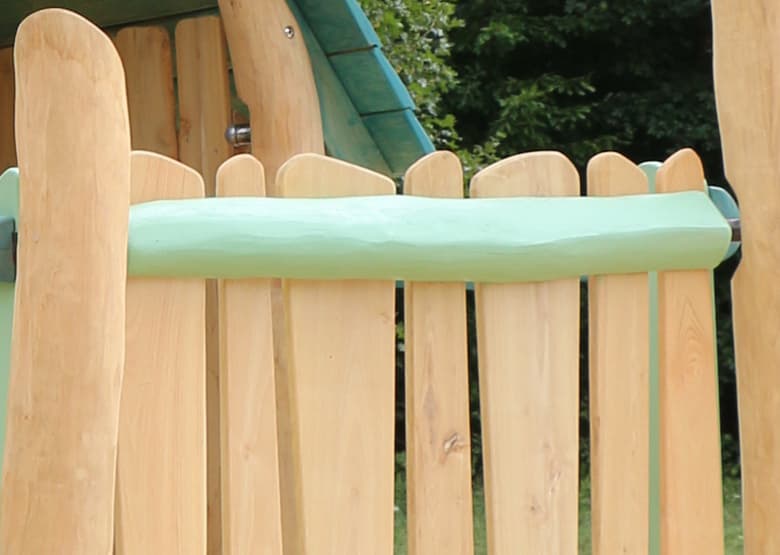
All Organic Robinia products by KOMPAN are made of Robinia wood from sustainable European sources. On request it can be supplied as FSC® Certified (FSC® C004450).
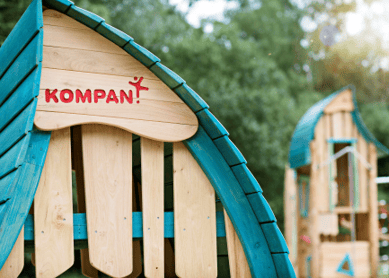
The paint used for coloured components is water based environmentally friendly with excellent UV resistance. The paint is in compliance with EN 71 Part 3.
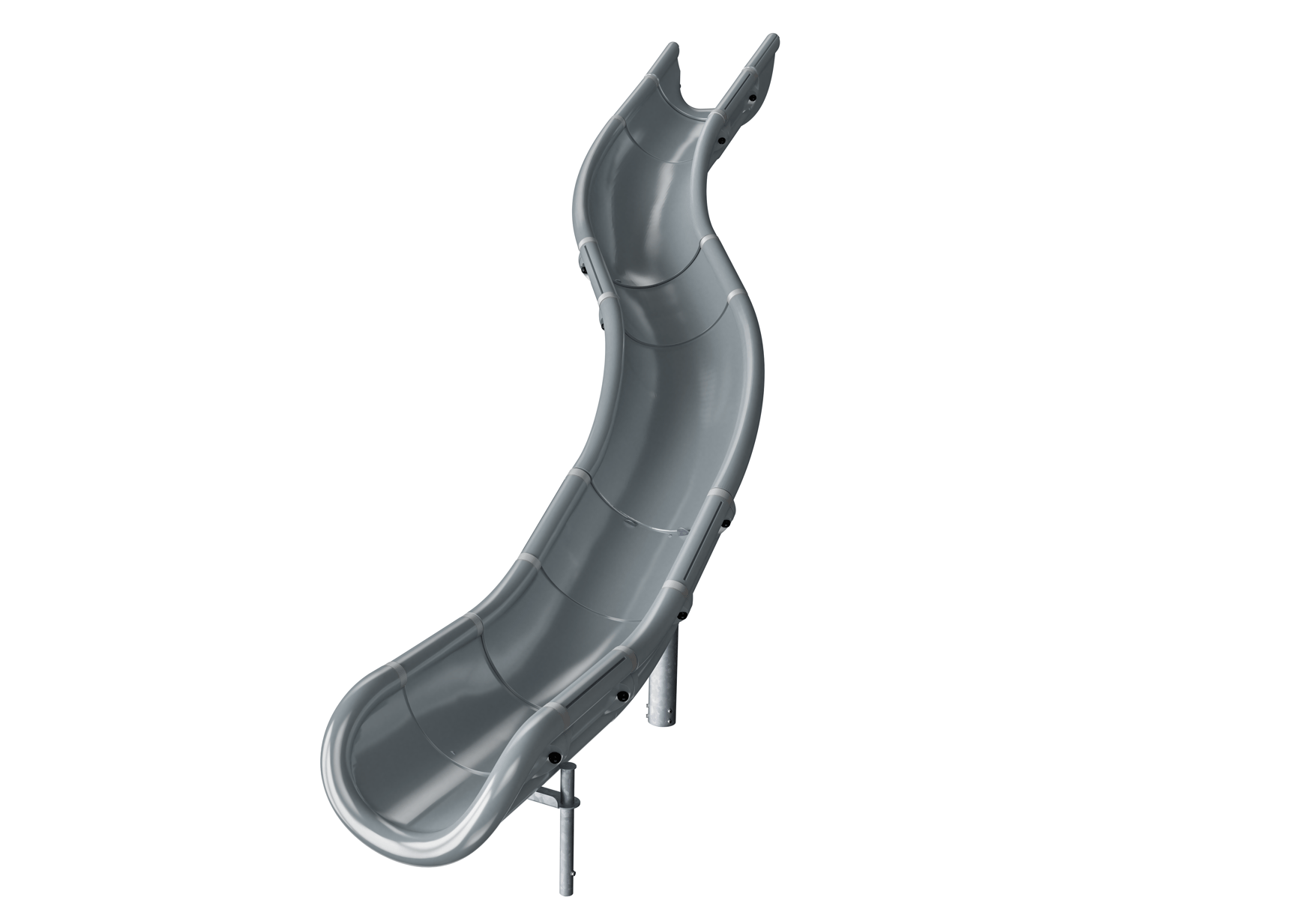
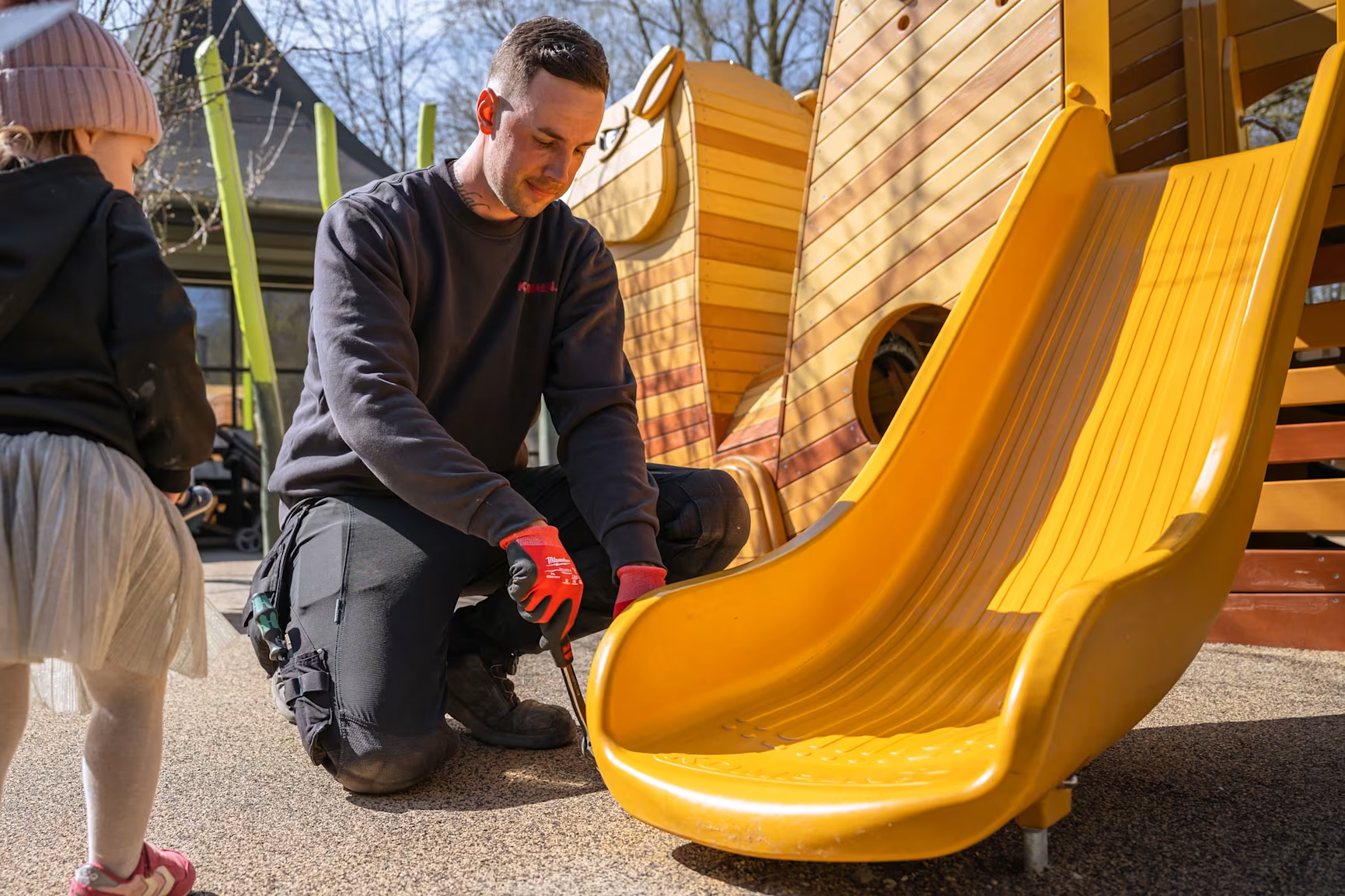
Molded PE slides made with 33% post-consumer materials in different colors in one-piece design with a wall thickness of minimum 5mm. The PE is tested for UV stability and has excellent impact strength and it is usable within a large temperature span.
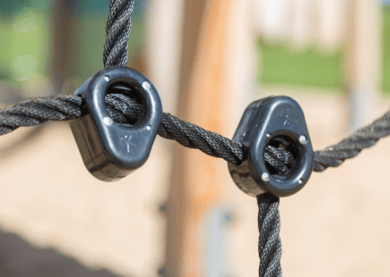
Ropes of UV-stabilized PES rope strands with inner steel cable reinforcement. The polyester yarn is made from +95% post-consumer materials and is inductively melted onto each strand.
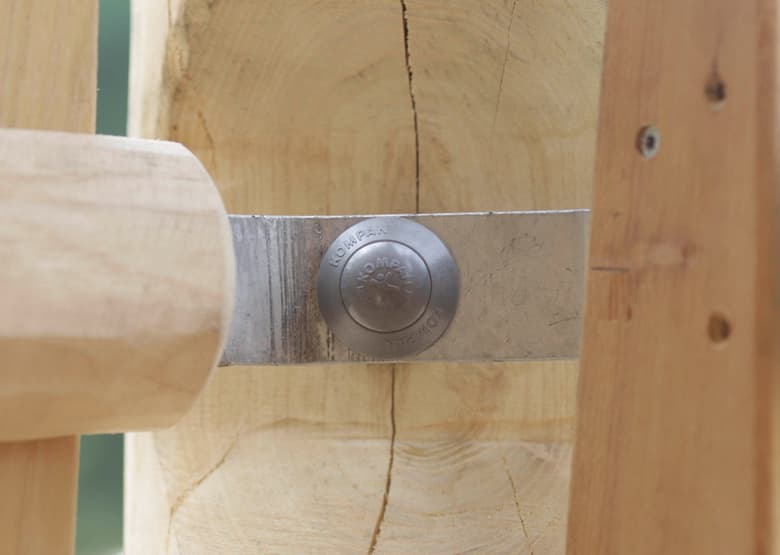
The hardware is made of stainless steel or galvanised steel to ensure durable connections with a high corrosion resistance.
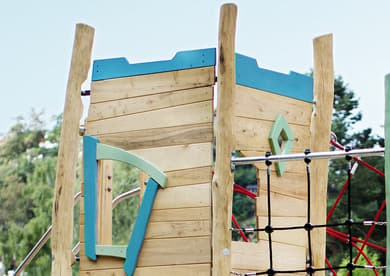
The Robinia products are designed with a KOMPAN colour concept with a number of different standard colours. The wood can also be supplied as untreated or with brown painted with a pigment that maintains the wood colour.
Play Activities

Balance
2

Climb
4

Pull
5

Sensory
6

Slide
2

Socialize
7
Each play activity represents a type of play experience, such as balancing, social interaction, climbing, or sensory exploration. The number indicates how many opportunities the product offers for children to engage in that activity. Together, these activities help create a varied and developmentally rich play experience.
CO₂ emission
Sustainability Data
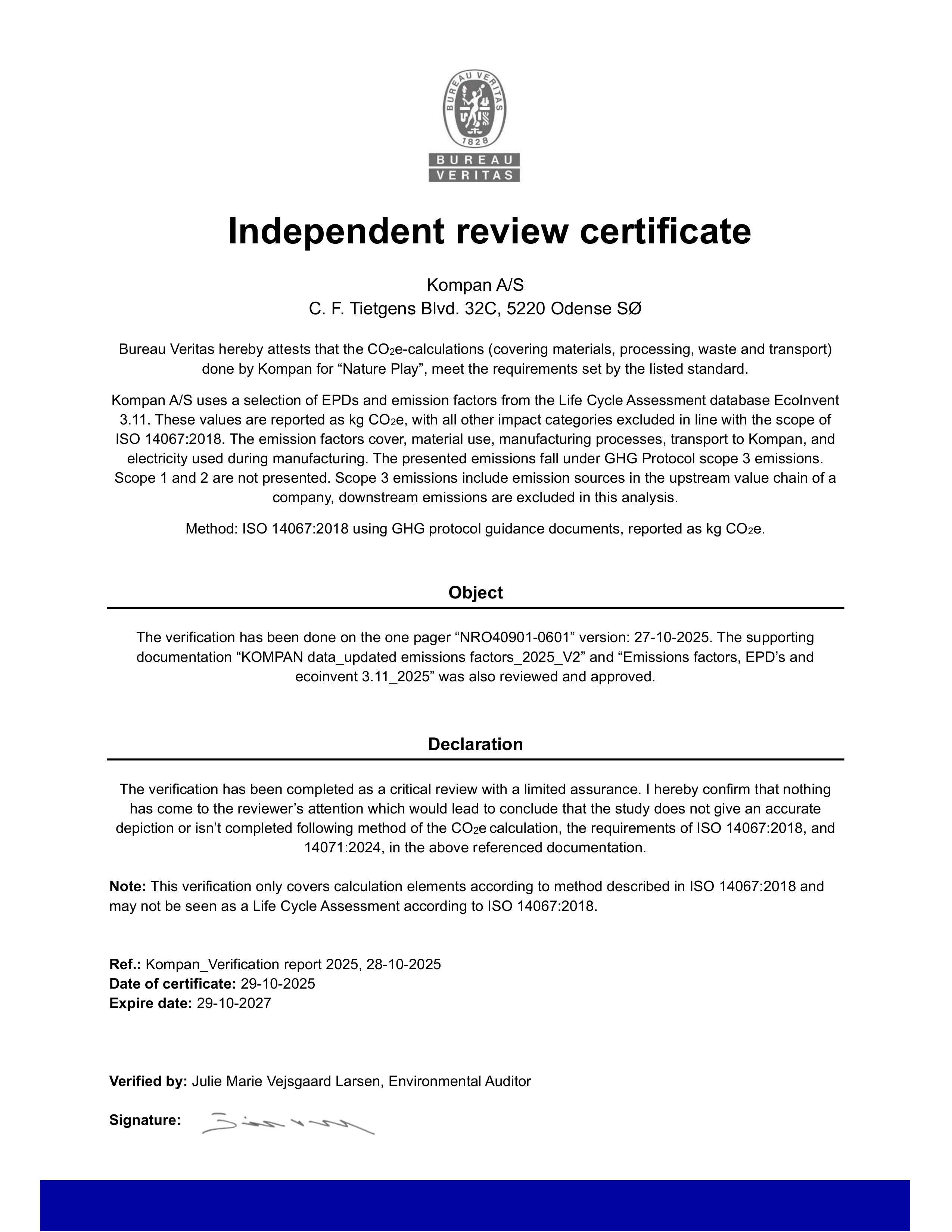
Our product and sustainability data validation help customers make informed sustainable buying choices based on methods validated by Bureau Veritas.
NRO200801-1021
1699.92
Total CO₂ emission (kg CO₂e)
0.82
CO₂e/kg (kg CO₂e/kg)
7.53%
Recycled materials
The overall framework applied for these factors is the Environmental Product Declaration (EPD), which quantifies "environmental information on the life cycle of a product and enable comparisons between products fulfilling the same function" (ISO, 2006). This follows the structure and applies a Life-Cycle Assessment approach to the entire Product stage from raw material through manufacturing (A1-A3).