BASIC750
Playhouse
Age Group
6m+ Years
Capacity
8
Inclusive
Yes
Product category
BASIC750
Playhouse
Specifications
Playhouse
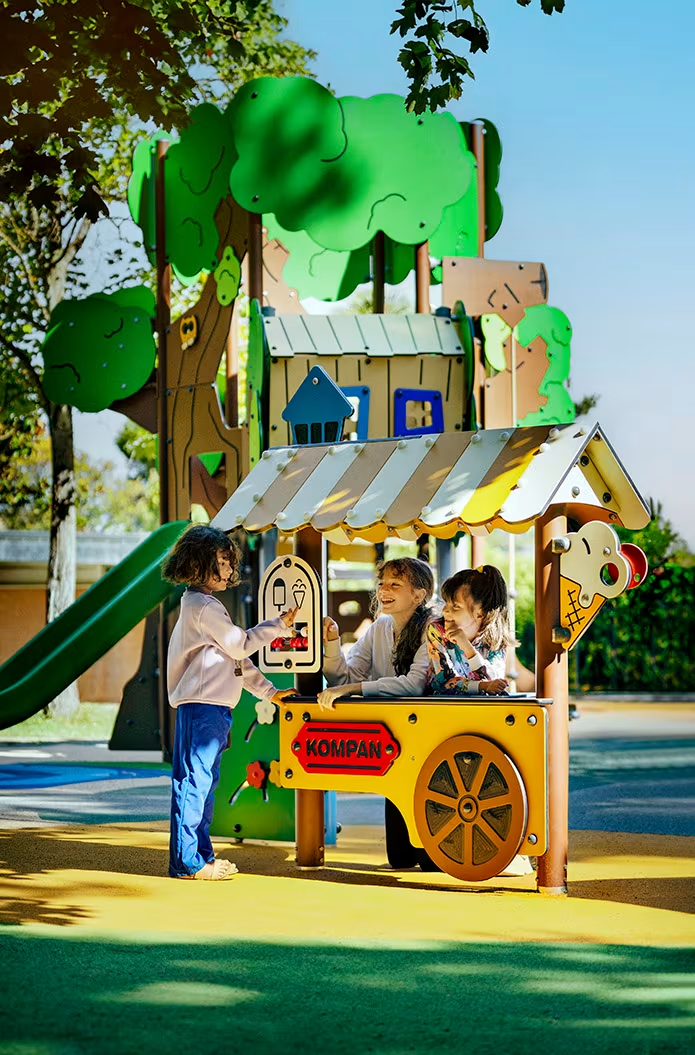
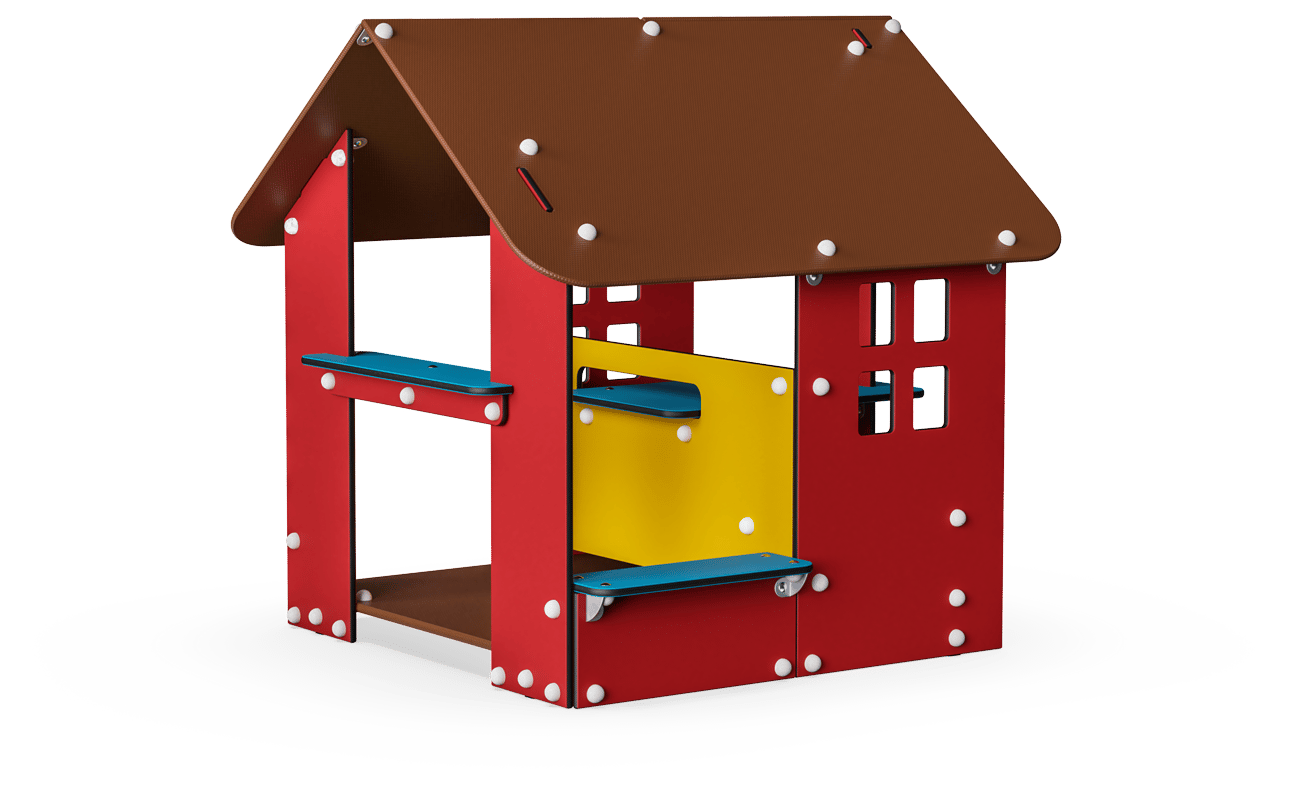
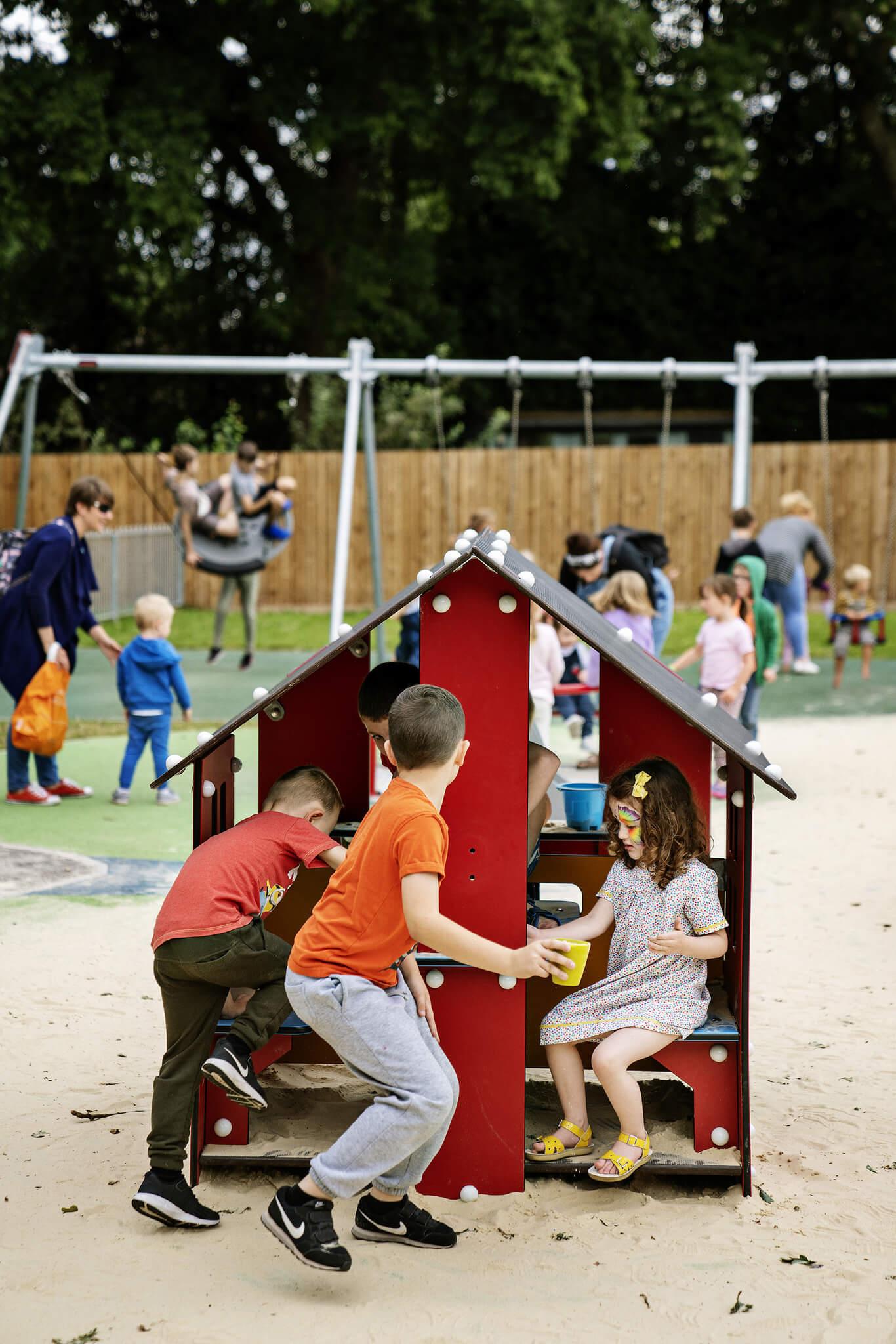
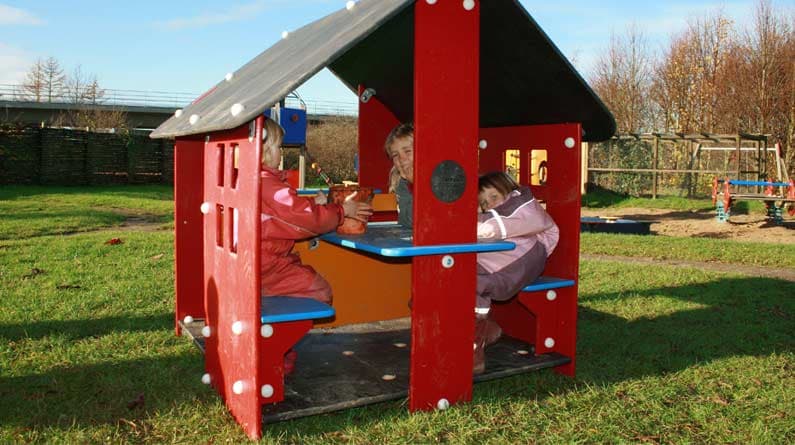
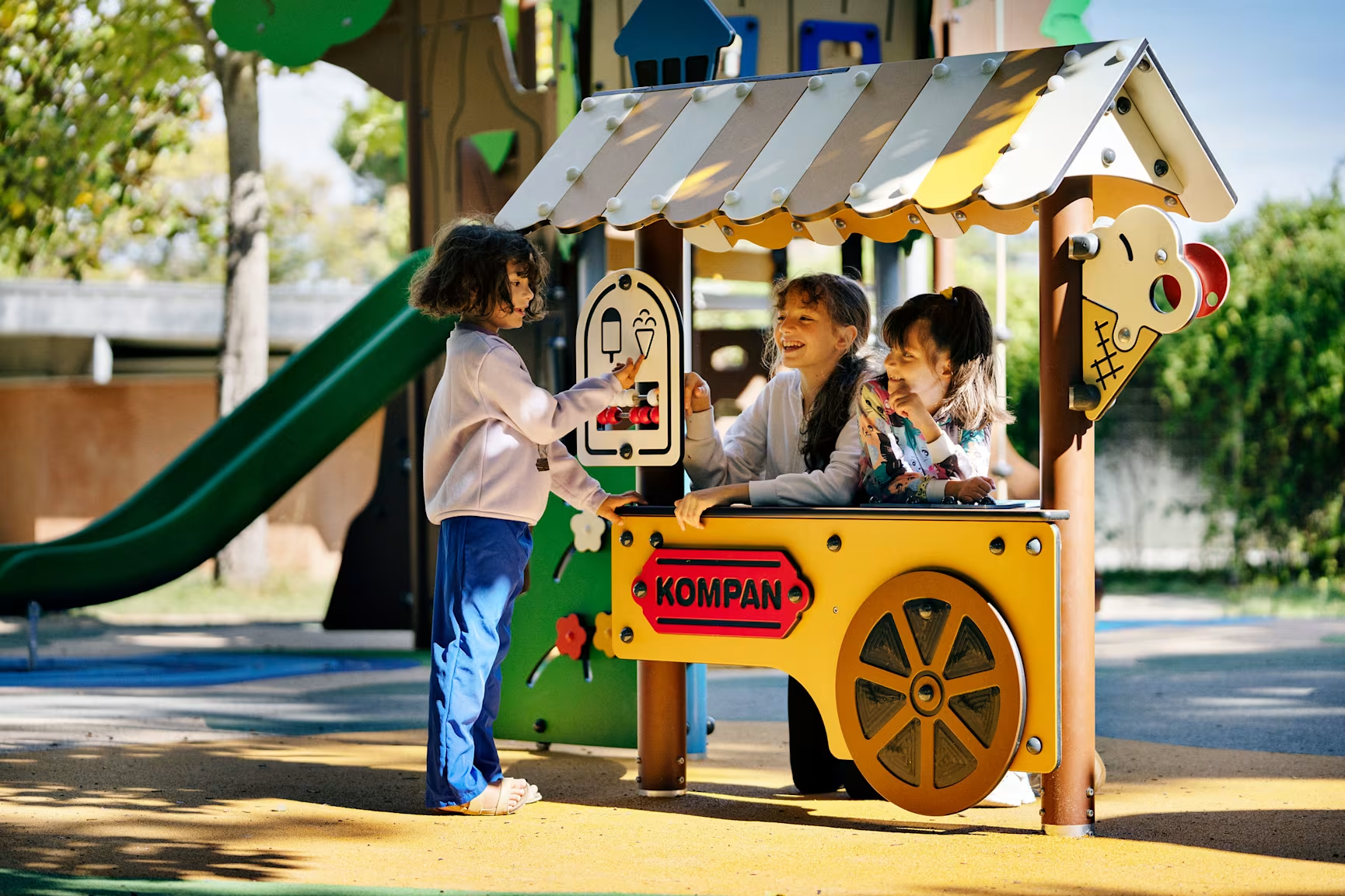
With its child scale size the playhouse is a play motivator for the youngest. The open ends and walls widen the play space, making room for a lot of children playing from all sides. The table and benches provide a great meeting point for children, again and again. The high desks and the openings inside and outside inspire classic dramatic play, such as shop and home. Thus the Playhouse invites and retains children's role play. Dramatic play is well-known to stimulate children's language skills and thinking skills, which are crucial in early childhood development of cognition. Themes such as house and shop, which young children recognise, set a frame for mimicking and elaborating on social interaction, training children's understanding of the world. The dramatic play trains communication, language skills and social skills such as negotiation and empathy.
This product, Playhouse (BASIC750), is provided by KOMPAN Middle East (MEA).
Length
151 cm
Width
142 cm
Height
147 cm
Fall Space Length
451 cm
Fall Space Width
442 cm
Age Group
6m+ Years
Key user group
1 - 6 Years
Capacity
8
Inclusive
Yes
Product category
Classic Playgrounds
Product line
Classic Freestanding Play Equipment
Product Highlights
Quality that lasts
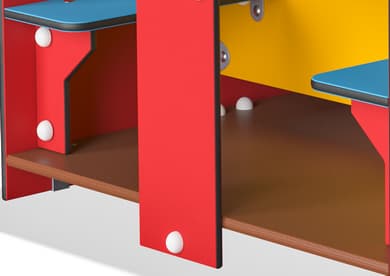
The floor is made of 21,5mm thick plywood made from alder and pine wood. Both sides are covered by 2 layers of phenolic film with anti slip net pattern. All cutting edges are sealed with paint to ensure long lifetime
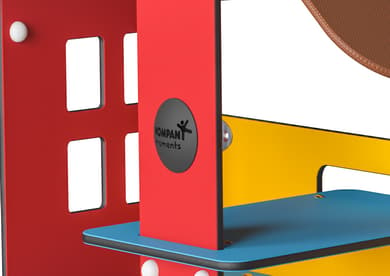
Panels of 19mm CircularHDPE. CircularHDPE is a highly durable, eco-friendly material, which is not only recyclable after use, but also consists of material produced from +95% recycled post-consumer material from food packing waste.
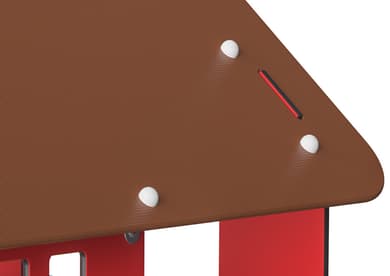
The roof is made of 16mm thick plywood made from alder and pine wood. Both sides are covered by 2 layers of phenolic film with anti slip net pattern. All cutting edges are sealed with paint to ensure long lifetime
Play Activities

Crawl
1

Dramatic play
1

Sensory
4

Socialize
4
Each play activity represents a type of play experience, such as balancing, social interaction, climbing, or sensory exploration. The number indicates how many opportunities the product offers for children to engage in that activity. Together, these activities help create a varied and developmentally rich play experience.
CO₂ emission
Sustainability Data
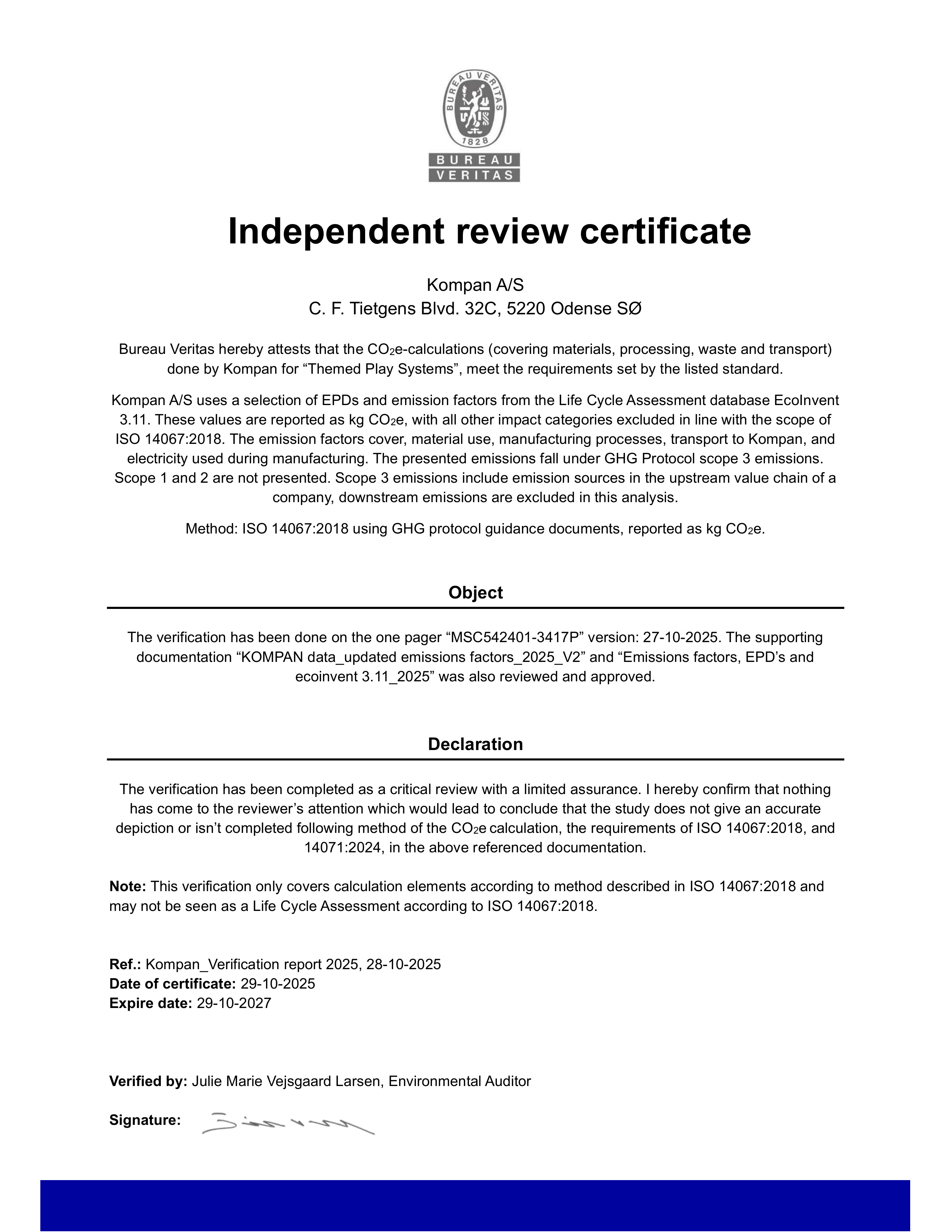
Our product and sustainability data validation help customers make informed sustainable buying choices based on methods validated by Bureau Veritas.
BASIC750-3418P
249.97
Total CO₂ emission (kg CO₂e)
1.82
CO₂e/kg (kg CO₂e/kg)
55.85%
Recycled materials
The overall framework applied for these factors is the Environmental Product Declaration (EPD), which quantifies "environmental information on the life cycle of a product and enable comparisons between products fulfilling the same function" (ISO, 2006). This follows the structure and applies a Life-Cycle Assessment approach to the entire Product stage from raw material through manufacturing (A1-A3).